



Posted in أسعار الشبوك, تكلفة تركيب الشبوك on نوفمبر 05, 2026
Fence Installation Pricing Factors in Saudi Arabia
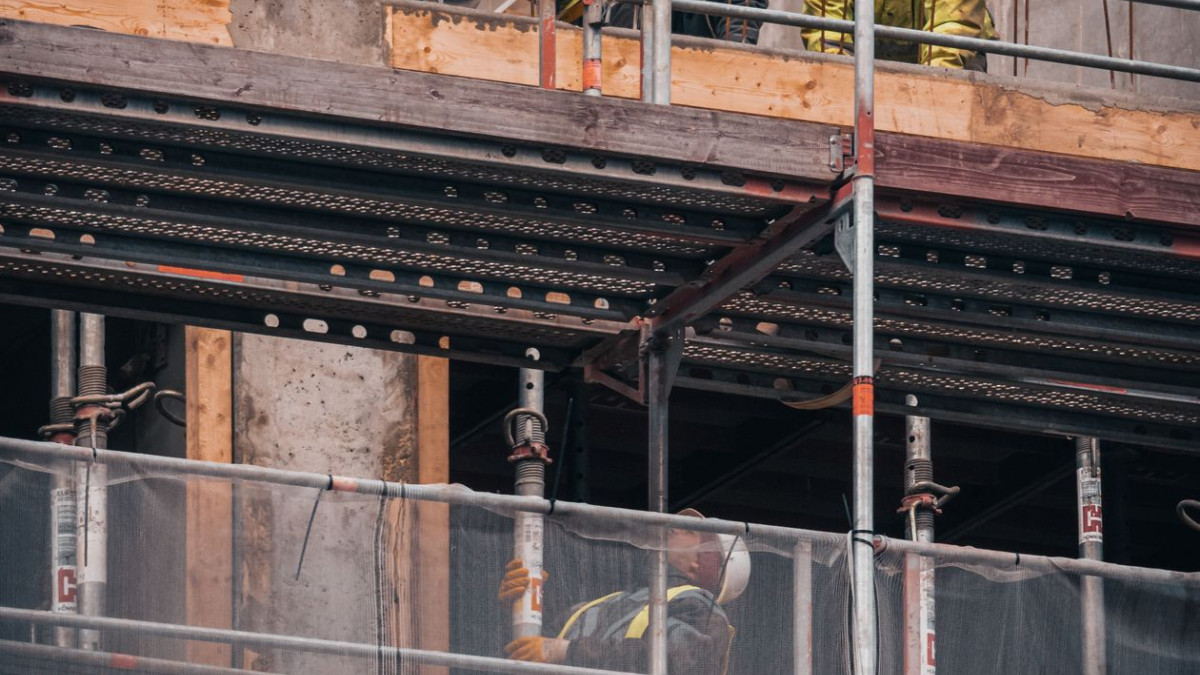
What Determines Fence Installation Cost Per Meter in Saudi Arabia?
When a customer asks, “How much does one meter of fencing cost?” the question sounds simple, but a professional answer cannot be reduced to one number. The cost per linear meter can change significantly depending on the fence type, fence height, wire thickness, mesh opening size, post type, spacing between posts, concrete foundations, soil conditions, corrosion protection, number of corners, site accessibility, project quantity, transport, and labor.
This is why comparing two quotations based only on “price per meter” can be misleading. One quotation may include the mesh and posts only, while another may include excavation, concrete foundations, bracing, transport, installation, alignment, and finishing. The lower number does not necessarily mean the project will cost less after all required work is included.
It is also important to separate three different concepts: the price of the fencing material, the installed price per meter, and the total project cost. The material price does not tell you the cost of posts, excavation, concrete, labor, or transport, while an installed-meter rate may still exclude special work, obstacle removal, long-distance transport, or difficult ground conditions.
This guide from Shobok Rayat Najd explains in detail how fence installation cost per meter is built in Saudi Arabia, how to compare quotations fairly, which factors increase or reduce the price, and what information should be prepared before requesting a quotation. It does not repeat previously covered topics such as farms and rest houses, residential land, sliding and swing gates, industrial storage yards, or fencing around equipment and utility zones.
 Call Now
 WhatsApp
Fence installation cost per meter is usually built from several elements: fence material + posts + accessories + excavation + foundations + labor + transport + site conditions. Knowing the price of the mesh roll alone is not enough to understand the real project cost.
The most influential factors are usually fence type, height, wire thickness, post specification, post spacing, corrosion protection, soil condition, number of corners, and total project length.
A long and regular project on accessible ground can often distribute transport and setup costs across more meters. A short project with many corners, difficult soil, or restricted access may have a higher cost per meter even if the total length is smaller.
To compare two quotations correctly, ask both contractors to price the same technical specification and the same scope of work, then compare included and excluded items rather than looking at the final meter rate alone.

What does “fence installation cost per meter” actually mean?
It usually refers to the cost of completing one linear meter of the fence system, not one square meter of mesh material.
However, the phrase “per meter” is still incomplete because different contractors may include different work items in that number.
One quotation may include only the fence material, posts, and basic installation, while another may also include excavation, foundations, concrete, tension wires, bracing, transport, alignment, and cleanup.
Therefore, the first question after hearing the price should always be: what exactly is included in this figure?
What is the difference between fence-material price and installed price per meter?
The price of the mesh itself represents only one part of the complete fencing project.
A complete system may require posts, braces, tension wire, ties, concrete foundations, excavation, transport, labor, equipment, alignment, and finishing.
Comparing the cost of a roll of mesh with a turnkey installation quotation therefore leads to an inaccurate conclusion.
A professional comparison should be made between two systems with the same specification and the same scope of work.
How does the type of fencing affect the price per meter?
Material quantity, manufacturing method, fixing system, and installation process all change from one fencing system to another.
Chain link fencing differs from welded mesh and rigid-panel systems in the amount of metal used, fabrication method, accessory requirements, and installation technique.
Some systems are supplied in rolls, while others are supplied as panels with fixed dimensions, which changes the number of fixing points and the labor required.
This is why asking for a general “fence price” without identifying the system is not sufficient.
How does wire thickness affect fence cost?
A larger wire diameter usually means more metal is used in each meter of the fence.
Two systems may look similar from a distance but differ in weight, strength, and price because the wire thickness is different.
The quotation should therefore state the wire thickness clearly instead of using general terms such as “heavy-duty mesh” or “premium mesh.”
A measurable technical specification is more useful than a general commercial description.
Does mesh opening size affect the price per meter?
Yes. The opening size affects the amount of wire used and the characteristics of the final fence.
Smaller openings can require more material than a similar system with larger openings.
The opening size should also match the intended function of the fence. Choosing the highest specification without a reason can increase cost unnecessarily, while choosing only the cheapest option may reduce suitability for the project.
Why is fence height one of the biggest pricing factors?
Increasing fence height means more mesh material and longer posts, and may require stronger post sections, larger foundations, or additional bracing.
Higher fencing is also more demanding to handle, tension, align, and install.
For this reason, every “price per meter” should always be linked to a specific final height.
| Factor | How It Changes Cost | What Must Be Defined | Common Comparison Error |
|---|---|---|---|
| Fence Type | Different material and fabrication | Exact system | Comparing different systems |
| Wire Thickness | More metal per meter | Wire diameter | Using “heavy” without a value |
| Height | More material, larger posts and bases | Final fence height | Comparing different heights |
| Mesh Opening | Changes wire quantity | Required opening size | Judging by appearance only |
How do galvanizing and corrosion protection affect fence pricing?
Surface protection is an important part of the total fence-system cost.
Pricing varies according to the level of galvanizing, coating type, and how cut or welded areas are treated.
Two systems may look similar on the installation day but perform differently over time when exposed to weather and environmental conditions.
The finishing and protection specification should therefore be written clearly in the quotation.
How do fence posts determine a large part of the cost?
Posts are not simply repeated components holding the mesh. They are the structural elements that maintain alignment and resist tension.
Cost changes according to post material, section size, wall thickness, length, coating, and fixing method.
A smaller or lighter post may reduce the initial cost, but it may not be suitable for every fence height or project requirement.
Compare post size, thickness, and finish rather than comparing the number of posts alone.
How does spacing between fence posts affect cost?
Shorter spacing means more posts, more foundations, more excavation, and more fixing points for every hundred meters.
Wider spacing reduces the number of posts but must remain suitable for the system design, height, and loading conditions.
Do not compare two quotations where one uses significantly fewer posts without understanding why.

When does bracing increase the cost per meter?
Bracing is usually required at points where the fence needs additional resistance to tension, such as ends or significant direction changes.
Every brace adds material, installation time, and usually another foundation or fixing point.
A long, straight project may require relatively fewer of these points, while an irregular route with many changes may need more.
How do concrete foundations affect the price per meter?
Foundations involve excavation, concrete, labor, time, and sometimes internal transport of materials across the site.
Foundation dimensions depend on the system, soil condition, fence height, and project requirements.
Do not assume that a lower quotation includes the same foundation specification as another quotation.
The fixing method, excavation, and concrete scope should be clearly stated.
How does soil condition change fence installation cost?
Easy-to-excavate soil differs significantly from rocky ground, unstable fill, or ground that requires additional treatment.
In some locations post holes can be completed quickly, while in others every post may require more time or different equipment.
Site photos or an inspection before pricing reduce the risk of later cost changes.
What happens to the price per meter when the ground is uneven?
Changes in elevation can increase measurement, stepping, cutting, alignment, and adjustment work.
A straight route on level ground is faster to execute than a line that continuously rises and falls.
Some sections may also require different treatment to avoid unwanted gaps below the fence.
Clear photos showing changes in elevation are therefore useful when requesting a quotation.
How do corners and end points affect average cost?
Every corner or end point requires more attention than a regular meter in the middle of a straight run.
These points usually require stronger fixing, tension control, and additional support.
A long project with only a few corners is different from a project of the same total length with many direction changes.
This is why the route drawing matters, not only the total length.
How does total fence length affect the price per meter?
Every project includes relatively fixed costs such as crew mobilization, equipment movement, and site setup.
In a longer project, these costs can be distributed across more meters.
A very short project may therefore have a higher average cost per meter because the same setup and transport costs are divided across a smaller quantity.
It is not always fair to compare the rate for a 30-meter project with the rate for a project extending hundreds of meters.
Why can larger quantities change the average fence cost?
Quantity affects how materials are purchased, how transport is distributed, and how labor is organized.
Larger quantities can also allow a repetitive and more efficient workflow with less lost time between stages.
However, quantity alone does not guarantee a lower unit cost if the work is divided across multiple locations or involves difficult site conditions.
| Project Condition | Possible Effect on Meter Cost | Reason | Information Needed |
|---|---|---|---|
| Long Straight Route | May be more efficient | Repeated installation process | Length and route plan |
| Many Corners | May increase | More bracing and fixing | Route drawing |
| Difficult Ground | May increase | Excavation time and equipment | Photos and site inspection |
| Very Small Quantity | Average may increase | Fixed costs spread over fewer meters | Actual quantity |
How does site accessibility affect fence cost?
Easy access for trucks, workers, and equipment is very different from a site where vehicles cannot reach the full fence route.
If materials must be carried manually for long distances inside the project, labor hours increase.
Different vehicles or equipment may also be required when internal site roads are unsuitable.
How does transport enter fence pricing?
Mesh rolls, posts, and accessories are relatively large or long materials and require suitable transportation.
Distance from the supplier or warehouse to the project, number of trips, and material volume all affect transport cost.
The quotation should make it clear whether transport is included in the meter rate or priced separately.
How do labor and installation time affect price?
A clear, open, well-organized site allows the installation team to work more efficiently.
Sites with continuous interruptions, access permits, limited working hours, or manual material movement require more time.
This is why the cost per meter cannot be completely separated from real site operating conditions.
When does equipment usage affect installation cost?
Some sites can be completed with light equipment and standard tools, while others may require drilling, breaking, lifting, or other specialized machinery.
Keeping equipment on site for longer periods adds operating and mobilization cost.
Ground condition and fixing method therefore directly influence equipment requirements.
Is removal of an old fence included in the price per meter?
Not necessarily.
Removing old mesh, posts, foundations, and waste is a separate activity that can require labor and equipment.
If an existing fence is present, it should be disclosed before pricing so removal does not become an unexpected additional cost after the project starts.

How does preparation of the fence route affect cost?
The installation route must be accessible and workable.
Debris, obstacles, stored materials, or dense vegetation may require additional preparation before excavation begins.
Do not assume full route clearing is included unless it is specifically written into the scope.
Why is the technical specification more important than the meter price alone?
Because the price has little meaning if you do not know exactly what you are buying.
A good specification identifies fence type, height, wire thickness, opening size, post type, post dimensions, spacing, bracing, surface protection, and fixing method.
When the same specification is sent to several contractors, pricing differences become much easier to analyze.
A general phrase such as “supply and install fence” leaves too much room for quality differences between quotations.
What should a fencing BOQ include?
The BOQ can separate the fencing by linear meter, posts by type, braces, tension wires and accessories, foundations, excavation, concrete, transport, installation, and finishing.
Any additional work should appear as a clear item rather than being hidden inside a total figure.
A good BOQ also makes future quantity changes easier and reduces disagreement over what is inside the project scope.
| BOQ Item | Measurement Unit | What Should Be Defined? | Why It Matters |
|---|---|---|---|
| Fence Mesh | Linear meter | Type, thickness, height | Avoid specification mismatch |
| Posts | Number | Section, thickness, spacing | Define structural system |
| Foundations | Number / meter by system | Dimensions and installation method | Define civil work |
| Transport | Item | Included or separate | Avoid unexpected cost |
| Installation | Linear meter | Excavation, tensioning, alignment | Clarify labor scope |
How do you compare two fence quotations fairly?
Place the quotations side by side by work item instead of comparing only the final total.
Review fence type, thickness, height, posts, post spacing, foundations, galvanizing, transport, civil work, execution period, and exclusions.
If the specifications are different, the price difference cannot automatically be treated as a saving.
Ask for revisions until the comparison becomes genuinely like-for-like.
Which items may not be included in the initial meter price?
Items that need clarification may include transport, debris removal, route preparation, rock treatment, after-hours work, specialized machinery, or additional work caused by significant level differences.
These items are not present in every project, but they should be identified before contract approval.
A clear quotation should describe exclusions as carefully as inclusions.
Does the lowest meter price always mean the cheapest project?
Not necessarily.
A lower rate may come from lighter specifications, fewer posts, different surface protection, or excluded work.
Correcting alignment, tension, premature corrosion, or incomplete civil works later may increase the total lifecycle cost.
The better decision is to compare the complete system cost for the required specification rather than searching for the smallest isolated number.
How is fence length measured before pricing?
The actual fence route is measured in linear meters. The land area in square meters does not directly represent the amount of fencing required.
Simple sites can sometimes be calculated from clear dimensions, while irregular properties require more accurate measurement.
Drawings and site measurements help identify total length, corners, and changes in level instead of relying on visual estimates.
How can you build a simple model to understand fence cost?
Break the project into cost components rather than treating it as one number.
A simple way to understand the structure is:
Project Cost=Fence Material + Posts & Accessories + Civil Work + Labor + Transport + Special Site Conditions
Then:
Average Cost Per Meter=Total Fence-Scope Cost ÷ Total Installed Linear Meters
This formula is a way to understand the cost structure and is not a substitute for an actual project quotation.
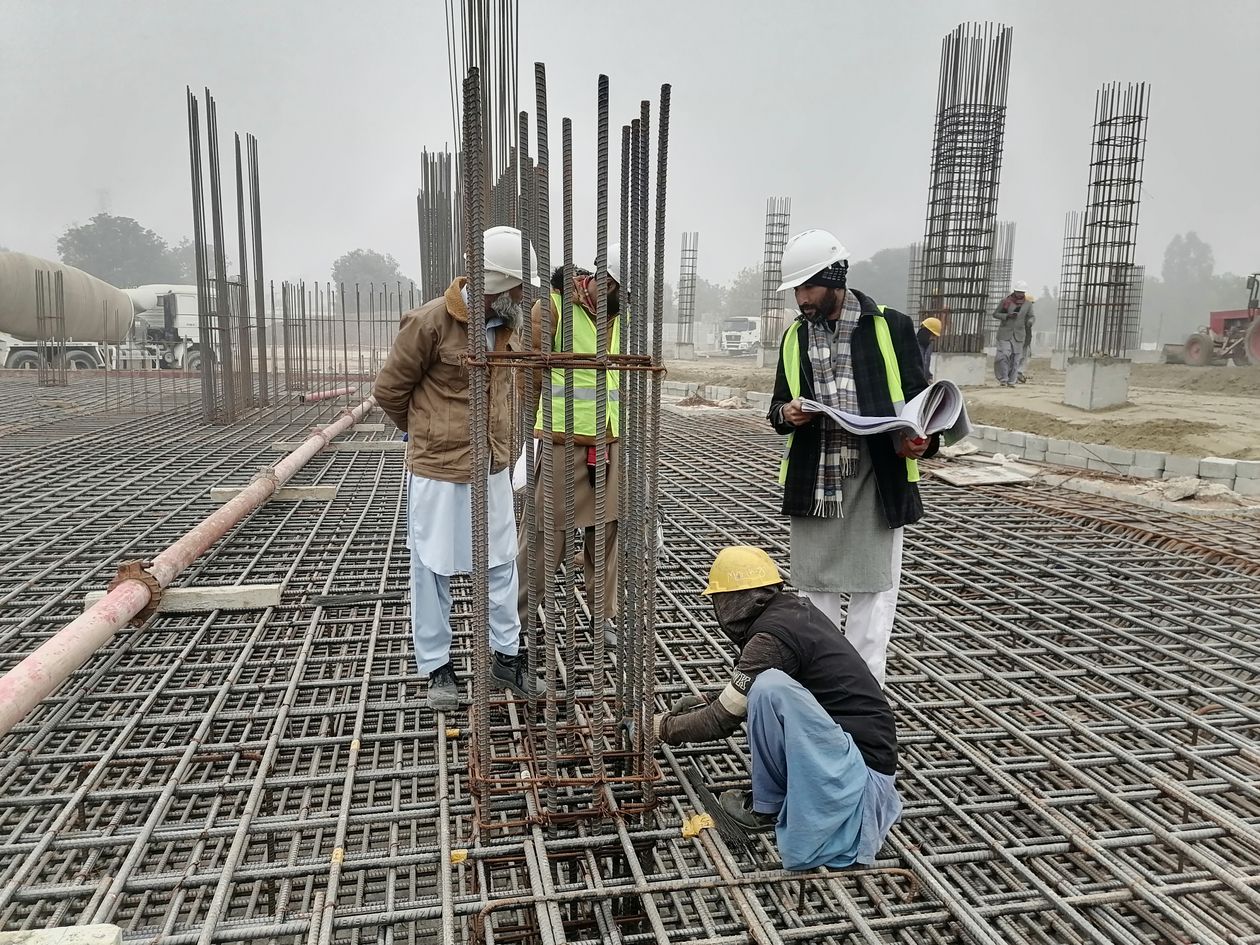
What information should you send to receive a more realistic quotation?
Send the city or project location, approximate total length, required height, fence type if already selected, route photographs, and visible ground conditions.
Include a drawing if one is available.
Clarify whether the site is already operational, whether access is restricted, and whether installation is limited to specific working hours.
Every clear detail reduces assumptions in the quotation.
Need to estimate fencing cost per meter based on your actual project specification instead of a general market figure? Send the approximate length, height, and route photos for a clearer evaluation.
What are the most common mistakes when pricing fencing?
The first mistake is asking for a meter price without identifying the fence type.
The second mistake is not defining fence height.
The third mistake is using terms such as “heavy mesh” without specifying wire thickness.
The fourth mistake is comparing two quotations with different wire diameters.
The fifth mistake is ignoring post size and wall thickness.
The sixth mistake is not comparing post spacing.
The seventh mistake is assuming foundations are identical in every quotation.
The eighth mistake is ignoring ground conditions.
The ninth mistake is sending total length without a drawing showing corners and direction changes.
The tenth mistake is not explaining slopes or level differences.
The eleventh mistake is assuming transport is included.
The twelfth mistake is not identifying old-fence removal.
The thirteenth mistake is not clarifying route preparation work.
The fourteenth mistake is choosing the lowest quotation without checking corrosion protection.
The fifteenth mistake is failing to define end posts and bracing.
The sixteenth mistake is comparing material-only pricing with supply-and-install pricing.
The seventeenth mistake is using a previous project's rate even though the specification is different.
The eighteenth mistake is failing to state whether quantities are final or approximate.
The nineteenth mistake is accepting a general quotation without a BOQ or clear scope.
The twentieth mistake is treating price per meter as the only measure of project quality and total cost.
What should you check before accepting a fence price per meter?
Fence Mesh:
☐ Type is defined.
☐ Wire thickness is defined.
☐ Height is defined.
☐ Mesh opening is defined.
☐ Surface finish is defined.
Posts:
☐ Post type is defined.
☐ Section size is defined.
☐ Wall thickness is defined.
☐ Post spacing is defined.
☐ Bracing is defined.
Foundations:
☐ Fixing method is clear.
☐ Excavation is included or clearly excluded.
☐ Concrete is included or clearly excluded.
☐ Ground conditions are understood.
Site:
☐ Actual route length is known.
☐ Corners are known.
☐ Level differences are known.
☐ Site access is understood.
☐ Obstacles are identified.
Transport:
☐ Transport is included or separated.
☐ Project location is defined.
☐ Additional trips have been considered where relevant.
Labor:
☐ Installation is included.
☐ Tensioning and alignment are included.
☐ Final cleanup is clarified.
Quotation:
☐ Included items are clearly listed.
☐ Exclusions are written.
☐ Quantity is clear.
☐ Specification can be compared with other quotations.
☐ No vague descriptions replace measurable requirements.
How does price per meter change across different project scenarios?
Long Project on Level Ground
Repetitive installation and a regular route reduce lost time between different installation conditions.
Transport and site-setup costs can also be distributed across more meters.
Short Project with Heavy Specification
A small quantity does not automatically mean a low cost per meter.
Heavy mesh, larger posts, and stronger foundations can keep the unit cost high.
Route with Many Direction Changes
Additional corners and ends increase the number of bracing points and details that require careful alignment and tensioning.
Rocky Site
Excavation may require more time or different equipment compared with easier ground.
Remote Project Location
Transport, labor movement, and equipment logistics become a larger part of the project cost.
Existing Site Requiring Old-Fence Removal
Dismantling, removing old material, and disposing of waste should be added if those activities are not included in the main scope.
| Scenario | Main Factor | Possible Effect | What to Verify |
|---|---|---|---|
| Long and Straight | Execution efficiency | Better average cost | Final quantity |
| Rocky Ground | Excavation | More labor or machinery | Site inspection |
| Remote Site | Transport | Higher logistics cost | Project location |
| Many Corners | Bracing and detailing | Relative increase | Route drawing |
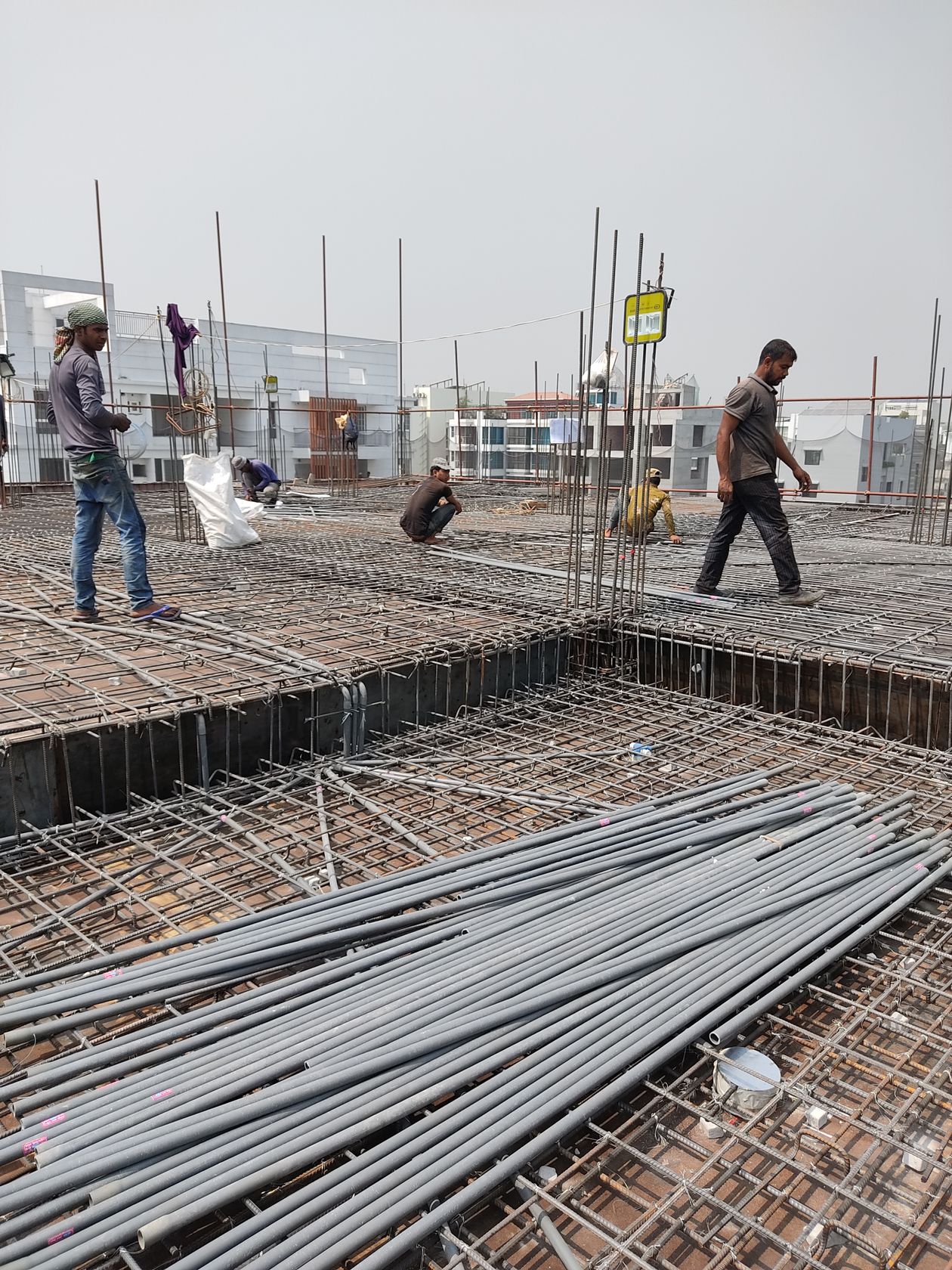
What are the most common questions about fence installation cost per meter?
1. Is there a fixed fence price per meter in Saudi Arabia?
No. One number cannot represent every project because price changes with specification, site conditions, civil work, quantity, and transport.
2. Does the meter price include only the mesh?
It depends on the quotation. Confirm whether posts, foundations, installation, and transport are included.
3. Which factor increases cost the most?
There is no single factor in every project, but fence type, height, wire thickness, posts, foundations, and site conditions are among the most important.
4. Does increasing fence height increase the cost?
Usually yes, because it increases mesh quantity and may require stronger posts or foundations.
5. Is wire thickness important in pricing?
Yes. It affects the amount of metal and the technical specification of the system.
6. Why can two quotations for the same length be very different?
They may differ in fence type, wire thickness, posts, foundations, finishing, transport, and included work.
7. Do longer projects have a lower meter rate?
They can be more efficient because fixed costs may be spread across more meters, but the final result still depends on project conditions.
8. Does rocky soil increase the cost?
It can increase excavation time or require additional equipment compared with easier soil.
9. Does the number of corners matter?
Yes. Corners and end points generally need more support and careful tensioning than straight sections.
10. Is transport included in the meter price?
Do not assume it is. The quotation should state clearly whether transport is included or priced separately.
11. Is removal of the old fence included?
It should normally be identified as a separate item when dismantling, removal, and waste handling are required.
12. What is the benefit of a BOQ for fencing?
It clarifies quantities, specifications, and the work items that form the price and makes quotation comparison more accurate.
13. Can fencing be priced from photos only?
Photos can support an initial estimate, but drawings, accurate measurements, or a site inspection are better for complex projects.
14. How do I know if a lower quote uses a weaker specification?
Compare wire thickness, height, post dimensions, post spacing, foundations, and corrosion protection item by item.
15. Does galvanizing affect the cost?
Yes. The protection level and finishing method are part of the material and manufacturing cost.
16. Does land area determine fencing cost?
The main quantity for fencing is the actual perimeter or route length, not the land area alone.
17. Should post spacing be written in the contract?
Yes. It affects the number of posts and foundations and is part of the installation specification.
18. What information is needed before requesting a price?
Length, height, location, fence type if known, route photos, drawings, and visible ground conditions.
19. Is it best to choose the cheapest quotation?
It is better to compare the full specification, total project cost, and execution scope instead of choosing the lowest meter rate alone.
20. How can I get a more accurate meter price?
Send a clear specification, measurements, route photos, and request a quotation that clearly lists all included items and exclusions.
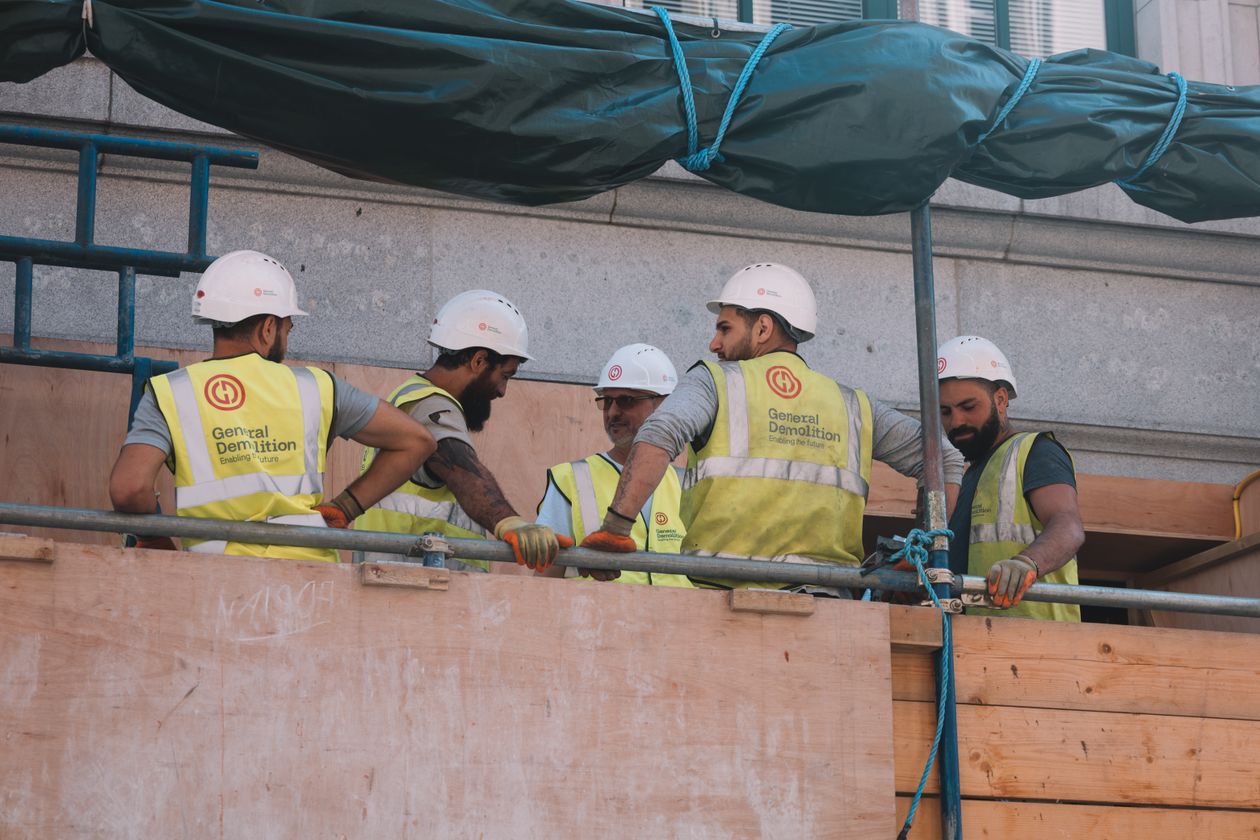
What is the final approach to calculating fence installation cost per meter?
Do not begin with the number before defining the specification.
Separate material price from installed price per meter.
Define the exact fence type.
Define wire thickness and mesh opening size.
Define the final fence height.
Review galvanizing or surface-protection requirements.
Define post dimensions and wall thickness.
Define spacing between posts.
Review required bracing at corners and ends.
Clarify the fixing method and foundations.
Review soil condition before approving the final price.
Clarify slopes and elevation changes.
Provide the route plan and number of corners.
Do not compare a very short project with a large project using meter price alone.
Review how quantity affects transport and setup efficiency.
Clarify how easily equipment can access the site.
Confirm whether transport is included.
Define any removal, clearing, or preparation work.
Use a clear BOQ instead of a general “supply and installation” description.
Compare quotations using the same technical specification.
Review exclusions as carefully as included items.
Do not assume the cheapest quotation offers the lowest final cost before understanding why the price is lower.
Calculate the average meter rate only after the full execution scope is known.
At Shobok Rayat Najd, fencing is priced according to the actual project specification and site conditions rather than a generic meter rate. Fence type, height, wire thickness, posts, foundations, route, ground condition, transport, and installation requirements are reviewed together to create a clearer scope of work and help customers understand what they are paying for and compare quotations more accurately.
الوسوم # أسعار تركيب الشبوك # أسعار الشبوك في السعودية
This post is part of a series called Post