



Posted in تصوير الأجنحة, تصوير المعارض on نوفمبر 05, 2026
Exhibition Booth Coverage in Saudi Arabia

How to Plan Professional Exhibition Booth Coverage in Saudi Arabia
Filming an exhibition or conference booth is not simply a matter of recording the stand design and company logo. A booth is an active commercial and communication environment that changes continuously throughout the day. It may include visitor reception, business meetings, product or service demonstrations, VIP visits, team interviews, audience interaction, branding details, and ongoing conversations that represent the real value of the company's participation.
Some companies finish a major exhibition with only a few photos of the booth while it is empty and a short video showing visitors walking past. The problem is that this material often fails to communicate what actually happened, who visited the booth, how the audience interacted, what the team presented, or why the company's participation was commercially important.
Professional booth coverage begins before the exhibition opens. The media team should understand the purpose of the booth, the key visual attractions, scheduled speakers or demonstrations, expected VIPs, important messages, and the final deliverables needed for publishing. A Shot List and movement plan can then be prepared so the booth is captured while empty, active, crowded, during meetings, and during important moments without interrupting the work of the booth team or disturbing visitors.
This guide explains a practical approach to exhibition booth coverage in Saudi Arabia, from site inspection and shot planning to booth photography, branding, visitors, meetings, interviews, vertical content, file management, and final delivery. The focus is on building a useful media library during and after the exhibition without repeating previously covered topics such as multi-camera conference filming, product launches, outdoor events, sports festivals, or same-day editing.
 Call Now
 WhatsApp
Do not wait until the booth is crowded to begin filming. Allocate time before visitors arrive to capture the architecture, branding, displays, screens, products, furniture, and movement paths. Then return to the same areas later when the booth is active.
Divide the coverage into six main areas: booth design, branding, team, visitors, interaction, and key moments. This prevents the final library from becoming dozens of similar images of the booth façade.
If the content will be used on TikTok, Instagram, Snapchat, LinkedIn, and other platforms, plan both horizontal and vertical capture from the start instead of relying entirely on cropping horizontal footage later.
The quality of exhibition coverage should not be measured only by the number of images or clips. The real value is whether the company can later use the content for reports, websites, public relations, social media, sales presentations, participation archives, and future exhibition marketing.
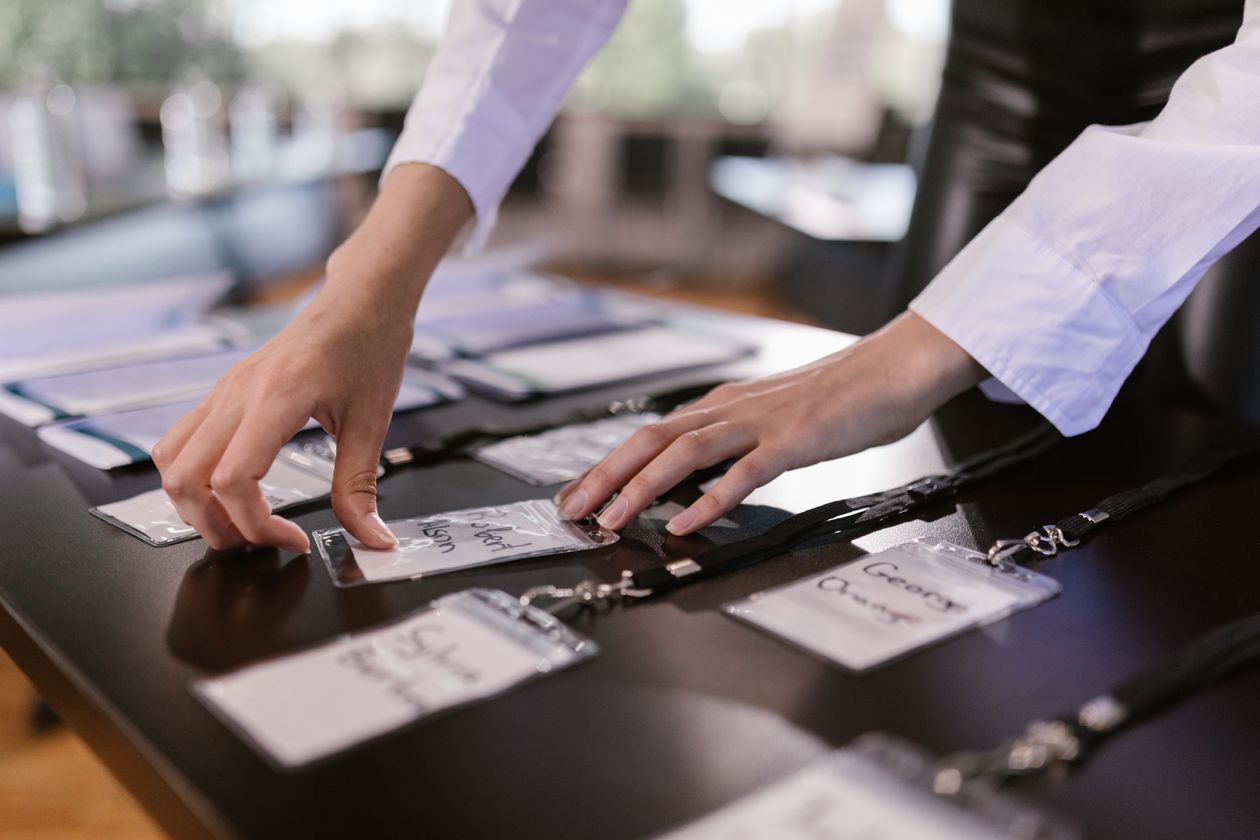
Why does exhibition booth coverage require a different approach from general event photography?
A booth is a relatively compact space containing many visual and commercial messages at the same time. There may be a logo, architectural design, digital screens, products, staff, visitors, meetings, and interactive areas.
In general event photography, the photographer can often move around searching for the strongest visual moment. Inside a booth, the media team should already understand what must be documented because many important moments happen quickly within a limited space.
The business objective is also more specific: prove participation, show engagement, support public relations, highlight solutions, document relationships, and create assets that remain useful after the exhibition.
How do you define coverage objectives before turning on the camera?
Start by asking why the company is participating in the exhibition.
The objective may be introducing a new brand, conducting B2B meetings, attracting partners, presenting technical solutions, meeting existing customers, or documenting official participation.
Each objective changes the visual priorities. If commercial relationships are the focus, meetings and human interaction become essential. If booth design is important, architectural shots and design details receive greater priority.
What information should be collected from the client before the exhibition?
Collect the exhibition name, venue, hall, booth number, access times, operating hours, schedule, speaker names, products or services being highlighted, and any expected VIP, official, customer, or partner visits.
Ask about the required deliverables as well. Does the company need photography only, a main video, daily social content, interviews, vertical clips, or a complete participation recap?
The clearer the Brief, the lower the risk of returning from the exhibition with visually attractive content that does not serve the client's actual communication goals.
How do you perform a booth Site Recce?
Inspect the main entrance, visitor-flow areas, lighting direction, screens, meeting zones, walkways, interview backgrounds, and key branding locations.
Also check whether visually strong neighboring booths may appear in the background and whether columns, signage, or structures block useful camera angles.
The inspection helps identify the best clean booth angles before visitors arrive, as well as suitable interview positions and movement paths that will not interfere with staff.
How do you build a Shot List that prevents important content from being missed?
Divide the list by content category instead of writing dozens of unrelated shots.
Include categories for booth design, details, branding, visitors, team, meetings, demonstrations, VIP visits, and interviews.
Mark which shots must be captured before opening and which require specific people, demonstrations, or busy periods.
| Category | Example Shots | Best Time | Purpose |
|---|---|---|---|
| Booth | Façade, wide angles, pathways | Before visitors arrive | Show the design |
| Interaction | Explanation, discussion, demonstration | Peak periods | Show activity |
| Meetings | Handshake, discussion, presentation | According to schedule | Show commercial value |
| Team | Reception, teamwork, presentations | Before and during peak hours | Humanize the brand |
Why should the booth be photographed while empty?
Because the company needs clean documentation of the design before visitor traffic covers important visual elements.
Capture the main façade, wide angles, screens, furniture, product displays, and lighting while the space is organized and unobstructed.
These images are useful for the booth designer, contractor, public-relations team, website, and corporate archive. Later, active visitor shots will demonstrate engagement.
How do you photograph booth architecture properly?
Use clean, balanced angles whenever possible and pay attention to vertical lines.
Capture a Wide Shot showing the relationship between the entrance, display areas, and meeting spaces, then move into details such as materials, lighting, graphics, and custom design features.
Do not rely only on one front-facing image of the logo. A booth is a spatial experience and the photography should show how that space functions.
How do you document branding without repeating the logo dozens of times?
Capture branding in context: a logo above the entrance, a branded screen, a team member wearing branded clothing, a product beside a visual identity element, or a meeting with the brand naturally visible in the background.
Mix Hero Shots with smaller details such as brochures, badges, printed materials, colors, and visual patterns.
The objective is for the brand to remain present throughout the content without turning the entire gallery into isolated logo shots.
How should products or solutions inside the booth be captured?
If the product is physical, photograph it on its own and again while someone is using, demonstrating, or discussing it.
If the company presents a digital service, focus on the screen, interface, presenter, and customer interaction with the solution.
Avoid placing the product in an extremely cluttered background where the viewer does not know where to look.
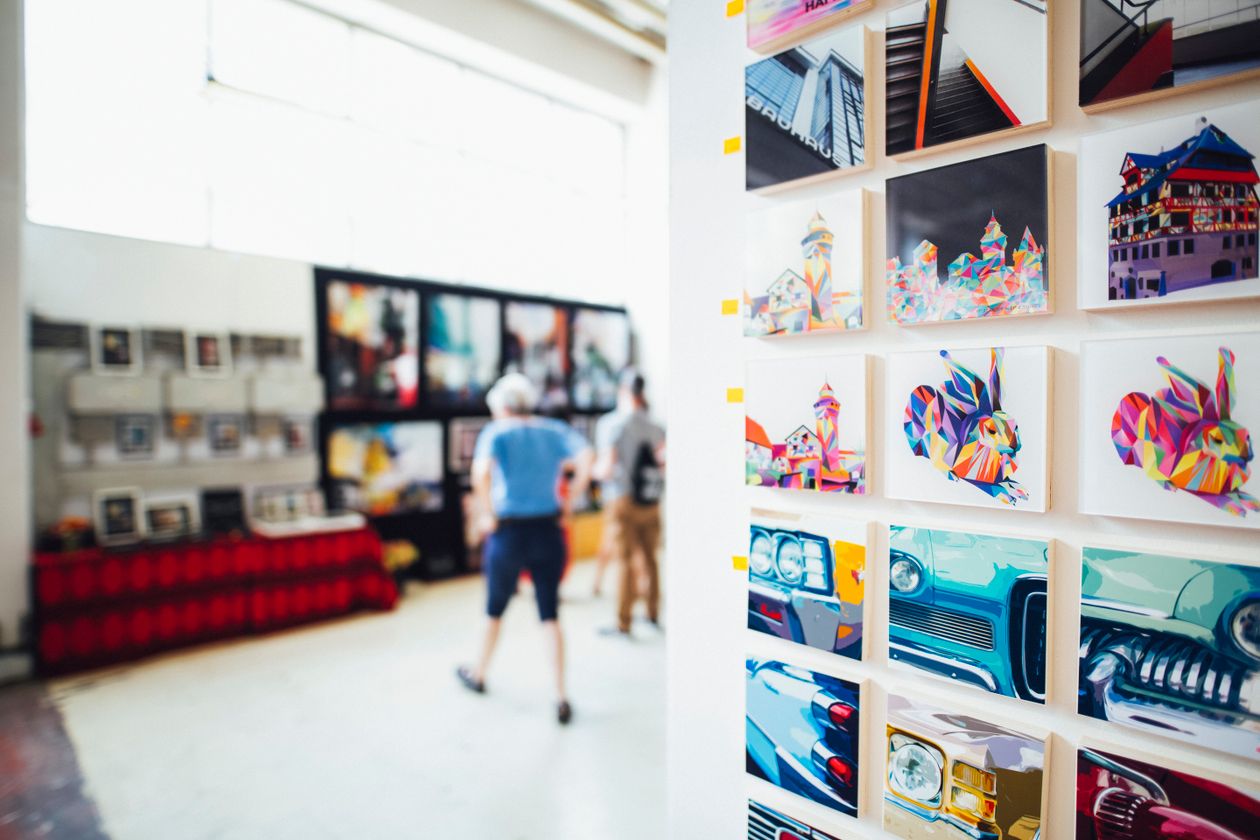
How do you photograph the booth team without making every image look staged?
Begin with one organized team portrait when time allows, but prioritize images of the team actually working.
Capture reception, conversations with visitors, explanations, meetings, demonstrations, and coordination between team members.
Natural working images often have greater value than repeatedly asking everyone to pose because they communicate the real activity taking place.
How do you capture visitors naturally without disturbing them?
Use wide and medium angles to show people entering, browsing, and interacting, then move closer when a clear moment deserves attention.
Avoid suddenly placing the camera directly in front of a visitor during an active commercial conversation.
Look for genuine expressions of interest, listening, product use, handshakes, and discussion.
Which shots prove that the booth was active and interactive?
Capture live explanations, screen use, product trials, registration, brochure exchange, conversation, questions, and groups gathering around demonstrations.
These scenes make the exhibition recap feel alive because they connect people to the space.
Combine a Wide Shot showing attendance with close and medium shots showing what visitors are actually doing.
How do you document B2B meetings inside the booth?
Identify in advance which meetings may be documented.
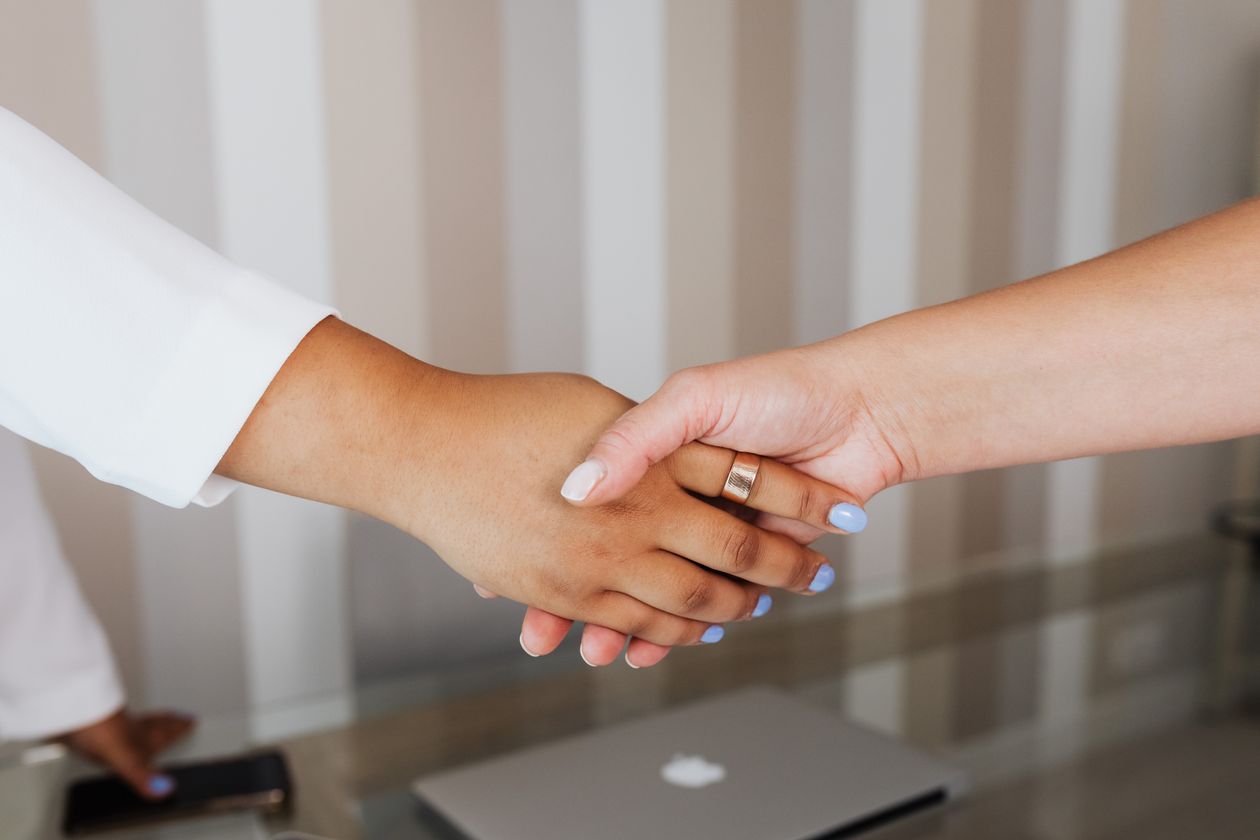
Capture opening moments such as greetings and handshakes, followed by medium shots of discussion and presentations.
Avoid clearly capturing sensitive documents or screens that contain confidential information.
Do not remain inside the meeting space longer than necessary. The objective is to document the commercial interaction without interfering with it.
How should VIP or official visits be covered?
Know the expected arrival time, name or title, and visit path whenever possible.
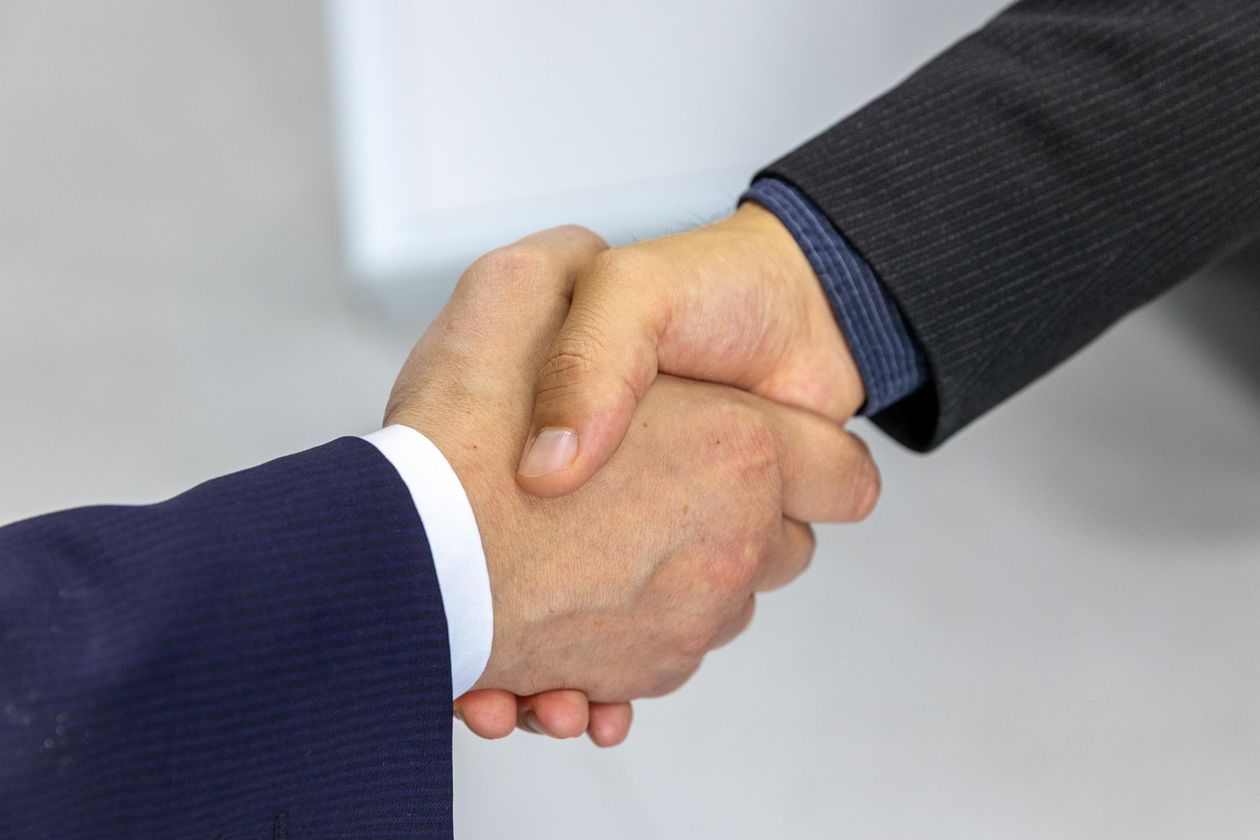
Prepare a camera position that captures the welcome and handshake without blocking the booth entrance.
Capture the team's explanation, reactions, the group photograph where appropriate, and the continuation or departure of the visit.
Do not depend on discovering the visit after it has already started.
How do you film a booth demonstration or live Demo?
Understand in advance what will happen and what the key moment is.
Capture the presenter, product or screen, user interaction, hands, and audience reactions.
If the demonstration is short and cannot easily be repeated, make sure the camera position and settings are ready before it starts.
Do not film only the screen. The complete story includes presenter, content, and audience.
How do you handle LED walls and digital screens inside the booth?
Test how the screen appears on camera before the exhibition opens.
Screens may be much brighter than people's faces, so exposure should be balanced carefully to retain useful information while keeping people properly visible.
Watch for Flicker or scanning lines in video.
If screen content is important to the final edit, obtain the original digital material afterward instead of relying entirely on filming the screen itself.
How do you record short interviews inside an exhibition booth?
Choose an angle where part of the booth identity is visible without making the background excessively busy.
Keep the interview focused: what does the company provide, why is it participating, what is being showcased, and what should visitors know?
Interviews may feature management, speakers, or team members depending on the communication objective.
Because exhibition halls are noisy, use a microphone close to the speaker instead of depending on the camera's built-in microphone.
How do you deal with noise inside exhibitions and conferences?
Exhibition halls are challenging audio environments because of music, announcements, large displays, conversations, and neighboring booths.
For interviews, use an appropriate Lavalier or another close microphone.
Record Ambient Sound as well because it helps communicate the atmosphere of the exhibition in the final video.
Ambient sound should not replace clean direct interview audio.
| Scene | Visual Priority | Audio Priority | Common Mistake |
|---|---|---|---|
| Interview | Clean branded background | Close, clear voice | Relying on camera microphone |
| Demo | Presenter + product | Explanation where relevant | Filming only the screen |
| Busy Booth | Movement and interaction | Ambient | Static shots only |
| Meeting | Handshake and discussion | Not always required | Interrupting the conversation |
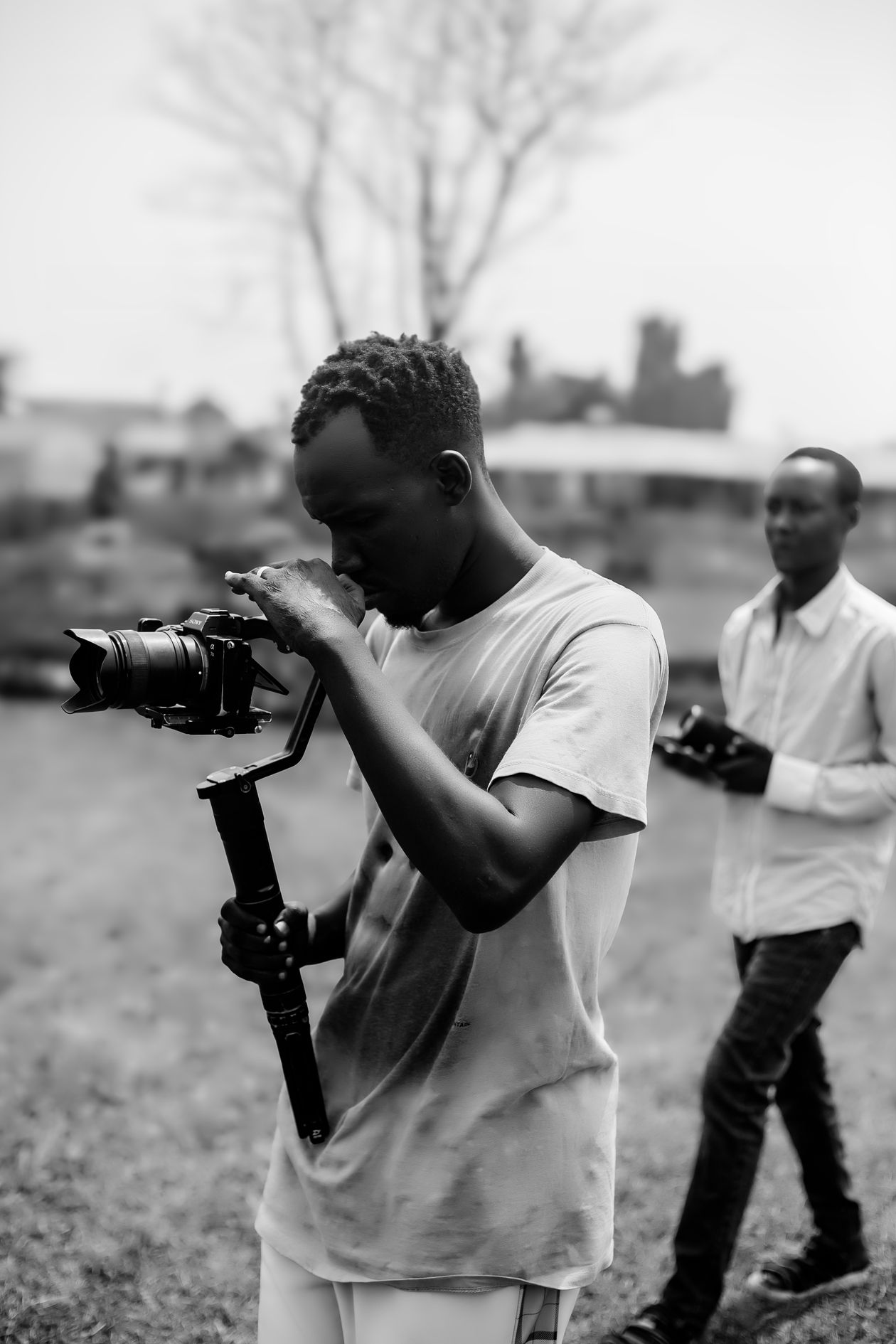
What B-Roll should be collected inside the exhibition?
Capture hall walkways, exhibition signage, visitor arrivals, logos, brochures, devices, hands using products, screens, reactions, handshakes, conversations, booth details, name badges, and general movement.
B-Roll is what connects scenes together in the final video.
Excellent interviews without enough B-Roll can still result in a visually limited edit.
How do you plan vertical content inside the booth?
Do not rely on cropping every horizontal clip afterward.
Capture dedicated 9:16 footage of visitors, team members, branding, demonstrations, details, and short interviews.
Leave practical safe areas at the top and bottom of the frame for platform interfaces and text overlays where required.
Vertical footage can be used during and after the exhibition for Reels, TikTok, Snapchat, and Stories.
What is the right still-photography plan for an exhibition booth?
Capture both horizontal and vertical photographs.
Photograph the complete booth, the team, meetings, visitor interaction, design details, demonstrations, and important guests.
Do not use the same lens and distance for every image. Variety is important for websites, social media, reports, and corporate presentations.
How do you show a busy booth without making the scene look chaotic?
Use a slightly elevated or side angle that shows visitor volume while keeping the company branding visible.
Avoid filming only when the entrance is completely blocked and the booth identity disappears behind people.
Capture a Wide Shot for scale and follow it with Medium Shots that explain what visitors are actually doing.
How should filming time be divided throughout the exhibition day?
Before opening: booth architecture, details, screens, and products.
Beginning of the day: staff arrival and first visitors.
Peak periods: interaction, crowd activity, and demonstrations.
Scheduled periods: meetings, VIP visits, interviews, and planned presentations.
Before closing: additional coverage and any missing Shot List items.
How should photographers move inside the booth without disrupting operations?
Understand the walkways and working areas before the event begins.
Do not stand in front of a screen that staff members are using for a presentation and do not block the entrance when visitors arrive.
Use lenses and working distances that allow natural interaction to be captured without entering everyone's personal space.
Continuous coordination with the booth manager helps prevent conflict between media coverage and sales activity.
How should privacy be handled during meetings and visitor coverage?
Identify meetings or areas where photography is restricted.
Avoid recording documents or screens containing sensitive information in a readable way.
If someone asks not to appear, respect the request and coordinate with the booth team.
For formal or official coverage, the media team should know which guests and figures require priority documentation.
How do you manage photos and video when the exhibition lasts several days?
Organize media by day, camera, and content type.
For example: DAY1_PHOTO, DAY1_VIDEO, INTERVIEWS, VIP, BOOTH_EMPTY, and SOCIAL_VERTICAL.
Do not place every file into one folder and depend on memory after several days of shooting.
Create regular backups according to project size and review cards before reusing them.
What deliverables can be created from one booth-coverage project?
A professional image library, main booth video, participation recap, interviews, vertical clips, short daily content, VIP photographs, and focused content for products or services can all be produced from the same exhibition.
These deliverables should preferably be defined before the event because each one requires a slightly different Shot List.
| Deliverable | Required Material | Use | Priority |
|---|---|---|---|
| Main Video | Booth + visitors + team | Website and PR | High |
| Reels | Dedicated 9:16 footage | Social media | High |
| Interviews | Clean audio + suitable background | Brand messaging | According to plan |
| Photo Library | All coverage categories | Reports and media | High |
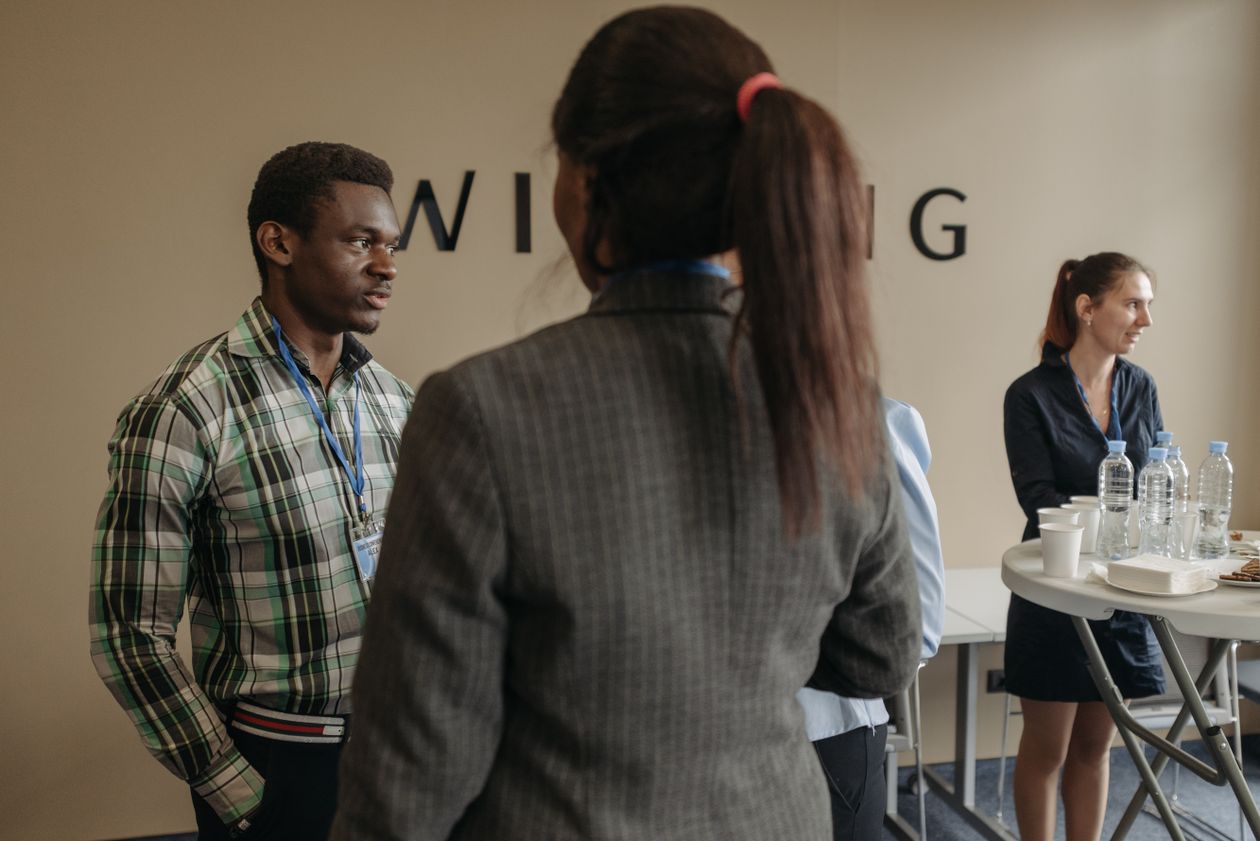
How do you evaluate the quality of booth coverage after the exhibition?
Are there clear images of the booth while empty and while active?
Is the branding visible naturally throughout the material?
Are there genuine scenes of interaction, meetings, and presentations?
Were VIP visits and major moments documented?
Is there both horizontal and vertical content?
Can the final material be used across several platforms after the exhibition?
What factors affect exhibition booth coverage cost?
Exhibition duration, working hours, booth size, crew size, photography and video requirements, interviews, vertical content, number of deliverables, and required delivery timeline all influence cost.
Coverage requirements also increase when a company has multiple booths or participates across more than one hall.
A dense schedule of meetings and VIP visits may require additional coordination or crew capacity to avoid missing key moments.
Quotations should therefore be compared by scope, crew, and deliverables rather than by photographer hours alone.
How do you build a full-day operating plan inside the exhibition?
Begin before opening with clean booth photography.
After doors open, document the first wave of visitors.
Schedule interviews away from the noisiest periods where possible.
Record important meetings, demonstrations, and visits in a clear schedule.
Review the Shot List during the middle of the day to identify missing elements.
Before leaving, confirm that all essential scenes have been captured and the media is organized and backed up.
Participating in an exhibition or conference and need professional coverage of your booth, visitors, meetings, interviews, and vertical content?
What are the most common mistakes in exhibition booth coverage?
The first mistake is starting after visitors arrive and failing to capture the clean booth.
The second mistake is focusing on the logo while ignoring activity and interaction.
The third mistake is filming the booth from one angle throughout the day.
The fourth mistake is forgetting dedicated team photographs.
The fifth mistake is not knowing the timing of important visits.
The sixth mistake is showing crowd size without capturing what visitors are actually doing.
The seventh mistake is filming sensitive meetings without coordination.
The eighth mistake is recording screens containing information not intended for publication.
The ninth mistake is relying on the camera microphone for interviews.
The tenth mistake is filming everything horizontally and trying to create all vertical content later.
The eleventh mistake is choosing a visually busy interview background.
The twelfth mistake is arriving late to a demonstration without understanding its key moment.
The thirteenth mistake is collecting too little B-Roll.
The fourteenth mistake is blocking visitor walkways or the booth entrance.
The fifteenth mistake is filming the booth only when empty.
The sixteenth mistake is filming only during peak traffic and missing design details.
The seventeenth mistake is working without a clear deliverables list.
The eighteenth mistake is mixing all exhibition-day media into one folder.
The nineteenth mistake is not creating organized backups.
The twentieth mistake is leaving the exhibition without reviewing the Shot List for missing scenes.
What is the complete exhibition booth coverage checklist?
Before the Exhibition:
☐ Exhibition name and venue confirmed.
☐ Hall and booth number confirmed.
☐ Access and operating times confirmed.
☐ Participation objectives understood.
☐ Deliverables defined.
Shot List:
☐ Full booth.
☐ Brand identity.
☐ Products or services.
☐ Team.
☐ Visitors.
☐ Meetings.
☐ Interaction.
☐ Interviews.
Before Visitors Arrive:
☐ Wide Shots.
☐ Main angles.
☐ Screens.
☐ Details.
☐ Products.
During Operations:
☐ Visitor movement.
☐ Explanations and interaction.
☐ Meetings.
☐ Handshakes.
☐ Peak traffic.
VIP Coverage:
☐ Names known.
☐ Timing known.
☐ Camera position planned.
☐ Group photo planned where needed.
Interviews:
☐ Suitable background.
☐ Clear audio.
☐ Questions prepared.
☐ Branding visible.
Vertical Content:
☐ Dedicated 9:16 capture.
☐ Safe Area considered.
☐ Team and visitor scenes.
☐ Details and screens.
Photography:
☐ Horizontal and vertical images.
☐ Team.
☐ Visitors.
☐ Design.
☐ Details.
Media Management:
☐ Each day separated.
☐ Photography and video separated.
☐ Interviews separated.
☐ Backup created.
Before Leaving:
☐ Shot List reviewed.
☐ VIP coverage reviewed.
☐ Interviews reviewed.
☐ No essential content is missing.
How should coverage change according to booth type?
Technology Company Booth
Prioritize digital screens, demonstrations, user interaction, team interviews, and technical discussions.
The photographer should understand what each screen is showing so unimportant or repetitive interfaces do not dominate the content.
Government Entity Booth
Official visits, identity, delegations, presentations, and structured documentation receive greater priority.
The media team should coordinate in advance regarding officials and moments that require priority.
Real Estate Booth
Models, masterplans, displays, digital screens, and customer meetings become major elements.
Combine Close-ups of details with Wide Shots showing the full booth.
Industrial Company Booth
The technical product or physical model is important, but the footage should also show the person explaining its function and the visitor interacting with it.
Consumer Brand Booth
Visitor experience, reactions, trials, and social-friendly moments become more important.
Short-form vertical content should be a major part of the coverage plan.
High-Value B2B Booth
Meetings, delegations, handshakes, and executive interviews may be more valuable than showing general visitor volume.
The content should communicate professionalism, credibility, and relationship-building rather than crowd size alone.
| Booth Type | Coverage Priority | Key Shots | Main Risk |
|---|---|---|---|
| Technology | Demo and interaction | Screen + user | Screens without context |
| Government | Official documentation | VIP visits and delegations | Missing key moments |
| Consumer | Audience experience | Reactions and trials | Artificial promotional shots |
| B2B | Meetings and relationships | Handshakes and discussions | Interrupting meetings |
What are the most common questions about exhibition booth coverage in Saudi Arabia?
1. Is one photographer enough to cover a booth?
It depends on booth size, exhibition duration, and required deliverables. If photography, video, interviews, and vertical content are required simultaneously, more than one crew member may be necessary.
2. When should coverage begin?
Part of the coverage should begin before visitors arrive so the booth can be documented cleanly, followed by active coverage during operating hours.
3. Do we need coverage on every exhibition day?
If the schedule, visitors, or activities differ by day, full coverage may be valuable. If the content is almost identical each day, priority days can be selected.
4. What is the difference between booth coverage and covering the whole exhibition?
Booth coverage focuses on one brand, its visitors, objectives, and participation. Full exhibition coverage documents the wider event.
5. Do we need photos of the booth while empty?
Yes. They clearly document the design and branding before visitor traffic begins to cover important visual elements.
6. Should visitors be photographed constantly?
No. The objective is to capture genuine and varied interaction, not simply collect as many faces as possible.
7. How should business meetings be photographed?
Coordinate with the booth manager and focus on greetings, handshakes, and discussion without capturing sensitive information or interrupting the meeting.
8. Are booth interviews important?
Yes, when the company needs a clear message from management or team members explaining the participation and what is being presented.
9. How should exhibition noise be handled?
Use microphones close to the speaker and choose the interview position carefully, while capturing ambient sound separately where useful.
10. Can Reels be produced from the same coverage?
Yes, but dedicated vertical 9:16 footage should ideally be captured from the start.
11. Should the logo appear in every shot?
No. Branding should appear naturally throughout the coverage rather than forcing the logo into every frame.
12. How do you make the booth look busy?
Use a wide angle that shows visitor volume while keeping the brand visible, then add closer interaction shots.
13. What if an important guest arrives without notice?
The booth manager should maintain direct communication with the media team whenever possible so the photographer can be alerted immediately.
14. Should products be filmed separately?
If they are an important part of the participation, yes. Capture the product alone and also while it is being demonstrated or used.
15. How should an interview background be selected?
Choose a background that includes recognizable branding but remains visually controlled and not excessively busy.
16. Is a Gimbal required throughout the day?
No. It can be useful for selected moving shots, while many scenes may work better with a stable camera or limited handheld movement.
17. How should exhibition files be organized?
Organize them by day, camera, and content type such as photography, interviews, vertical content, and important visits.
18. Is photo delivery alone enough?
It depends on the objective. Some companies need only a professional photo library, while others need a main video, social content, and interviews.
19. What increases exhibition coverage cost?
Number of days, operating hours, crew size, photography and video requirements, interviews, vertical content, and number of deliverables.
20. What information is required to price booth coverage?
Exhibition name, location, number of days, operating hours, booth size, participation type, required deliverables, number of interviews, expected VIP visits, and photography and vertical-video requirements.
What is the final approach to professional exhibition booth coverage?
Start with the objective of the company's participation, not with camera specifications.
Understand what the brand needs to prove through its exhibition presence.
Collect schedules, meetings, demonstrations, and important visits before the exhibition begins.
Inspect the booth and identify useful camera positions, walkways, and interview backgrounds.
Build a Shot List divided into booth design, branding, team, visitors, interaction, meetings, and key moments.
Capture the booth before visitors arrive.
Capture it again during peak activity.
Document booth architecture using both wide shots and details.
Keep branding visible naturally instead of repeatedly isolating the logo.
Show the product or solution while it is being demonstrated or used.
Capture team members while working, not only in group photographs.
Photograph visitors naturally without interfering with their experience.
Coordinate important meetings and VIP visits in advance.
Understand each demonstration before filming so the key moment is not missed.
Monitor screen exposure and Flicker when recording LED and digital displays.
Use direct microphone capture for interviews in noisy exhibition environments.
Collect more B-Roll than you initially expect to need.
Capture dedicated vertical content instead of depending entirely on horizontal cropping.
Produce both horizontal and vertical photography for different publishing needs.
Show visitor traffic together with clear branding and genuine activity.
Move through the booth without interfering with staff, customers, or presentations.
Respect privacy and avoid exposing sensitive information in meetings and screens.
Organize media by day and content type.
Define final deliverables before the exhibition so the team captures the correct material for each output.
At EVENT LIVE, exhibition and conference booth coverage is treated as a complete content-production workflow. It begins with understanding the purpose of participation, audience, and key messages, then moves into Shot List planning, booth inspection, design photography, branding, team coverage, visitors, meetings, demonstrations, interviews, photography, and vertical content. The final goal is to transform the exhibition presence into a structured media library that can continue supporting marketing, public relations, reporting, and digital publishing after the event has ended.
This post is part of a series called Post