


Rayat Najd | Landscaping & Tree Planting
Soil Preparation Before Planting Trees in Riyadh: A Complete Technical Guide
A healthy tree begins below ground. Before its canopy provides shade, before its branches develop, and before it becomes part of a completed landscape, its roots must be able to grow through soil that provides sufficient air, moisture, structural support, and access to nutrients.
In Riyadh, preparing soil for tree planting requires careful attention to existing ground conditions. A site may contain compacted construction fill, sandy material, calcareous soil, elevated salinity, restricted drainage, buried rubble, or several different soil layers across the same property.
These conditions cannot be corrected reliably by adding a bag of fertilizer or replacing the soil in a small planting hole.
Successful preparation begins with understanding the soil profile, evaluating drainage, checking the root zone, and selecting suitable improvements based on evidence.
The same method does not apply to every location. A residential villa garden, commercial landscape, public walkway, and large development site may each have different constraints.
This guide from Rayat Najd Landscaping explains how to assess and prepare soil before planting landscape trees in Riyadh, with practical guidance on compaction, drainage, salinity, soil amendments, planting holes, root-ball positioning, and project quality control.
 Call Now
 WhatsApp
Quick Answer: How Should Soil Be Prepared Before Planting Trees in Riyadh?
Start with a site inspection and soil assessment. Identify the existing soil layers, remove construction debris, evaluate compaction, and investigate whether the soil drains properly.
Where site conditions justify it, test soil pH, electrical conductivity, texture, and relevant chemical properties. If irrigation water quality may affect the planting, assess that as well.
Prepare a broad, suitable rooting area rather than relying only on a narrow planting pit. Position the tree at the correct depth, protect the root flare, and avoid burying the trunk.
Use soil amendments only when they address a documented limitation, and establish a realistic aftercare plan suited to the species, soil, and site.
The central principle is simple: prepare the surrounding root environment, not just the hole that receives the tree.
1. Why Is Soil Preparation Essential Before Planting Trees?
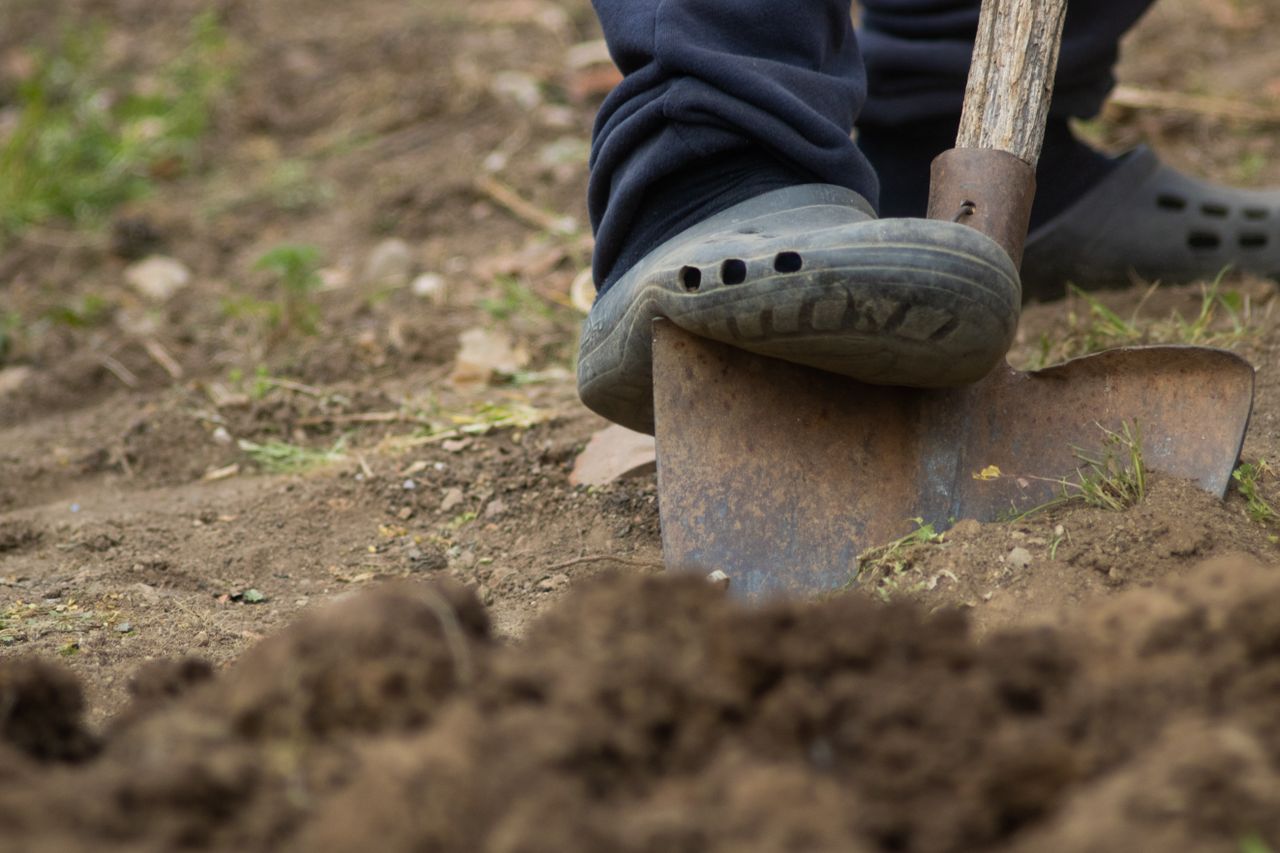
Trees depend on their root systems for anchorage, water absorption, nutrient uptake, and interaction with the soil environment.
A tree may initially look healthy because it carries stored reserves from the nursery. However, if its roots cannot expand beyond the original root ball, long-term growth can become restricted.
Common underlying problems include compacted soil, prolonged saturation, insufficient available water, excessive salts, and unsuitable planting depth.
Preparing the root environment before planting is usually more practical than attempting major soil corrections around an established tree.
This is especially relevant in constructed landscapes where excavation, vehicle movement, building work, and imported fill may have altered the original soil.
Effective preparation creates conditions that support root expansion into the surrounding ground rather than simply providing a temporary pocket of improved material.
2. What Types of Soil Conditions Are Common in Riyadh?
Riyadh sites can contain different combinations of sandy, silty, gravelly, and calcareous materials. The actual soil profile varies with location, previous land use, natural geology, and construction activity.
Some properties contain undisturbed ground, while others have layers of imported fill or mechanically compacted material.
Construction sites may also contain buried concrete fragments, mortar, debris, and mixed soil horizons.
These conditions influence drainage, aeration, root penetration, and the effectiveness of future soil improvements.
It is therefore inaccurate to assume that every Riyadh garden contains identical desert soil or that one amendment recipe will work throughout the city.
Site-specific investigation is the correct starting point.
3. How Should the Planting Site Be Assessed?
A preliminary assessment should identify the intended planting locations and the conditions that may restrict root development.
Review the site's slope, existing drainage, paved surfaces, utility corridors, building foundations, and the amount of accessible soil.
Look for evidence of previous construction, disturbed fill, persistent wet patches, or visible salt accumulation.
If the project contains multiple planting zones, do not assume that a single observation represents the entire property.
A sunny courtyard with imported fill may require a different response from a deeper landscape bed nearby.
Document each zone before determining the appropriate preparation method.
4. When Is Soil Sampling Necessary?
Soil sampling helps identify chemical and physical conditions that are not always visible during a site inspection.
Testing becomes especially useful when trees have repeatedly failed, soils appear saline, the project uses imported fill, or the planting site includes visibly different soil layers.
Samples should represent the areas and depths relevant to the intended root zone.
Avoid combining material from clearly different conditions into one sample if doing so would hide important variations.
A suitable laboratory may evaluate soil texture, pH, electrical conductivity, and other properties based on the suspected constraints.
Interpretation should consider the proposed tree species and the laboratory method used.
5. Which Physical Soil Properties Matter Most?
Before selecting fertilizers or amendments, understand how the soil physically behaves.
Important characteristics include particle-size distribution, structure, compaction, pore space, infiltration behavior, and the ability to retain plant-available water.
A soil can contain nutrients but still support poor root growth if it remains excessively compacted or saturated.
Likewise, a coarse-textured soil may allow water to move rapidly yet provide limited storage between irrigation events.
These physical characteristics influence how the planting area should be prepared.
| Soil Property | Why It Matters | Possible Problem | Assessment |
|---|---|---|---|
| Texture | Influences water retention and drainage | Too little available water or slow permeability | Particle-size assessment |
| Compaction | Influences air and root movement | Restricted rooting | Profile inspection and suitable field tests |
| Drainage | Controls water residence in the root zone | Prolonged saturation | Infiltration and profile assessment |
| Soil Structure | Affects pore continuity | Poor aeration or weak aggregation | Field examination |
| Rooting Depth | Determines usable soil volume | Shallow hard layer or rubble | Test excavation |
6. How Does Soil Texture Affect Tree Establishment?
Soil texture refers to the relative proportions of sand, silt, and clay.
Sandy soils generally have larger particles and may permit relatively rapid drainage, although actual behavior depends on compaction and the arrangement of the soil layers.
Clay-rich soils can retain more water but may become poorly aerated under certain conditions.
Neither texture is automatically unsuitable for tree planting.
The important question is whether the selected tree can establish roots and access sufficient water and oxygen in the actual site conditions.
Do not automatically mix large quantities of sand into clay soil or clay into sandy soil without evaluating the resulting physical properties.
Poorly designed amendments can create new problems instead of correcting the original limitation.
7. Why Is Soil Structure Different From Texture?
Texture describes the sizes of soil particles, while structure describes how those particles are arranged into aggregates and pore spaces.
Two soils with similar texture may behave differently if one has stable aggregates and continuous pores while the other is severely compacted.
Good soil structure helps water infiltrate and allows air exchange around roots.
Repeated machinery movement and inappropriate handling of wet soil can damage structure.
Soil preparation should therefore protect suitable existing structure rather than treating every planting area as material that must be completely excavated and replaced.
8. How Should Compacted Soil Be Treated?
Compaction reduces soil pore space and can restrict root penetration, aeration, and water movement.
It is common to investigate compaction in areas used for construction traffic, equipment storage, or repeated vehicle movement.
The response depends on the severity and depth of the problem.
For some sites, carefully planned loosening of the wider rooting zone may help. Other situations may require removal of unsuitable material or more extensive remediation.
Any loosening activity should avoid damaging underground services and existing roots.
Do not operate heavy machinery over freshly prepared planting soil, because subsequent compaction can undo the improvement.
9. Why Is Drainage Critical for Tree Roots?
Tree roots require oxygen for normal functioning.
When soil pores remain filled with water for prolonged periods, oxygen availability can become restricted.
This can impair root health even when the soil contains adequate nutrients.
Drainage problems may result from a dense underlying layer, compacted fill, poorly graded land, or an enclosed planting pit.
A deeper hole does not necessarily solve poor drainage. In some conditions, it can collect water and worsen saturation around the root ball.
The drainage behavior of the wider soil profile should therefore be understood before planting.
10. How Can Soil Infiltration Be Evaluated?
A field infiltration assessment can provide useful evidence about how quickly water enters and moves through the soil.
However, a simple planting-hole water test is only a screening tool and may not reveal deeper soil restrictions or seasonal conditions.
A reliable investigation should consider the soil layers, site grading, previous moisture conditions, and potential drainage outlets.
If a drainage problem is suspected, use an assessment method suited to the project rather than assuming one universal drainage-rate threshold applies to all trees and soils.
The outcome should guide whether the project needs grading improvements, an engineered drainage solution, a raised planting area, or a different planting location.
11. How Does Soil pH Affect Tree Planting?
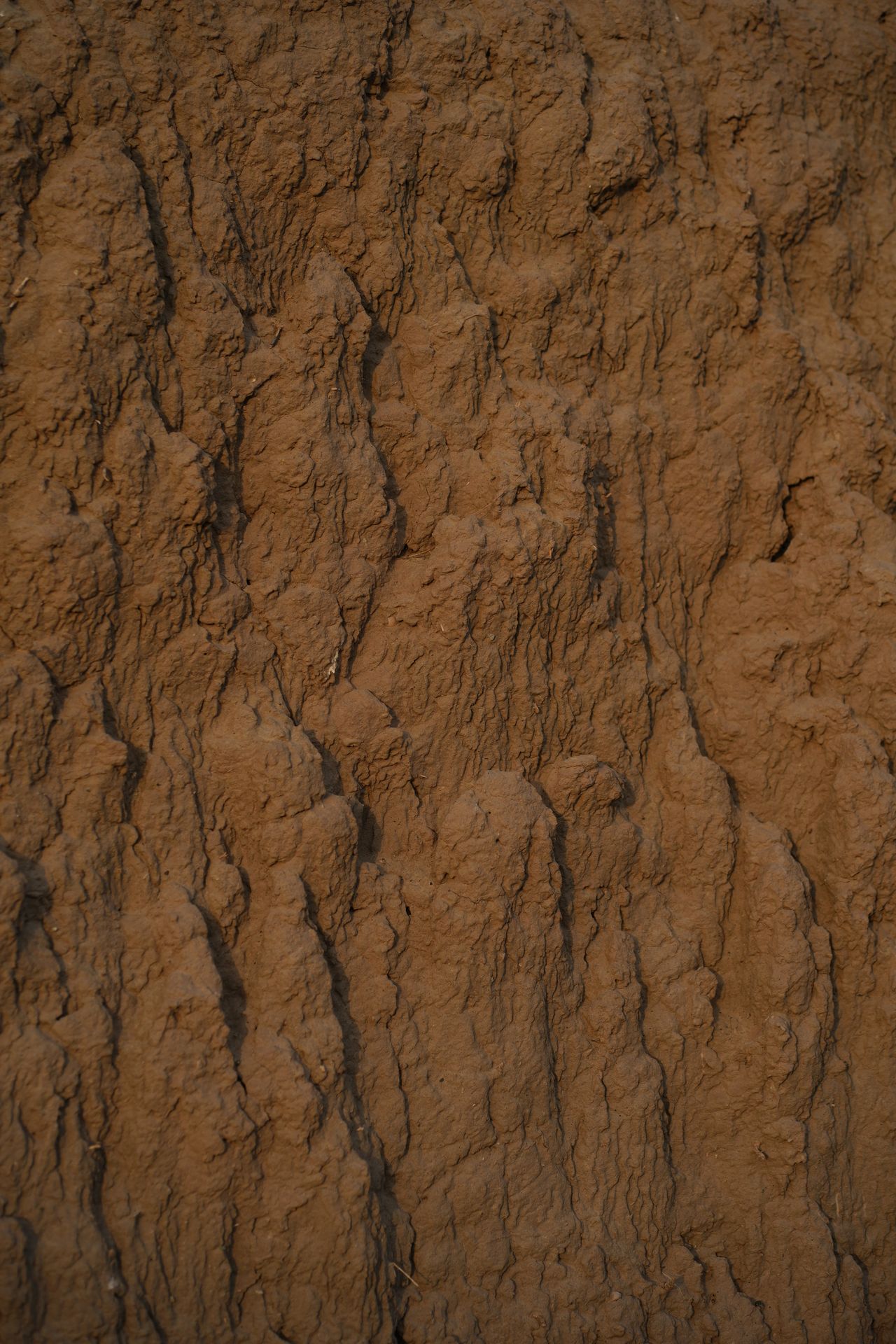
Soil pH is a measure of acidity or alkalinity.
It affects the chemical availability of nutrients and can influence the suitability of a planting site for particular tree species.
Alkaline conditions occur in many arid and calcareous environments, but the actual pH should be measured rather than assumed.
A high pH does not automatically make a soil unusable.
Some landscape trees are adapted to alkaline conditions, while others may experience nutrient-availability problems.
Species selection and soil management should therefore be informed by measured conditions.
12. What Are Calcareous Soils?
Calcareous soils contain appreciable quantities of calcium carbonate.
They are common in many arid environments and can be associated with alkaline soil conditions.
Calcium carbonate influences soil chemistry and can affect the availability of certain nutrients, including iron in susceptible plant species.
However, the presence of calcium carbonate does not mean that all trees will fail or that the entire soil profile must be replaced.
The practical response is to evaluate the soil, match tree species to the conditions, and apply targeted management where a specific limitation exists.
13. How Does Soil Salinity Affect Tree Establishment?
Soil salinity refers to the concentration of dissolved salts within the soil solution.
Excessive salinity can make water uptake more difficult for roots and may cause additional stress depending on the salts involved and the tree species.
Salinity risk can arise from natural soil conditions, irrigation water, poor drainage, or salt accumulation over time.
A laboratory measurement of electrical conductivity can help characterize salinity, but interpretation depends on the laboratory procedure.
For example, electrical conductivity measured in a saturated-paste extract should not be treated as numerically interchangeable with a reading from a different soil-to-water extraction ratio.
Remediation requires understanding the water supply, drainage conditions, salt concentrations, and tolerance of the selected trees.
14. What Is the Difference Between Saline and Sodic Soil?
Salinity and sodicity describe different soil problems.
Salinity concerns the concentration of soluble salts.
Sodicity concerns excessive exchangeable sodium relative to other cations, which can degrade soil structure and reduce infiltration in susceptible soils.
A site can be saline, sodic, both, or neither.
These conditions require different diagnostic and management considerations.
Applying a soil amendment without understanding which problem exists may waste resources or create new difficulties.
15. Why Should Irrigation Water Quality Be Tested?
Even well-prepared soil can deteriorate if the irrigation water repeatedly introduces excessive salts or creates unfavorable chemical conditions.
Relevant water-quality considerations may include electrical conductivity, sodium-related indices, and particular ions that affect sensitive plants.
The appropriate analysis depends on the water source and intended landscape.
Where salinity or infiltration problems are suspected, evaluate soil and irrigation water together.
This helps avoid treating a soil symptom while leaving the original cause unchanged.
| Test or Parameter | Purpose | Interpretation | Potential Action |
|---|---|---|---|
| Soil pH | Assess acidity or alkalinity | Species-dependent | Match species and nutrient management |
| Electrical Conductivity | Evaluate dissolved salt concentration | Depends on test method and plant tolerance | Review water, drainage, and salinity management |
| Sodium-Related Properties | Identify possible sodicity concerns | Requires appropriate chemical assessment | Consider targeted reclamation if justified |
| Soil Texture | Assess particle-size distribution | Influences water and air movement | Adjust rooting-zone design as needed |
| Organic Matter | Assess organic material in soil | Evaluate alongside physical conditions | Consider suitable amendment strategy |
| Irrigation Water Quality | Check long-term chemical inputs | Depends on source and tree requirements | Coordinate water and soil management |
16. What Role Does Organic Matter Play in Soil Preparation?
Organic matter can influence soil structure, biological activity, nutrient cycling, and water-related properties.
In some planting projects, suitable mature compost or other approved organic materials can be useful components of a broader soil-improvement program.
However, adding excessive organic matter to a small planting pit can create a sharp difference between the amended hole and the surrounding soil.
That contrast may affect moisture distribution and root growth.
Where amendment is justified, consider the wider rooting area and use suitable material at an appropriate rate based on soil evaluation.
Avoid undecomposed manure, contaminated compost, or materials with unknown salt content.
17. Should Sand, Compost, or Other Amendments Be Added?
There is no universal amendment mixture for all tree planting sites in Riyadh.
The decision must begin with the problem being corrected.
If the main limitation is compaction, physical remediation may be more relevant than fertilizer.
If the soil is highly saline, adding organic material alone may not address the salts.
If drainage is restricted by an underlying impermeable layer, placing sand or gravel in the bottom of the planting hole does not automatically solve the problem.
For many landscape trees, suitable existing soil can be used for backfilling after appropriate site preparation.
Use imported or engineered soils where the project conditions and design justify them, and verify their physical and chemical suitability before placement.
18. When Is Gypsum an Appropriate Soil Amendment?
Gypsum supplies calcium and sulfate and can be useful in certain soil-reclamation situations.
It is sometimes considered when sodicity is contributing to poor soil structure and an appropriate reclamation plan is available.
However, gypsum is not a universal treatment for alkaline soil, nor does it automatically eliminate soluble salts.
Its usefulness depends on soil chemistry, the cause of the problem, water quality, and the availability of suitable drainage.
Do not apply large quantities of gypsum simply because the project is located in Riyadh or because a basic test shows alkaline conditions.
A laboratory-supported recommendation is more defensible than a fixed universal application rate.
19. Should Fertilizer Be Added Before Planting?
Fertilizer should address an identified nutrient requirement, not serve as a substitute for proper soil preparation.
Newly planted trees often need a stable root environment more urgently than a large fertilizer application.
Excessive fertilizer, especially when concentrated around newly installed roots, can create unwanted salt stress.
Where nutrient deficiencies are suspected, appropriate soil and plant requirements should guide the fertilizer program.
Avoid placing concentrated fertilizer directly beneath or against the root ball unless an approved planting specification explicitly requires a compatible treatment.
The safest decision is a measured, species-appropriate nutrient plan.
20. Why Should the Entire Rooting Zone Be Prepared?
A tree's root system is not intended to remain confined to the dimensions of the nursery container.
Successful establishment requires roots to expand into the surrounding landscape soil.
If the planting hole contains loose material but the adjacent soil is severely compacted, root extension may remain limited.
For this reason, major planting projects should consider the usable volume and physical continuity of the wider root zone.
Connected planting beds may provide better opportunities for root expansion than isolated pits surrounded by dense paving or compacted fill.
The required soil volume depends on the expected mature tree size, species, site constraints, and design objectives.
21. How Wide and Deep Should a Tree Planting Hole Be?
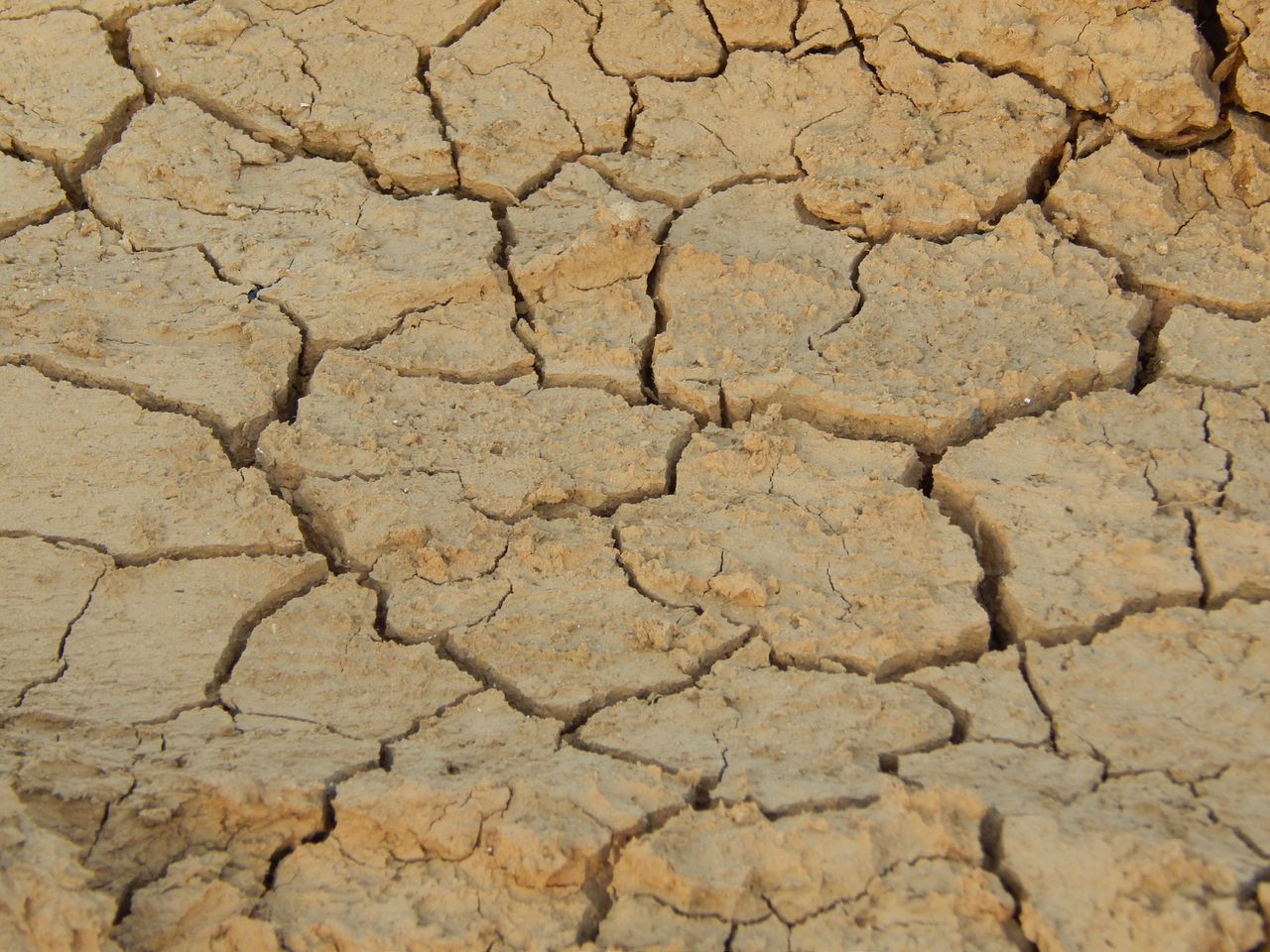
The planting hole should be designed around the actual root-ball dimensions and the condition of the surrounding soil.
A commonly used approach for many landscape trees is to create a hole substantially wider than the root ball, often approximately two to three times its width where site conditions permit.
However, this is a general guideline rather than a universal engineering specification.
The hole should not be deeper than necessary to position the root flare at the intended finished grade.
The bottom should provide stable support beneath the root ball so that the tree does not settle excessively after planting.
Where soil drainage is poor, simply digging deeper may create a water-collecting pocket.
The correct dimensions must be coordinated with root-ball shape, site grading, drainage, species requirements, and the landscape design.
22. Why Is Root-Flare Positioning Important?
The root flare is the region near the base of the trunk where the main structural roots begin to extend outward.
For most conventional landscape-tree planting situations, this area should not be buried deeply beneath soil or mulch.
Excessive planting depth can contribute to poor root-zone conditions and undesirable moisture around the lower trunk.
Before setting the final planting depth, inspect the root ball because nursery soil may already cover the true root flare.
Position the tree according to the actual flare and the approved planting detail rather than measuring depth from the top of an inaccurately filled nursery container.
Correct planting depth is one of the most important quality checks during installation.
23. What Should Be Checked Before Installing the Root Ball?
A tree should be inspected before it enters the planting hole.
Review root-ball integrity, visible root health, trunk condition, container or wrapping materials, and the presence of potentially circling or defective roots.
Container-grown and field-grown trees may require different handling procedures.
The appropriate treatment of wrapping, containers, and structural roots depends on the production system and the tree's condition.
Avoid damaging major roots through uncontrolled cutting.
Where significant root defects are present, the project should consider whether corrective treatment is appropriate or whether the plant should be rejected.
A high-quality planting operation begins with a suitable tree and healthy root system, not only a prepared hole.
24. How Should Soil Be Backfilled Around the Tree?
Backfilling should provide suitable contact between the root ball and the surrounding soil while avoiding excessive compaction.
Where the existing soil is suitable, using the excavated soil is often appropriate for many conventional tree installations.
Large differences between planting-hole backfill and surrounding soil should be avoided unless an engineered design justifies them.
Backfill gradually and eliminate major air voids using an appropriate technique.
Do not compact the soil so aggressively that the newly prepared root zone loses its pore space.
Check that the tree remains at its intended grade and that the root flare has not become buried during backfilling.
25. Should Mulch Be Applied After Planting?
A suitable organic mulch layer can help moderate surface conditions, reduce some evaporative losses, and protect soil from direct exposure.
The material should be appropriate for the site and free from problematic contamination.
Apply mulch over the intended surface area without piling it against the trunk.
The depth should be compatible with the material, soil conditions, and planting specification.
Avoid creating a mound that buries the root flare or traps persistent moisture around the trunk base.
Mulch is a supporting management measure, not a replacement for drainage, soil structure, or root-zone preparation.
| Planting Component | Recommended Principle | Common Error | Inspection Priority |
|---|---|---|---|
| Planting Hole Width | Provide space for root expansion | Narrow, confined pit | Compare with root-ball width |
| Planting Depth | Set the root flare correctly | Buried trunk base | Check flare position |
| Root-Ball Support | Maintain a stable bearing surface | Excessive settlement | Check bottom preparation |
| Backfill | Use suitable soil and avoid extreme compaction | Unbalanced amendment or dense packing | Inspect material and placement |
| Mulch | Protect soil surface and keep trunk clear | Mulch piled against the trunk | Check surface finish |
26. How Can the Prepared Root Zone Be Protected?
Prepared soil can quickly lose its benefits if construction vehicles, material deliveries, or repeated foot traffic compact it again.
Protect the planting zone from unnecessary loading and maintain clear access routes for equipment.
Where planting occurs during a larger construction project, coordinate the sequence of excavation, soil preparation, and landscape installation.
Avoid storing heavy materials on the future root zone.
If the soil becomes severely disturbed after preparation, reassess the affected areas before planting.
Good project coordination can prevent avoidable remediation costs.
27. How Should Soil Preparation Account for Utilities and Foundations?
Tree planting locations should be coordinated with underground services, structural foundations, irrigation infrastructure, and paved surfaces.
A large planting hole or wider soil-loosening operation may conflict with hidden utilities if the site has not been properly reviewed.
Root development should also be considered in relation to the mature size of the selected tree.
Avoid positioning a large-growing species in a confined strip where adequate root volume cannot be provided.
The planting plan should balance tree health, operational access, structural requirements, and long-term landscape maintenance.
28. How Should Difficult or Highly Disturbed Sites Be Prepared?
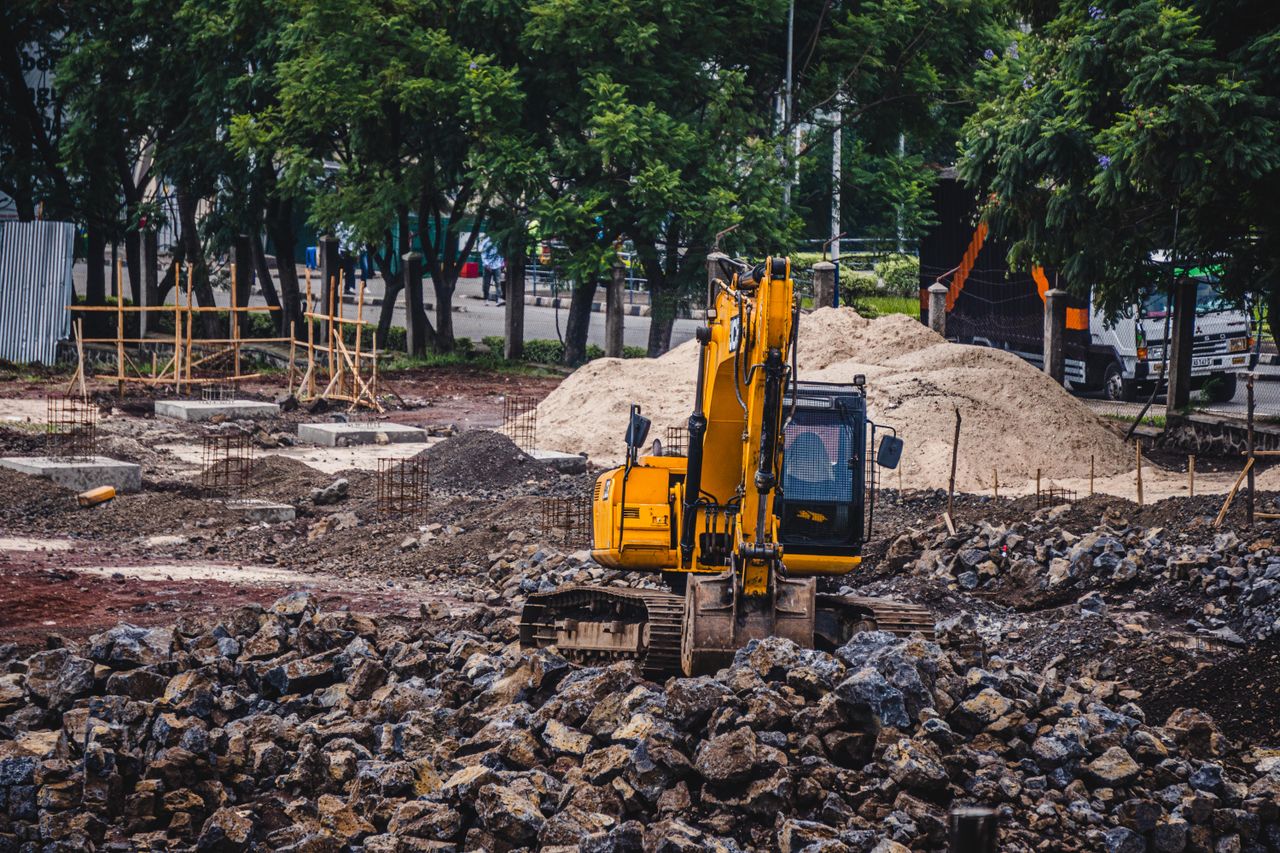
Some Riyadh projects contain construction fill, buried debris, highly compacted layers, or poorly connected planting spaces.
In these conditions, simply excavating a standard hole may not provide a sustainable root environment.
The project may need removal of unsuitable material, engineered soil placement, wider soil loosening, drainage improvements, or changes to the planting layout.
Where the site contains potentially contaminated or otherwise unsuitable material, qualified assessment should determine the appropriate handling and disposal requirements.
Any imported planting soil should be evaluated for suitable physical properties, salinity, and intended use before installation.
The remediation method should address the actual limitation rather than follow a generic replacement recipe.
29. What Should Be Inspected Before Accepting the Soil Preparation Work?
Quality assurance should begin before the tree is delivered.
Inspect the location, approved soil preparation scope, visible soil profile, drainage requirements, and condition of the planting area.
Where the project includes laboratory testing or engineered soils, confirm that appropriate reports and material records are available.
Check the planting-hole dimensions, root-ball support level, and the wider rooting zone.
After planting, inspect the root-flare position, backfill condition, finished grade, mulch placement, and general tree stability.
Record outstanding defects before final acceptance.
A photograph of a completed planting bed is useful documentation, but it does not replace inspection of the underground conditions.
30. What Factors Affect Soil Preparation Cost in Riyadh?
The cost of preparing a tree planting site depends on the work actually required.
Important variables include site access, excavation volume, soil condition, buried materials, the need for laboratory testing, drainage improvements, disposal requirements, imported soil specifications, and the number and size of planting areas.
A project involving suitable existing soil may require substantially different preparation from one involving severe compaction or contaminated construction fill.
Likewise, a large planting bed with easy equipment access differs from an enclosed urban courtyard requiring manual work.
A responsible quotation should specify the included activities and materials rather than present one universal cost per tree.
Budget decisions should also consider long-term establishment and maintenance, because inadequate soil preparation can create future replacement costs.
31. Twenty Common Mistakes When Preparing Soil for Trees
- Assuming every Riyadh soil is identical. Actual site conditions vary with geology, fill, and construction history.
- Planting without inspecting the soil profile. Hidden dense layers and debris may restrict roots.
- Using one soil sample for visibly different areas. This can conceal important site variation.
- Ignoring soil compaction. Roots may remain restricted despite acceptable nutrient levels.
- Adding fertilizer to solve drainage problems. Fertilizer does not correct poor aeration.
- Assuming a deeper hole always improves planting. Deep holes may collect water or cause the tree to settle.
- Planting the root flare too deeply. Buried trunk bases can contribute to health problems.
- Digging a narrow hole in highly compacted ground. The surrounding soil may still prevent root expansion.
- Adding gravel beneath the root ball as a universal drainage solution. A gravel layer does not automatically correct a restrictive drainage profile.
- Mixing arbitrary quantities of sand and clay. Unplanned mixtures can create unfavorable soil properties.
- Using immature or contaminated organic amendments. Poor-quality material may introduce salts or other problems.
- Applying gypsum without diagnosing sodicity. Gypsum is not a universal cure for alkaline soil.
- Ignoring soil salinity. Excessive salts can interfere with root water uptake.
- Ignoring irrigation water quality. Water chemistry may worsen the root environment over time.
- Using excessive fertilizer near new roots. High soluble-salt concentrations can create stress.
- Installing a tree with major root defects. Soil improvement cannot correct every nursery-quality problem.
- Compacting the backfill excessively. This can reduce valuable pore space.
- Piling mulch against the trunk. Mulch should not bury the root flare.
- Allowing heavy machinery onto prepared planting beds. The soil can become compacted again.
- Accepting landscaping work based only on surface appearance. Underground conditions require inspection and documentation.
32. Complete Soil Preparation Checklist
Site Assessment
☐ Tree locations are shown on the approved plan.
☐ Existing site levels are reviewed.
☐ Underground utilities are identified.
☐ Soil profile and buried materials are assessed.
☐ Planting areas have adequate accessible rooting space.
Soil Testing
☐ Representative sampling locations are selected.
☐ Soil texture is assessed.
☐ Soil pH is evaluated where relevant.
☐ Electrical conductivity is checked where salinity is a concern.
☐ Sodicity is investigated when indicated.
☐ Irrigation water quality is reviewed when appropriate.
Physical Preparation
☐ Construction debris is removed from required planting areas.
☐ Compaction is addressed according to site conditions.
☐ Drainage behavior is evaluated.
☐ Imported soil is checked against the approved specification.
☐ Soil amendments are used only where justified.
☐ Prepared areas are protected from machinery traffic.
Tree Installation
☐ The root ball is inspected before planting.
☐ Major root defects are evaluated.
☐ The planting hole is sufficiently wide for the design.
☐ The root ball has stable support.
☐ The root flare is positioned correctly.
☐ Suitable backfill is placed without excessive compaction.
☐ The trunk base remains free from buried mulch.
Quality Assurance
☐ Required test reports are available.
☐ Soil preparation matches the approved design.
☐ Drainage modifications are documented.
☐ Final grades are verified.
☐ Establishment and maintenance responsibilities are defined.
☐ Final inspection findings are recorded.
Official Contact Details
☐ Company: Rayat Najd Landscaping.
☐ Official website: https://rayatnajd.com.
☐ Phone: 0557555716.
☐ WhatsApp: https://wa.me/966557555716.
33. Practical Soil Preparation Scenarios in Riyadh
Scenario One: A Modern Villa Garden
A residential villa is being landscaped after construction.
The planting area contains compacted fill and occasional concrete fragments.
Before planting, the contractor should inspect the soil profile, remove unsuitable debris, assess the usable root-zone volume, and prepare the ground according to the selected tree requirements.
The project should not assume that a decorative surface layer of fresh soil compensates for compacted material underneath.
Scenario Two: A Commercial Landscape With Imported Soil
A commercial property receives soil from an external supplier.
Before acceptance, the project should verify that the material meets the intended physical and chemical requirements.
Its texture, salinity, and other relevant characteristics should be assessed before large-scale placement.
Imported material should not be considered suitable simply because it is labeled as planting soil.
Scenario Three: A Parking Area With Small Tree Pits
A parking area includes narrow planting openings surrounded by paving.
The main challenge may be limited soil volume rather than lack of fertilizer.
The design should evaluate whether connected soil zones, revised planting dimensions, or another engineered rooting solution is needed.
A large-growing tree should not be selected solely because the available surface opening is visually attractive.
Scenario Four: A Site With Salinity Concerns
A planting area shows suspected salt accumulation and recurring plant stress.
The appropriate response is to investigate soil and water chemistry, confirm the problem, and evaluate drainage.
A suitable remediation plan should reflect the actual salts, root-zone conditions, and tree tolerance.
Random amendment application may not solve the problem.
Scenario Five: A Deeply Compacted Construction Site
An area used for equipment movement is scheduled for landscape installation.
Surface loosening alone may be insufficient if deeper compaction restricts the intended root zone.
The site should be assessed for the depth and extent of compaction before selecting an appropriate physical preparation method.
Scenario Six: A Planting Bed With Poor Drainage
A planting area remains saturated after water application.
Rather than digging deeper and adding gravel automatically, the contractor should determine why water is being retained.
The solution may involve correcting grading, addressing a restrictive soil layer, providing engineered drainage, or changing the planting configuration.
These are illustrative site scenarios, not claims about completed Rayat Najd projects.
| Riyadh Site Scenario | Likely Constraint | Investigation Priority | Preparation Response |
|---|---|---|---|
| Villa After Construction | Compacted fill and rubble | Profile and root-zone inspection | Remove unsuitable material and remediate compaction |
| Commercial Landscape | Unknown imported soil quality | Material testing and supplier documentation | Approve suitable planting material |
| Parking Landscape | Confined rooting space | Available soil volume | Improve planting-zone design |
| Salinity-Affected Site | Excess soluble salts | Soil and irrigation water analysis | Develop targeted management plan |
| Compacted Construction Area | Restricted root penetration | Compaction depth and extent | Appropriate physical remediation |
| Poorly Drained Bed | Prolonged saturation | Drainage mechanism and soil layers | Correct grading or engineered drainage |
34. Twenty Frequently Asked Questions About Soil Preparation in Riyadh
1. Why Is Soil Preparation Important Before Planting Trees?
It helps address conditions that can restrict root growth, including compaction, poor drainage, unsuitable soil structure, and chemical limitations.
2. Is Riyadh Soil Always Suitable for Tree Planting?
No single conclusion applies to every site. Soil conditions vary with natural geology, construction history, imported fill, and previous land use.
3. Should All Existing Soil Be Replaced?
Not necessarily. Suitable existing soil can often support tree planting. Replacement or engineered improvement should address documented deficiencies.
4. Is Sandy Soil Good for Trees?
Sandy soil can support many trees, but its water-storage behavior and other characteristics must be matched to the species and site management.
5. Is Clay Soil Bad for Tree Planting?
Not automatically. Clay-rich soil may be suitable when structure, aeration, drainage, and species requirements are appropriate.
6. Should Soil Be Tested Before Every Tree Is Planted?
The need for laboratory testing depends on site conditions, project scale, previous planting failures, and suspected constraints.
7. What Is the Most Important Soil Test?
There is no single universal test. Physical conditions, drainage, pH, salinity, and water quality may all be relevant depending on the suspected problem.
8. What Does Electrical Conductivity Show?
It is used to characterize dissolved salt concentration, but the result must be interpreted according to the testing method and the tree's tolerance.
9. Is Alkaline Soil Unsuitable for Trees?
Not always. Some tree species tolerate alkaline conditions, while others may face nutrient-availability limitations.
10. Does Adding Compost Automatically Improve Every Soil?
No. Compost quality, salt content, application rate, and the condition of the surrounding soil all matter.
11. Should Gypsum Be Added to All Riyadh Planting Soil?
No. Gypsum is appropriate only for particular conditions and should be used according to a defensible soil-management recommendation.
12. Can Gravel at the Bottom of the Hole Improve Drainage?
A gravel layer does not universally solve poor drainage and may create an unfavorable interface. The underlying drainage problem should be investigated.
13. How Wide Should a Tree Planting Hole Be?
For many conventional landscape trees, a hole roughly two to three times the root-ball width is a common starting guideline where site conditions permit. The actual design should suit the tree and root zone.
14. Should a Tree Be Planted Deeply for Stability?
No. The root flare should generally remain at an appropriate finished grade, with the root ball supported by stable soil beneath it.
15. Why Do Trees Struggle in Compacted Soil?
Compaction can reduce pore space and restrict oxygen, water movement, and root penetration.
16. Can Fertilizer Correct Poor Soil Drainage?
No. Fertilizer does not resolve prolonged soil saturation or an obstructed drainage path.
17. Is Mulch Recommended After Planting?
Suitable mulch can help moderate soil-surface conditions, but it should not be piled against the trunk or cover the root flare.
18. Can a Tree Grow in a Small Paved Opening?
Growth may be restricted if usable root volume is inadequate. The mature tree's requirements and available rooting area should be evaluated.
19. What Information Is Needed for a Soil Preparation Quotation?
Project location, planting plan, number and approximate size of trees, site access, soil condition, test results where available, and any known drainage or excavation constraints.
20. What Is the First Step Before a Riyadh Tree Planting Project?
Inspect the site and soil profile, identify potential root-zone limitations, and develop a preparation plan that matches the intended trees and landscape conditions.
35. Conclusion: Healthy Trees Begin With Proper Soil Preparation
Successful tree planting in Riyadh begins long before the tree is positioned in the ground.
The most important early decision is to understand the soil environment that the new roots will encounter.
A site with suitable existing soil may need relatively limited preparation.
Another site may require compaction treatment, debris removal, drainage improvement, chemical assessment, or a redesigned planting zone.
The solution depends on the actual constraints.
A universal recipe based on sand, compost, fertilizer, and gypsum is not a substitute for evaluating the soil.
The physical environment must support root movement, air exchange, and access to water.
Chemical conditions such as salinity and alkalinity should be interpreted in relation to the selected tree species and the quality of the water used on the site.
The planting-hole dimensions should be coordinated with the root ball and wider rooting area.
Correct root-flare positioning is essential, and the tree should not be buried too deeply simply to improve its apparent stability.
After installation, the root environment should be protected from excessive compaction and unnecessary disturbance.
A well-prepared planting zone supports the establishment process, but ongoing care remains important as trees develop their root systems.
For landscape owners, the economic value of proper preparation lies in reducing avoidable failures, identifying problems before installation, and creating conditions suited to the intended planting.
For contractors, the essential requirement is a documented process that connects site assessment, material specifications, installation, and quality acceptance.
For designers, successful soil preparation should form part of the landscape plan rather than be treated as a minor activity after the tree locations have already been finalized.
Rayat Najd Landscaping provides a contact point for discussing landscaping, tree planting, and site requirements in Saudi Arabia.
For more information about the company and its services, visit the official Rayat Najd website .
If you are planning a Riyadh landscape project, prepare the site information, planting layout, and any available soil reports before requesting a project assessment.
A sound soil preparation plan is not the most visible part of the landscape, but it is one of the foundations of successful long-term tree establishment.