



Posted in تسوير المنشآت, حلول التسوير on نوفمبر 08, 2026
Temporary Construction Fencing in Saudi Arabia

Shobok Rayat Najd | Saudi Fencing
Temporary Construction Fencing: Planning a Relocatable Site Perimeter
Construction boundaries change. A project may begin with site preparation, move into structural works, and later require different gates, storage zones, and delivery routes. A temporary fence installed without considering those transitions can become inconvenient or leave gaps when sections are moved.
Relocatable fencing should therefore be treated as a managed site system, with suitable panels, supports, access planning, inspection, and documented changes.
This guide from Shobok Rayat Najd explains how to plan temporary site boundaries in Saudi Arabia without assuming every modular fence provides the same stability or physical protection.
 Call Now
 WhatsApp
Quick Answer
Define the construction boundary, expected project stages, equipment routes, and approved entry points before selecting modular fencing. Match the panel and support system to the ground and environmental conditions, especially wind exposure. Plan any relocation in advance, inspect the reinstalled fence, and never assume a lightweight mesh panel is a traffic-impact barrier or a specialist excavation protection system.
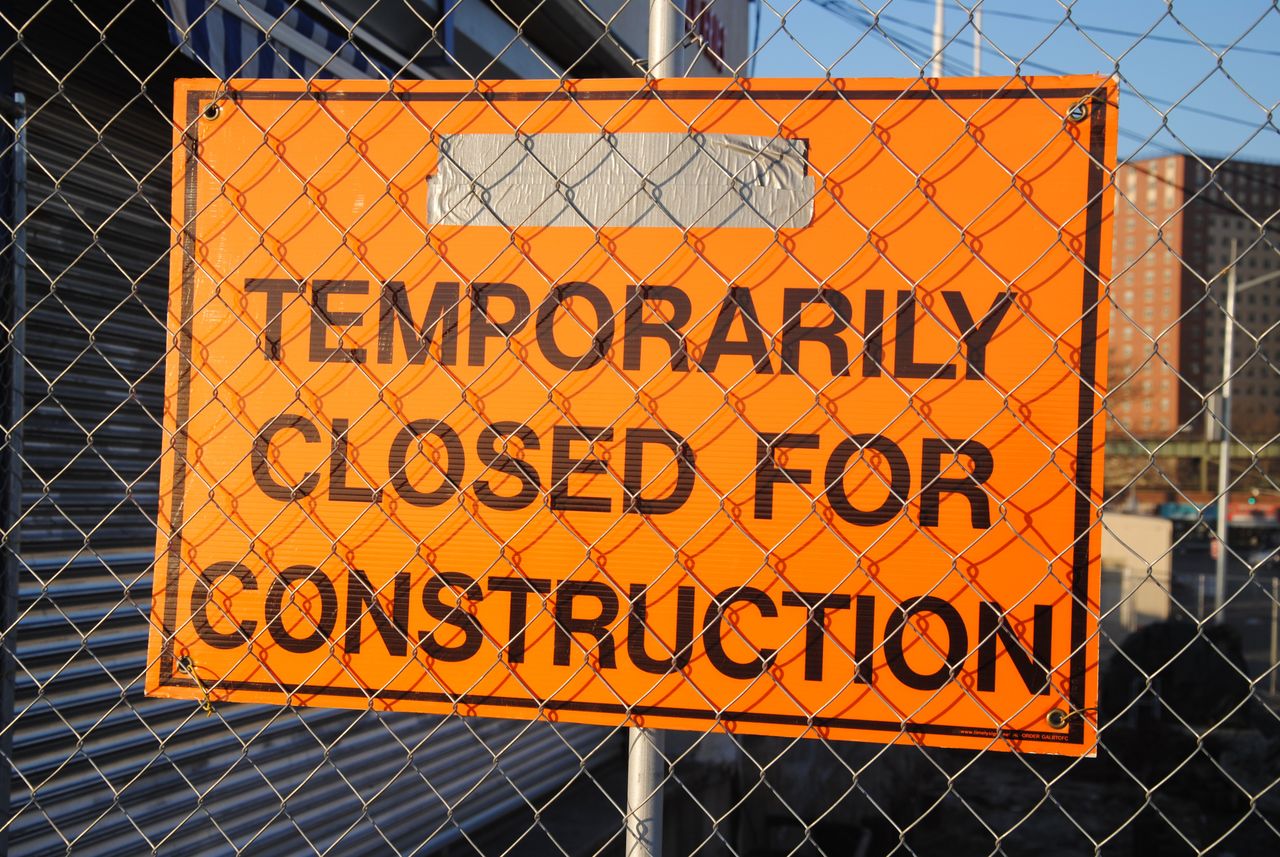
1. Define What the Fence Must Actually Do
Temporary fencing may define a work perimeter, organize pedestrian access, deter casual unauthorized entry, or visually separate operational areas. These objectives should be distinguished from impact protection or fall prevention.
A conventional temporary mesh panel is not automatically rated to resist vehicle impact or protect against falls into an excavation. Those hazards may require specifically designed protective systems.
Start with a written performance objective rather than choosing a fence based only on appearance.
2. Plan for Changing Construction Stages
A construction project rarely uses the same physical space in exactly the same way throughout its duration. Delivery access, work zones, and equipment movement may change.
Develop a staged perimeter plan showing which sections are expected to remain, move, or be removed. Coordinate these decisions with the construction schedule and critical access requirements.
Changing a boundary is not merely a material-handling task; it can affect safety, operations, and entry control.
3. Select a Suitable Modular System
Review panel dimensions, connections, material condition, support requirements, intended use, and manufacturer guidance where available.
Two temporary panels with similar mesh appearance may have different connection or support arrangements. The full assembly must be considered, not just the wire panel.
Reuse may be economical, but damaged components should not be returned to service without an appropriate inspection and decision.
4. Review Bases and Support Conditions
Temporary fencing stability depends on the panel, base, bracing, connections, ground conditions, and environmental loading.
A base that is satisfactory on firm level ground may not perform the same way on sloped, uneven, or disturbed ground. Follow the approved system requirements rather than improvising support details.
Base arrangements should also avoid unnecessary pedestrian trip hazards in areas where people must pass.
| Design Element | Question | Risk | Control |
|---|---|---|---|
| Perimeter route | Does it match current works? | Unauthorized access | Approved boundary plan |
| Ground | Is it suitable for bases? | Instability | Site-specific review |
| Gates | Can vehicles enter safely? | Conflict at access points | Planned entry arrangement |
| Relocation | What changes next? | Open gaps | Reinstallation inspection |
5. Assess Wind Exposure and Added Coverings
Wind forces depend on fence geometry, height, exposure, and any additional materials. Attaching solid banners or shade fabric can alter wind loading substantially.
Do not treat mesh openness as a universal guarantee of stability. The complete system needs to be suitable for its actual site conditions.
Following significant weather events, inspect for movement, damaged supports, or loosened connections before relying on the fence again.
6. Design Equipment and Delivery Access
Construction gates should reflect vehicle width, turning paths, delivery activity, waiting space, and the need to keep public routes unobstructed.
A gap between panels is not necessarily a safe gate. Appropriate gate geometry, operation, and control should be established during planning.
When access requirements change, review how the modified gate affects the surrounding fence sections.
7. Separate Pedestrian and Vehicle Movement
The perimeter plan should recognize where workers, visitors, and construction vehicles cross or share routes. Appropriate traffic management and physical controls may be required.
Do not mistake a lightweight mesh fence for a barrier rated to stop moving vehicles. Use protection suited to the actual hazard where such resistance is required.
8. Address Excavations and Other Higher-Risk Areas
Some areas require specialized fall protection, impact resistance, or exclusion controls. A temporary perimeter fence may help define a zone but should not be assumed sufficient for every hazard.
Consider ground stability near excavation edges and any effect of equipment movement on the fence foundations or bases. Refer protection requirements to the relevant project safety and engineering process.
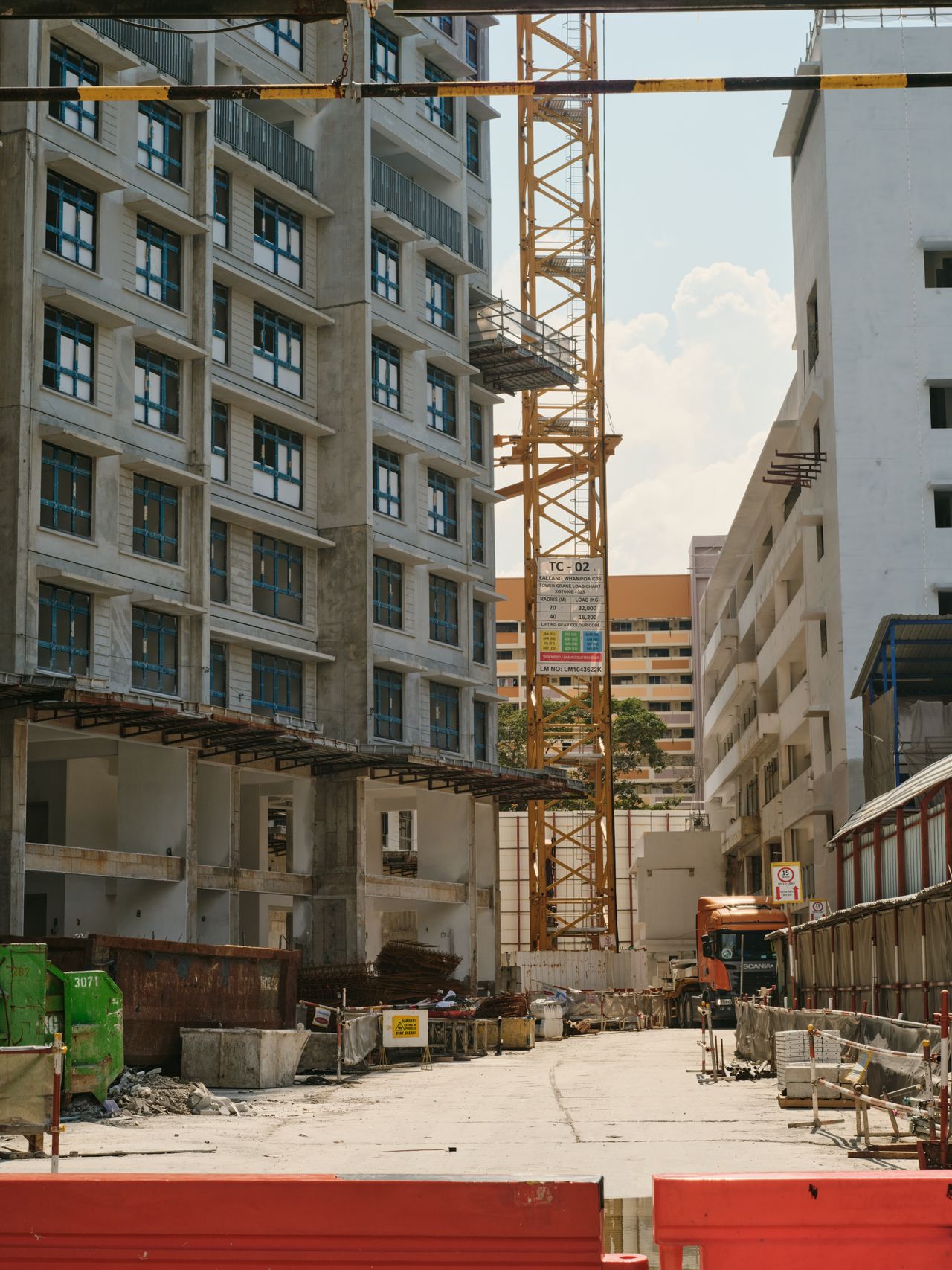
9. Relocate Panels Without Losing Perimeter Integrity
Relocation can damage brackets, bases, and panels or create unprotected gaps while work is underway. Plan the sequence so the temporary boundary remains appropriately controlled during the move.
Inspect reused components and apply the same stability checks to the new location. Update the perimeter plan to show where the fence now stands.
The ability to move a panel does not eliminate the need for correct reinstallation.
10. Inspection and Maintenance
Review panel condition, connections, supports, bases, alignment, and any visible damage according to the site's inspection arrangements.
Additional review may be necessary after relocation, impact, significant weather, or changed ground conditions. Defects should be assessed and corrected before the affected section is treated as acceptable.
Inspection records are useful, but they do not replace a suitable design.
11. Document Installation and Final Acceptance
Maintain the agreed perimeter drawing, access arrangement, selected system specification, and inspection requirements. Record changes as the project progresses.
Acceptance should include checking actual panel placement, support condition, and access points against the agreed layout, not simply collecting photographs from a distance.
| Project Stage | Fence Purpose | Priority Review | Trigger |
|---|---|---|---|
| Site preparation | Define work area | Route and access | Project start |
| Main works | Manage changing operations | Vehicle gates and supports | Increased equipment movement |
| Phased relocation | Maintain new boundary | Connections and gaps | Work zone moves |
| Removal | Close temporary scope | Safe dismantling | Perimeter no longer needed |
12. Compare Quotations Using Full Scope
Define panel type, required height and length, support method, gate arrangements, transportation, installation, relocation, inspection, and dismantling as relevant to the contract.
A supplier quote for materials alone should not be compared directly with a complete installed and managed perimeter package.
Where multiple relocations are anticipated, establish whether those visits are included or separately priced.
| Quotation Item | Requirement | Potential Omission | Verification |
|---|---|---|---|
| Panels | Type and dimensions | Incomparable products | Written specification |
| Supports | Bases and bracing | Unclear stability | System design |
| Gates | Number, size and access | Operational conflict | Site layout |
| Relocation | Expected phases | Additional charges | Contract scope |
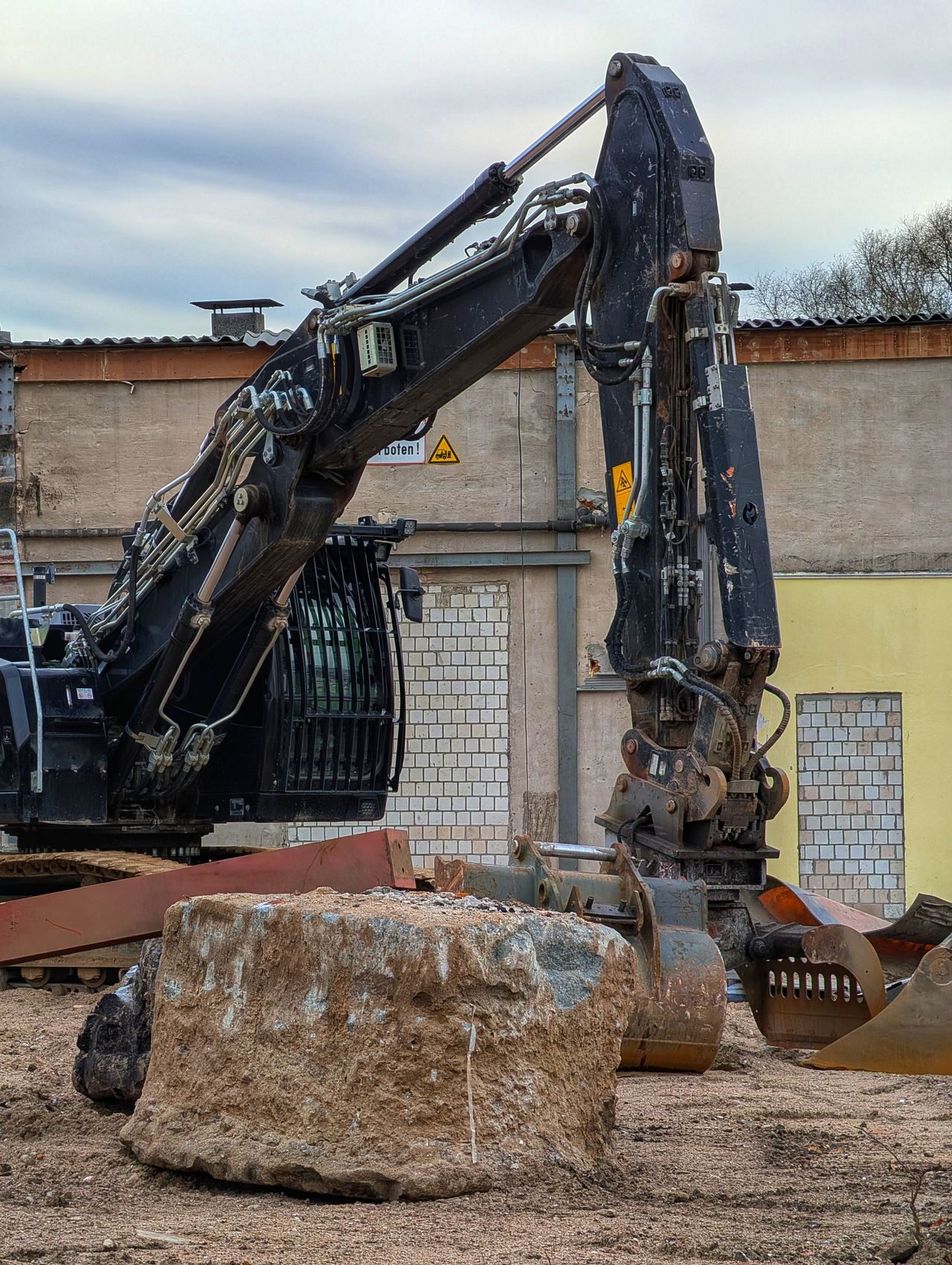
13. Example: A Multi-Phase Saudi Development
Consider a hypothetical project that begins with limited site clearance, then expands to a larger construction footprint. The initial perimeter follows the first work zone and includes a controlled delivery entrance.
Before the next stage, the site team reviews the expanded boundary, vehicle routes, and the panels to be moved. The reinstalled fence is checked for suitable supports, complete connections, and safe gate access.
This illustrates a planning process, not a claim about an installation completed by a particular contractor.
14. Twenty Common Temporary Fencing Mistakes
- Installing without a current boundary drawing.
- Ignoring the project's later construction stages.
- Choosing panels by appearance alone.
- Assuming all base systems provide equivalent stability.
- Failing to consider ground conditions.
- Ignoring wind exposure.
- Adding solid banners without load review.
- Improvising vehicle entrances.
- Confusing mesh fences with vehicle-impact barriers.
- Using ordinary panels as specialized fall protection.
- Blocking required emergency access.
- Leaving gaps at section ends.
- Reusing broken connectors.
- Relocating panels without reinspection.
- Failing to review damage after significant weather.
- Ignoring ground changes under bases.
- Leaving boundary changes undocumented.
- Comparing installation packages with materials-only prices.
- Not defining who handles maintenance.
- Accepting the system without adequate site checks.
| Observed Condition | Risk | Response | Acceptance |
|---|---|---|---|
| Unstable base | Panel movement | Assess and correct | Approved support condition |
| Relocated section | Open gaps | Reinstall correctly | Complete perimeter |
| Wind damage | Loss of stability | Inspect and repair | System remains suitable |
| Changed gate location | Access conflict | Review movement routes | Updated access plan |
15. Pre-Installation and Relocation Checklist
☐ Boundary defined. ☐ Fence purpose agreed. ☐ Panel system selected. ☐ Ground conditions evaluated. ☐ Supports and bases specified. ☐ Wind exposure considered. ☐ Entrances planned. ☐ Pedestrian and equipment movements reviewed. ☐ Excavation hazards addressed separately. ☐ Relocation process approved. ☐ Inspection responsibility assigned. ☐ Changes recorded. ☐ Full commercial scope documented.

16. Frequently Asked Questions and Conclusion
Can temporary fence panels be moved repeatedly?
Some systems are designed for relocation, but reused components and supports need appropriate inspection and reinstallation.
Are temporary panels suitable for all construction hazards?
No. Specific hazards may require engineered barriers or specialist protective systems.
Can a banner be attached to the fence?
Additional coverings can alter wind loading. The complete installation must be evaluated before attachment.
Should fence layout be reviewed after each project phase?
It should be reconsidered whenever the work area, access routes, or relevant exposure conditions change.
What details support an accurate quotation?
Location, perimeter length, height, access requirements, ground conditions, expected phases, and required installation and relocation services.
Relocatable fencing provides value when its layout, stability, operational role, and inspection are managed throughout construction. It should be chosen against the actual site requirements rather than simply by panel count or the lowest material cost.
For fencing information and project inquiries, visit the official Shobok Rayat Najd website.

This post is part of a series called Post