



Posted in المحتوى المؤسسي, تغطية الفعاليات on نوفمبر 08, 2026
Corporate Awards Photography in Saudi Arabia

EVENT LIVE | Corporate Media Production
Corporate Awards Photography: Creating a Complete Recognition Story
A corporate recognition ceremony creates a small number of moments that cannot be staged again without diminishing their authenticity: the announcement of a recipient, the arrival on stage, the presentation of an award, and the recognition shared with colleagues.
These moments are valuable to the recipient and the organization, but they also form part of a larger narrative about achievement, company culture, and the event's purpose.
Professional coverage should connect the ceremonial moment with the details that explain it, while keeping recipient identification accurate and respecting publication permissions. This guide from EVENT LIVE explains how to plan, capture, organize, and deliver that story.
 Call Now
 WhatsApp
1. Define the Recognition Story
Corporate awards media should explain more than who held a trophy. It should establish the purpose of recognition, show the ceremony's identity, and provide clear documentary coverage of the recipients.
The visual narrative may follow preparation, anticipation, recognition, and celebration. This structure helps an event recap communicate meaning rather than present an arbitrary sequence of attractive images.
2. Confirm the Intended Audience
Internal employee communications, public relations, recruitment messaging, and executive reporting place different demands on the final content. The media plan should identify which use cases are authorized and important.
An internal report may prioritize complete and accurately labeled recipient coverage. A public recap may emphasize a shorter narrative, but it should still avoid misrepresenting the recognition process.
3. Build a Reliable Program and Recipient Record
Obtain a controlled recipient list, award categories, stage sequence, and any confidentiality restrictions. Confirm who may update this information and how changes will reach the coverage team.
A photographer should not guess a person's name from their award category. Match images to the approved list before filenames or captions are distributed.
Some recipients may be confidential until the ceremony begins, so information access should be restricted appropriately.
4. Turn Stage Layout Into a Camera Plan
Review where recipients enter, approach the presenter, receive the award, pose, and leave. Each stage position creates potential obstructions and different lighting conditions.
Choose a clear primary angle that consistently includes the award and participants. Plan supplementary shots only after the essential record has been protected.
| Story Moment | Essential Shot | Potential Risk | Planning Response |
|---|---|---|---|
| Opening | Stage and identity | Unclear event context | Capture wide establishing shot |
| Announcement | Ceremony progression | Rapid stage movement | Review stage sequence |
| Award handover | Recipient, presenter and award | Obscured trophy | Reliable front-angle coverage |
| Closing | Group and venue | Crowded framing | Preplanned group layout |
5. Choose Camera Positions for Reliability
Camera selection should follow the venue geometry, not a fixed equipment count. One camera may cover a small ceremony; more complex events may require separate stage and context coverage.
A clear assignment prevents two operators from pursuing the same secondary shot while the primary handover goes undocumented.
Avoid camera movement that obstructs seated guests or interferes with the formal presentation.
6. Manage Exposure Under Stage Lighting
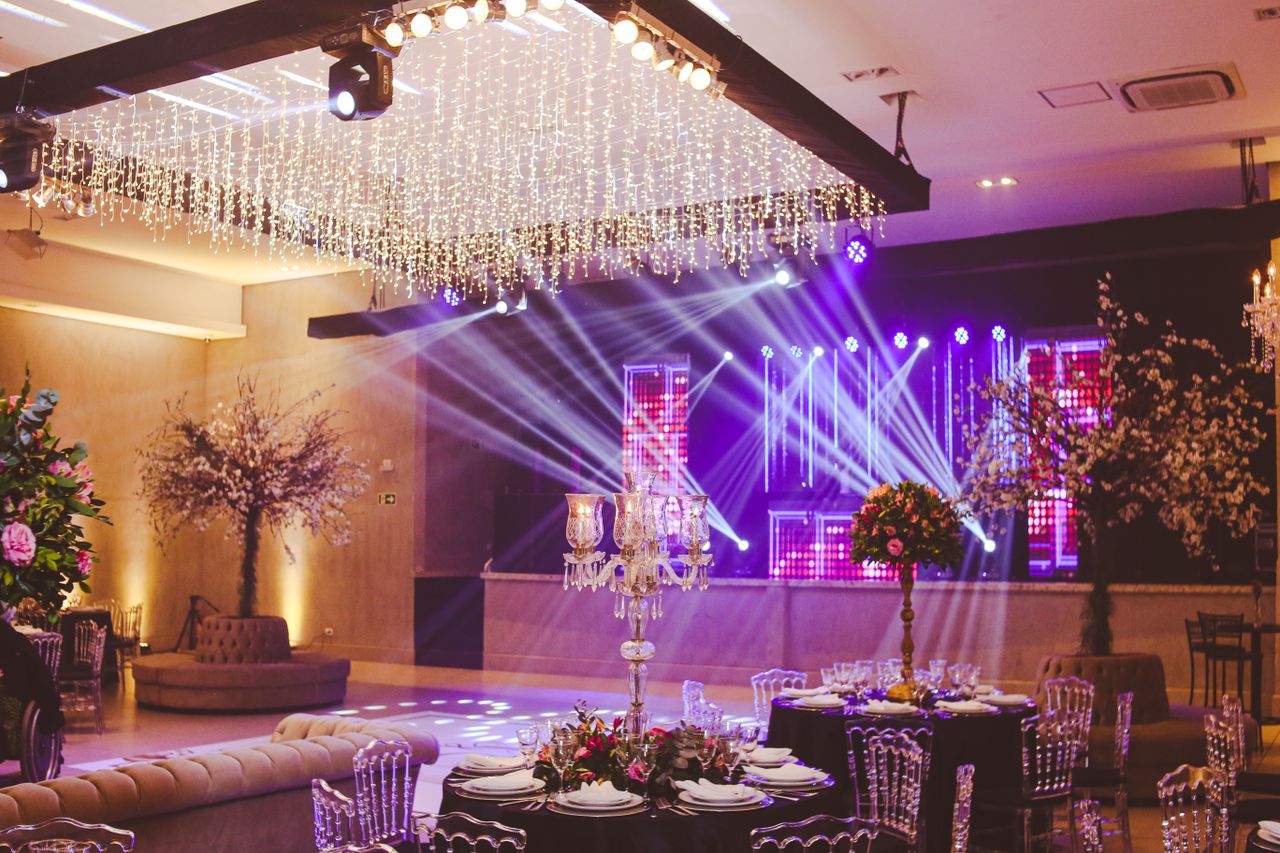
Awards stages often combine bright display walls, colored fixtures, and moving beams. This can create difficult differences between background and facial exposure.
Coordinate with the lighting team where appropriate and test a representative award moment before the ceremony. When the scene changes, preserve natural skin tones and legibility of the trophy without overprocessing.
7. Protect the Award Presentation Sequence
The handover may last only a few seconds. Plan the approach, handshake, award display, and short posed image as one continuous sequence rather than disconnected opportunities.
Where the program allows, a brief designated pose helps create a usable official photograph. The photographer should not extend or alter the formal stage protocol without organizer approval.
8. Build Supporting Context Around the Recipients
The wider story may include award objects, venue preparation, branded stage details, audience reactions where permitted, and closing compositions.
These supporting images are valuable in recaps and editorial layouts because they establish continuity between recipients and the ceremony as a whole.
Do not let secondary details replace the required record of each award presentation.
9. Plan Vertical Media Separately
Vertical 9:16 video often requires a deliberate composition that holds the presenter, recipient, and trophy in a narrow frame. Cropping a wide stage shot may remove essential context.
Account for interface-safe areas when preparing content for social platforms. The final crop should preserve readable signage and avoid placing important elements underneath on-screen controls.
10. Represent Corporate Identity Accurately
Use the official stage graphics, trophies, award titles, and organizational identity as they actually appear. Avoid adding sponsor or partner logos in ways that imply relationships not established by the event.
Check visible text before final delivery. Incorrect spelling of an award title can undermine an otherwise high-quality photograph.
| Deliverable | Purpose | Required Media | Quality Check |
|---|---|---|---|
| Recipient gallery | Individual recognition | Clear presentation stills | Correct identity |
| Recap video | Event narrative | Context and award moments | Coherent sequence |
| Vertical clips | Social publication | Dedicated narrow framing | Safe zone preserved |
| Event details | Editorial context | Trophies, stage, identity | Accurate visible text |
11. Respect Consent and Confidentiality
Not every corporate recognition event is intended for public distribution. Determine who may be shown, what award details are confidential, and which outputs are limited to internal use.
Review images for personal or business information visible on screens, nameplates, and background materials. Confirm the publication rules with the organizer rather than assuming all event footage is cleared for public release.
12. Prevent Recipient Identification Errors
The media delivery process must preserve the connection between a person's image, name, and award category. Use an approved reference list and a controlled review workflow.
Where labels are uncertain, flag the image for confirmation rather than guessing. Accurate identification is fundamental to professional recognition media.

13. Build a Clear Media Handover
Agree on photography and video quantities, output sizes, authorized channels, editing scope, naming conventions, and revisions before the event. Maintain secure working copies and backups suitable for the project.
Separate approved final media from unreviewed source files. The organizer should be able to locate the relevant award images without manually sorting an unlabeled folder.
14. Twenty Common Recognition Media Mistakes
- Starting without an approved ceremony agenda.
- Missing the official recipient sequence.
- Photographing an award from an obstructed angle.
- Failing to show the trophy clearly.
- Ignoring stage-lighting changes.
- Testing cameras only under house lighting.
- Standing in the audience's sightline.
- Failing to assign a primary handover angle.
- Missing short ceremonial poses.
- Using inconsistent award titles in captions.
- Overlooking group photograph requirements.
- Ignoring venue detail photography.
- Producing vertical edits from unsuitable footage.
- Placing essential text outside the safe zone.
- Publishing unapproved recipient information.
- Using illustrative imagery as documentary evidence.
- Failing to back up important files.
- Mixing recipients when organizing photographs.
- Overediting stage lighting or trophy details.
- Delivering files without final identity and consent review.
| Failure | Likely Cause | Prevention | Acceptance |
|---|---|---|---|
| Missing recipient photo | Untracked sequence | Verified program | Required recipient coverage complete |
| Poor exposure | Untested stage light | Representative rehearsal | Usable subject and award |
| Incorrect recipient label | Unverified identification | Organizer cross-check | Approved identity |
| Unusable vertical clip | Poor framing | Dedicated 9:16 plan | Full award moment visible |
15. Complete Event Coverage Checklist
☐ Confirm event purpose. ☐ Verify award categories. ☐ Obtain controlled recipient list. ☐ Review stage flow. ☐ Confirm camera positions. ☐ Test actual lighting. ☐ Plan primary handover coverage. ☐ Prepare wide and detail images. ☐ Identify vertical output requirements. ☐ Review publication consent. ☐ Prepare a recipient matching process. ☐ Define backups and delivery formats. ☐ Confirm the responsible final reviewer.

16. Frequently Asked Questions and Conclusion
Is one photographer enough?
It depends on the ceremony's pace, number of stages, venue access, and required photographs and videos.
Should every award have a formal photograph?
That depends on the agreed deliverables, but individual recognition often requires a clear, reliably identifiable image.
How should names be checked?
Match the media to an approved recipient record and involve the organizer when identification is uncertain.
Can all footage be published?
No. Distribution depends on event consent, organizational permission, confidentiality, and the agreed media use.
What information is needed to quote the event?
Venue, schedule, award categories, estimated recipient count, camera requirements, final outputs, and usage permissions.
Effective recognition coverage combines accurate documentation with meaningful visual storytelling. The finished media should preserve the genuine achievements of the event and remain reliable for every authorized audience.
Learn more through the official EVENT LIVE website.


Media Delivery Quality Control
A complete photography archive is not necessarily a publication-ready deliverable. Every approved asset should pass technical, editorial, identity, and usage checks before being shared with the event organizer or published externally.
| Quality Check | What to Verify | Potential Issue | Acceptance Requirement |
|---|---|---|---|
| Image Quality | Focus, exposure, framing, and resolution | Unusable recipient photograph | Technically suitable final image |
| Recipient Identity | Names and award categories against the approved list | Incorrect attribution | Confirmed recipient and category |
| Brand Accuracy | Visible logos, award titles, and event identity | Incorrect or misleading branding | Visual consistency with the event |
| Publication Permission | Approved usage, consent, and confidentiality restrictions | Unauthorized distribution | Documented permission for intended use |
| File Delivery | File names, formats, folder structure, and completeness | Missing or misidentified assets | Organized and approved final package |
This post is part of a series called Post