



Posted in تقليم الأشجار, صيانة الأشجار on نوفمبر 09, 2026
Structural Pruning of Young Trees in Riyadh
Rayat Najd | Landscaping and Tree Care
Structural Pruning for Young Trees in Riyadh
The shape of a young tree is not merely an aesthetic concern. The way major branches are distributed, connected, and allowed to develop can influence its future structure and the amount of corrective maintenance required as it matures.
In Riyadh landscapes, young trees may grow near paths, villas, parking areas, and public spaces. Early decisions about branch architecture can help reduce avoidable conflicts, but inappropriate pruning can create long-lasting wounds and weaken the intended tree form.
Structural pruning is not the same as cutting every branch to make a tree look symmetrical. It is a deliberate process of inspecting the species and tree structure, identifying defects or competing growth, and choosing proportionate interventions.
This guide from Rayat Najd Landscaping explains a practical framework for formative pruning, with emphasis on species differences, natural growth habits, proper cuts, and ongoing inspection.
 Call Now
 WhatsApp
Quick Answer
Begin by identifying the tree species and its natural mature form. Inspect the main stem, branch spacing, attachments, and any damaged or competing branches. Make only justified pruning cuts, preserving adequate live foliage and avoiding flush cuts or indiscriminate topping. Reassess the tree as it grows; structural development is a multi-year process rather than a one-time heavy pruning operation.
1. What Is Structural Pruning?
Structural pruning, sometimes called formative pruning for young trees, is the selective management of shoots and branches to support a sound long-term crown structure.
It may involve identifying competing leaders, damaged branches, weak attachments, or arrangements likely to create problems as the tree expands.
The aim is not to remove a maximum amount of growth. A young tree needs sufficient foliage to develop roots, wood, and a healthy crown.
For many species, small and well-timed corrections are preferable to waiting until a problematic branch becomes very large and requires a major cut.
2. Respect the Species' Natural Architecture
Tree species differ in crown shape, growth habit, mature size, and response to pruning. A tree with a naturally single-stemmed form should not automatically be managed in the same way as a species that commonly develops several stems.
Before specifying a pruning approach, identify the species correctly and understand its intended landscape function.
Attempts to force every tree into an identical silhouette can create unnecessary stress and repeated maintenance.
3. Understand the Central Leader and Competing Stems
For species and landscape objectives where a dominant central leader is desirable, competing upright stems may need assessment early in development.
However, removing a large competing stem is not automatically the best intervention. It may be more appropriate to reduce or manage competing growth over time, depending on the tree's condition and species.
Multi-stemmed forms can also be legitimate and attractive when they fit the species and site. The goal is an intentional structure, not a universal single-trunk rule.
4. Evaluate Branch Attachments and Spacing
Branch attachment characteristics can influence structural performance. Narrow unions with included bark, competing stems, and clustered large branches may deserve closer inspection.
Branch spacing along the main stem can also affect the arrangement of the mature crown.
Structural assessment requires viewing the entire tree rather than deciding from one branch angle alone. Some branches can be retained temporarily while their growth is managed to support gradual development.
| Structural Feature | What to Inspect | Potential Concern | Possible Response |
|---|---|---|---|
| Main Leader | Dominance and continuity | Unwanted competing growth | Species-appropriate selective management |
| Branch Union | Attachment and visible defects | Potentially weak union | Qualified assessment |
| Branch Distribution | Spacing and crowding | Future crown congestion | Gradual branch selection |
| Broken Growth | Damage and wound condition | Further branch failure | Appropriate corrective pruning |
5. Selective Reduction vs Complete Branch Removal
Not every competing or inconvenient branch needs to be removed immediately. Depending on tree condition and objectives, reducing the growth of a branch can sometimes be useful while allowing the tree to retain some foliage.
The decision should consider branch size, position, the remaining crown, the tree's health, and the likely future structure.
Large or difficult cuts should be handled by qualified personnel with appropriate assessment rather than selected solely for visual symmetry.
6. Understand Proper Pruning Cuts
Proper pruning should preserve the tree's natural branch attachment structures as appropriate. Cutting flush against the trunk can damage tissues involved in compartmentalizing wounds.
Leaving an unnecessarily long stub can also create a poor result. The precise cut depends on the branch and the type of pruning operation.
When a branch is large enough to risk tearing bark as it falls, appropriate cutting procedures and professional equipment are important. Heavy or elevated pruning should not be attempted without suitable training and safety controls.
7. Avoid Topping and Excessive Foliage Removal
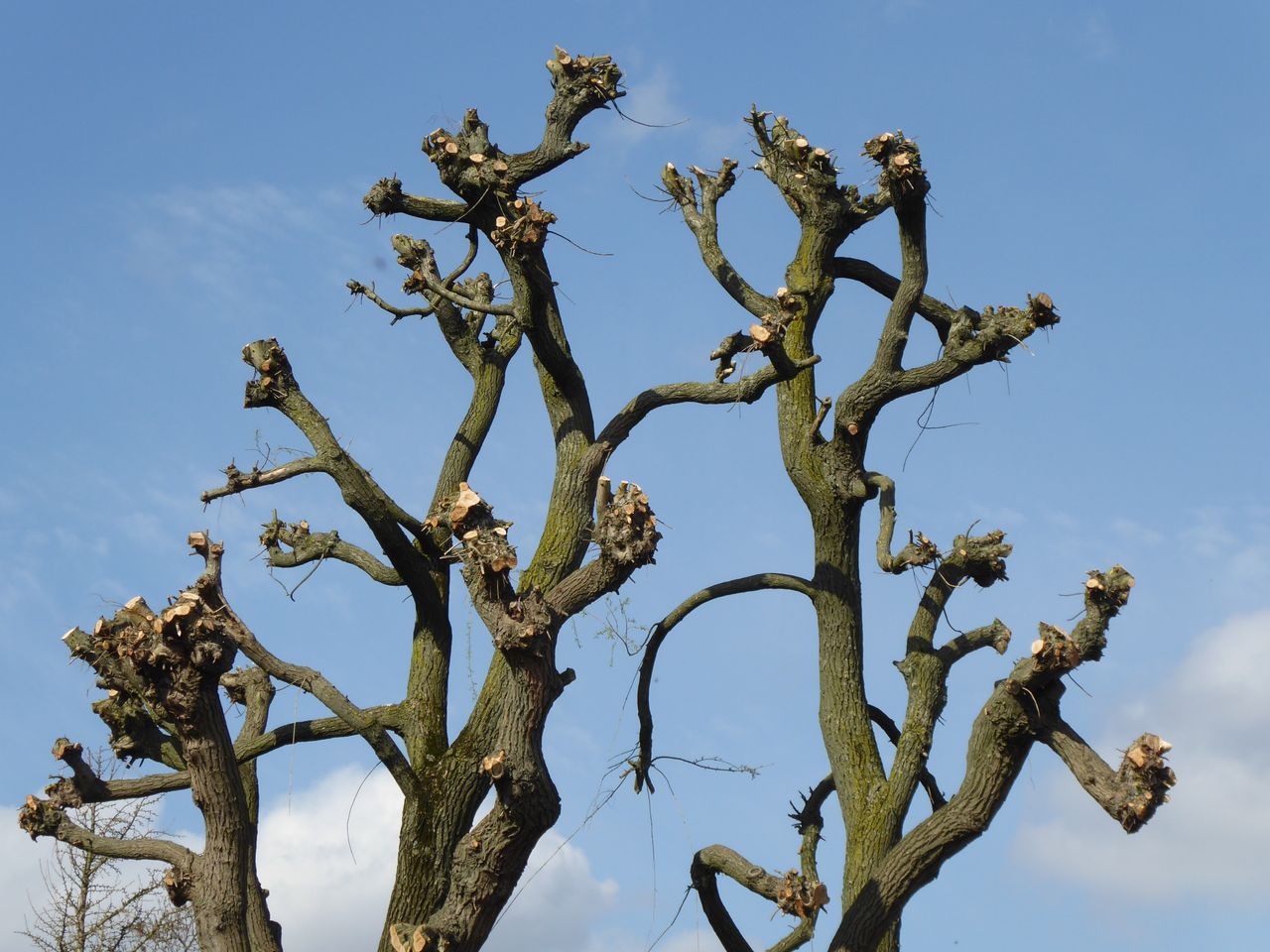
Topping removes large portions of a tree's crown or cuts major stems to arbitrary points. It can create large wounds, rapid regrowth with undesirable attachments, and long-term maintenance concerns.
Young trees also need adequate living foliage. Excessive removal can reduce their capacity to develop normally and may create unnecessary stress.
There is no single safe percentage of foliage removal that applies to every species, age, and condition. Pruning intensity should be determined through professional judgment and the actual tree's needs.
8. Plan Clearance Without Damaging Tree Structure
Landscape trees may grow near pathways, parking areas, signs, lights, or buildings. Clearance requirements should be considered from the beginning, including how the crown is expected to develop.
Removing all lower branches from a very young tree to create immediate high clearance may be inappropriate. Temporary branches can contribute to trunk development and may be managed gradually where suitable.
Do not allow trees to interfere with electrical infrastructure or create unsafe visibility conditions. Specialist assessment may be necessary where significant hazards exist.
| Pruning Approach | Intended Purpose | Key Consideration | When to Reassess |
|---|---|---|---|
| Selective Branch Reduction | Manage competing growth | Retained crown and growth response | During subsequent structural review |
| Damaged Branch Removal | Address specific defects | Proper cut and tree condition | Following damage or inspection |
| Gradual Clearance Development | Support future access requirements | Avoid premature excessive removal | As the crown develops |
| No Pruning | Preserve suitable existing growth | Not every tree needs a cut | At the next scheduled assessment |
9. Consider Timing, Heat, and Tree Stress
The appropriate pruning time varies by species, growth cycle, health, and the reason for intervention. Riyadh's climatic conditions make it important to consider heat and water stress, particularly when the tree is newly established or recovering from damage.
Do not apply one seasonal calendar to every species. A qualified tree-care plan should coordinate pruning with the plant's condition and local climate.
Some hazardous broken branches require prompt attention regardless of routine maintenance timing.
10. Select Suitable Tools and Working Methods
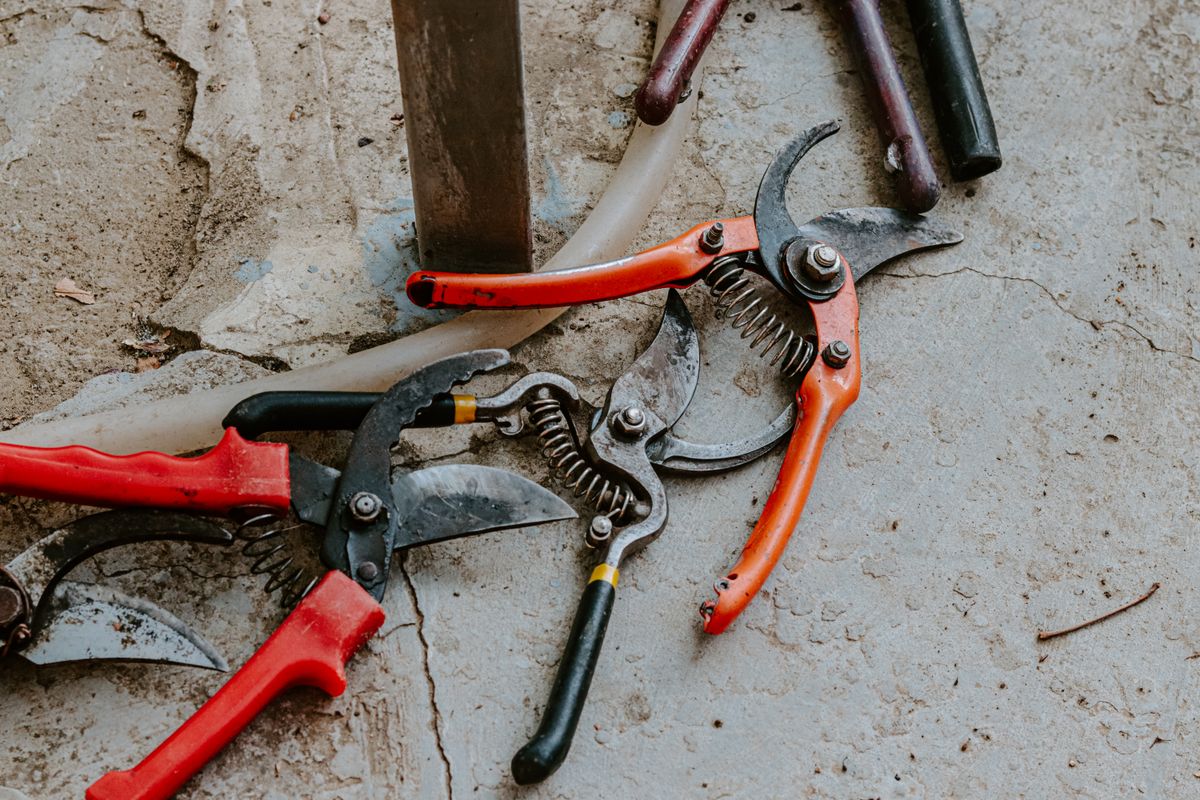
Use tools appropriate for the branch diameter and the pruning task. Clean, well-maintained cutting equipment can support accurate work and reduce unnecessary damage.
Where there is a credible risk of spreading certain pests or diseases, adopt suitable hygiene procedures based on the actual concern.
Working near elevated branches, traffic, buildings, or electrical services introduces hazards that require trained personnel and appropriate site controls.
| Inspection Stage | What to Record | Warning Sign | Next Action |
|---|---|---|---|
| Before Pruning | Species, condition, objectives | Unclear reason for cutting | Reassess the plan |
| During Work | Cuts performed and remaining crown | Unexpected bark tearing | Stop and review technique |
| After Work | Final structure and wound condition | Excessive foliage loss | Review remaining interventions |
| Follow-Up | New growth and structural changes | New competing growth or decline | Plan next assessment |
11. Establish a Multi-Year Inspection Plan
Young trees change quickly relative to mature trees. A useful management plan reviews structural development over time and records branches that may need monitoring.
Do not repeat the same cuts automatically each year. Pruning needs should follow observed growth, species characteristics, and landscape objectives.
Photographs from consistent viewpoints and concise inspection notes can help the maintenance team compare changes.
12. Practical Riyadh Landscape Scenarios
Scenario One: Young Tree Beside a Villa Walkway
A young tree is planted near a pedestrian route. Its current branches do not obstruct movement, but future clearance matters. The maintenance team reviews mature growth and plans gradual structural development rather than removing too much foliage immediately.
Scenario Two: Competing Upright Stems
A species with an intended dominant-leader form develops competing upright shoots. The team assesses their attachment, relative size, and likely development before selecting a proportionate intervention.
Scenario Three: Tree With Storm-Damaged Branches
A young tree experiences localized branch damage. The response focuses on evaluating the affected structure and selecting appropriate corrective cuts without removing healthy crown sections unnecessarily.
These are educational scenarios, not documented examples of Rayat Najd client projects.
13. Ten Common Young-Tree Pruning Mistakes
- Pruning without identifying the tree species.
- Forcing every tree into a single-leader shape.
- Removing major branches without inspecting their attachments.
- Making flush cuts against the trunk.
- Leaving unnecessarily long branch stubs.
- Topping young trees for immediate symmetry.
- Removing excessive live foliage.
- Raising the canopy too early for clearance.
- Using the same seasonal pruning schedule for every species.
- Failing to inspect future growth after pruning.
14. Complete Structural Pruning Checklist
☐ Species correctly identified. ☐ Mature form understood. ☐ Pruning objective defined. ☐ Main stems assessed. ☐ Branch unions inspected. ☐ Damaged growth reviewed. ☐ Crown foliage considered. ☐ Clearance requirements planned. ☐ Cutting method appropriate. ☐ Worksite hazards assessed. ☐ Tools suitable. ☐ Completed cuts documented. ☐ Follow-up inspection planned.
| Decision | Conditions | Reason | Required Record |
|---|---|---|---|
| Retain Branch | Healthy, suitable structure | Preserve useful foliage | Observation and next review |
| Reduce Branch | Competing growth requiring management | Guide future development | Approved pruning objective |
| Remove Branch | Specific defect or justified conflict | Correct identified problem | Cut location and justification |
| Refer to Specialist | Significant structural or worksite risk | Obtain qualified assessment | Inspection recommendation |
15. Frequently Asked Questions and Conclusion
Do all young trees require structural pruning?
No. Trees with suitable natural structure may need monitoring rather than immediate cuts.
Is a single central leader always necessary?
No. The appropriate form depends on species, natural architecture, and landscape objectives.
Is topping a good way to control tree height?
Generally, indiscriminate topping is not a sound structural-pruning practice and can produce undesirable consequences.
Can pruning be performed during extreme heat?
The decision depends on urgency, species, condition, and stress. Nonessential heavy work should not be undertaken without appropriate consideration.
Should every low branch be removed?
No. Some lower branches can contribute to development and may be managed gradually when appropriate.
How often should the tree structure be inspected?
According to the species, growth rate, site risk, and maintenance plan. An inspection does not always need to result in pruning.
When is specialist assessment important?
When branch defects, larger cuts, elevated work, utilities, or other hazards create significant uncertainty or risk.
Structural pruning is an investment in the long-term architecture of a landscape tree. It should preserve the tree's natural strengths, address meaningful defects, and remain proportionate to its age and condition.
For landscaping and tree-care inquiries, visit the official Rayat Najd Landscaping website.

This post is part of a series called Post