



Posted in أعمدة الشبوك, تركيب الشبوك on نوفمبر 10, 2026
How to Check Chain-Link Fence Tension?

Shobok Rayat Najd | Fence Installation
Check chain-link fence tension by reviewing the fabric for unintended sagging, uneven mesh alignment, loose attachments, and distortion around terminal posts. Confirm that the posts, bracing, tension bars, and other components match the approved installation specification. A correctly tensioned fence is not necessarily one pulled as tightly as physically possible.
Fence acceptance should assess the complete installed system, not just how the mesh looks from a distance. Excessive tension can overload supports, while insufficient or uneven tension can leave the fence distorted or poorly secured.
This guide from Shobok Rayat Najd presents a practical inspection framework for chain-link fencing used on Saudi properties, with appropriate limits on what visual examination alone can establish.
 Call Now
 WhatsApp
What Is the Quick Fence-Tension Acceptance Check?
Inspect the fence line from both ends, check the fabric at the middle of each run, and review all terminal connections and corners. Look for localized slack, missing ties, deformed posts, and unintended gaps. Compare the condition with the approved design and record deficiencies before acceptance. Do not attempt to test tension by forcefully pulling on the fabric.
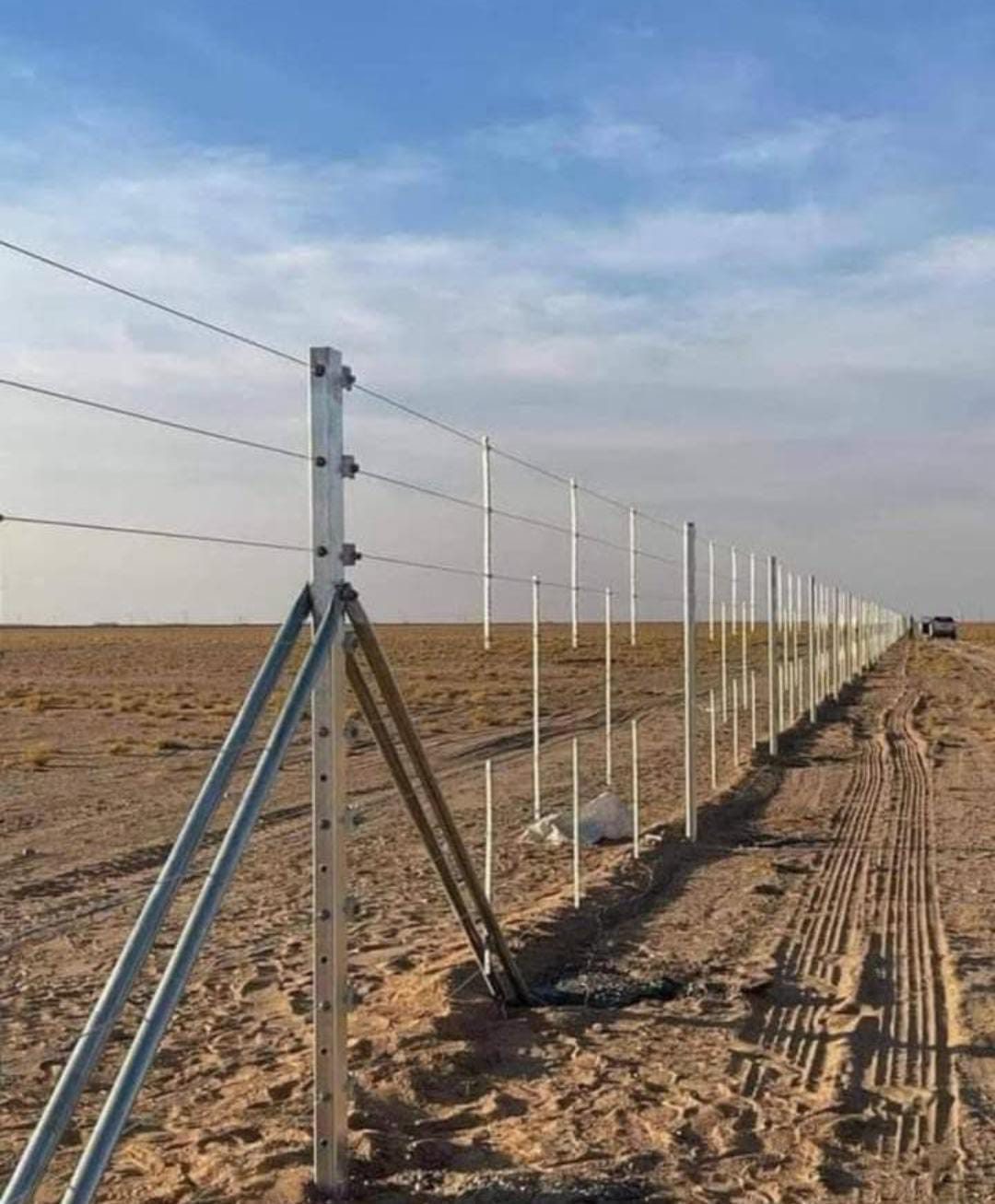
What Does Correct Chain-Link Fence Tension Mean?
Correct tension means the mesh is installed and supported according to the intended fence system, without unacceptable slack, distortion, or excessive loading. Exact requirements vary with mesh dimensions, wire gauge, fence height, run length, and connection methods.
There is no universal hand-pull test or single force value appropriate for every installation. Use the project's specified workmanship and installation requirements.
How Can You Inspect Fence Alignment?
Observe the fence line from a safe position along its length and compare post alignment and fabric position with the design. Where necessary, use suitable measuring equipment.
A fence following planned changes in ground level will not necessarily be perfectly horizontal. The key is consistency with the specified alignment and absence of unintended deformation.
What Are the Visible Signs of Insufficient Tension?
Look for sagging pockets, pronounced ripples, detached mesh edges, inconsistent fabric engagement, or movement caused by missing connections. Pay attention to corners, gates, and the ends of long runs.
Visual symptoms should guide investigation, but the final decision depends on the system requirements and physical condition of the components.
| Observed Condition | Possible Cause | Verification | Response |
|---|---|---|---|
| Sagging pocket | Insufficient tension or attachment | Check run and fixing details | Approved correction |
| Leaning terminal post | Loading or foundation issue | Assess support and footing | Engineering review |
| Detached mesh | Missing or loose fixing | Compare attachment requirements | Restore approved fixing |
| Corner distortion | Terminal detail problem | Inspect corner and bracing | Correct root cause |
Why Are Terminal and Corner Posts Critical?
Terminal posts and corners transfer forces from the tensioned mesh into the structural support arrangement. Their role can differ from that of intermediate posts.
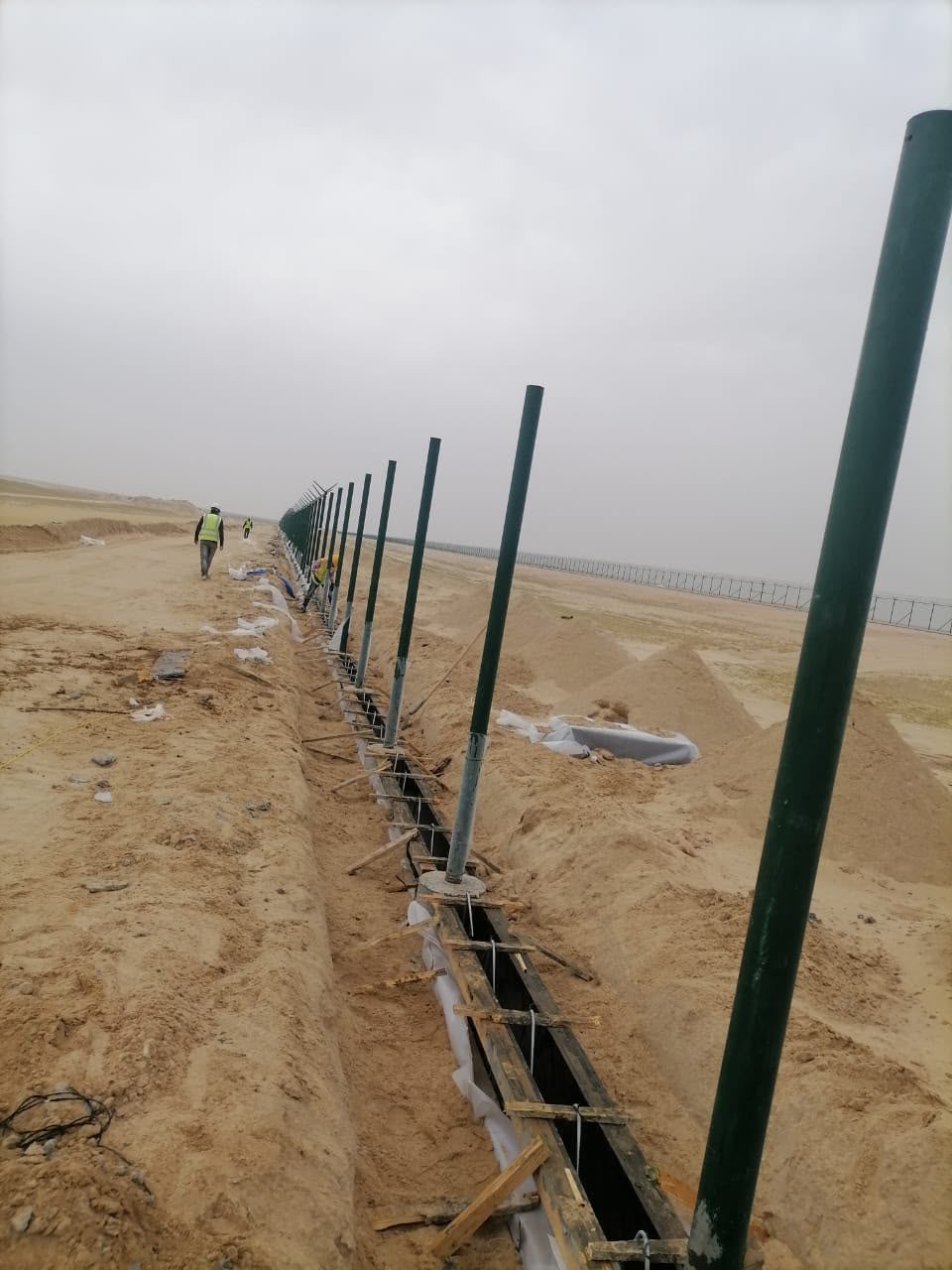
Inspect post alignment, bracing, foundations, and attachment hardware against the approved details. A visibly leaning terminal post may indicate a support issue that cannot be solved simply by increasing mesh tension.
How Should Top and Bottom Tension Wires Be Inspected?
Where tension wires are part of the fence design, inspect continuity, secure anchorage, and attachment to the fabric at the required locations.
Other fence systems may use rails or different retention arrangements, so never apply one system's checklist indiscriminately to another. Tensioning components can store significant force and should be adjusted only by competent personnel.
How Important Are Mesh Ties and Fasteners?
Ties and fasteners hold the fabric to posts, rails, or support wires. Missing, damaged, or incorrectly placed attachments can allow unwanted mesh movement even when the terminal ends appear secure.
Check spacing, material compatibility, corrosion protection, and exposed ends against the installation specification. Pay particular attention to areas accessible to people.
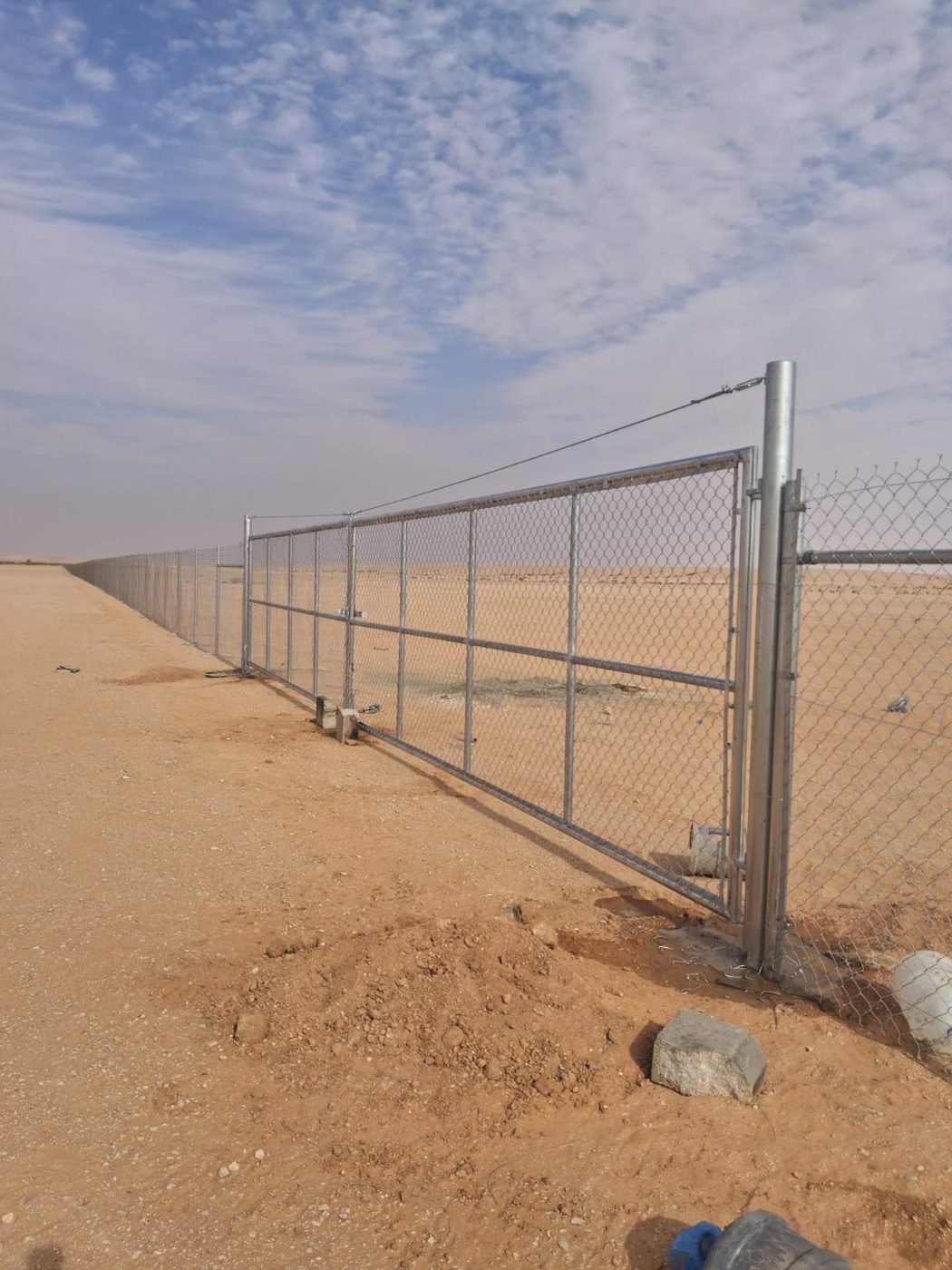
How Should the Gap Beneath a Chain-Link Fence Be Checked?
Assess ground clearance against the approved fence purpose and site grading. Some systems require closer control of the lower edge, while others include intentional clearance or drainage considerations.
Do not assume that every visible gap is a defect, but document any unintended opening that compromises the specified perimeter function.
When Should a Fence Be Retensioned?
Retensioning may be justified when a verified slack or attachment problem exists and the structural supports remain appropriate for the correction. However, an unstable post, damaged connection, or ground movement must be addressed at the source.
Increasing tension without investigating the defect can place additional load on an already compromised system.
| Fence Location | Priority Check | Evidence | Reason |
|---|---|---|---|
| Middle of run | Uniform fabric condition | Visual and specified measurements | Detect uneven slack |
| Terminal end | Tension bar and anchorage | Connection detail | Load transfer |
| Corner | Bracing and foundation | Approved design | Direction change |
| Gate interface | Fabric edge and clearances | Operation test | Frequent movement |
How Should Fence Defects Be Prioritized for Repair?
Not every installation defect creates the same level of risk or requires the same response. The following matrix helps classify findings by their potential impact on fence stability, site safety, and perimeter performance.
| Observed Defect | Priority | Corrective Action | Acceptance Criterion |
|---|---|---|---|
| Leaning terminal or corner post | Urgent if structural stability is in question | Assess foundations, bracing, and loading before adjusting mesh tension | Stable post conforming to the approved design |
| Mesh detached from supporting post | High when perimeter function is compromised | Inspect attachment components and restore compliant connections | Complete attachment under the specified system |
| Localized sagging in the fence fabric | Dependent on severity and function | Identify the cause and correct the affected section without excessive tension | Fabric condition meeting approved workmanship criteria |
| Sharp exposed tie-wire ends | Urgent where people may contact them | Secure the area and correct exposed wire ends using an approved method | Contact hazard removed and fixing verified |
| Damaged protective zinc coating | Based on damage extent and environmental exposure | Evaluate damage and apply specification-compatible corrosion protection | Required protective finish restored |
| Unintended gap beneath the mesh | Dependent on perimeter security requirements | Review ground levels and approved bottom-edge details | Ground clearance meets the project specification |
How Should Chain-Link Fence Installation Be Accepted?
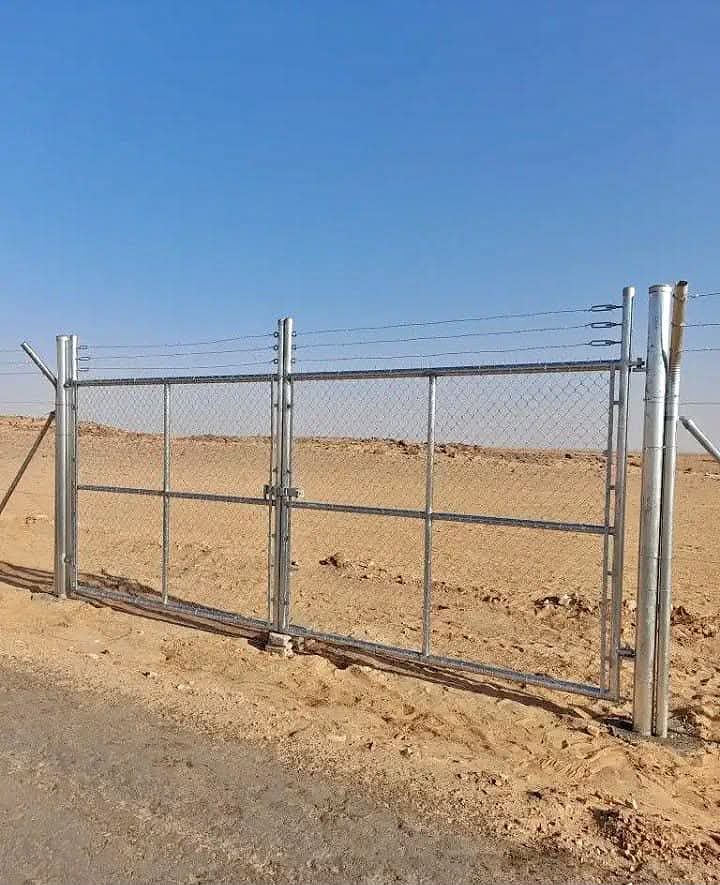
Start with the agreed drawings and specifications. Review mesh type and dimensions, post alignment and stability, bracing, mesh tension and fixing, gates, corrosion protection, and the treatment of ground transitions.
Record each deficiency by location and description, with supporting photographs when useful. After corrections, recheck the affected section and confirm closure before final acceptance.
| Acceptance Item | Verification | Status | Closeout |
|---|---|---|---|
| Mesh specification | Compare material details | Conforming / not conforming | Approve material |
| Fabric tension | Inspect continuity and fixing | Accept / correct | Reinspect |
| Posts and braces | Alignment and support review | Pass / investigate | Match approved detail |
| Gates and ties | Completion and operation | Complete / deficient | Functional check |
What Causes Chain-Link Fencing to Sag After Installation?
Possible causes include improper terminal support, unsuitable tensioning, deficient attachments, ground movement, physical impacts, and defects in reused or incompatible components.
Not all sagging is solved by the same intervention. Identify the cause before making changes, and do not overlook whether a problem also affects the structural capacity of the fence.
What Final Checklist Should a Fence Owner Use?
☐ Mesh type matches specification. ☐ Fence height and route are correct. ☐ Posts are appropriately aligned and supported. ☐ Corners and terminal posts are braced as required. ☐ Mesh has no unacceptable slack. ☐ Tension elements conform to design. ☐ Fixings are complete. ☐ Ground clearances are appropriate. ☐ Gates work correctly. ☐ Protective coatings are intact. ☐ Deficiencies are documented and closed.
Do not accept excessive tension merely because the fabric looks flat. A reliable installation depends on balanced performance across the mesh, supports, connections, and foundations.
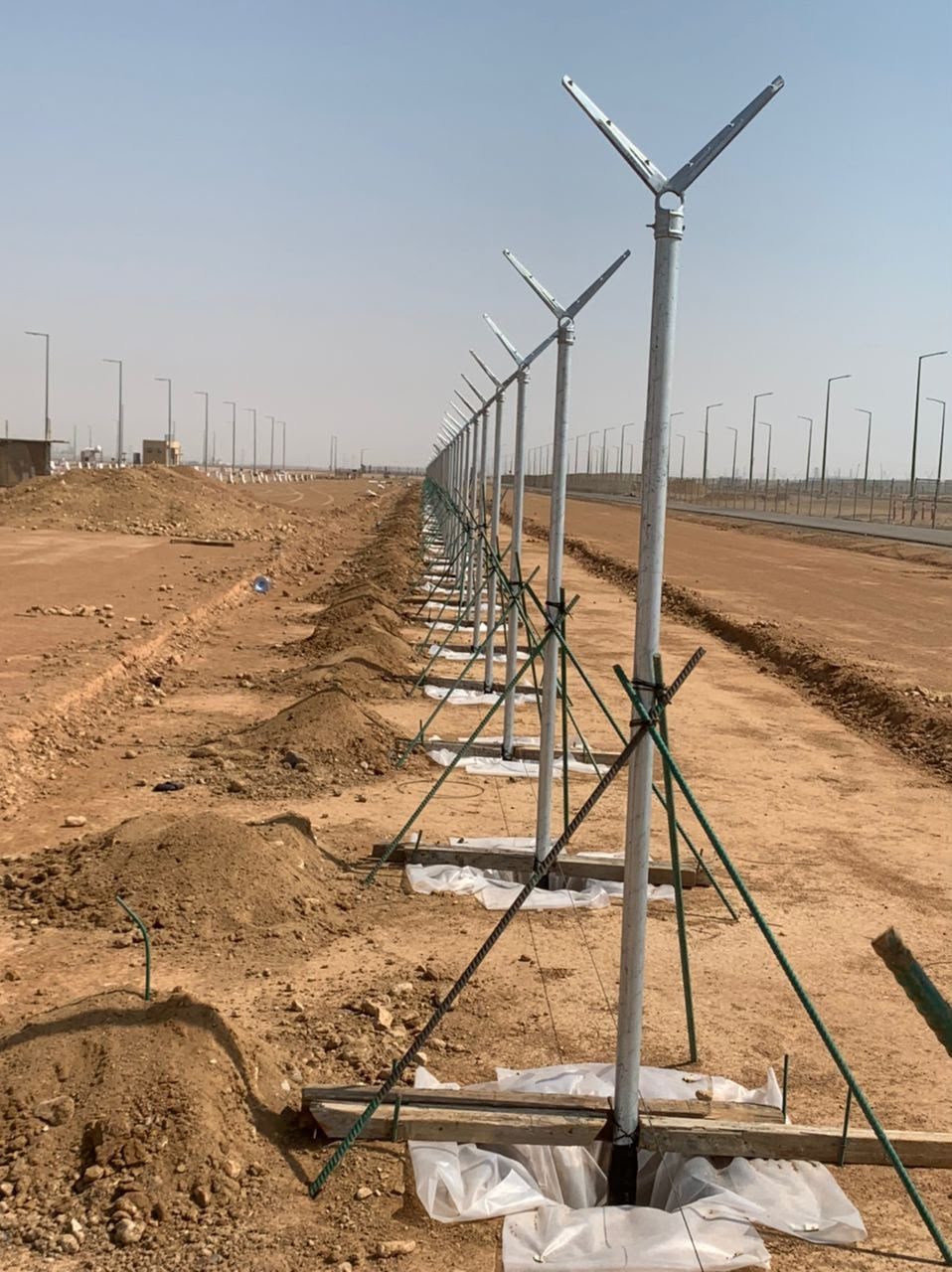
What Are the Most Common Chain-Link Fence Tension Questions?
Should chain-link mesh be stretched as tightly as possible?
No. Excessive forces may overload posts or fittings. Follow the approved system requirements.
Does every ripple indicate defective work?
Not necessarily. Compare the visible condition to the specified installation details.
Can a fence be retensioned later?
Sometimes, after verifying the cause of slack and the suitability of the support system.
Are terminal posts more important than intermediate posts?
They perform different roles. Terminal posts typically receive significant tension forces and require appropriate support.
What if a fence post leans after installation?
Investigate the post, foundation, and associated loading before adjusting the mesh.
Must mesh touch the ground?
The required clearance depends on the design, site conditions, and perimeter function.
Can photographs replace site inspection?
No. They can document visible conditions but do not fully verify workmanship and structural details.
What should a fence acceptance record include?
Locations, findings, specified requirements, corrective actions, and verification that deficiencies have been resolved.
Fence tension should be considered alongside post stability, attachment quality, and the complete perimeter specification. An accurate inspection protects the quality of the finished work rather than treating visual tightness as the only benchmark.
Visit the official Shobok Rayat Najd website for fencing inquiries.
This post is part of a series called Post