



Posted in التشجير في الرياض, زراعة الأشجار on نوفمبر 10, 2026
How to Reduce Tree Transplant Shock in Riyadh?
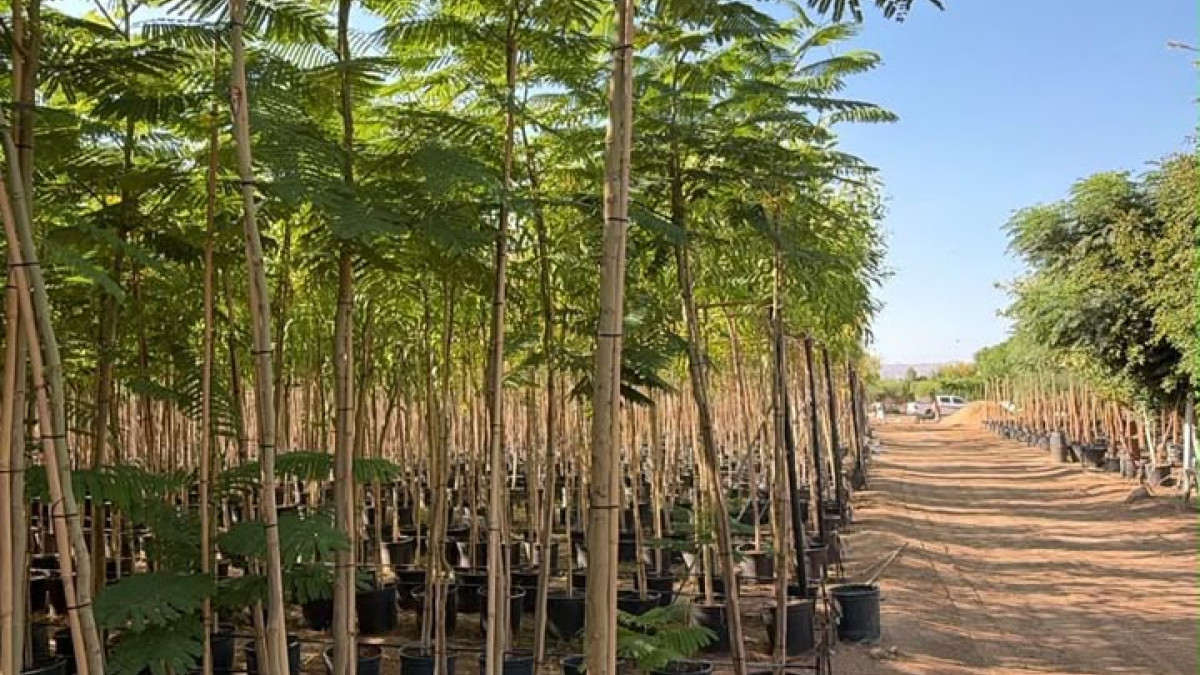
Rayat Najd | Landscaping & Tree Care
To reduce transplant shock in newly planted Riyadh trees, protect the root system, confirm correct planting depth, maintain appropriate moisture through the actual root zone, avoid unnecessary fertilizer and pruning, and monitor the tree closely as it establishes. There is no universal watering schedule or treatment that guarantees recovery, because species, size, soil, weather, and root condition all influence the outcome.
A recently planted tree may show wilting, yellowing, leaf drop, or slow new growth. Those symptoms can be associated with transplant stress, but they can also indicate overwatering, poor drainage, root injury, pests, salinity, or other problems.
This guide from Rayat Najd Landscaping explains how to distinguish common risk factors and manage the first stages of landscape tree establishment in Riyadh without relying on unsupported quick fixes.
 Call Now
 WhatsApp
What Is the Quick Answer for a Stressed New Tree?
Check whether the root ball is too dry or persistently saturated, inspect the planting depth and drainage, and look for obvious trunk or root damage. Make measured corrections based on the cause rather than automatically adding more water or fertilizer. Keep the root zone protected and seek qualified assessment for severe or worsening symptoms.
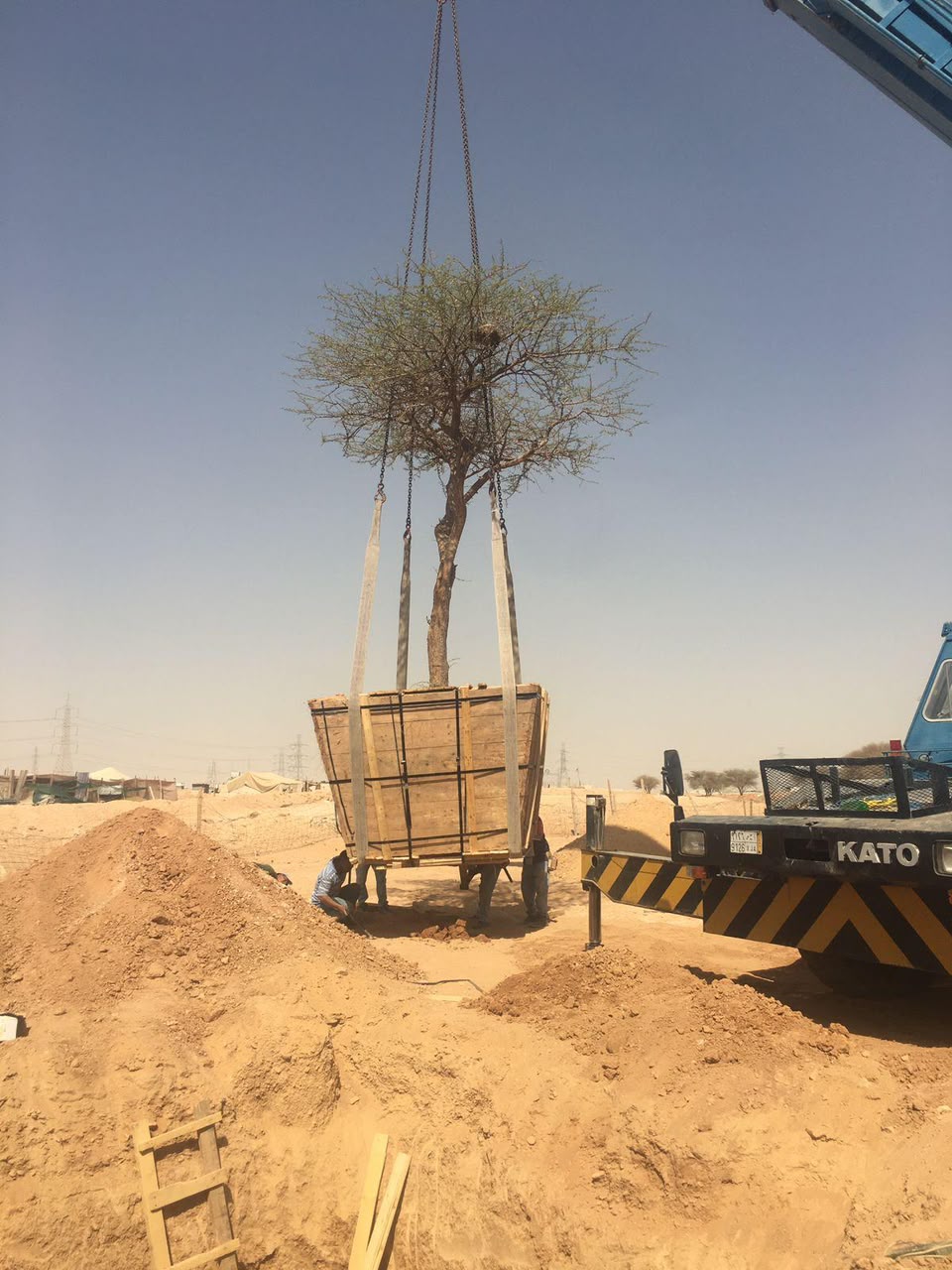
What Is Tree Transplant Shock?
Transplant shock is a general description of stress that may occur when a tree moves from its growing environment into a new landscape location. Root disturbance, changed soil conditions, altered water availability, and environmental exposure can make it difficult for roots and foliage to function in balance.
The term describes a condition rather than one specific disease. A proper assessment must identify the actual factors affecting the tree before recommending treatment.
Why Can Transplant Shock Be Challenging in Riyadh?
High temperatures, intense sunlight, drying winds, and variable urban soil conditions can increase the demands on a newly planted tree. Its root system may not yet explore enough surrounding soil to meet those demands effectively.
However, not every newly planted tree suffers the same degree of stress. Species adaptation, planting stock condition, handling quality, site drainage, and aftercare are all relevant.
Which Symptoms Suggest a Newly Planted Tree Is Stressed?
Potential signs include wilting leaves, yellowing, premature leaf drop, poor shoot extension, dieback, or foliage that fails to recover after appropriate conditions return.
These signs are not exclusive to transplant shock. Soil saturation, root decay, salt injury, insect problems, and other factors may present similarly. Review the full plant and site rather than diagnosing from one leaf.
| Observed Symptom | Possible Cause | What to Inspect | Appropriate Response |
|---|---|---|---|
| Wilting leaves | Water imbalance or root stress | Root-zone moisture and drainage | Correct verified cause |
| Yellow foliage | Several possible stresses | Moisture, soil, roots, species | Avoid automatic fertilizer |
| Leaf drop | Stress or natural cycle | Species and recent conditions | Monitor and diagnose |
| Branch dieback | Significant stress or damage | Branches, roots, trunk, site | Qualified evaluation |
How Do You Check Whether the Root Zone Is Too Wet or Too Dry?
Assess moisture at relevant depths and locations within the planted root ball and surrounding soil. A wet surface does not necessarily mean the whole root zone is adequately moist, while a dry surface does not prove that deeper soil is dry.
Appropriate tools and physical observations can help, but their readings must be interpreted for the soil material and conditions. Avoid frequent shallow watering or excessive irrigation without understanding actual moisture distribution.
How Does Incorrect Planting Depth Affect Tree Establishment?
Planting depth can affect oxygen availability, moisture conditions, and the health of the trunk-root transition. Trees planted too deeply may experience root and stem problems, particularly when inappropriate soil or mulch covers the root flare.
Inspect the relationship between the root flare, the root ball, and the surrounding finished soil level. Correcting an established depth problem may require professional assessment to avoid further root injury.
Can Mulch Reduce Stress Around New Trees?
Appropriate organic mulch may help moderate root-zone temperature, reduce unwanted weed competition, and influence moisture retention. It should be placed according to the species and site conditions, with the trunk base and root flare kept clear.
Do not pile mulch against the trunk or assume that thicker is always better. Mulch cannot compensate for poor planting depth or chronically saturated roots.
| Root-Zone Condition | Potential Effect | Assessment | Management |
|---|---|---|---|
| Dry root ball | Insufficient water uptake | Check moisture in ball | Provide appropriate water |
| Persistently saturated soil | Root oxygen limitation | Review drainage and irrigation | Correct waterlogging cause |
| Buried root flare | Trunk-root problems | Inspect planting level | Evaluate safe correction |
| Heavy soil compaction | Restricted root development | Assess surrounding ground | Site-appropriate remediation |
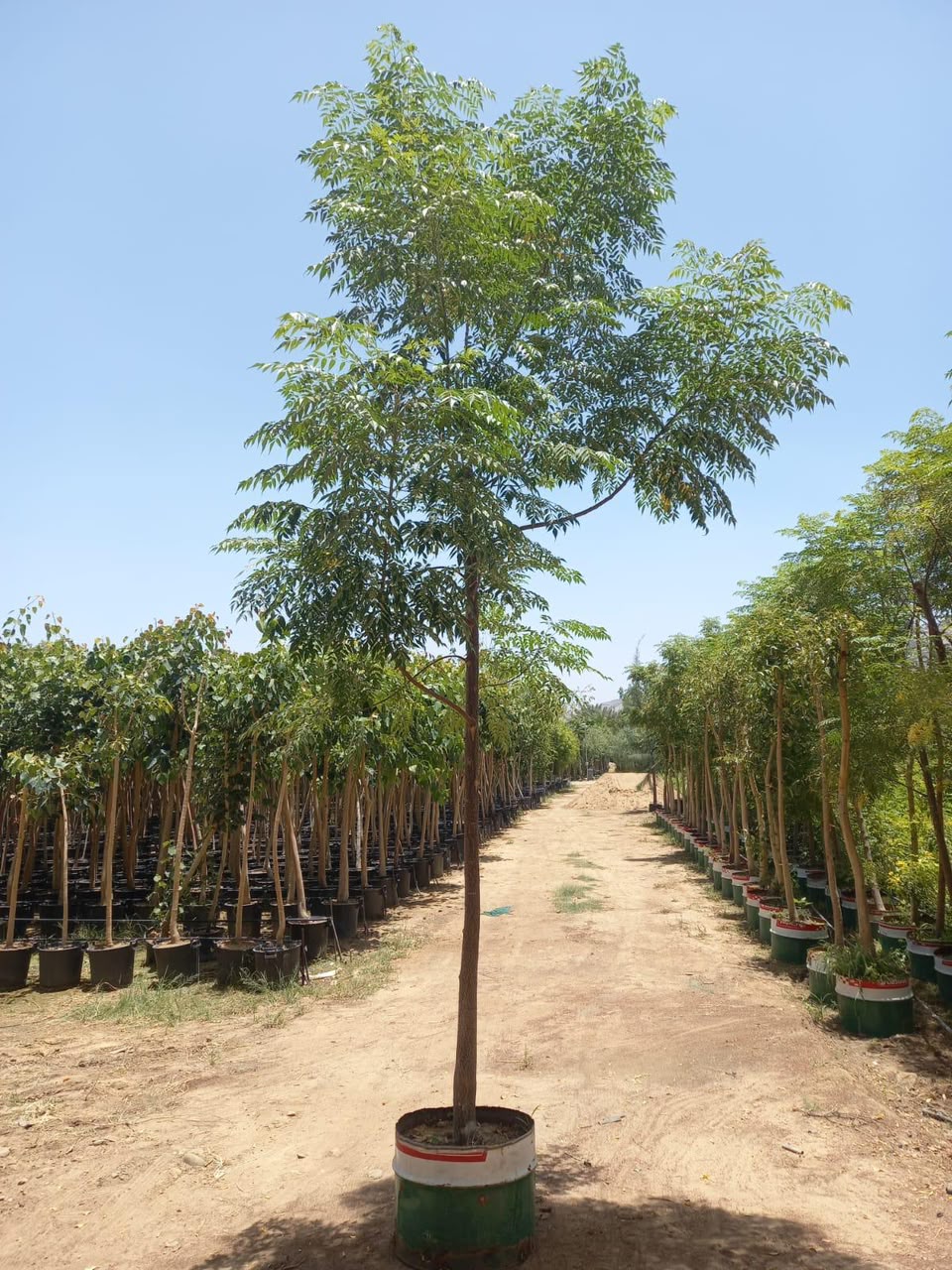
Should You Fertilize a Newly Planted Tree Showing Stress?
Fertilizer is not a general cure for transplant shock. Nutrients should be considered based on documented deficiency, soil conditions, species needs, and professional assessment.
Applying unnecessary fertilizer to a stressed root system may add salinity or other complications. Prioritize diagnosing water, roots, planting quality, and site conditions first.
Should You Prune Leaves and Branches to Reduce Transplant Shock?
Routine heavy pruning is not a reliable solution. Leaves support photosynthesis and tree recovery, and unnecessary removal can reduce the plant's resources.
Damaged, broken, or hazardous branches may need selective treatment, but avoid removing large amounts of healthy crown merely to match the reduced root system. Any structural pruning should follow species-specific tree-care guidance.
How Do Heat, Sun, and Wind Affect New Tree Recovery?
High evaporative demand can increase water loss from foliage, especially when the new root system is not yet functioning at full capacity. Location, surrounding paving, reflected heat, and wind exposure may intensify conditions.
Consider appropriate temporary protection where justified without blocking essential airflow or causing new hazards. Choose protection methods based on the tree species and site rather than applying shade or wrapping to every newly planted tree.
| Proposed Intervention | When Useful | When Harmful | Decision Basis |
|---|---|---|---|
| Adjust watering | Moisture imbalance verified | Applied without checking drainage | Root-zone assessment |
| Apply mulch | Appropriate soil-surface management | Piled against trunk | Correct placement |
| Apply fertilizer | Documented nutritional requirement | Unnecessary salt loading | Soil and plant evidence |
| Prune branches | Specific damage or hazard | Excessive healthy foliage removed | Qualified pruning assessment |
How Should You Monitor a Tree During Establishment?
Use repeatable observations of leaf condition, shoot growth, root-zone moisture, trunk condition, support ties where present, and surrounding soil. Keep a concise record of changes and interventions.
Do not evaluate success from one day's appearance alone. The expected recovery pattern differs by species and circumstances, and some problems develop gradually.
When Should a Tree-Care Specialist Inspect the Plant?
Seek qualified assessment when symptoms worsen despite appropriate basic care, when significant dieback develops, when root or trunk defects are suspected, or when the tree poses a risk to people or property.
Large or valuable specimens may justify professional evaluation sooner because delayed correction can become more difficult and costly.
What Mistakes Can Make Transplant Shock Worse?
Common errors include watering from a fixed timetable without checking moisture, allowing the root ball to remain dry, keeping soil permanently saturated, burying the root flare, piling mulch against the trunk, applying fertilizer as an automatic cure, pruning healthy foliage heavily, ignoring nearby construction compaction, and failing to record the tree's condition after planting.
Another mistake is replacing a stressed tree immediately without evaluating the planting environment. If the original cause remains, the replacement may experience the same difficulty.
What Is the Post-Planting Tree Care Checklist?
☐ Species and planting stock identified. ☐ Root flare assessed. ☐ Root ball and surrounding soil checked. ☐ Drainage evaluated. ☐ Moisture managed to actual conditions. ☐ Mulch correctly positioned where appropriate. ☐ Trunk clear of excessive soil or mulch. ☐ Tree supports inspected. ☐ Unnecessary pruning avoided. ☐ Fertilizer based on evidence. ☐ Heat exposure reviewed. ☐ Symptoms photographed and recorded. ☐ Follow-up responsibilities assigned.
| Review Stage | Primary Focus | Evidence | Next Decision |
|---|---|---|---|
| Initial review | Planting depth and roots | Site inspection | Correct confirmed defects |
| Moisture review | Water distribution and drainage | Root-zone readings | Adjust irrigation as needed |
| Health review | Foliage and growth | Repeat photographs | Continue or investigate |
| Escalation | Worsening symptoms or hazards | Professional findings | Targeted management plan |
What Are the Most Common Tree Transplant Shock Questions?
Is wilting always caused by insufficient watering?
No. Saturated roots, injury, disease, and other stresses can also produce wilt-like symptoms.
Should I water a newly planted tree every day?
There is no universal schedule. Watering should reflect the species, root ball, soil moisture, weather, and drainage.
Are yellow leaves normal after planting?
Some changes may occur, but persistent or worsening yellowing deserves investigation rather than an automatic assumption.
Will fertilizer make the tree recover faster?
Not necessarily. Fertilizer should address a demonstrated nutritional need, not be used as a general shock treatment.
Does mulch help the root zone?
Appropriate mulch can support moisture and temperature management when kept clear of the trunk.
Should I cut back branches after planting?
Avoid unnecessary heavy pruning. Selective work may be justified for damage or safety concerns.
How long does transplant shock last?
Recovery varies substantially with species, tree size, root condition, and site management; a fixed period cannot be guaranteed.
When should I ask for professional assessment?
When symptoms worsen, significant dieback appears, or root and structural problems are suspected.
Should a severely stressed tree be replaced immediately?
Not before assessing viability and site causes, unless the tree presents an unacceptable hazard requiring action.
Can a tree look stressed even when the soil is wet?
Yes. Excessively wet soil can restrict root function, so moisture alone is not evidence that roots are healthy.
Successful tree establishment in Riyadh starts with accurate diagnosis and steady, site-appropriate care. Protecting the roots, maintaining suitable soil conditions, and monitoring changes are generally more useful than applying unverified quick remedies.
Learn about landscaping and tree-care services through the official Rayat Najd Landscaping website.
This post is part of a series called Post