



Posted in الإنتاج المرئي, تصوير وتغطية الفعاليات on نوفمبر 11, 2026
How to Film Event Setup Behind the Scenes?

EVENT LIVE | Corporate Production
To film a compelling event setup video, document the venue before work begins, capture the key stages of installation, and finish with a clear view of the completed environment. Use safe camera positions, coordinate with site management, and edit the footage into an accurate transformation story rather than manufacturing events that did not occur.
Behind-the-scenes coverage can communicate the planning and technical effort behind an impressive corporate event. Its strongest material often comes from authentic changes in the space: an empty room, the installation of infrastructure, lighting tests, and the final stage.
This guide from EVENT LIVE examines the production workflow for Saudi events, with attention to visual storytelling, worker safety, time-lapse photography, and publication approval.
 Call Now
 WhatsApp
What Is the Best Simple Event BTS Shot Plan?
Capture an establishing shot before setup, a fixed-angle progression of the venue, selected technical details, and a matching completed-venue shot. Coordinate filming windows, avoid active hazardous work zones, and confirm the intended output format before the crew arrives.
Why Should a Company Film Event Preparation?
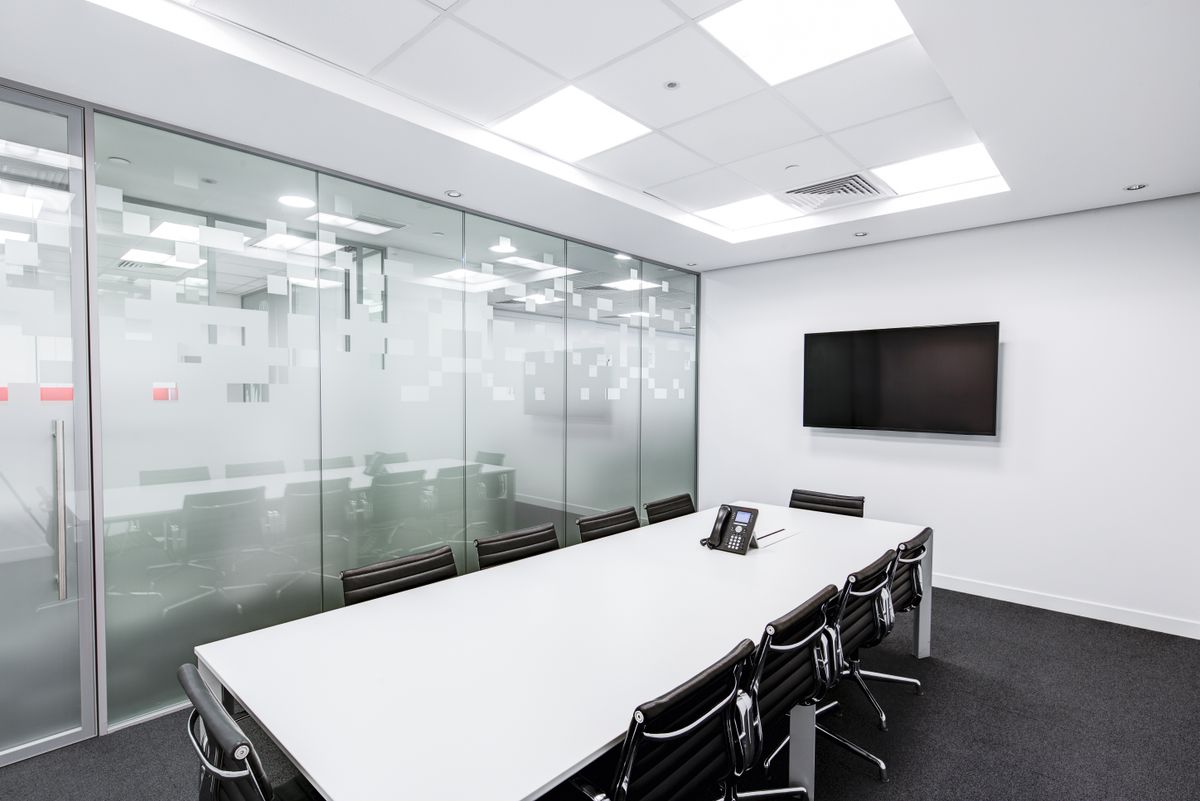
Behind-the-scenes footage can explain how a complex environment is assembled and help present the capabilities of the event production team. It may also document milestones for the client and provide material for future proposals.
A promotional BTS video is not the same as a technical inspection record. The former tells a story; the latter requires evidence suited to operational acceptance.
How Do You Prepare a Shot List Before Setup Begins?
Review the venue access schedule, technical run of show, and installation milestones. Identify when major visual changes will occur and which activities are permissible to film.
Reserve a repeatable wide angle that can be used before and after the transformation. It will provide continuity even when the montage includes many different camera perspectives.
| Phase | Recommended Shot | Story Purpose | Coordination |
|---|---|---|---|
| Empty venue | Stable wide frame | Initial condition | Venue access approval |
| Stage construction | Safe detail and wide shots | Visible progress | Construction supervisor |
| Lighting checks | Real test sequences | Technical development | Lighting operator |
| Completed venue | Matching final composition | Transformation reveal | Event manager |
How Should Camera Positions Be Selected?
Use a wide view for spatial transformation and tighter details for equipment, stage materials, lighting, and final finishes. Every angle should contribute something specific.
Camera locations must remain clear of vehicle routes, lifting operations, and restricted installation zones.
How Do You Record a Reliable Setup Time-Lapse?
Use a stable, approved camera location with sufficient power and storage. Choose an interval appropriate for the length of the work and the speed of visible change.
Time-lapse cameras can operate unattended only when the site permits it and the equipment is safely secured. They should not obstruct access or create trip hazards.
Which Technical Details Make BTS Footage Interesting?
Useful details may include stage assembly, approved signage placement, cable organization, lighting fixtures, projection tests, and venue finishing work. The best details reveal genuine workmanship rather than arbitrary movement.
Do not request unsafe reenactments to create additional action. The production should adapt to actual work, not force operational crews to perform for the camera.
How Do You Prevent Flicker When Filming LED Screens?
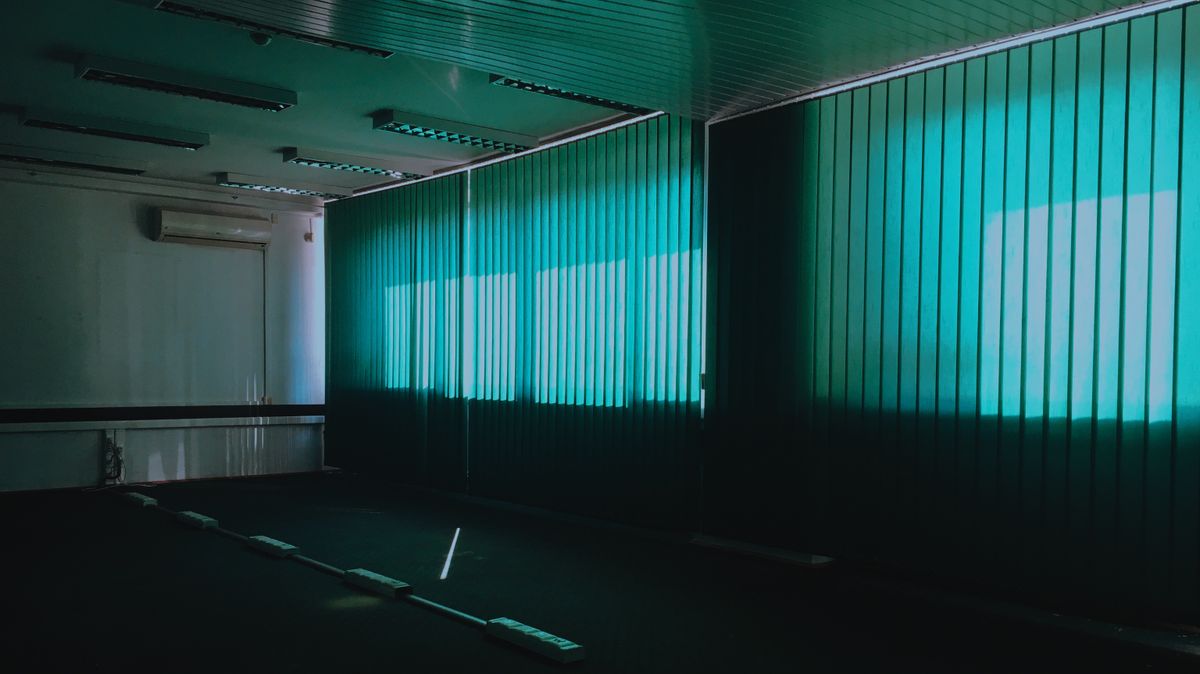
Test the relationship between camera shutter settings, frame rate, display refresh characteristics, and lighting conditions. Some LED systems may produce banding or flicker under incompatible capture settings.
Evaluate exposure and color before major production moments. A realistic BTS film should preserve the venue's intended appearance.
How Do You Keep the Film Crew Safe During Installation?
Follow site access controls, required protective equipment, and instructions from the responsible safety personnel. Filming must not place operators beneath suspended loads or inside active electrical or moving-equipment work zones.
Agree on authorized filming positions and reassess them as the installation environment changes.
| Work Area | Hazard | Control | Approval |
|---|---|---|---|
| Lifting operations | Suspended loads | Shoot outside exclusion zone | Site supervisor |
| Electrical preparation | Exposure and trip risk | Maintain permitted distance | Authorized work area |
| Equipment route | Collision | Keep tripod outside path | Movement coordinator |
| Stage testing | Unexpected changes | Schedule with technician | Production lead |
How Should the Transformation Story Be Edited?
Start with the original venue, show meaningful progress through installation and testing, then reveal the finished stage. Keep enough continuity that viewers can understand what changed.
Speed ramps and transitions may help pacing, but visual effects should not fabricate construction steps or imply results that were never achieved.
How Can BTS Footage Be Adapted for TikTok and Snapchat?
Prepare vertical 9:16 framing around the most important visual changes. Keep logos and captions clear of interface areas and avoid cropping out critical parts of the stage.
Consider creating a separate horizontal edit for corporate presentations and portfolio use, rather than assuming every vertical crop will remain coherent.
| Output | Main Use | Visual Priority | QA Check |
|---|---|---|---|
| Vertical highlight | Short-form social | Immediate transformation | Safe text area |
| Horizontal film | Corporate presentation | Venue context | Composition continuity |
| Time-lapse | Construction progression | Stable transformation | Frame consistency |
| Photo record | Project documentation | Accurate milestones | Correct dates and stages |
How Do You Maintain Authenticity in the Final Video?
Do not insert footage from unrelated projects as if it belongs to the documented installation. Verify the progression of stages and obtain permission for visible logos, proprietary plans, and sensitive backstage information.
Compressed footage can illustrate work progression, but it should not imply unsupported claims about labor hours, project completion speed, or technical performance.
How Should Behind-the-Scenes Media Be Delivered?
Organize footage by stage and recording date, separate originals from approved exports, and label vertical and horizontal versions clearly. Verify music and branding rights before publication.
Maintain a review process that includes both editorial quality and the client's permission to release the relevant material.
| Delivery Stage | Requirement | Verification | Acceptance |
|---|---|---|---|
| Footage sorting | Chronological structure | Recording metadata | Organized archive |
| Editing | Coherent transformation | Authentic sequence | Editorial approval |
| Export | Correct media formats | Video and audio QA | Usable files |
| Publication | Usage permission | Client authorization | Approved release |
What Is the Event Setup Filming Checklist?
☐ Setup schedule reviewed. ☐ Site access approved. ☐ Safety contact assigned. ☐ Opening shot planned. ☐ Camera positions authorized. ☐ Time-lapse secured. ☐ LED and lighting tested. ☐ Key details documented. ☐ Finished venue captured. ☐ Chronology verified. ☐ Branding permissions checked. ☐ Export formats agreed.
What Are the Most Common Event BTS Questions?
Is time-lapse enough for a complete BTS video?
It can show overall progress, but detail shots usually improve the story.
Can a camera remain unattended during setup?
Only when permitted and safely located.
Should workers be recognizable on screen?
Not necessarily, and applicable consent and privacy requirements should be respected.
Can indoor drones be used?
Only under applicable permissions and safe operational conditions.
Which final shot is most effective?
A clear view of the completed venue, ideally comparable with an opening composition.
Can horizontal footage become a vertical video?
Sometimes, but planned framing usually produces better results.
Should BTS footage always be fast-paced?
No. Pacing should preserve a comprehensible transformation story.
Who should approve the video?
The authorized organizer or content owner, according to the agreed workflow.
Strong behind-the-scenes production combines authentic progress, disciplined composition, safe filming, and clear editorial sequencing.
Learn more through the official EVENT LIVE website.

This post is part of a series called Post