



Posted in تحسين التربة, فحص التربة on نوفمبر 11, 2026
How to Identify Salt Damage in Riyadh Trees?
Rayat Najd | Landscaping and Tree Care
To identify possible salt damage in Riyadh landscape trees, examine leaf-tip and margin browning, growth reduction, and root-zone conditions, then verify the suspicion with suitable soil and irrigation-water testing. Leaf symptoms alone cannot confirm salinity because drought, heat, root damage, and other problems may look similar.
Salinity becomes important when dissolved salts accumulate in the soil solution or when particular ions reach harmful levels. It can reduce a tree's ability to take up water and may cause direct ion-related injury, depending on species sensitivity and site conditions.
This guide from Rayat Najd Landscaping explains how to investigate salt stress in planted landscapes, interpret laboratory results responsibly, and avoid treatments that may worsen conditions.
 Call Now
 WhatsApp
What Is the Quick Answer to Suspected Tree Salt Stress?
First inspect the irrigation source, drainage, root-zone moisture, and recent maintenance changes. Collect representative soil and water samples where appropriate and evaluate electrical conductivity and relevant ion concentrations. Choose any corrective measures only after understanding the cause and whether the site can safely drain and dispose of excess salts.
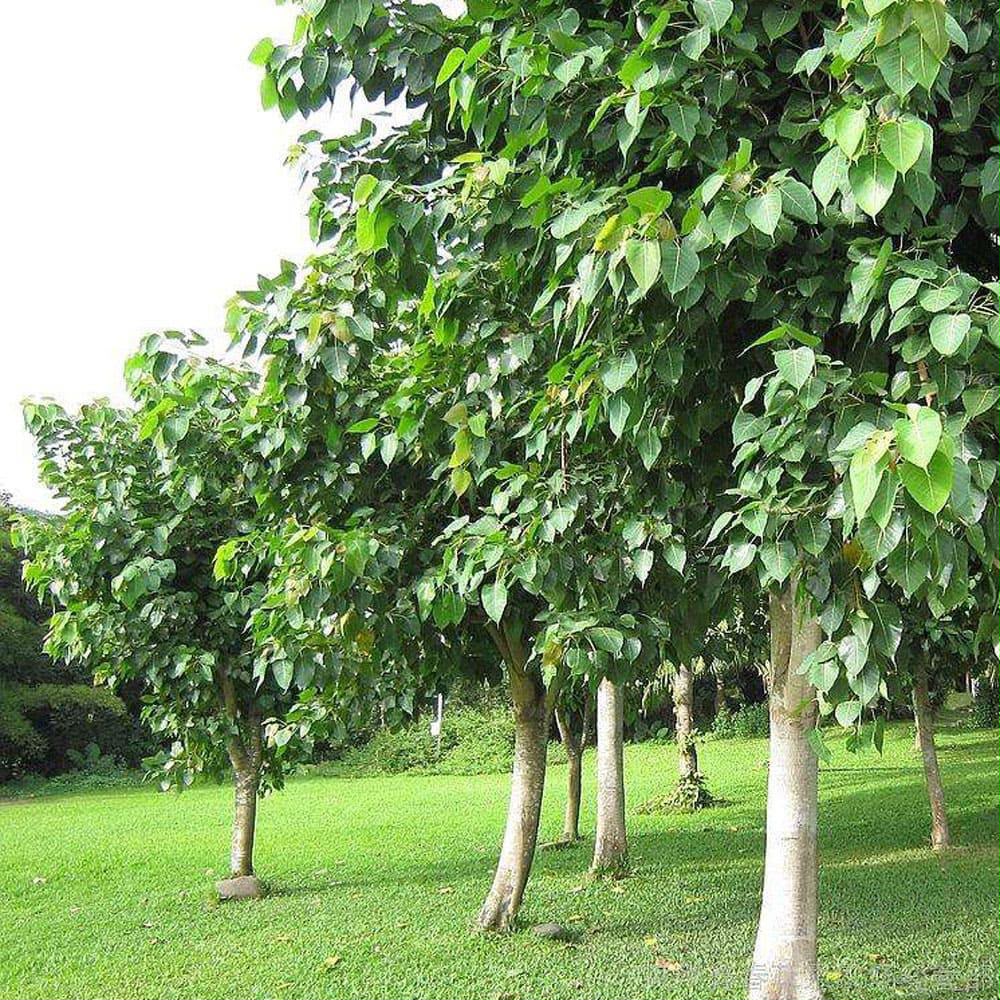
What Is Salt Stress in Landscape Trees?
Salt stress occurs when salinity or specific dissolved ions interfere with a tree's normal functioning. Elevated salt concentration in the root-zone solution can make water uptake more difficult even when the soil appears moist.
Some salts or ions may also accumulate in sensitive plant tissues. Different species, rootstocks, and site conditions can produce different responses.
What Are the Visible Symptoms of Salt Damage?
Possible symptoms include brown leaf tips, marginal scorching, premature leaf drop, reduced shoot growth, and declining canopy quality. Symptoms may differ between older and younger leaves depending on the underlying mechanism.
None of these observations confirms salinity by itself. Heat injury, insufficient water, waterlogged roots, nutrient problems, and pests may create similar patterns.
| Symptom | Possible Explanation | What to Examine | Important Caution |
|---|---|---|---|
| Brown leaf tips | Salt or water stress | Water and soil conditions | Not diagnostic alone |
| Marginal leaf burn | Potential ion injury | Irrigation source and testing | Other stresses can mimic it |
| Poor new growth | Root-zone limitations | Soil, roots, moisture | Check wider causes |
| Early leaf drop | Stress or seasonal response | Species and recent conditions | Avoid automatic diagnosis |
What Causes Salts to Build Up Around Tree Roots?
Possible contributors include salts in irrigation water, insufficient drainage, evaporation that leaves salts behind, and soil properties that affect water and solute movement. Existing site materials can also influence the initial salinity level.
Do not assume that the water source is solely responsible. Proper investigation includes soil condition, irrigation practices, and the history of site development.
How Should Soil Samples Be Collected for Salinity Testing?
Representative sampling should reflect the affected root zone, irrigation pattern, and any differences between healthy and stressed trees. The number and depth of samples depend on the site's variability and the diagnostic question.
Use appropriate sample collection methods and a qualified laboratory. Randomly collecting only surface crust may not adequately represent root-zone salinity.
What Does Soil Electrical Conductivity Tell You?
Electrical conductivity, or EC, is a measure related to the concentration of dissolved ions in a solution. It is widely used as a salinity indicator, but interpretation depends on the testing method and units.
EC from a saturated-paste extract, ECe, should not be directly equated with readings from every handheld probe or dilution method. Compare results against relevant laboratory methods and species-specific guidance.
| Measurement | What It Indicates | Limitation | Use |
|---|---|---|---|
| Soil ECe | Extract salinity | Requires method-specific interpretation | Root-zone assessment |
| Irrigation-water EC | Water salinity indicator | Not complete ion profile | Source evaluation |
| Sodium-related indices | Potential structural concerns | Need full chemistry context | Sodicity assessment |
| Chloride analysis | Specific ion concentration | Tolerance varies by species | Ion injury investigation |
How Do Sodium and Chloride Affect Tree Health Differently?
Elevated chloride or sodium can contribute to specific ion toxicity in susceptible plants. Sodium can also affect soil structure under certain chemical conditions, potentially interfering with infiltration and root-zone aeration.
Saline soil and sodic soil are not identical conditions. The appropriate management strategy depends on the soil chemistry and physical properties.
How Does Irrigation Water Quality Influence Salinity?
Irrigation water introduces dissolved salts at concentrations that depend on its source and treatment. Repeated irrigation can contribute to salt accumulation when water movement and drainage do not remove enough salts from the root zone.
Evaluate water EC and relevant ion concentrations, along with application methods and local drainage. Water that is suitable for one species or soil may pose problems for another.
Why Is Soil Drainage Essential to Salinity Management?
Salts can only be moved out of a root zone when water and dissolved ions have an appropriate pathway. Poor drainage may allow saline water to remain in the rooting area and increase other problems such as oxygen limitation.
Adding large volumes of water without suitable drainage can create waterlogging rather than solve salinity. This is particularly important around constructed landscape beds or heavily compacted soils.
When Can Leaching Help Reduce Root-Zone Salinity?
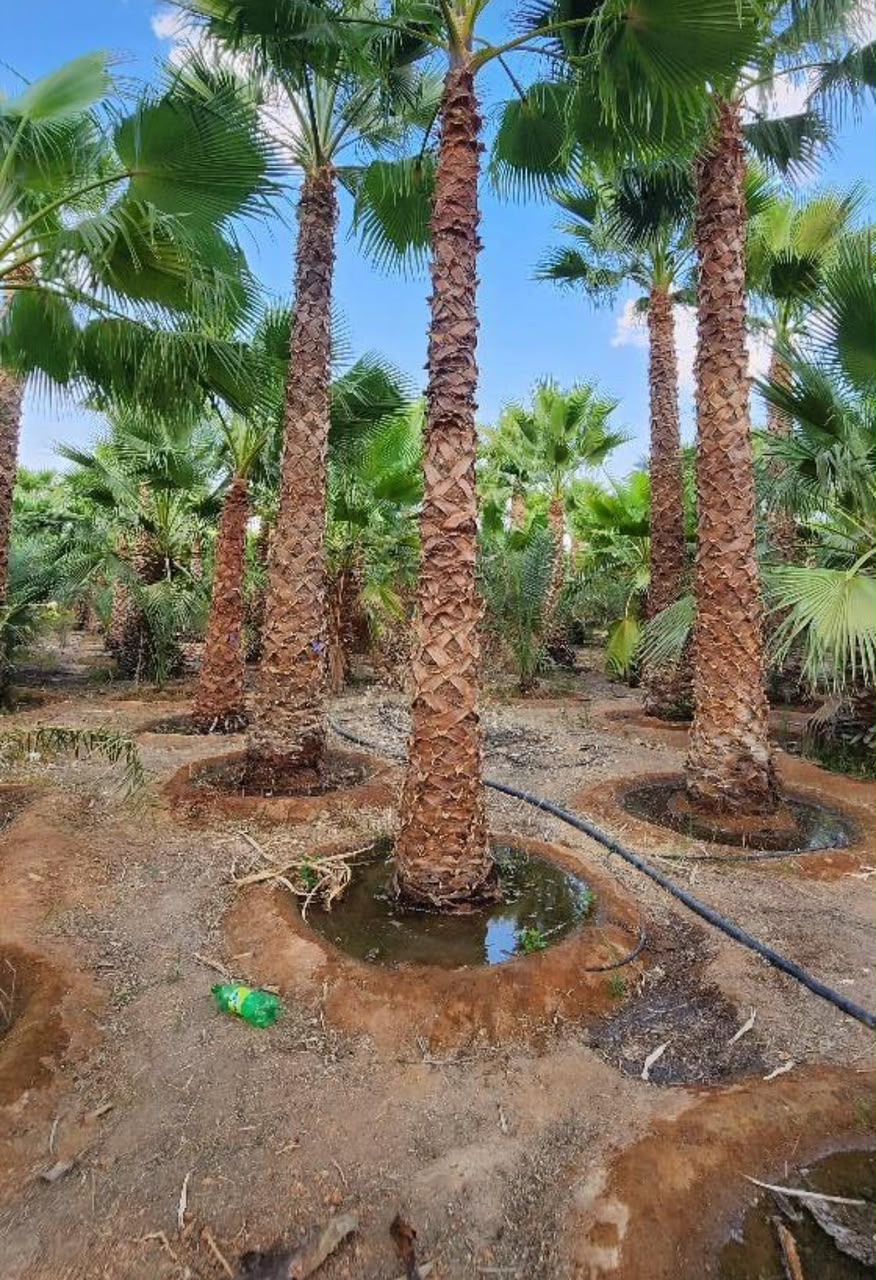
Leaching may help move soluble salts below the active root zone when water quality, soil permeability, drainage, and safe disposal conditions permit it. It is not a universal instruction to irrigate excessively.
Any leaching plan should consider where the water and salts will move. On restricted urban properties, unmanaged drainage can affect adjacent structures or planting areas.
Should Gypsum or Fertilizer Be Applied to Salt-Stressed Trees?
Gypsum may be relevant to certain soil sodicity problems, but it is not a general cure for all saline soils. The decision requires soil chemistry evidence and an understanding of exchangeable sodium and drainage.
Similarly, applying fertilizer without a demonstrated nutrient requirement can add soluble salts and worsen stress. Diagnose the problem first rather than applying a generic treatment.
| Proposed Response | Potential Role | When Inappropriate | Decision Basis |
|---|---|---|---|
| Irrigation adjustment | Improve root-zone balance | Without testing moisture and drainage | Site assessment |
| Leaching | Move soluble salts | No drainage pathway | Water and soil testing |
| Gypsum | Selected sodicity management | Unconfirmed soil problem | Chemical analysis |
| Fertilizer | Correct documented deficiency | Used as generic salt cure | Nutrient evidence |
How Should Salt-Stressed Trees Be Monitored?
Document symptom patterns, new growth, soil moisture, irrigation source changes, and relevant test results. Take repeatable photographs from similar positions to distinguish progression from temporary changes.
Existing damaged leaf tissue may not return to its original appearance, so evaluate the condition of subsequent growth and the broader canopy rather than expecting old scorch marks to disappear.
What Mistakes Commonly Worsen Salt Stress?
Common mistakes include diagnosing salinity from leaf color alone, adding more water without checking drainage, applying gypsum without soil analysis, using fertilizer as a quick cure, ignoring irrigation-water chemistry, and relying on handheld EC readings without understanding the measurement method.
Replacing a declining tree without investigating the underlying conditions can lead to the same problem recurring in the new planting.
What Checklist Should Be Used Before Treating Salinity?
☐ Tree species identified. ☐ Symptoms documented. ☐ Irrigation source reviewed. ☐ Water sample assessed. ☐ Root-zone moisture checked. ☐ Soil sampling representative. ☐ EC test method known. ☐ Relevant ions assessed. ☐ Drainage evaluated. ☐ Other causes considered. ☐ Corrective plan justified. ☐ Monitoring scheduled.
| Review Stage | Required Information | Result | Next Action |
|---|---|---|---|
| Visual review | Symptoms and site history | Working hypotheses | Plan appropriate tests |
| Soil testing | EC method and chemistry | Root-zone evidence | Interpret for species and soil |
| Water testing | EC and relevant ions | Source assessment | Review management feasibility |
| Follow-up | New growth and repeat findings | Treatment response | Continue or revise plan |
What Are the Most Common Questions About Salt-Damaged Trees?
Do brown leaf tips always indicate salt damage?
No. Water stress, heat, and other causes may produce similar symptoms.
What does high EC mean?
It indicates increased electrical conductivity associated with dissolved ions, but interpretation depends on the measurement method.
Can a handheld soil meter replace laboratory testing?
Not reliably for every diagnostic purpose; the method and calibration matter.
Does extra watering always remove salts?
No. Suitable drainage and a safe water pathway are essential.
Is gypsum useful for every saline soil?
No. It may be appropriate for selected sodicity conditions, not as a universal salinity treatment.
Can fertilizer repair salt-burned leaves?
Not automatically. Fertilizer can introduce more dissolved salts when unnecessarily applied.
Should the irrigation water be tested?
Yes, when it is a plausible source of accumulating salts or ion toxicity.
Will damaged leaves recover their original color?
Existing necrotic tissue generally does not become healthy again; focus on new growth and overall condition.
Are all landscape tree species equally salt tolerant?
No. Sensitivity varies substantially by species and growing conditions.
When is professional diagnosis necessary?
When decline persists, test interpretation is uncertain, or significant soil and irrigation changes are considered.
Effective salinity management requires evidence rather than assumptions. Accurate soil and water assessment, appropriate drainage, and species-sensitive care help create a more defensible tree-health strategy for Riyadh landscapes.
For tree and landscape services, visit the official Rayat Najd Landscaping website.
This post is part of a series called Post