



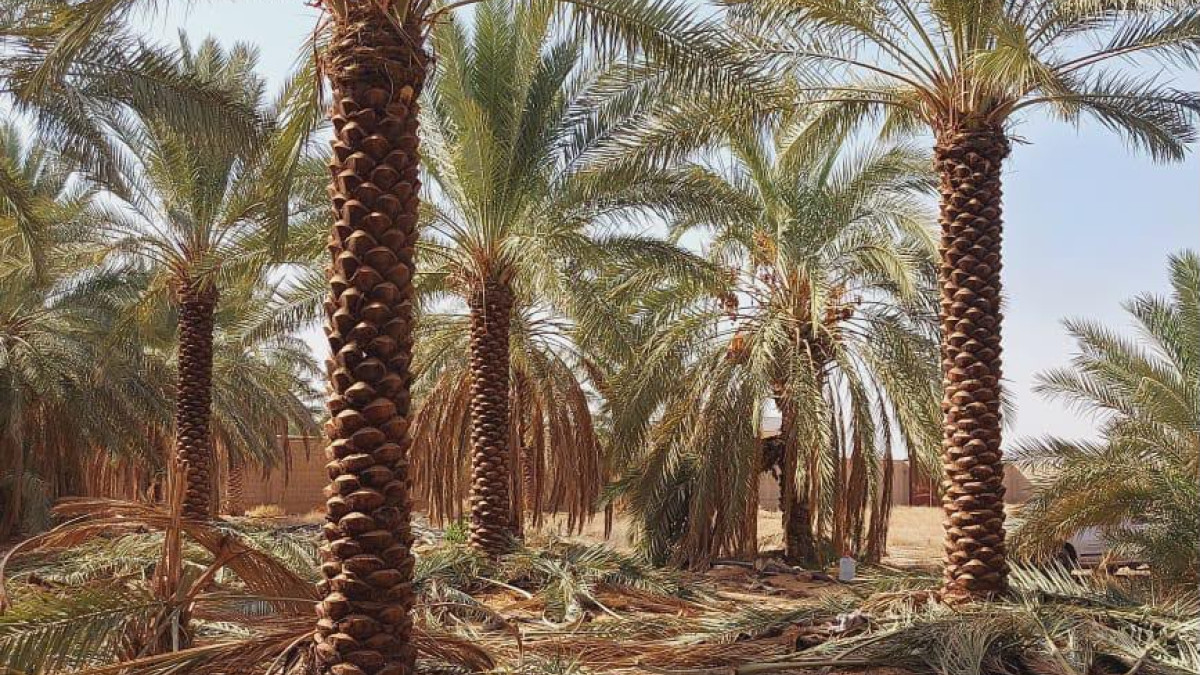
To prevent root rot in Riyadh gardens, avoid prolonged soil saturation, use a well-designed irrigation schedule, improve drainage before planting, keep water away from tree trunks and root crowns, and regularly inspect soil moisture at root depth. Root rot risk increases when roots remain in poorly aerated, excessively wet soil, particularly where drainage problems and susceptible plant pathogens occur together.
Riyadh's hot, dry climate creates a landscaping challenge: trees and ornamental plants need dependable irrigation, but applying water too frequently can leave poorly drained planting beds saturated. Hot weather does not automatically mean that every tree needs daily watering, especially when the soil remains wet below the surface.
In residential villas, commercial landscapes, palm gardens, and newly developed green spaces, root health depends on the interaction between soil structure, irrigation design, planting depth, drainage, and plant selection.
This guide explains how to recognize potential root problems, prevent conditions that encourage root rot, protect palms and landscape trees, and maintain healthy planted areas in Riyadh and similar Saudi environments.
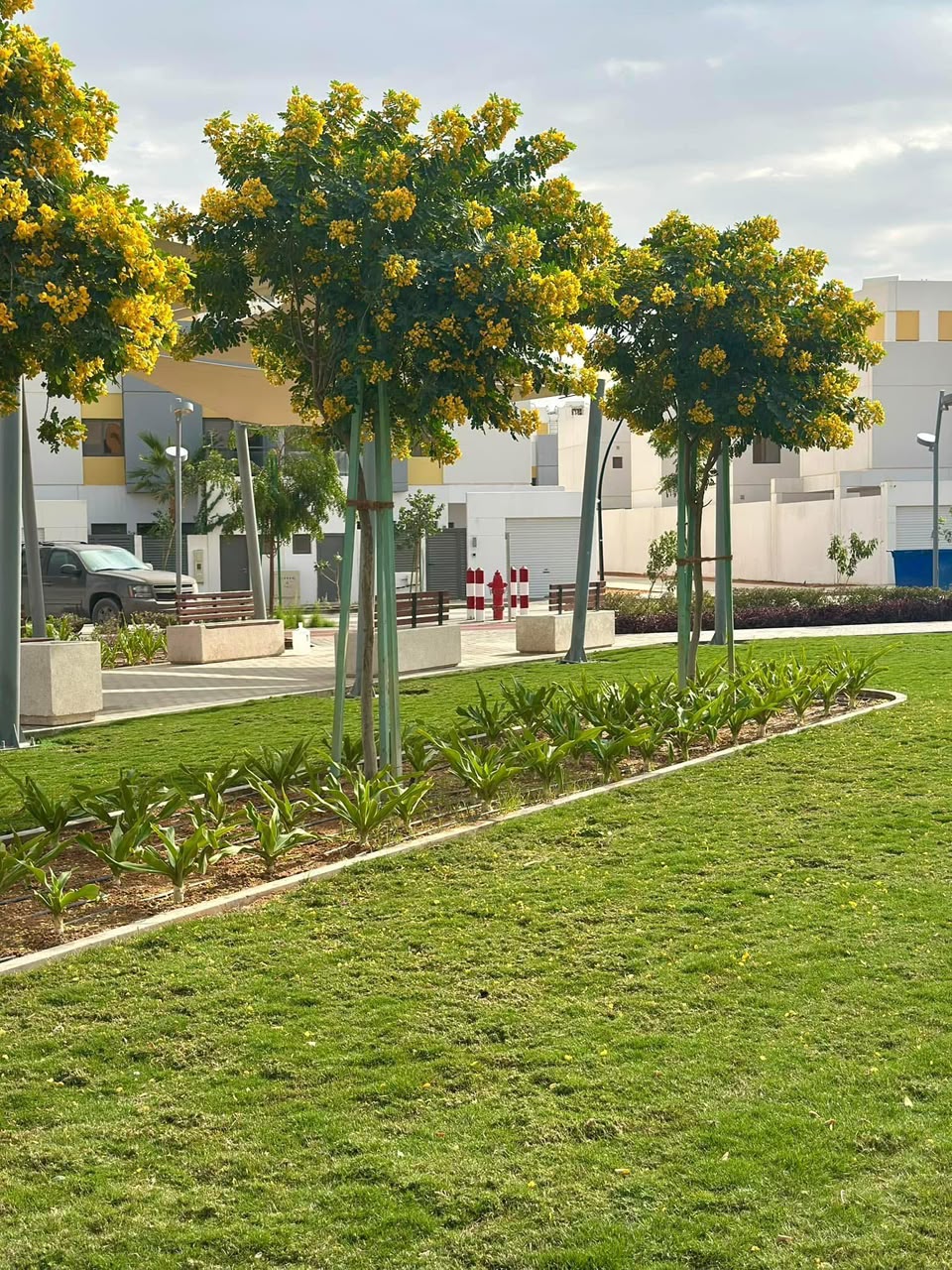
What Is the Quickest Way to Prevent Root Rot in a Riyadh Garden?
The quickest preventive approach is to check whether the soil remains excessively wet around the active root zone, correct unnecessary irrigation, and address drainage problems before they damage the plants.
Begin with these priorities:
- Inspect the soil moisture below the surface.
- Check for standing water or prolonged saturation.
- Review irrigation frequency and duration.
- Inspect drip emitters and sprinkler coverage.
- Check whether water accumulates against tree trunks.
- Verify that the root crown is not buried too deeply.
- Identify soil compaction and drainage restrictions.
- Examine declining plants for root problems.
- Seek a professional diagnosis when symptoms persist.
- Record irrigation adjustments and plant responses.
The objective is not to keep the soil dry at all times. Healthy plants need sufficient moisture, but roots also require adequate oxygen.
What Is Root Rot in Landscape Trees and Shrubs?
Root rot is deterioration of root tissues associated with harmful organisms or unfavorable growing conditions, often involving excessive moisture, low soil oxygen, and pathogens that attack susceptible plants.
Some important root rot diseases are caused by organisms such as Phytophthora, while others are associated with different fungi or soilborne pathogens.
Not every damaged or discolored root is evidence of the same disease. Severe waterlogging can injure roots directly by restricting oxygen, even without confirmation of a specific pathogen.
Is Root Rot Always Caused by a Fungus?
No. The term is often used broadly for decaying roots, but actual causes can include fungal pathogens, fungus-like organisms such as Phytophthora, and root injury from poor soil conditions.
Why Do Roots Need Oxygen?
Living roots require oxygen for respiration and other metabolic processes. When water displaces air from soil pore spaces for prolonged periods, root function and growth can decline.
Why Can Root Rot Occur in Riyadh's Dry Climate?
Root rot can occur in Riyadh because the climate above ground does not necessarily reflect moisture conditions below ground.
A planting bed may look dry at the surface while deeper soil remains wet, especially where irrigation is frequent, the soil is compacted, or a poorly draining layer restricts water movement.
Automatic irrigation systems can also apply more water than a particular planting area needs.
Can Hot Weather Make Overwatering More Difficult to Recognize?
Yes. A dry soil surface and high air temperature may encourage additional watering even when the deeper root zone already contains sufficient moisture.
Do Sandy Soils Eliminate Root Rot Risk?
No. Sandy soils often drain faster than fine-textured soils, but compaction, buried construction layers, enclosed planting pits, and excessive irrigation can still produce unfavorable root conditions.
How Can You Recognize Early Root Rot Symptoms?
Look for persistent wilting despite moist soil, yellowing or dull foliage, declining growth, branch dieback, and roots that appear damaged or decayed.
These symptoms are not exclusive to root rot. Drought, salinity, nutrient problems, heat stress, and other diseases can produce similar visible effects.
| Observed Symptom | Possible Explanation | Recommended Check |
|---|---|---|
| Wilting with wet soil | Root dysfunction or disease | Inspect root-zone moisture and root condition |
| Yellowing leaves | Waterlogging, nutrition, salinity, or other stress | Assess soil, water, and foliage patterns |
| Reduced new growth | Restricted root function | Evaluate drainage and rooting conditions |
| Brown, soft fine roots | Root tissue deterioration | Seek diagnostic confirmation if necessary |
| Decline in low-lying areas | Poor drainage or water accumulation | Inspect site grading and irrigation |
| Darkened crown tissue | Potential crown disease or injury | Arrange qualified plant-health inspection |
The University of California IPM guidance on Phytophthora root and crown rot explains how prolonged wetness can contribute to disease and why symptom-based diagnosis requires care.
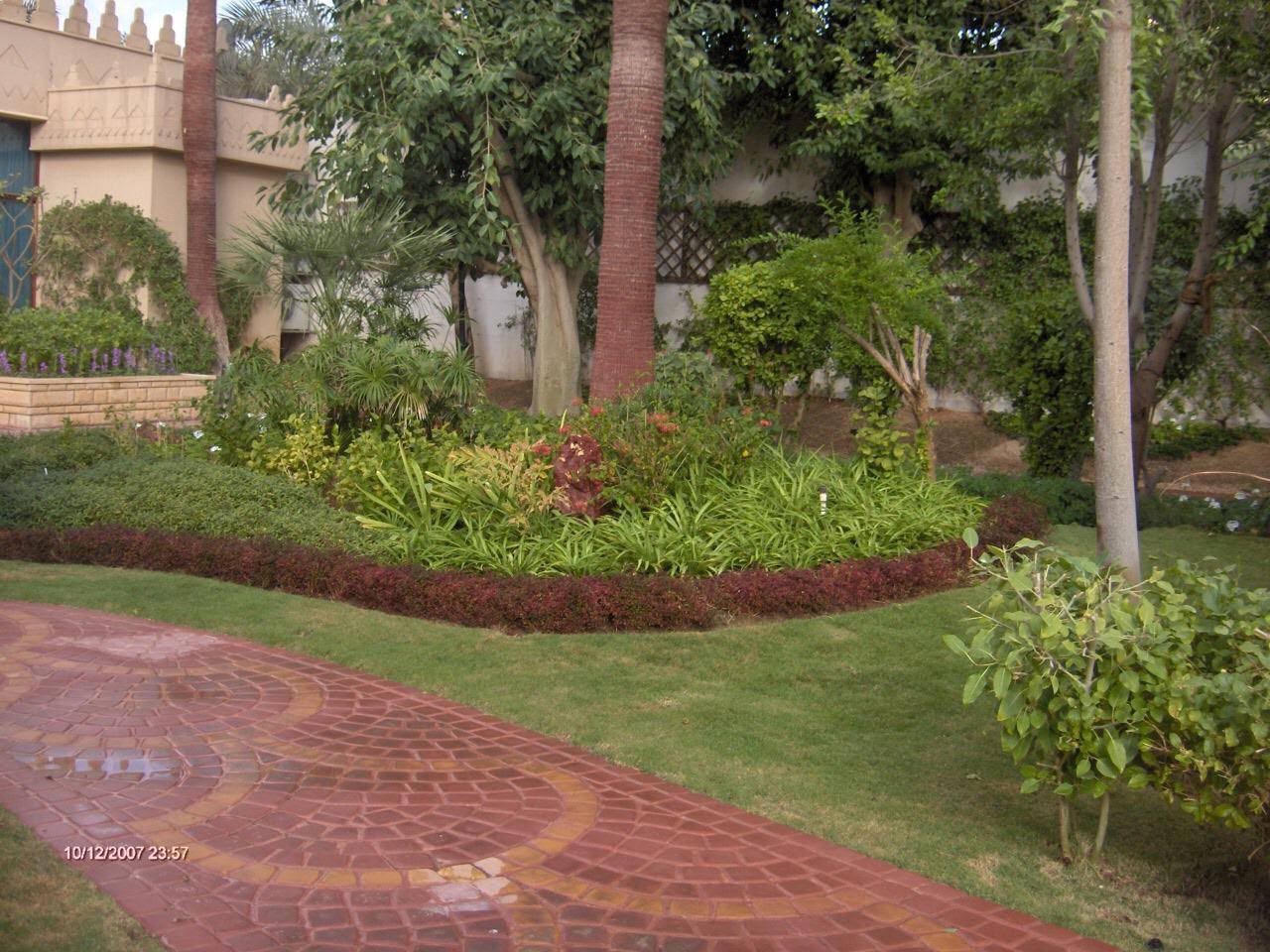
How Can You Distinguish Root Rot From Drought Stress?
Examine the moisture conditions and root health before adding more water, because both drought and damaged roots can cause leaves to wilt.
When soil is very dry at the relevant root depth, inadequate water may be a concern. When soil remains saturated and the plant continues to wilt, damaged or oxygen-deprived roots may be contributing to the problem.
These observations guide investigation, but do not establish a definitive disease diagnosis.
Can an Overwatered Tree Look Dehydrated?
Yes. Severely damaged roots may be unable to absorb water effectively even when water is present in the soil.
Should You Water Immediately When Leaves Wilt?
Not automatically. Check soil moisture and plant condition first, particularly when the tree has recently received irrigation.
How Does Poor Soil Drainage Increase Root Rot Risk?
Poor drainage allows water to remain in the root zone long enough to reduce oxygen availability and create conditions favorable to certain root diseases.
Potential causes include compacted soil, fine-textured subsurface layers, poorly designed planting basins, and construction materials left beneath landscaped areas.
Why Can a Planting Hole Become a Water Trap?
If the surrounding soil drains slowly, a planting hole filled with a more permeable material may collect water without providing an effective route for that water to leave.
Can Construction Activity Damage Garden Soil?
Yes. Heavy machinery and repeated traffic can compact soil, reduce pore space, restrict drainage, and limit healthy root development.
How Can You Check Whether a Garden Has Drainage Problems?
Inspect the site after irrigation, check subsurface moisture with appropriate tools, and evaluate whether water persists unusually long in planting areas.
For new installations, drainage investigations should be performed before planting expensive trees or palms.
| Diagnostic Method | What It Reveals | Important Limitation |
|---|---|---|
| Visual surface inspection | Ponding and runoff patterns | Cannot confirm deeper soil conditions |
| Soil probe | Moisture and texture at selected depths | Small sample area |
| Moisture sensor | Changes in soil moisture | Requires suitable installation and interpretation |
| Soil infiltration assessment | Water-entry behavior | Does not alone establish deep drainage capacity |
| Professional soil profile inspection | Compaction, layers, and rooting restrictions | May require carefully planned excavation |
Do not excavate through major supporting roots of an established tree merely to perform a drainage test. Valuable or unstable trees require a careful assessment by a qualified professional.
How Should Drip Irrigation Be Managed to Prevent Root Rot?
Manage drip irrigation according to plant water requirements, soil moisture, root distribution, emitter output, and actual weather conditions rather than using one fixed watering schedule for every plant.
Drip systems can provide precise watering, but they can still oversaturate soil when emitters run too frequently or remain concentrated in the wrong locations.
Should Drip Emitters Be Placed Against Tree Trunks?
Generally, avoid concentrating irrigation directly against the trunk or root crown. Position emitters so that water reaches the active root zone without repeatedly soaking sensitive trunk tissue.
Does Every Tree Need Daily Drip Irrigation in Summer?
No. Irrigation requirements depend on species, age, establishment stage, soil characteristics, root depth, and weather. Newly planted trees may need more frequent monitoring, but frequency should not be confused with the amount of water required.
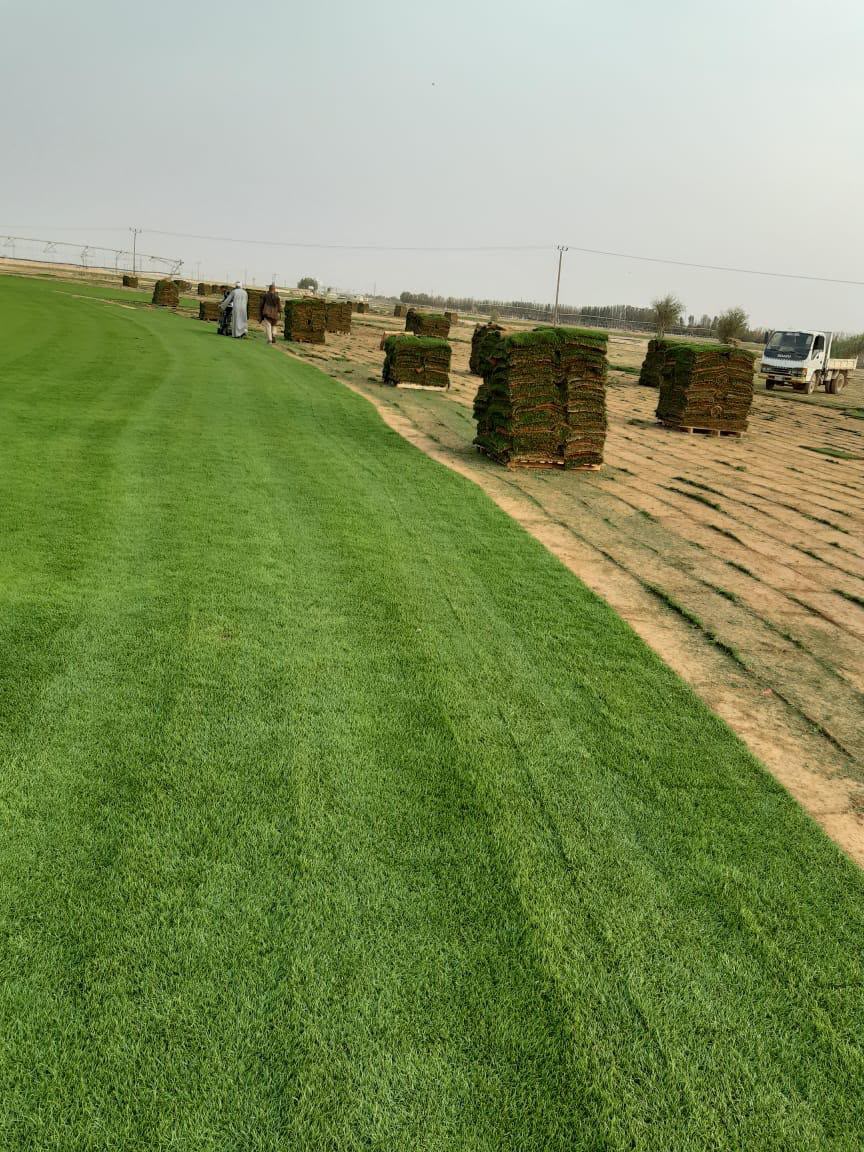
How Can You Adjust Irrigation for Different Garden Plants?
Group plants with similar water requirements and adjust irrigation zones independently wherever practical.
Large established trees, young shrubs, groundcovers, and lawns may have different rooting depths and water-use patterns.
| Planting Group | Main Irrigation Consideration | Potential Risk |
|---|---|---|
| Newly planted trees | Maintain appropriate moisture in the original root ball and surrounding soil | Underwatering or prolonged saturation |
| Established shade trees | Water according to the established root zone and soil condition | Frequent shallow irrigation or chronic saturation |
| Date palms | Manage soil moisture and protect the palm base from unnecessary wetting | Poor drainage or unsuitable watering distribution |
| Ornamental shrubs | Match irrigation to species and rooting depth | Shared irrigation with incompatible planting groups |
| Lawn and groundcovers | Manage shallower root-zone moisture appropriately | Repeated irrigation wetting nearby tree trunks |
These recommendations are principles, not fixed daily watering prescriptions. Site-specific schedules require actual plant and soil information.
Why Is Soil Compaction Dangerous for Tree Roots?
Compaction reduces the amount of open pore space within the soil, making it harder for roots to obtain oxygen and for water to move through the soil effectively.
Compacted soils can restrict root spread and contribute to declining tree vigor even without a diagnosed infectious root disease.
Colorado State University Extension discusses how restricted soil oxygen, compaction, and overwatering can contribute to serious landscape tree problems in its guide to diagnosing root and soil disorders.
Can Heavy Landscaping Equipment Compact Garden Soil?
Yes. Vehicle movement, construction activities, and repeated traffic may compress soil, particularly when it is wet.
Should Established Tree Roots Be Dug Up to Loosen Soil?
No. Aggressive cultivation near established roots can cause additional damage. Compaction management around valuable trees should use methods appropriate to their root systems.
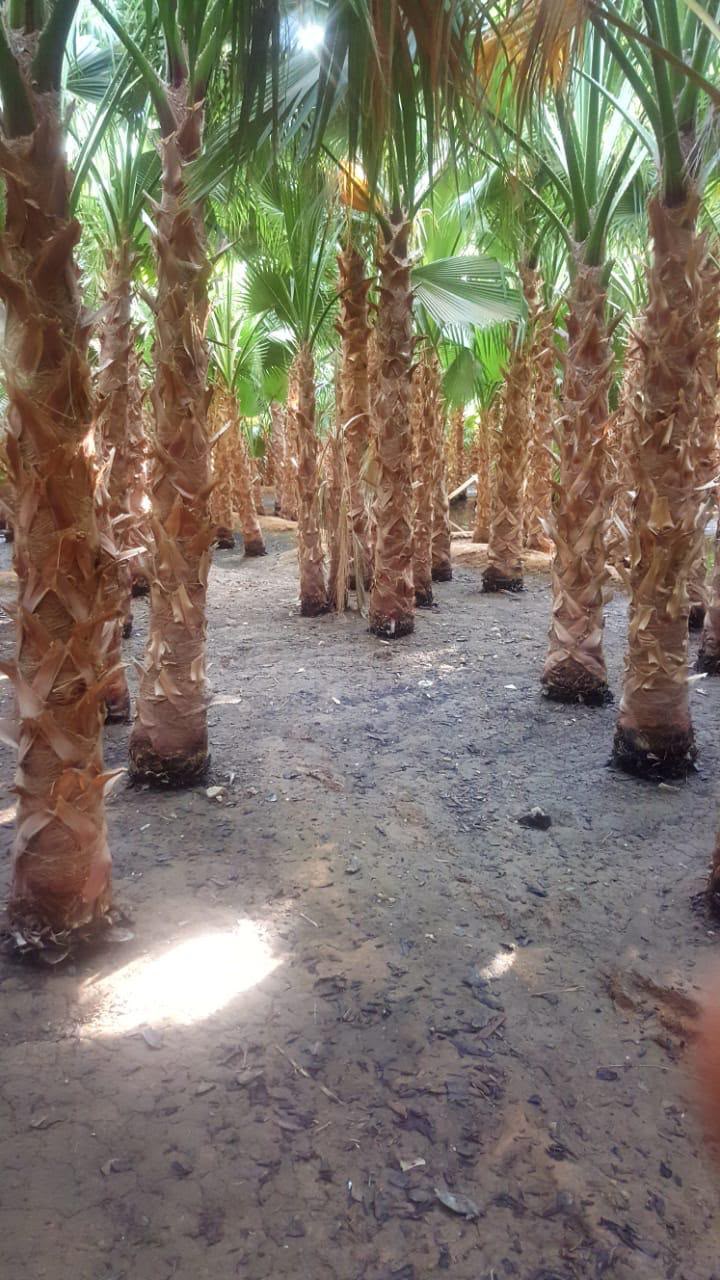
How Does Planting Depth Affect Root and Crown Health?
Planting too deeply can bury important trunk and root-crown tissues, restrict aeration, and increase the risk of moisture-related problems.
For many trees, the root flare should remain appropriately positioned near the soil surface rather than being covered by excessive soil or mulch.
Should the Root Flare Be Buried Under Mulch?
No. Keep mulch from accumulating against the trunk, and avoid covering the root flare with thick layers of soil or organic material.
Can a Newly Planted Tree Settle Too Deeply?
Yes. An unstable planting base or excessive loose material beneath the root ball may settle and leave the root crown lower than intended.
Can Raised Planting Beds Help Prevent Root Rot?
Raised planting areas can improve the growing environment where natural soil drainage is unsuitable, provided the bed is designed to allow effective water movement and adequate rooting space.
A raised bed is not a substitute for solving severe drainage constraints if water still collects below or around the planting zone.
Should Every Tree Be Planted on a Raised Mound?
No. The approach depends on species, site grading, drainage, soil profile, and landscape design requirements.
How Can Landscape Design Reduce Waterlogging Risk?
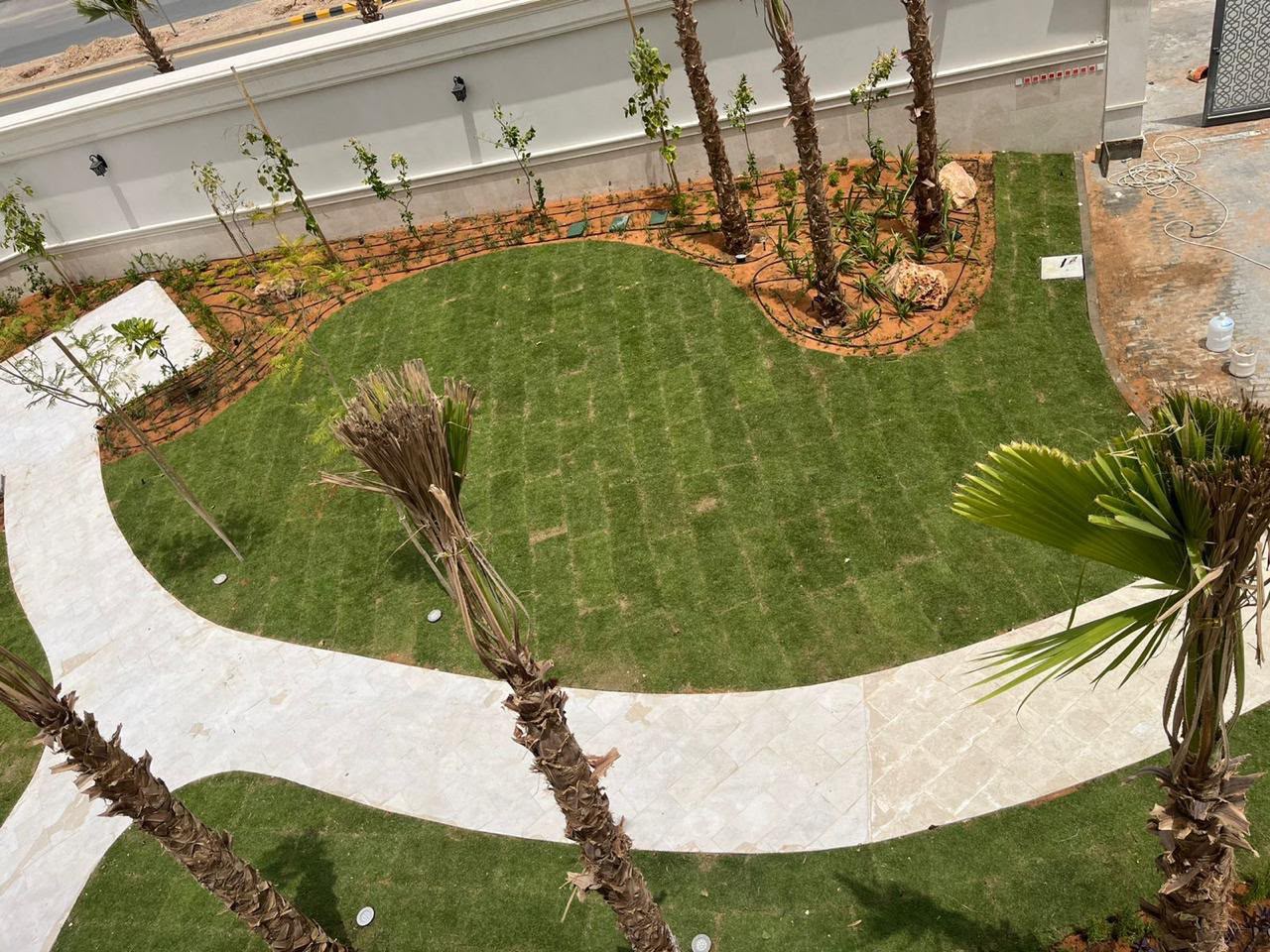
Design planted areas with appropriate grading, drainage paths, irrigation zoning, and soil conditions before installing trees and shrubs.
In Riyadh villas and commercial landscapes, coordinated planning between civil works, hardscaping, and irrigation installation is especially important.
A beautifully finished garden can still experience plant decline if its soil and drainage systems were poorly designed before planting.
Planning a new garden or facing recurring problems with your trees?
Contact Rayat Najd Landscaping to discuss tree planting, landscape implementation, irrigation planning, and appropriate site conditions for sustainable green spaces in Saudi Arabia.
 Call Now
 WhatsApp
How Should Date Palms Be Protected From Excessive Root-Zone Moisture?
Protect date palms by matching irrigation to their water requirements, maintaining appropriate drainage, and avoiding unnecessarily prolonged saturation around the palm base.
Palm care should also consider species, maturity, soil type, irrigation-water quality, and the condition of the planting site.
Can Date Palms Develop Root Problems in Waterlogged Soil?
Yes. Although palms differ in their tolerance to moisture conditions, poor drainage and unsuitable irrigation can contribute to root dysfunction and disease problems.
Should All Palm Health Problems Be Treated as Root Rot?
No. Palm decline has several possible causes, including irrigation stress, nutrient disorders, salinity, pests, and diseases. Correct identification is essential before treatment.
How Can You Protect Newly Planted Trees From Root Rot?
Start with healthy nursery stock, prepare suitable planting conditions, set the correct planting depth, and monitor moisture in both the original root ball and the surrounding soil.
Newly planted trees need consistent establishment care, but excess irrigation can be as harmful as insufficient water.
Should You Add Fertilizer When a Newly Planted Tree Wilts?
Not before diagnosing the problem. Fertilizer does not correct oxygen deprivation or drainage failure, and inappropriate application may introduce additional stress.
Can Mulch Help Maintain Healthier Roots in Riyadh?
Organic mulch can moderate soil temperature, reduce surface evaporation, and protect soil structure when properly applied.
Keep mulch away from the trunk and avoid excessive depth that may contribute to undesirable moisture conditions around sensitive plant tissues.
Does More Mulch Always Mean Better Protection?
No. Excessive mulch can reduce soil aeration and create problems when piled against the trunk or root crown.
What Should You Do If Root Rot Is Suspected?
Stop unnecessary additional watering, inspect soil moisture and drainage, identify potential root or crown damage, and arrange a reliable diagnosis before choosing a treatment.
Do not abruptly eliminate all irrigation for a stressed plant, particularly during hot weather. The goal is to correct prolonged saturation while maintaining appropriate moisture for surviving roots.
Can a Tree Recover From Root Rot?
Some plants may recover if the problem is detected early and the underlying conditions are corrected. Severe root damage or advanced disease may be irreversible.
Should You Apply Fungicide Immediately?
No. Treatment depends on the actual diagnosis, pathogen, host species, and locally authorized products. Fungicides are not universal cures for all types of root decay.
The University of Maryland Extension guide to root rots emphasizes prevention, correct planting, and drainage management rather than assuming infected plants can be reliably cured with chemicals.
How Do You Prioritize Root Rot Prevention Work?
Prioritize unsafe or severely declining trees first, then widespread irrigation failures, recurring drainage problems, and routine improvements for healthy planting areas.
Use observations and measurements to distinguish urgent plant-health risks from long-term maintenance opportunities.
| Priority | Condition | Recommended Action |
|---|---|---|
| Urgent | Tree instability or severe structural decline | Restrict access and obtain qualified assessment |
| High | Persistent saturation with rapid plant decline | Investigate drainage, irrigation, and root health |
| High | Multiple plants declining in the same wet zone | Review shared site and irrigation conditions |
| Medium | Frequent irrigation without moisture monitoring | Establish a measured watering plan |
| Preventive | Healthy plants with adequate drainage | Maintain scheduled inspections and records |
What Common Mistakes Increase Root Rot Risk?
Common mistakes include watering based only on surface dryness, ignoring poor drainage, burying root crowns, placing emitters directly against trunks, and treating all wilting as drought stress.
- Watering automatically without checking soil moisture.
- Assuming hot weather always requires daily irrigation.
- Ignoring standing water in planting basins.
- Installing trees in compacted construction soil.
- Planting root balls too deeply.
- Allowing irrigation to repeatedly wet tree crowns.
- Using the same irrigation schedule for incompatible plant groups.
- Adding fertilizer before identifying the cause of decline.
- Applying fungicides without a reliable diagnosis.
- Failing to inspect drainage before landscape construction.
How Can You Establish a Root Health Monitoring Program?
Use routine inspections to record soil moisture, drainage behavior, irrigation operation, canopy condition, and changes in plant growth.
Compare plants within the same irrigation zone and monitor recurring symptoms rather than evaluating each incident in isolation.
Should Moisture Measurements Be Recorded Over Time?
Yes. Repeated measurements provide more meaningful information than a single reading, especially when irrigation, weather, and soil conditions vary.
Can Smart Irrigation Systems Prevent Root Rot Automatically?
They can support better water management when correctly designed, calibrated, and maintained, but no controller can guarantee disease prevention without appropriate drainage and plant-health management.
What Is the Complete Root Rot Prevention Checklist?
A useful prevention checklist verifies that irrigation, soil, drainage, plant selection, and maintenance practices work together to support healthy root development.
- ☐ Identify plant species and their water requirements.
- ☐ Inspect drainage before new planting.
- ☐ Check for compacted or restrictive soil layers.
- ☐ Avoid placing trees in persistent water-collection areas.
- ☐ Plant at an appropriate root-crown depth.
- ☐ Keep mulch away from trunks.
- ☐ Position irrigation emitters appropriately.
- ☐ Separate irrigation zones by plant needs where feasible.
- ☐ Check moisture below the surface.
- ☐ Monitor newly planted root balls.
- ☐ Inspect for standing water after irrigation.
- ☐ Check for emitter leaks or blocked irrigation components.
- ☐ Examine unexplained wilting before adding more water.
- ☐ Avoid unnecessary excavation near established roots.
- ☐ Document significant changes in plant condition.
- ☐ Seek professional assessment for suspected root disease.
What Are the Most Frequently Asked Questions About Root Rot in Riyadh?
These answers address common concerns about root health, overwatering, and landscape management in Riyadh gardens.
1. Can trees develop root rot in Riyadh's hot climate?
Yes. Persistently wet or poorly drained soil can damage roots and favor certain diseases even in a hot, dry climate.
2. Is overwatering the same as root rot?
No. Overwatering can cause oxygen deprivation and increase disease risk, but a specific root rot diagnosis requires additional evidence.
3. How can I tell whether my tree has root rot?
Look for persistent wilting, declining growth, unusually wet soil, and damaged roots, then seek diagnosis because these signs are not exclusive to root rot.
4. Should I stop watering a tree with suspected root rot?
Correct unnecessary irrigation and prolonged saturation without allowing surviving roots to become dangerously dry.
5. Can drip irrigation cause root rot?
Yes, if it produces persistent saturation or concentrates water in unsuitable locations. Properly managed drip irrigation can help maintain appropriate soil moisture.
6. Does sandy soil prevent root rot?
No. Soil layers, compaction, enclosed planting pits, and excessive watering can still create unfavorable conditions.
7. Can a date palm develop problems from poor drainage?
Yes. Date palms require suitable root-zone conditions, and excessive moisture or drainage problems can contribute to decline.
8. Will fertilizer cure root rot?
No. Fertilizer does not repair severely damaged roots or correct poor drainage and may be inappropriate for stressed plants.
9. Can a tree recover after root rot begins?
Recovery depends on the cause, severity, plant condition, and whether the underlying problem can be corrected early enough.
10. When should I contact a landscaping specialist?
Seek professional help when several plants decline, drainage problems persist, symptoms progress rapidly, or a large tree shows instability.
How Can Professional Landscaping Reduce Root Disease Risk?
Professional landscape planning can reduce preventable root problems by coordinating plant selection, irrigation zones, soil preparation, grading, drainage, and maintenance requirements before installation.
For large Saudi residential compounds, villa gardens, hospitality properties, and commercial landscapes, this approach can be more reliable than correcting individual plant problems after construction is complete.
Rayat Najd Landscaping works in tree and palm supply, planting, landscape development, and greening projects in Saudi Arabia. Its official website provides information about its landscaping and environmental development activities.
Explore Rayat Najd Landscaping for details about tree planting, palm supply, landscape development, and greening solutions.
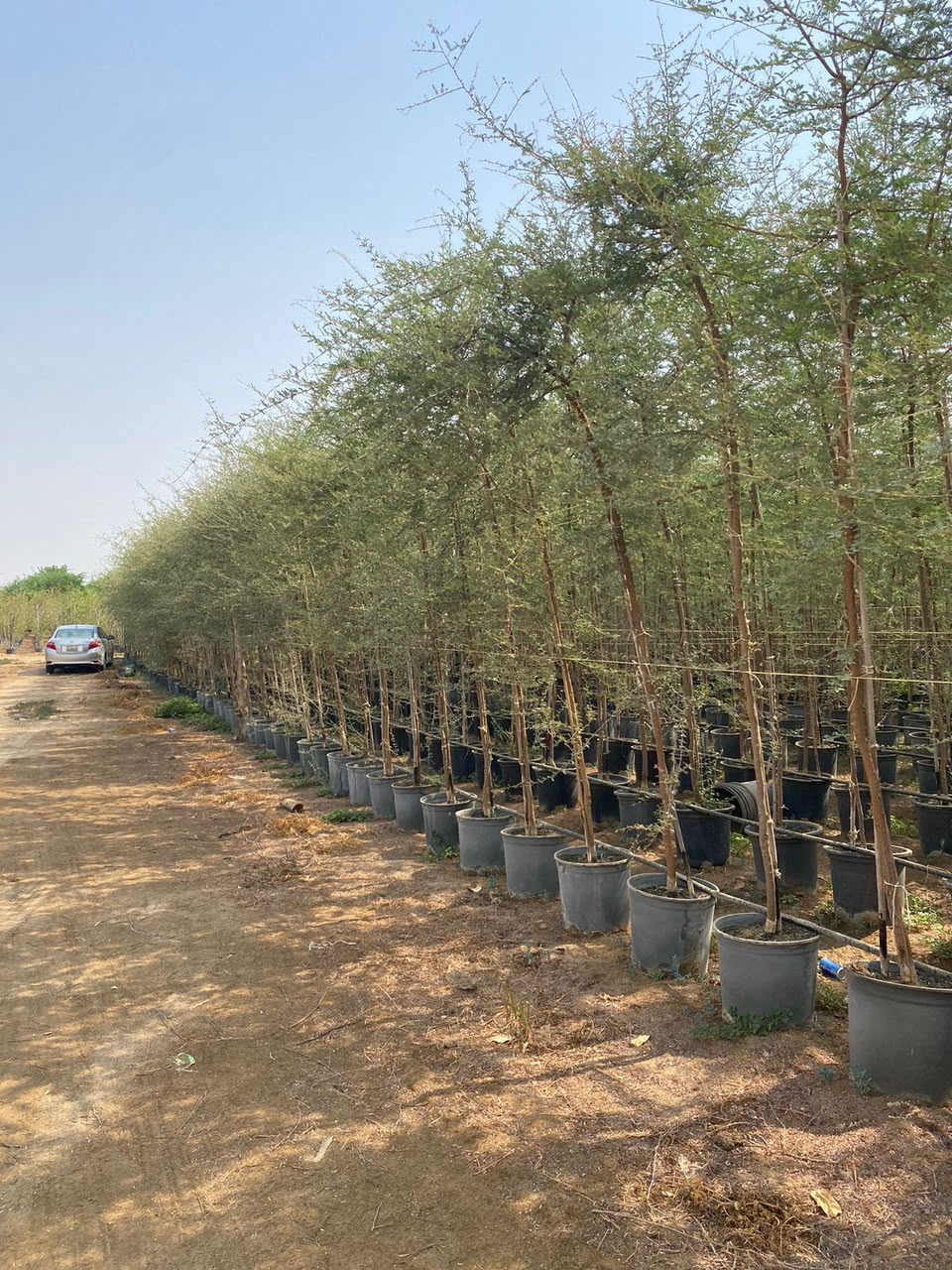
Need professional landscaping and tree planting support in Riyadh?
Contact Rayat Najd Landscaping to discuss suitable trees, palms, irrigation planning, planting conditions, and landscape development for your project.
What Is the Final Recommendation for Preventing Root Rot in Riyadh Gardens?
Preventing root rot begins with maintaining a healthy balance between water and oxygen in the root zone. Good drainage, appropriate irrigation, correct planting depth, suitable plant selection, and regular inspection are more effective than relying on emergency treatment after serious decline develops.
Do not assume that every wilting tree needs more irrigation, and do not assume that every declining plant has an infectious root disease. Reliable diagnosis is the foundation of effective landscape management.
For sustainable planting and landscape development, visit the official Rayat Najd Landscaping website.