

Choose date palms (Phoenix dactylifera) for traditional Saudi character, date production potential and broad architectural presence. Choose Washingtonia robusta for a tall, slender, formal landscape appearance, or Washingtonia filifera for a comparatively broader-trunked fan palm. All three can be used in suitable Riyadh landscaping projects, but the best choice depends on available space, mature dimensions, soil conditions, maintenance access, intended appearance and whether the tree is being planted for fruit, ornament or architectural emphasis.
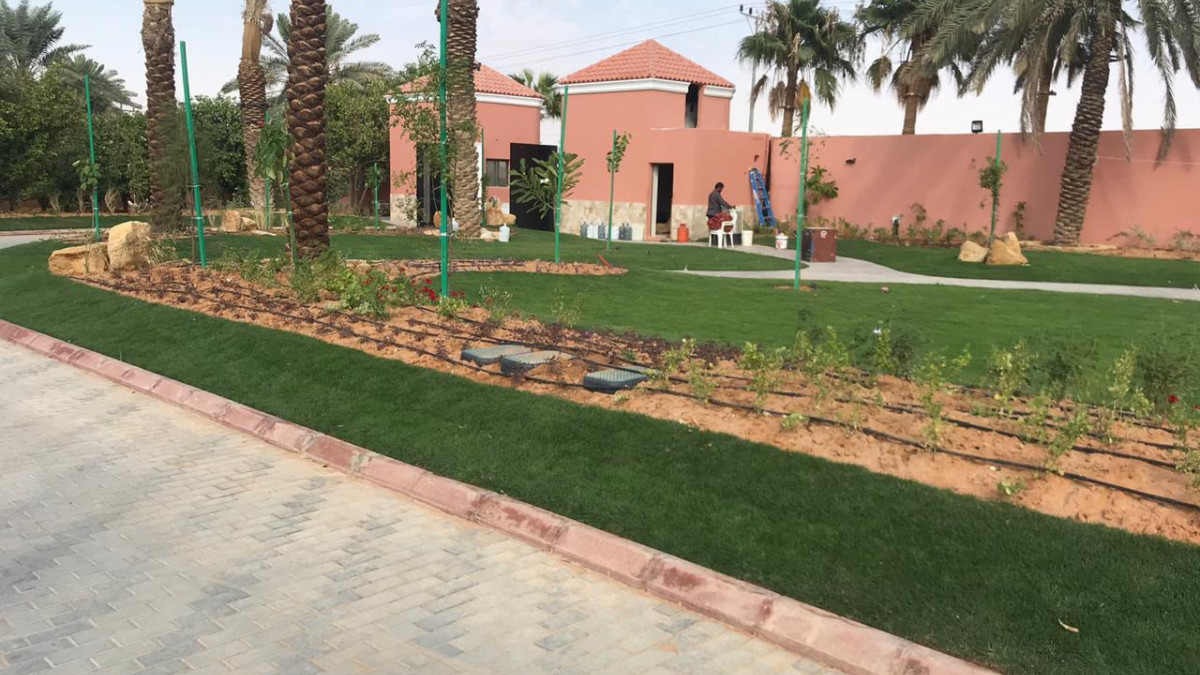
In Riyadh, palm trees are among the most recognizable elements of residential and commercial landscaping. They are used at villa entrances, along driveways, within gardens, around hospitality developments and in major urban landscaping projects.
However, choosing a palm is not simply a matter of selecting the tallest specimen in a nursery.
A date palm and a Washingtonia palm can produce very different landscapes even when planted in the same location.
Date palms have feather-like fronds and a strong connection to Saudi agricultural heritage. Washingtonia palms have distinctive fan-shaped leaves and are often used to create tall, rhythmic architectural compositions.
Their mature proportions, maintenance requirements and planting considerations are not identical.
In this guide, Rayat Najd Landscaping explains the differences between date palms and Washingtonia palms, their benefits, appropriate planting locations, installation methods, realistic cost considerations and long-term suitability for Riyadh's climate.
Quick Answer: Which Palm Should You Choose?
- Choose date palms when Saudi heritage, an established palm appearance or fruit production is the main objective.
- Choose Washingtonia robusta for tall, relatively slender vertical accents where sufficient mature height clearance exists.
- Choose Washingtonia filifera when its broader trunk and fan-palm appearance better suit the available space.
- Check mature dimensions rather than selecting by nursery height alone.
- Assess pedestrian safety, overhead services, underground utilities and long-term pruning access.
- Inspect planting stock, roots, trunk condition and crown health before purchasing.
- Plan planting depth and soil drainage according to the actual root ball and site conditions.
- Budget for transport, lifting, planting, establishment care and future maintenance.
- Combine palm varieties only when the overall landscape design benefits from their differences.
Planning to plant date palms or Washingtonia trees in Riyadh?
Contact Rayat Najd Landscaping to discuss suitable palm varieties, nursery stock, landscape design and planting requirements for your villa, garden or commercial project.
 Call Now
 WhatsApp
What Are the Trees?
Date palms and Washingtonia palms are members of the palm family, Arecaceae. They share certain structural characteristics but differ in leaf form, trunk shape, growth habits, reproductive features and landscape applications.
What is a date palm tree?
The date palm, Phoenix dactylifera, is a palm species cultivated for its edible dates and valued for its cultural and landscape significance in Saudi Arabia.
Its crown is composed of long, feather-like fronds, and mature specimens develop the distinctive trunk and canopy associated with traditional Arabian gardens and agricultural landscapes.
Date palms can be used in productive orchards and ornamental projects, although fruit production depends on factors including plant sex, cultivar, pollination and growing conditions.
What is a Washingtonia tree?
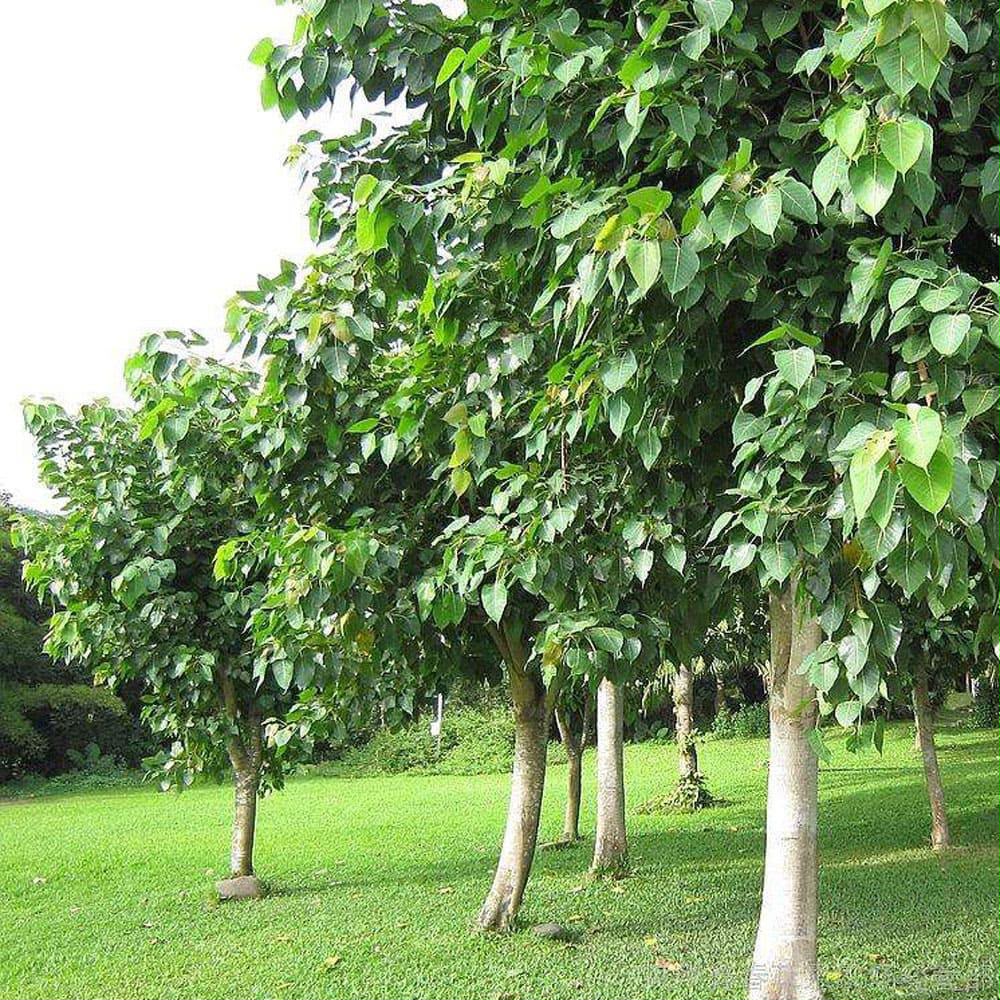
Washingtonia refers to a genus of fan palms that includes Washingtonia robusta and Washingtonia filifera.
These palms are commonly used for ornamental landscaping rather than edible date production.
Their fan-shaped crowns create a different architectural appearance from date palms.
Is Washingtonia a date palm?
No. Washingtonia palms and date palms belong to different botanical genera.
They also differ in leaf shape, trunk proportions, fruit characteristics and landscape uses.
Washingtonia palms should not be purchased with the expectation that they will produce the commercial dates associated with Phoenix dactylifera.
Are all palm trees the same?
No. Palm species vary significantly in their mature height, crown dimensions, environmental tolerances and maintenance requirements.
Selecting a palm based only on its common name can result in a species that becomes unsuitable for the intended location.
What Is the Difference Between Date Palm and Washingtonia?
The main visual difference is that date palms have feather-shaped fronds, while Washingtonia palms have fan-shaped fronds. Washingtonia robusta often develops a tall, slender trunk, whereas Washingtonia filifera is generally more robust in trunk form.
Which palm has the more traditional Saudi appearance?
The date palm has the strongest traditional association with Saudi landscapes because of its long agricultural and cultural history.
It is suitable for projects seeking a recognizable Arabian landscape character.
Which palm creates a more modern architectural appearance?
Washingtonia robusta is often selected for formal, vertical compositions, including wide entrances and large landscape axes.
Its slender silhouette can create a strong sense of height and repetition.
Which palm has a broader trunk?
Washingtonia filifera generally develops a broader trunk than Washingtonia robusta.
However, actual trunk dimensions vary with age, environmental conditions and individual specimens.
Which palm grows taller?
Washingtonia robusta can reach substantial mature heights and is often characterized by a tall, slender form.
The University of Arizona's botanical reference describes mature Washingtonia robusta specimens reaching approximately 60–100 feet, or roughly 18–30 meters, under suitable conditions.
This is a botanical potential, not a prediction of the height a particular specimen will reach in Riyadh.
| Comparison | Date Palm | Washingtonia robusta | Washingtonia filifera |
|---|---|---|---|
| Botanical Name | Phoenix dactylifera | Washingtonia robusta | Washingtonia filifera |
| Leaf Shape | Feather-like | Fan-shaped | Fan-shaped |
| Typical Visual Form | Traditional, substantial crown | Tall, slender vertical accent | Broader trunk, substantial fan crown |
| Primary Landscape Use | Heritage gardens, villas, date production | Avenues, entrances, vertical accents | Open landscapes, specimen planting |
| Edible Date Production | Possible under suitable cultivation | Not cultivated for commercial dates | Not cultivated for commercial dates |
| Planting Decision | Consider fruit, crown and maintenance | Consider mature height and access | Consider trunk and crown clearance |
| Maintenance Focus | Fronds, dates, pest monitoring | Fronds, crown health, tall-tree access | Fronds, crown health, space management |
What Are the Benefits of Palm Trees?
Palm trees provide ornamental value, architectural structure, cultural identity and, in some species, edible fruit. Their environmental and landscape benefits depend on species, planting density, site design and long-term care.
Do palm trees improve the appearance of Saudi villas?
Yes. Well-selected palms can frame entrances, provide vertical rhythm and establish a recognizable landscape character.
Date palms are particularly appropriate when the design seeks a traditional Saudi identity.
They can also complement modern architecture when used with restraint and careful spacing.
Do palm trees provide shade?
Yes, but the amount and pattern of shade depend on crown size, sun angle, planting location and palm species.
A palm's shade is different from the broad continuous canopy of many conventional shade trees.
For seating areas that require substantial afternoon shade, a combined landscape design may be more appropriate than relying exclusively on palms.
Can date palms produce fruit in a residential garden?
Yes, suitable female date palms can produce edible dates when pollination, variety, care and environmental conditions support fruit development.
Not every ornamental date palm is selected or maintained for productive harvesting.
Fruit production also introduces practical maintenance and harvesting requirements.
Are date palms important to Saudi heritage?
Yes. Date palms have longstanding agricultural, economic and cultural significance in Saudi Arabia.
They are an established feature of traditional landscapes and remain important in modern planting projects.
What Are the Benefits of Washingtonia Trees?
Washingtonia trees are valued for their distinctive fan-shaped crowns, strong vertical appearance and suitability for certain hot-climate landscape applications. Their benefits are primarily ornamental and architectural rather than commercial date production.
Why are Washingtonia palms used at villa entrances?
Their upright form can create a formal, symmetrical entrance composition, especially when planted in coordinated groups.
In a wide villa driveway, repeated vertical palms may frame the approach without visually filling the entire ground-level landscape.
Do Washingtonia palms grow quickly?
Washingtonia robusta is commonly regarded as a relatively fast-growing palm under suitable conditions.
Actual growth depends on the planting stock, climate, root establishment, soil and ongoing care.
Fast growth should not be confused with low maintenance.
Are Washingtonia trees suitable for Riyadh's heat?
Washingtonia robusta and Washingtonia filifera can be used in suitable Riyadh landscaping environments, but successful establishment depends on site conditions and professional planting practices.
The Royal Commission for Riyadh City's accessibility guidance lists both species among palms considered in its landscape material recommendations.
That does not mean either species is suitable for every location without a site assessment.
Do Washingtonia palms need pruning?
They may require maintenance of dead or hazardous fronds and, in certain locations, management of flowering or fruiting material.
Improper pruning can damage palms and create safety hazards.
As trees become taller, maintenance access and cost can become more demanding.
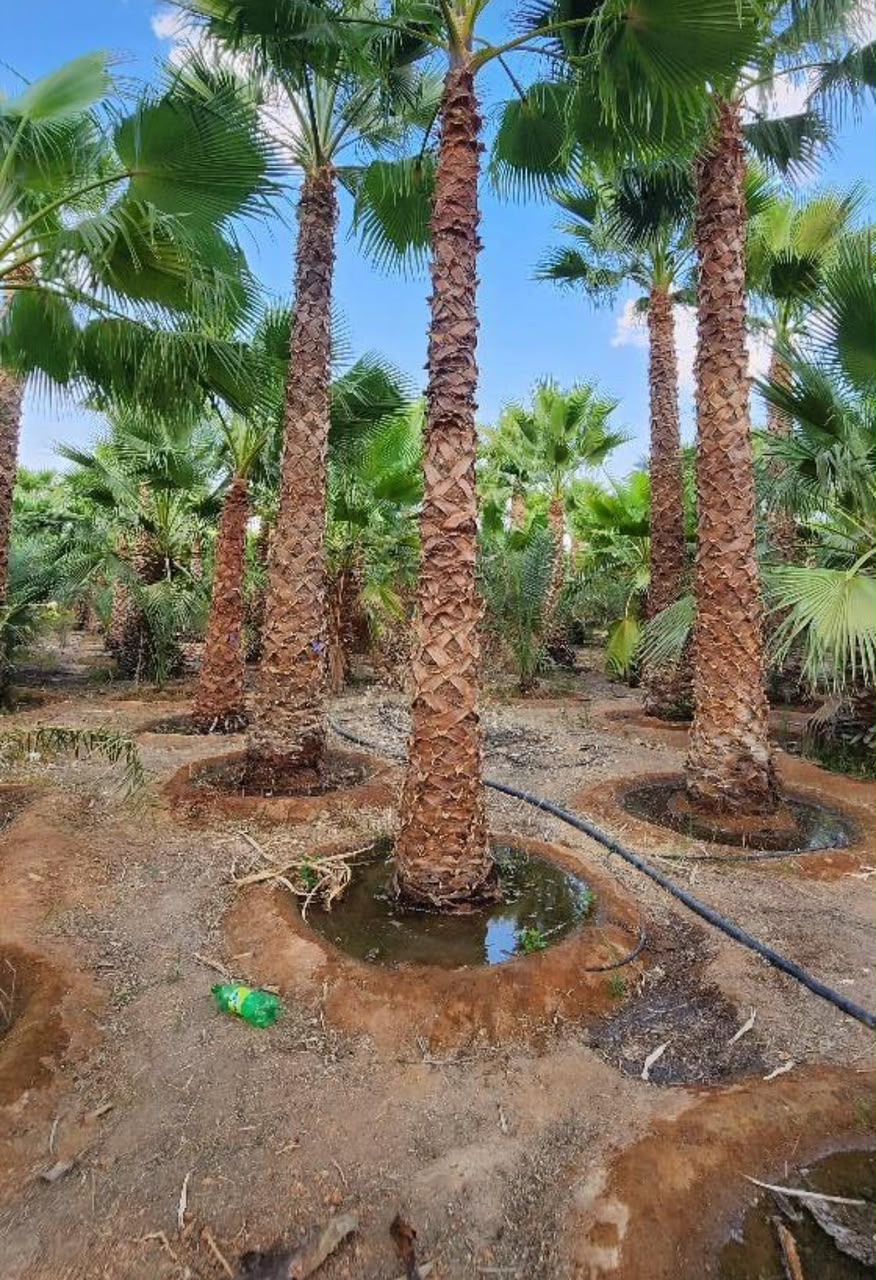
Which Washingtonia Species Should I Choose in Riyadh?
Choose Washingtonia robusta when a tall, slender landscape silhouette is suitable, and consider Washingtonia filifera when its broader form better complements the space. Both selections require assessment of mature dimensions and local conditions.
What is Washingtonia robusta?
Washingtonia robusta, commonly called the Mexican fan palm, is a tall ornamental palm characterized by a relatively slender trunk and fan-shaped leaves.
It is often used for large entrances, streetscapes and formal landscape compositions.
What is Washingtonia filifera?
Washingtonia filifera, commonly called the California fan palm, is a fan palm associated with a comparatively robust trunk and a substantial crown.
It can create a different architectural effect from the more slender Washingtonia robusta.
Which Washingtonia species is better for narrow spaces?
The relatively slender silhouette of Washingtonia robusta may be visually suitable for some narrow landscape compositions, but mature height, canopy spread and maintenance clearance still need consideration.
A narrow planting strip does not automatically provide adequate long-term space for a tall palm.
Can Washingtonia robusta and filifera be confused?
Yes. Young specimens, hybrids and plants sold under incomplete common names may be difficult to distinguish without reliable botanical identification.
Request the scientific name and appropriate nursery documentation when species identity matters to the project.
Which Palm Is Best for a Luxury Villa Entrance in Riyadh?
The best entrance palm depends on the architecture, available width, mature crown clearance and whether the project prioritizes Saudi heritage or a tall formal landscape composition.
Should I plant date palms along my driveway?
Date palms can create a strong traditional landscape appearance along wide driveways with adequate space.
However, mature fronds, fruit management and pedestrian or vehicle clearance must be considered.
Are Washingtonia palms better for modern villa architecture?
They can complement modern architecture through repetition, vertical lines and relatively minimal crown profiles at ground level.
But architectural compatibility is a design decision, not a botanical rule.
A modern villa can also use date palms successfully when the overall composition is well planned.
Should I plant palms in pairs beside the main entrance?
Paired palms can create symmetry, but both specimens should have enough room for mature crown development and safe maintenance.
The planting locations should not interfere with gates, lighting, building entrances or underground services.
Can I combine date palms and Washingtonia palms?
Yes, provided the species serve distinct visual roles and the design accounts for their different mature forms and maintenance needs.
For example, date palms might define a traditional garden area, while Washingtonia palms create a vertical accent along a larger entrance axis.
Where Are Trees Planted?
Date palms and Washingtonia palms should be planted where soil, sunlight, drainage, mature dimensions and long-term access are suitable. In Riyadh, appropriate locations may include villa gardens, open entrances, broad landscape corridors and selected commercial or public landscapes.
Where should date palms be planted in a villa?
Choose an open location with adequate light, root space, access for maintenance and sufficient clearance from buildings and utilities.
Do not place a productive date palm where falling fruit or fronds would create avoidable operational or safety problems.
Where should Washingtonia trees be planted?
Washingtonia palms are often suitable for open, prominent locations where their eventual height can be accommodated.
Potential locations include broad villa entrances, landscaped avenues and large garden focal points.
Always account for overhead utilities, building elevations and maintenance access.
Can palms be planted next to a swimming pool?
Palms can be incorporated into pool landscapes where spacing, drainage, root space and maintenance requirements allow it.
However, frond litter, fruit, access for pruning and proximity to pool structures should be assessed before planting.
Can palms be planted under overhead power lines?
Do not plant palms where their mature height or maintenance operations could conflict with overhead electrical infrastructure.
Confirm the applicable clearances with the responsible utility provider and qualified professionals.
How Far Apart Should Palm Trees Be Planted?
Palm spacing should be based on mature crown spread, design intent, root space, access requirements and the specific species. There is no universally correct distance for every date palm or Washingtonia planting.
How far apart should date palms be planted?
Spacing depends on whether the palms are being grown for commercial dates or ornamental landscaping, as well as on cultivar and site conditions.
A productive orchard requires different planning considerations from a villa entrance with a small number of specimen palms.
How far apart should Washingtonia trees be planted?
Spacing should accommodate the mature crowns and the desired visual rhythm, without creating crowding or maintenance conflicts.
Slender trunks do not eliminate the need for crown clearance and access.
Should palms be planted close to walls?
Maintain sufficient space for the mature tree, safe maintenance and nearby structures.
There is no single setback suitable for every palm, wall and soil condition.
Use a site-specific design rather than applying a generic distance without checking the actual dimensions.
How do I plan palms along a pedestrian walkway?
Keep fronds, spines and other tree parts outside required pedestrian clearances and avoid obstructing the accessible route.
The Royal Commission for Riyadh City's accessibility guidance identifies clearance considerations for palms near pedestrian and shared-use paths.
Check the applicable current accessibility and municipal requirements for the project.
| Planting Location | Potential Palm Choice | Design Objective | Critical Site Check |
|---|---|---|---|
| Traditional Villa Garden | Date palm | Saudi heritage and ornamental presence | Fruit, crown and maintenance access |
| Wide Modern Driveway | Washingtonia robusta | Formal vertical rhythm | Mature height and overhead clearances |
| Large Open Lawn | Date palm or Washingtonia | Specimen feature planting | Root space and mature crown proportions |
| Broad Entrance Plaza | Washingtonia filifera | Substantial fan-palm focal point | Trunk size, crown spread and clearances |
| Pedestrian Walkway | Suitable approved palm species | Landscape character and route definition | Accessible clearance and frond safety |
| Small Enclosed Courtyard | Evaluate smaller species or alternatives | Proportionate planting | Limited mature space and maintenance access |
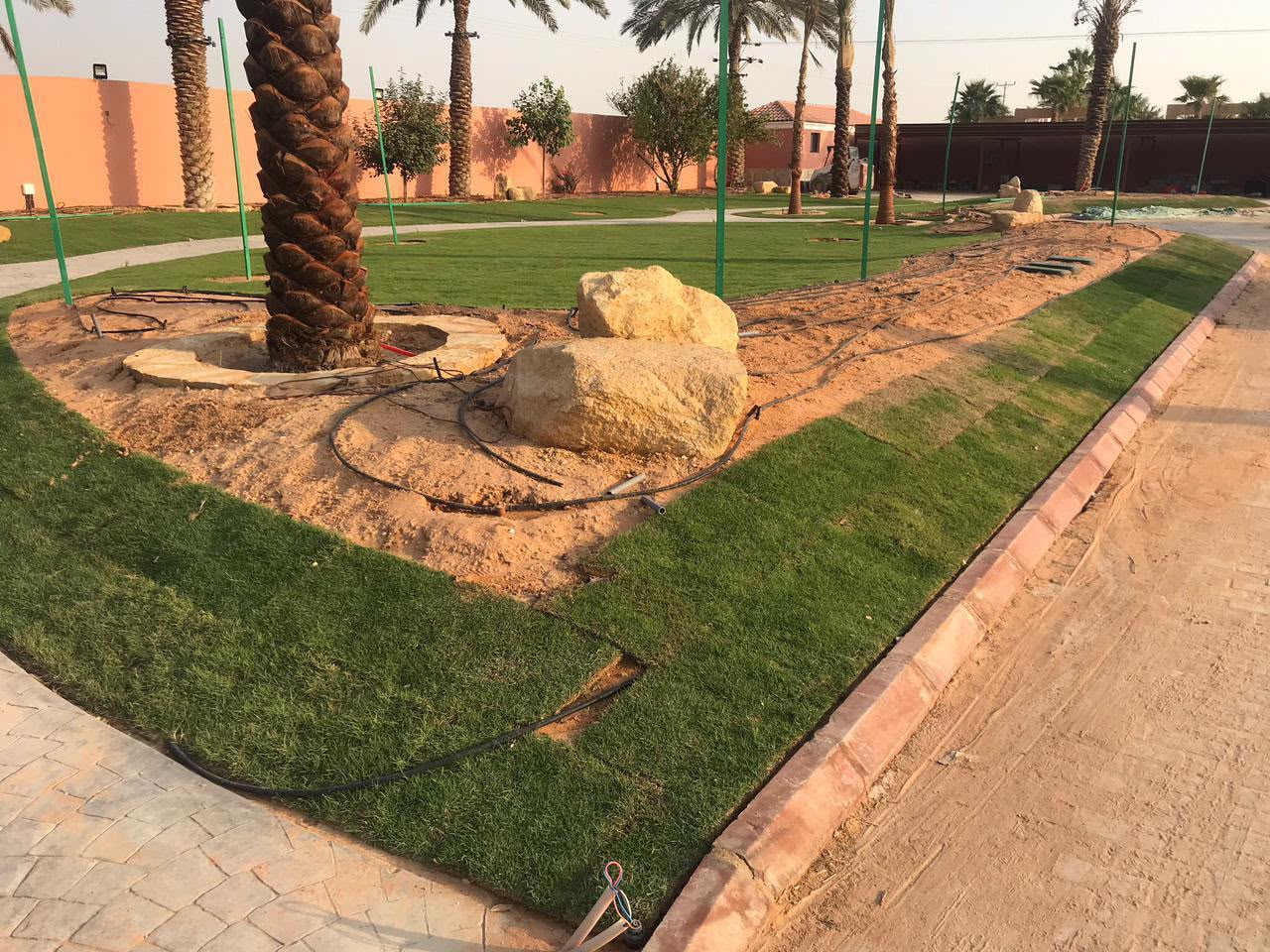
How Are They Planted?
Palms are planted by selecting healthy stock, preparing a suitable site, protecting the root ball, placing the palm at the appropriate depth, backfilling correctly, providing initial support when needed and following a monitored establishment program.
How do professionals plant date palms?
Professional planting begins with inspecting the palm, preparing the location, moving it without excessive root damage and positioning the root system correctly.
The planting depth should preserve the appropriate relationship between the root initiation zone, original nursery grade and final surrounding soil level.
After backfilling, the palm should be stabilized as required and monitored during establishment.
How are Washingtonia palms planted?
Washingtonia planting follows the same broad principles of careful stock handling, suitable placement, correct planting depth, root protection and establishment care.
However, the appropriate methods vary with the specimen's size, nursery production method and root condition.
Large palms may require mechanical lifting and professional handling.
Should the planting hole be deeper than the root ball?
Do not automatically excavate deeper than necessary or bury the palm's trunk base.
Planting depth should be established from the actual root ball and nursery growing conditions.
Excessively deep planting may create harmful moisture and aeration conditions around the palm's base.
Do newly planted palms need support?
Some large or recently transplanted palms require temporary stabilization until the root system provides adequate anchorage.
Support methods should avoid damaging the trunk and should follow the landscape contractor's engineering and horticultural assessment.
Can I plant a mature palm by myself?
Large mature palms should be handled by qualified professionals using appropriate lifting equipment and safe installation procedures.
Their weight, height and root-ball handling requirements create significant risks if managed incorrectly.
When Is the Best Time to Plant Palms in Riyadh?
The preferred planting period is generally one that allows roots to establish under manageable environmental conditions, while avoiding unnecessary exposure to extreme heat, cold or severe wind during the most vulnerable stages.
Is spring suitable for planting palms?
Spring can be a suitable planting period when soil temperatures and weather conditions support root establishment.
However, actual timing should reflect the species, nursery stock and current Riyadh weather.
Can I plant Washingtonia in summer?
It may be possible with suitable stock and professional management, but Riyadh's intense summer conditions can increase establishment demands and operational risks.
Planting during extreme heat should not be treated as equivalent to planting during milder conditions.
Can palms be planted during winter?
Some planting can be carried out in cooler periods, but cold conditions may slow establishment and affect sensitive material.
Choose timing based on actual site and plant conditions rather than assuming every winter day is appropriate.
Should I wait for the best season to plant a mature specimen?
When the project schedule allows flexibility, selecting a more favorable planting window may reduce avoidable stress.
Urgent projects may require additional horticultural planning and careful establishment monitoring.
What Should I Check Before Buying a Palm From a Nursery?
Inspect species identity, crown health, trunk condition, root system, nursery growing history and whether the specimen has been properly prepared for transportation and planting.
How do I identify a healthy date palm?
Look for a healthy crown, suitable new growth, sound trunk condition and no obvious signs of active pest damage or severe decline.
Professional inspection may be needed to detect problems that are not immediately visible.
How do I identify a healthy Washingtonia palm?
Assess its crown condition, trunk integrity, root-ball quality and general structural appearance.
Do not assume that a tall palm is healthier than a shorter specimen.
Should I buy the tallest palm available?
Not necessarily. A tall specimen may have higher transportation, lifting and future maintenance requirements.
Choose a size that fits the project's architectural goals and budget while remaining suitable for the site.
Should I ask for the scientific name?
Yes. Scientific names reduce confusion between date palms, Washingtonia robusta, Washingtonia filifera and other ornamental palms.
They also help the designer assess the correct mature dimensions and maintenance requirements.
Where can I review palm varieties offered by Rayat Najd?
The Rayat Najd botanical catalog includes date palms and Washingtonia palm varieties among its plant categories.
Current stock, specimen dimensions and project availability should be confirmed directly before ordering.
How Do I Prepare Riyadh Soil Before Planting Palms?
Prepare the soil according to actual site testing and the palm's requirements, with particular attention to drainage, compaction, salinity, soil structure and the condition of the planting pit.
Is all Riyadh soil sandy?
No. Soil conditions vary across Riyadh, including differences in sand, silt, clay, limestone-derived materials, fill and compacted construction soil.
A soil assessment is more reliable than assuming every garden has the same soil profile.
Should I add compost to every planting hole?
Not automatically. Amendments should be selected according to soil conditions and the project's planting specification.
Excessive or poorly distributed amendments can create abrupt differences between the planting pit and surrounding soil.
How do I check drainage before planting?
Evaluate whether the planting location allows excess water to move away from the root zone without prolonged saturation.
Compacted subsoil, buried construction debris or restrictive layers may require corrective work.
Should I add fertilizer during planting?
Fertilizer should be selected based on soil testing, nursery recommendations and the palm's physiological condition rather than applied routinely at high rates.
Excess fertilizer can harm establishing roots.
How Much Does Planting Cost?
Palm planting cost depends on the species, specimen size, nursery price, transport, lifting requirements, soil preparation, installation complexity and establishment services. The purchase price of a palm is only one component of the complete project.
How much does planting a date palm cost in Riyadh?
There is no single reliable market price for all date palm planting projects.
Costs differ according to cultivar, trunk size, root condition, transport distance, site access and the installation method.
A mature specimen generally involves different logistics from a young nursery palm.
How much does planting a Washingtonia tree cost?
Washingtonia planting costs vary by species, specimen height, nursery specification, transport and required equipment.
Large palms may require cranes or other specialized lifting arrangements.
Is Washingtonia cheaper than a date palm?
Not necessarily. Price comparisons are only meaningful when specimen size, nursery quality, transportation and installation scope are comparable.
A small Washingtonia may cost less to install than a large date palm, but the reverse can occur under different specifications.
What additional expenses should I include?
Include nursery supply, delivery, handling, planting excavation, soil work, support, irrigation connections, establishment care and any required site protection.
The exact bill of quantities should reflect the landscape design and existing infrastructure.
How do I calculate a palm planting budget?
Multiply the number of palms by the specified supply cost and add the separate installation and project-related expenses.
The following table is a hypothetical budgeting example only. It is not a verified price list or quotation from Rayat Najd Landscaping.
| Budget Item | Illustrative Quantity | Hypothetical Unit Cost | Illustrative Total |
|---|---|---|---|
| Washingtonia Palm Supply | 6 palms | SAR 850 | SAR 5,100 |
| Planting Labor | 6 palms | SAR 250 | SAR 1,500 |
| Soil Preparation | 6 locations | SAR 100 | SAR 600 |
| Transport | 1 project allowance | SAR 700 | SAR 700 |
| Establishment Support | 1 project allowance | SAR 600 | SAR 600 |
| Hypothetical Subtotal | 6-palm project | Not applicable | SAR 8,500 |
Important: The figures above are fictional calculation inputs, not current Saudi market rates, supplier quotations or guaranteed prices. The example does not include unlisted costs such as specialized lifting, major soil remediation, new irrigation infrastructure, taxes or additional site preparation. A real quotation must be prepared from the selected specimens and actual site conditions.
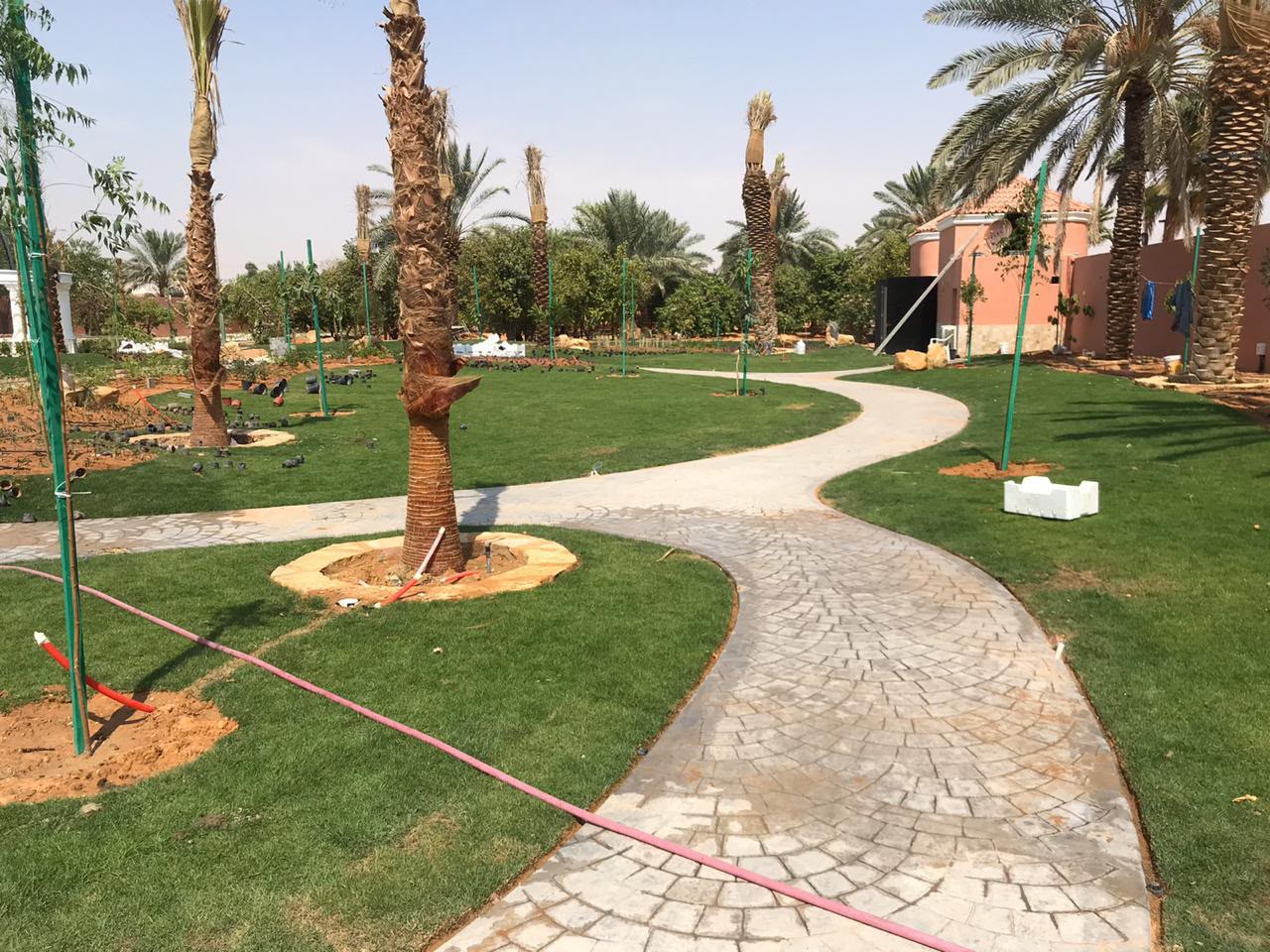
What Is the Lifespan of Trees in Years?
Palms are long-lived perennial plants, but their lifespan varies widely with species, environmental conditions, diseases, physical damage and maintenance. A specific palm's remaining life cannot be determined reliably from its height alone.
How many years can a date palm live?
Date palms can survive for many decades and may live for a century or longer under favorable conditions, although productive performance and actual survival vary.
The useful commercial fruiting life of a palm is not necessarily identical to its total biological lifespan.
How many years can Washingtonia robusta live?
Washingtonia robusta is a long-lived ornamental palm capable of surviving for many decades under suitable conditions.
There is no single guaranteed age for specimens planted in Riyadh.
Site restrictions, trunk damage, crown health and management strongly influence survival.
How many years can Washingtonia filifera live?
Washingtonia filifera is also a long-lived palm, with individual longevity depending on environment, establishment and long-term care.
A precise lifespan should not be promised as part of a planting quotation without a defensible basis.
Does buying a mature palm reduce its remaining lifespan?
A mature palm does not automatically have a shorter useful landscape life simply because it is tall, but its existing condition and transplanting history matter.
Large specimens should be assessed for structural and physiological health before purchase.
What determines how long a palm survives?
Important factors include suitable species selection, proper planting, soil conditions, establishment success, pest management, avoidance of trunk damage and ongoing professional maintenance.
Maintenance costs may also change as palms become taller and require specialized access.
What Maintenance Do Date Palms Need After Planting?
Date palms require establishment monitoring, appropriate irrigation, inspection for pests, careful frond management and attention to fruit production when applicable.
Should I remove green fronds from a new date palm?
Do not remove healthy green fronds unnecessarily, because they contribute to photosynthesis and plant function.
Pruning should be based on horticultural need, safety and appropriate professional practice.
Do date palms need pest inspections in Saudi Arabia?
Yes. Red palm weevil is an important pest concern for date palm cultivation in Saudi Arabia.
The Weqaa Center's official guidance describes integrated management approaches for protecting palms against red palm weevil.
Inspection and response should follow relevant official recommendations and qualified plant-health advice.
Should every date palm be fertilized immediately?
No. Fertilization depends on soil testing, plant condition and the specific management program.
Excessive or inappropriate fertilizer can damage roots or create nutrient imbalances.
Do fruiting date palms require different maintenance?
Yes. Date production can involve cultivar-specific practices such as pollination, fruit management, harvesting and additional monitoring.
These requirements should be considered when deciding whether a villa needs a fruit-producing date palm or a primarily ornamental specimen.
What Maintenance Do Washingtonia Trees Need?
Washingtonia palms require inspection of crown health, management of hazardous dead fronds, appropriate site care and safe maintenance access as they mature.
Should dead Washingtonia fronds be removed?
Dead or hazardous fronds may require professional removal when they create safety, access or maintenance concerns.
Removal should follow appropriate arboricultural practices and avoid injury to healthy palm tissues.
Is Washingtonia a maintenance-free palm?
No. Even established ornamental palms need inspection and occasional maintenance.
Maintenance requirements depend on the planting location, specimen height, environmental stress and the condition of old fronds.
Does a very tall Washingtonia cost more to maintain?
Maintenance can become more complex and expensive as working height increases and specialized access or lifting equipment becomes necessary.
This is an important long-term consideration for villa owners selecting tall specimens.
Can over-pruning harm Washingtonia palms?
Yes. Unnecessary removal of healthy fronds can reduce the palm's functioning leaf area and may contribute to poor plant condition.
Pruning should prioritize plant health and safety rather than pursuing an excessively reduced crown.
What Are the Types of Trees, How, When and Why?
For Riyadh landscape design, select trees and palms according to the intended function, mature dimensions and site conditions; plant them using species-appropriate techniques during favorable establishment conditions; and choose each species for a clear purpose such as ornament, shade, fruit production or architectural structure.
What types of palm trees are suitable for Riyadh landscapes?
Species used in suitable Riyadh projects include date palms, Washingtonia robusta and Washingtonia filifera, among other ornamental palms.
Actual suitability depends on the project and local conditions.
The Royal Commission for Riyadh City's published guidance also identifies additional palm species for consideration in landscape materials.
How should different tree types be selected?
Compare mature size, climate adaptation, maintenance needs, root conditions, available planting space and the purpose of the landscape.
For example, a tall palm may be suitable as an entrance feature but inappropriate beneath overhead services.
When should each type be planted?
Schedule planting during conditions that support establishment and account for the species, nursery stock and current local weather.
Do not apply the same planting window blindly to every species and specimen size.
Why should a landscape include different kinds of trees?
Species diversity can provide different structural, ornamental and ecological functions while reducing overreliance on one plant type.
A landscape may combine palms for vertical architecture with suitable shade trees and shrubs for canopy coverage and layered planting.
How Do I Choose Between Date Palm and Washingtonia for Different Projects?
Choose based on the project's main function and long-term maintenance capability rather than the nursery price alone.
Which palm is better for a traditional Saudi garden?
Date palms are generally the more direct choice for a traditional Saudi landscape character.
They can be combined with appropriate planting materials and architectural features that reflect local heritage.
Which palm is better for a modern commercial entrance?
Washingtonia robusta can be appropriate when the design calls for a tall, formal rhythm and the site offers adequate vertical clearance.
Other palms may be preferable where different proportions or functions are required.
Which palm is better for a productive farm?
Date palms are the relevant choice when the goal includes commercial or household date production.
Washingtonia palms are primarily ornamental and do not serve the same productive purpose.
Which palm is better for a smaller garden?
Neither should be chosen automatically for a small garden without considering mature dimensions.
Smaller palm species or other landscape trees may provide a more proportionate long-term solution.
| Project Objective | Potential Selection | Reason | Long-Term Consideration |
|---|---|---|---|
| Saudi Heritage Landscape | Date Palm | Traditional identity | Fruit, fronds and pest monitoring |
| Formal Entrance Avenue | Washingtonia robusta | Slender vertical repetition | Height and pruning access |
| Open Garden Feature | Washingtonia filifera | Substantial fan-palm form | Crown and trunk proportions |
| Edible Date Production | Suitable Date Palm Cultivar | Fruit production potential | Pollination, harvesting and plant health |
| Compact Courtyard | Evaluate smaller alternatives | Better mature proportions | Space and maintenance access |
| Mixed Luxury Landscaping | Date Palm + Washingtonia | Contrasting palm silhouettes | Coordinated scale and long-term maintenance |
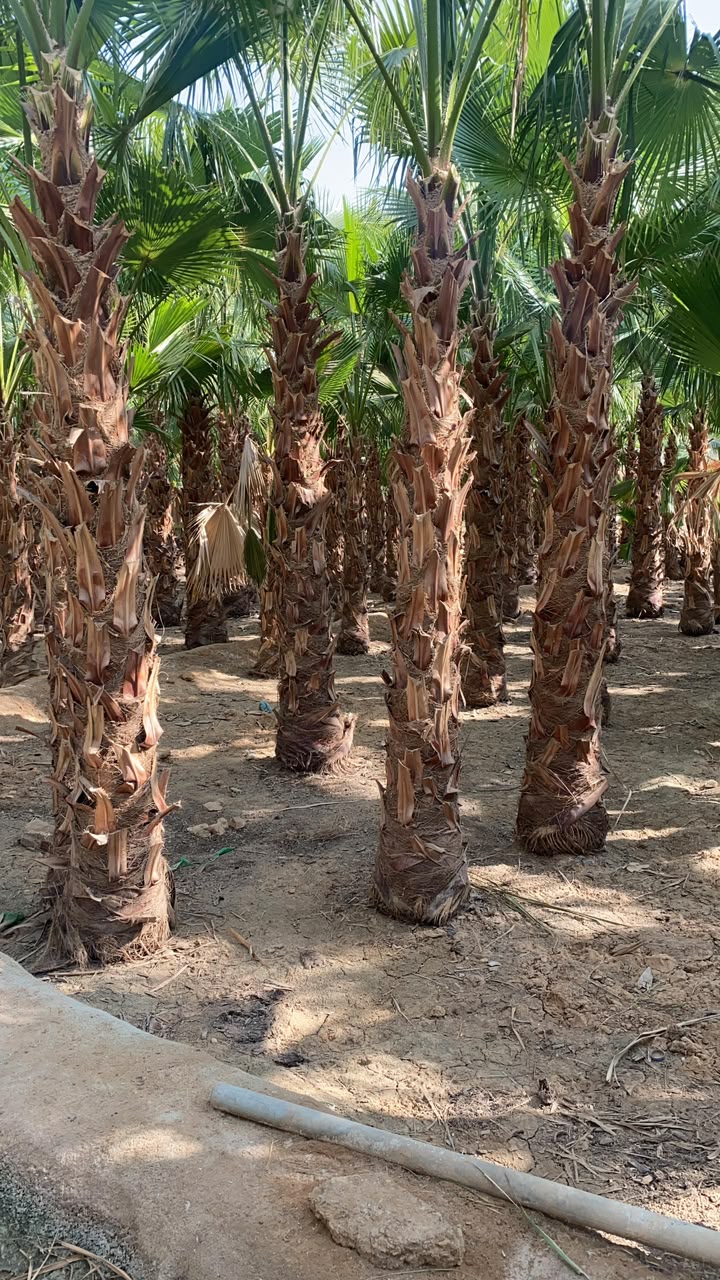
What Are the Common Mistakes When Planting Palms in Riyadh?
Common mistakes include selecting palms without considering their mature dimensions, planting too deeply, damaging roots during transport, ignoring nearby utilities and underestimating long-term maintenance.
Is choosing palms based only on height a mistake?
Yes. Nursery height does not describe mature crown dimensions, root requirements, plant health or long-term suitability.
Choose specimens based on both current condition and future growth.
Can planting too deeply damage a palm?
Yes. Incorrect planting depth can create harmful conditions around the base and root system.
Follow appropriate palm planting specifications rather than burying the trunk base for stability.
Is planting palms too close to buildings a problem?
It can be, especially when the mature crown, trunk or maintenance work conflicts with structures and building services.
Check actual clearances before installation.
Can poor lifting damage mature palms?
Yes. Improper lifting or handling can damage the trunk, crown and root ball.
Large specimens should be moved by experienced crews using appropriately rated equipment.
Is selecting the cheapest nursery palm always economical?
No. A low purchase price may be offset by poor stock quality, inadequate root condition or higher establishment risk.
Compare total installed value rather than purchase price alone.
How Do I Inspect Palm Trees After Installation?
Inspect the planting depth, crown condition, root-ball stability, soil levels, drainage, support arrangements and establishment plan before accepting the work.
What should I inspect before signing off a palm planting project?
Confirm that the installed species, specimen quality, locations and planting methods match the approved landscape design.
Use the following checklist.
- ☐ Scientific names match the agreed planting schedule.
- ☐ Nursery specimens have been inspected.
- ☐ Palm trunks show no significant visible transport damage.
- ☐ Crowns and growing points appear healthy.
- ☐ Planting locations follow the approved plan.
- ☐ Mature height and crown clearance have been reviewed.
- ☐ Underground utility locations have been checked.
- ☐ Planting depth is appropriate.
- ☐ Root balls have been handled carefully.
- ☐ Surrounding soil levels are correct.
- ☐ Drainage limitations have been addressed.
- ☐ Support systems, where needed, are safe.
- ☐ Irrigation connections function as specified.
- ☐ Trunks are protected from mechanical damage.
- ☐ Maintenance access is available.
- ☐ An establishment monitoring plan is documented.
- ☐ Applicable workmanship and nursery warranties are recorded.
- ☐ The final planting quantities match the contract.
How do I know whether a newly planted palm is establishing successfully?
Monitor crown condition, new growth where seasonally expected, trunk stability and signs of water stress or pests.
One short-term visual observation may not be enough to judge establishment success.
Should I keep records of the planted palms?
Yes. Record species, planting date, nursery source, specimen size, location and maintenance observations.
These records can support long-term landscape management and help diagnose future problems.
How Do I Plan a Palm Landscaping Project for a Riyadh Villa?
Start with the architectural layout and intended landscape character, then select species, define planting positions, review mature dimensions and prepare a costed installation and maintenance plan.
Should the landscape design come before buying palms?
Yes. A coordinated design reduces the risk of purchasing specimens that do not fit the space or the intended appearance.
The design should identify planting locations, species, approximate specimen sizes and access requirements.
Should I select all palms from one nursery?
Not necessarily. Nursery quality, accurate species identification, appropriate growing conditions and specimen health matter more than using one supplier exclusively.
However, consistent stock specifications can help create a uniform visual result.
Can I combine palms with shade trees and shrubs?
Yes. A layered landscape design can combine palms for vertical structure with appropriate shade trees and shrubs for different environmental and visual functions.
Species should be selected according to local climate, mature space and project requirements.
Should I budget for long-term palm maintenance?
Yes. Include future inspections, pruning, plant-health monitoring and specialist access when selecting tall palm species.
Lifetime maintenance can be an important part of the overall investment.
What Questions Should I Ask a Palm Landscaping Contractor?
Ask about botanical identification, nursery stock, planting methods, equipment, site preparation, establishment services and written project specifications.
Will the contractor specify each palm species?
A professional proposal should identify the species and relevant specimen specifications, rather than using vague descriptions such as "large palm."
Different Washingtonia species and date palm varieties should not be treated as interchangeable without approval.
Will the contractor inspect the site before planting?
Site assessment is important when soil conditions, access, utilities or large specimens create technical installation requirements.
The assessment should inform the planting method and quotation.
Will transport and lifting be included in the price?
The quotation should clearly state whether delivery, unloading, lifting equipment and installation are included.
These costs can be significant for mature palms.
Will the contractor provide an establishment plan?
Request written guidance for post-planting monitoring and care, with clear responsibilities for the contractor and property owner.
Also confirm any agreed inspection visits or warranties.
Need date palm or Washingtonia planting for your villa or commercial landscape?
Contact Rayat Najd Landscaping to discuss species selection, nursery stock, planting preparation and professional landscaping requirements in Riyadh.
What Are the Most Frequently Asked Questions About Palm Trees in Riyadh?
These answers address the most common questions about choosing, planting and maintaining date palms and Washingtonia palms in Saudi landscapes.
What are the trees?
Date palms are Phoenix dactylifera, while common Washingtonia landscaping palms include Washingtonia robusta and Washingtonia filifera. All are palms, but they have different forms and landscape applications.
What are the benefits of palm trees?
Palm trees provide architectural beauty, landscape character and cultural value, while suitable date palms may also produce edible fruit. Their benefits depend on species and planting location.
What are the benefits of Washingtonia trees?
Washingtonia palms offer distinctive fan-shaped foliage and vertical architectural presence. They can be effective in large entrances, formal avenues and open landscape spaces.
Where are trees planted?
Plant palms in locations with suitable soil, drainage, sunlight, mature clearance and maintenance access. Avoid conflicts with buildings, overhead utilities and restricted pedestrian routes.
How are they planted?
Healthy nursery specimens are positioned in properly prepared planting locations, with careful root-ball handling, appropriate planting depth and monitored establishment care. Large palms require professional lifting and handling.
How much does planting cost?
Costs depend on species, size, nursery quality, delivery, lifting, site preparation and installation requirements. A site-specific quotation is necessary for accurate Saudi pricing.
What is the lifespan of trees in years?
Date palms and Washingtonia palms can live for many decades, with some individuals surviving much longer under favorable conditions. There is no guaranteed lifespan for a specific specimen.
What are the types of trees, how, when and why?
Select tree types according to their purpose, plant them using species-appropriate methods, choose favorable establishment conditions and ensure the design suits the long-term site requirements. Date palms and Washingtonia palms serve different architectural and horticultural objectives.
Which is better for a Riyadh villa, date palm or Washingtonia?
Date palms are suitable for traditional Saudi character and potential fruit production, while Washingtonia palms can provide formal vertical accents. The best choice depends on architecture, available space and maintenance requirements.
What is the best time to plant Washingtonia in Riyadh?
Choose a planting window with favorable establishment conditions and avoid unnecessary exposure to environmental extremes. Actual scheduling should reflect the weather, specimen condition and planting method.
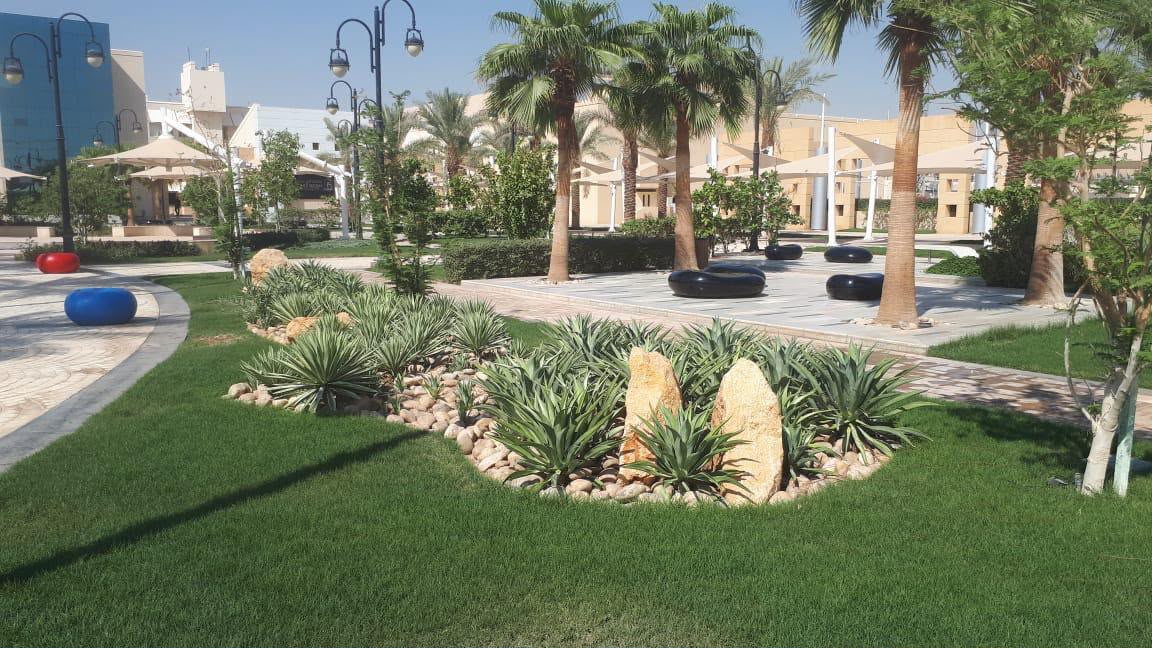
How Do I Choose the Best Palm Trees for My Riyadh Landscaping Project?
Choose palm trees based on the intended landscape character, mature proportions, environmental suitability, plant quality and the cost of long-term maintenance.
What should I decide before requesting a quotation?
Decide whether the project prioritizes traditional Saudi character, modern architectural design, edible date production or a combination of landscape functions.
Then identify the planting locations, approximate quantities and available space.
Should I compare mature appearance before choosing?
Yes. Evaluate how the palm will appear in the landscape after substantial growth, not only how it looks when delivered.
A tall Washingtonia may transform the proportions of an entrance, while a date palm may create a broader and more traditional composition.
How can Rayat Najd Landscaping help me choose suitable palms?
You can contact Rayat Najd Landscaping to discuss the selection of date palms, Washingtonia varieties and other suitable landscape plants for residential and commercial projects.
Explore the official Rayat Najd website and review the official botanical catalog for additional information about the company's plant categories.
Which Palm Should I Plant in Riyadh: Date Palm or Washingtonia?
Plant a date palm when cultural identity, traditional landscape aesthetics or date production is important. Choose Washingtonia robusta when a tall, slender architectural palm suits the location, or Washingtonia filifera when a broader fan-palm form is desired.
None of these species should be selected without considering the mature dimensions, available space and planting conditions.
For compact residential areas, smaller palm species or alternative trees may be more suitable than large date palms or tall Washingtonia specimens.
Final Answer: The decision between date palm vs Washingtonia in Riyadh is not about which tree is universally better. It is about choosing the species that best serves the project's architectural goals, growing conditions and long-term maintenance plan.
A successful palm landscape begins with accurate species identification, appropriate nursery stock and a well-planned planting layout. Professional installation and consistent plant-health monitoring then help the landscape develop as intended.
Date Palms and Washingtonia Landscaping in Riyadh
Contact Rayat Najd Landscaping to discuss palm selection, nursery stock, villa landscaping and professional planting requirements for your project.