




To fence vacant land in Saudi Arabia, first verify the legal property boundaries and determine whether the plot is subject to municipal vacant-land fencing requirements. Check the required permit and approved fence design, then prepare a site-specific installation plan covering materials, fence height, post spacing, foundations, access gates and drainage. Only begin installation after obtaining the required approvals. In regulated areas, a generic galvanized chain-link fence may not satisfy the municipality's approved design.
Vacant residential and commercial land plots are common throughout Riyadh and other growing Saudi cities. Some properties are held for future construction, while others are awaiting development, sale or infrastructure improvements.
Leaving an undeveloped plot without appropriate protection may create practical problems, including unauthorized dumping, uncontrolled access, unclear visual boundaries and potential interference with future development activities.
However, choosing a fence for vacant land involves more than selecting a material and calculating a price per meter.
Saudi municipalities have specific requirements for certain vacant plots, and property owners may need to follow approved fencing models and permit procedures before construction.
In this guide, Shobok Rayat Najd explains how to plan vacant land fencing, choose suitable materials where permitted, calculate project quantities, understand post spacing and security height, and avoid expensive mistakes when fencing undeveloped property in Saudi Arabia.
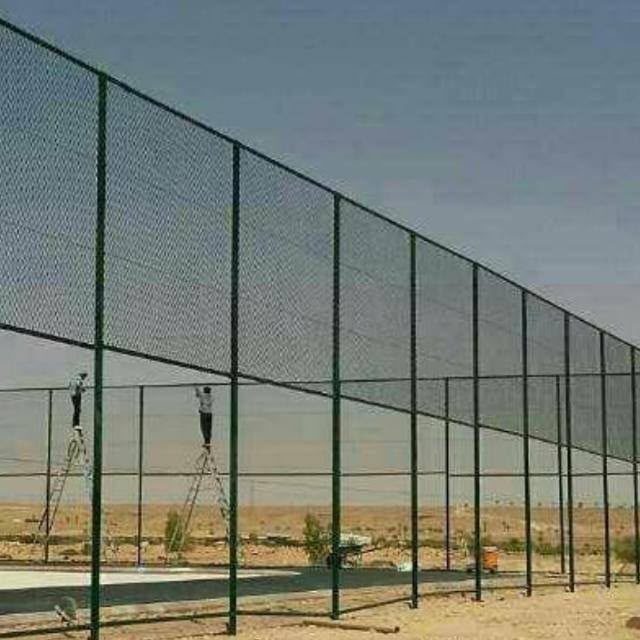
Quick Answer: What Should a Landowner Do First?
- Verify the legal boundaries using appropriate property and survey documentation.
- Check whether the plot falls within a regulated vacant-land fencing area.
- Confirm the applicable municipality's current permit requirements.
- Review approved fencing models before choosing galvanized mesh or another material.
- Measure the actual fence alignment and access requirements.
- Select posts, foundations and fence materials suitable for the site.
- Calculate quantities based on the approved design.
- Protect public sidewalks, utilities, adjacent properties and drainage routes.
- Inspect the completed fence before accepting the project.
Planning to fence a vacant land plot in Riyadh?
Contact Shobok Rayat Najd to discuss your property dimensions, proposed fencing materials and installation requirements, subject to the applicable municipal approvals.
 Call Now
 WhatsApp
Why Should I Fence My Vacant Land Plot?
Fencing can help define the physical perimeter, regulate access and discourage misuse of undeveloped land while supporting the property's maintenance and future development plans.
Does fencing vacant land protect my property?
A suitable fence can discourage casual unauthorized entry and clearly identify the controlled perimeter, although it does not guarantee prevention of trespassing or property damage.
The actual protection provided depends on the fence material, gate design, site conditions and maintenance.
A lightweight temporary barrier and a properly engineered permanent fence offer different levels of durability and access control.
Can fencing help prevent waste dumping on vacant land?
Fencing can reduce easy vehicle and pedestrian access, which may help discourage unauthorized dumping when combined with appropriate site management.
However, fencing alone cannot eliminate dumping risks.
Property owners should also monitor the land, maintain the entrance and report unlawful activities through appropriate official channels.
Does a fence prove the legal boundary of my plot?
No. A fence marks a physical line but does not independently establish legal ownership or resolve boundary disputes.
The installation alignment must be based on verified land records and appropriate survey information.
If there is uncertainty about the boundary, resolve it before constructing the fence.
Should I fence land that I plan to build on later?
Fencing may be appropriate or required depending on the plot's location, municipal rules and development schedule.
Consider whether the fence will need to remain in place, be modified for construction access or be removed during future building work.
Is Fencing Vacant Land Mandatory in Saudi Arabia?
Fencing requirements apply to certain vacant land plots and designated areas under Saudi municipal programs, but they should not be assumed to apply identically to every undeveloped property. The landowner must check the property's status and applicable rules.
How do I know whether my land must be fenced?
Check the official vacant-land fencing inquiry service and verify the property against the designated areas and current requirements.
The Saudi National Portal provides an official Inquiry Service for Vacant Land Fencing.
It describes a service through the Balady platform that allows users to review designated fencing areas on a map.
The listed initial areas include Riyadh, Jeddah, Makkah, Madinah and the Dammam metropolitan area.
However, inclusion in a city does not automatically mean every vacant plot in that city has identical requirements.
Do all vacant plots in Riyadh require the same fence?
No. The applicable requirements depend on the land's regulatory classification, location and current municipal instructions.
Some plots may be subject to approved fencing models, while other sites may have different requirements.
The appropriate design should be confirmed using the official municipal process before ordering materials.
Can I choose any fence design I like?
Not necessarily. Where vacant-land fencing regulations apply, the municipality may require an approved design and specific construction materials.
A generic chain-link fence should not be presented as automatically compliant with regulated vacant-land fencing rules.
Review the applicable Guide for Fencing Vacant Lands and the relevant local permit requirements.
Where can I check the official rules?
Use the Ministry of Municipalities and Housing, the Balady services platform and the municipality responsible for the property's location.
For land in Riyadh, also review the services provided through Riyadh Municipality.
Official requirements may be updated, so confirm the latest applicable conditions before starting construction.
How Do I Obtain a Vacant Land Fencing Permit?
Check the applicable permit route through Balady or the local municipality, verify the property details and survey documentation, select the approved design where required, and obtain permission before installation.
Can I apply for a vacant land fencing permit online?
Yes. Saudi government services provide electronic permit procedures for qualifying vacant-land fencing applications.
The Saudi National Portal's Vacant Land Fencing Permit Issuance Service explains the application route through Balady.
It includes identity verification and property-related information as part of the process.
Do I need a survey decision before applying?
The official Balady service description includes steps for identifying the relevant survey decision and describes a route involving an engineering office when the required decision is unavailable.
Exact requirements should be checked against the current application process and the plot's status.
Do not substitute approximate measurements for the legal survey information required by the authority.
Is there a Riyadh Municipality fencing permit service?
Yes. Riyadh Municipality provides a site protection permit service for vacant land fencing using the municipality's prescribed fencing models.
The official Riyadh Municipality service page describes the application and permit process.
Check the current conditions and applicable service route before proceeding.
Can I install the fence first and apply later?
Do not assume retrospective approval is permitted. Where a fencing permit is required, obtain the relevant authorization before construction.
Installing an unapproved fence can create compliance issues or require subsequent modification or replacement.
| Regulatory Check | Why It Matters | Recommended Action | Official Reference |
|---|---|---|---|
| Designated Fencing Area | Determines whether the plot falls within identified fencing areas | Check the vacant-land inquiry map | Balady / Saudi National Portal |
| Permit Requirement | Confirms whether approval is needed before construction | Review the applicable application process | Balady / Local Municipality |
| Legal Property Boundary | Prevents installation outside the approved plot limits | Verify land and survey documentation | Relevant Land and Survey Authorities |
| Approved Fence Model | Determines permitted materials and configuration | Use the model approved for the property | Municipal Fencing Guide |
| Gate and Entrance | Affects access, circulation and potential regulatory compliance | Confirm gate requirements in the approved design | Local Municipality |
| Maintenance Obligations | Ensures the completed fence remains safe and serviceable | Inspect and repair damaged sections | Applicable Permit Conditions |
How Do I Verify the Legal Boundaries Before Fencing?
Use authoritative property documents and appropriate survey data to establish the fence alignment before setting out posts or excavating foundations.
Can I use the existing corner markers?
Existing markers may help identify the plot, but they should be verified against valid survey information before construction.
Markers may have moved, been damaged or been installed inaccurately.
Unverified markers are not a substitute for the official boundary information.
Should I hire a surveyor before installing a fence?
A qualified survey professional is appropriate when boundaries are unclear, documentation needs interpretation or there is a risk of encroachment.
This is particularly important for irregular plots and properties next to roads, sidewalks or neighboring developments.
Can I build the fence slightly outside my land boundary?
Do not build outside your legal boundary without the appropriate legal authorization.
Even a small encroachment may create disputes or regulatory problems.
The approved alignment should guide the contractor's work.
What if my plot borders a public sidewalk?
The fence must respect the applicable public right-of-way and municipal conditions.
Do not obstruct pedestrian access, drainage infrastructure or municipal services.
Confirm the permitted alignment and construction access before starting work.
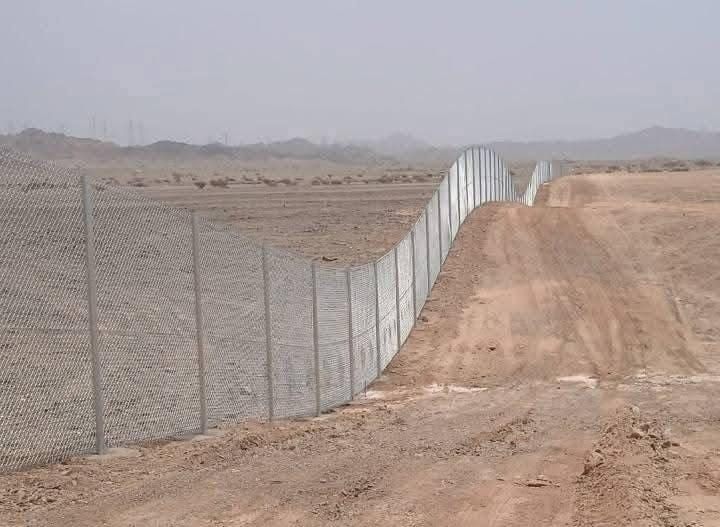
What Are the Strongest Types of Fences?
The strongest type of fence depends on the required resistance to impact, deformation, wind, unauthorized access and environmental exposure. Heavy-duty steel systems, engineered rigid panels and properly designed masonry or concrete fencing may provide different advantages, subject to site conditions and municipal approval.
Is galvanized chain-link fencing strong enough for vacant land?
Galvanized chain-link fencing can be suitable for certain vacant plots when permitted and correctly specified, but it is not automatically appropriate for every regulated property.
Its performance depends on wire diameter, mesh configuration, posts, tensioning and foundation design.
It can provide a visible physical boundary while allowing air and sightlines through the fence.
Is welded mesh fencing stronger than chain-link fencing?
Welded mesh can provide a relatively rigid panel system, while chain-link mesh offers flexibility. Their comparative strength depends on actual materials, dimensions and support conditions.
Neither system is universally stronger in every loading scenario.
Compare engineered specifications rather than product names alone.
Are solid metal fences better for security?
Solid metal fences may provide greater visual screening, but they can also experience substantial wind loads and require different structural support.
A solid appearance should not be confused with a guaranteed security rating.
Site design, anchoring and maintenance remain important.
Is a concrete fence stronger than galvanized mesh?
A properly engineered concrete wall can provide different resistance and privacy characteristics, but it also introduces substantial foundation, cost and construction requirements.
The right solution depends on approved designs, location, structural demands and the intended service life.
What should I check before selecting the strongest fence?
Compare the complete fence system rather than evaluating the mesh alone.
Review material specifications, post dimensions, foundation design, corrosion protection, gate connections and the applicable approved fencing model.
Which Fence Materials Are Suitable for Vacant Land?
Potential materials include galvanized chain-link mesh, rigid welded steel panels and other approved fencing systems, but the permitted design must be confirmed before purchase.
Why is galvanized steel commonly used for fencing?
Galvanizing provides a protective zinc coating that helps reduce corrosion of steel components.
Its effectiveness depends on coating specification, environmental conditions, workmanship and maintenance.
Cut edges, damaged coatings and incompatible fittings require appropriate attention.
Should I choose galvanized or painted steel?
The decision depends on the corrosion protection system, environmental exposure and required appearance.
Some steel products use galvanizing alone, while others combine galvanizing with additional coating systems.
Do not assume that any painted product offers the same protection as an appropriately specified galvanized system.
Does thicker fence wire always mean better protection?
Wire diameter affects mechanical performance but does not independently determine total fence strength.
Steel properties, mesh geometry, support spacing and fixing methods all influence performance.
Should all fence components use matching corrosion protection?
Components should be selected as a compatible system with suitable corrosion resistance.
Posts, brackets, fasteners, hinges and attachment wires may deteriorate differently if their protective specifications are inconsistent.
| Fence System | Potential Application | Main Advantages | Important Limitations |
|---|---|---|---|
| Galvanized Chain-Link | Approved perimeter fencing where suitable | Flexible configuration and open visibility | Requires adequate tension, support and approved use |
| Rigid Welded Mesh Panels | Defined boundaries and selected security applications | Consistent panel geometry | Panel joints and corrosion protection need attention |
| Galvanized Steel Framed Fence | Custom perimeter sections and entrance areas | Can provide additional structural framing | Cost and weight depend on the design |
| Solid Steel Panels | Applications requiring screening where approved | Reduced visual access | Greater potential wind loading and support demands |
| Masonry or Concrete Wall | Approved permanent boundary construction | Durable physical separation when engineered correctly | Higher structural and foundation complexity |
Important: This comparison explains construction characteristics. It does not establish that every listed system is approved for vacant-land fencing under a particular Saudi municipality's permit.
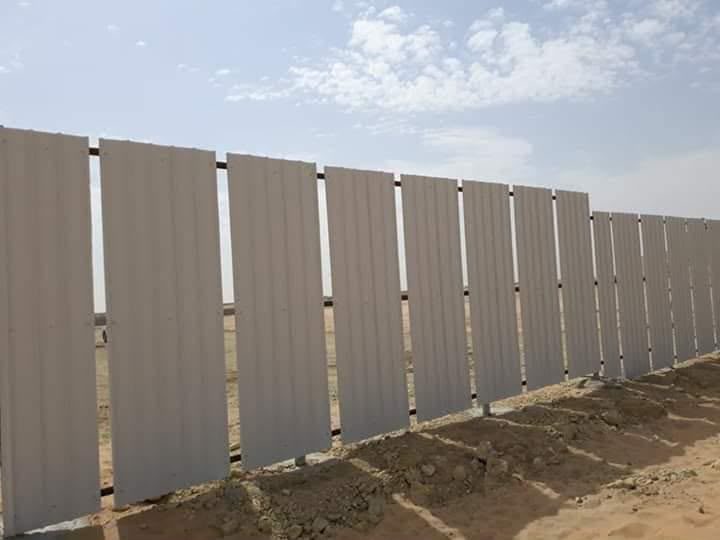
What Distance Is Required Between Fence Posts?
Fence post spacing must be designed according to the fence height, material, wire tension, wind exposure, ground conditions and structural requirements. There is no universally correct spacing for every vacant land fence.
Can I install fence posts every two or three meters?
Spacing such as two or three meters may appear in some fence designs, but these values should never be applied automatically without checking the approved system and engineering requirements.
Different post profiles and mesh systems have different load capacities.
Municipal approved designs may also prescribe specific configurations.
Does a taller fence need closer post spacing?
Increasing fence height can increase demands on posts and foundations, which may require revised spacing or stronger components.
The correct response depends on the overall engineering design rather than height alone.
Do corner posts need different foundations?
Corner and terminal posts may carry different loads, especially when supporting tensioned chain-link mesh.
They often require appropriate bracing or stronger support details compared with intermediate posts.
Does sandy soil affect fence post spacing?
Sandy soil can influence foundation dimensions and resistance to movement, but changing spacing alone does not necessarily solve a weak foundation condition.
The post and footing design should be assessed together.
Should gate posts be stronger than regular fence posts?
Gate posts often require separate design because they must resist the gate's weight, operation forces and environmental loads.
Do not assume an ordinary intermediate fence post is suitable for supporting a large gate.
What Is the Security Height for Fences?
There is no single security height suitable for every property. The correct height depends on the risk assessment, fence design, physical conditions and applicable municipal approval.
Is a two-meter fence secure enough for vacant land?
A two-meter fence may provide a defined perimeter for certain applications, but height alone does not establish security performance or regulatory compliance.
Gates, climbable features, structural strength and nearby terrain all influence the effectiveness of the system.
Can I build a taller fence for extra security?
Only when the proposed height is permitted and structurally appropriate for the site.
Additional height can increase loading and may change the required design and approvals.
Does the municipality decide the fence height?
For regulated vacant-land fencing, the applicable approved model and permit conditions can determine the permitted dimensions and materials.
Always verify the relevant municipality's current requirements.
Does a taller fence prevent unauthorized entry?
Greater height may increase the difficulty of access, but no fence height provides an absolute guarantee against intrusion.
Effective property protection also involves secure gates, maintenance and appropriate monitoring.
How Do I Install Fences?
Install a vacant land fence by confirming the approved alignment and design, setting out post positions, assessing the ground, constructing suitable foundations, installing posts and fence panels or mesh, and inspecting the completed perimeter.
What is the first step in fence installation?
Verify the property boundary, required approvals and approved fencing model before beginning any excavation or installation.
Confirm the position of roads, sidewalks, drainage features and underground utilities.
How do I mark the fence alignment?
Use verified survey information and appropriate setting-out methods to identify corners, straight sections, entrance positions and any changes in ground level.
A documented layout helps contractors maintain accurate installation and quantities.
Should I install the posts before the mesh?
In many systems, correctly positioned and secured posts are established before the mesh or panels are attached.
The complete installation sequence should follow the approved system and materials.
How do I keep a long fence straight?
Use accurately set-out alignment references, consistent post positioning and regular quality checks during construction.
Inspect both horizontal alignment and vertical post positioning.
Can I install fencing myself?
Some minor fencing tasks may be manageable by experienced property owners, but permanent site fencing involving excavation, structural foundations or regulated approvals is better handled by qualified personnel.
Incorrect placement or unsafe construction can create substantial financial and safety risks.
How Deep Should Fence Post Foundations Be?
Foundation depth and dimensions must reflect the soil conditions, fence height, wind loading, post design and applicable construction requirements. A single fixed depth is not suitable for every property.
Does Riyadh's sandy soil require special foundations?
Ground conditions vary across Riyadh, and sandy soils may require particular attention to density, stability and foundation resistance.
A site-specific assessment should determine the appropriate foundation arrangement.
Can I place steel posts directly into the soil?
Direct embedment may be part of some engineered systems, but it should not be selected without evaluating soil stability, corrosion exposure and structural requirements.
Other systems use concrete footings or engineered anchors.
How do I prevent fence posts from leaning?
Use properly designed foundations and bracing, install posts accurately, and avoid applying loads before the foundation system is ready.
Inspect the posts during construction and after significant weather events.
Can rainwater damage fence foundations?
Water accumulation and erosion may affect supporting soil or expose foundations, especially where drainage has not been considered.
Provide appropriate drainage and avoid obstructing natural or engineered water paths.
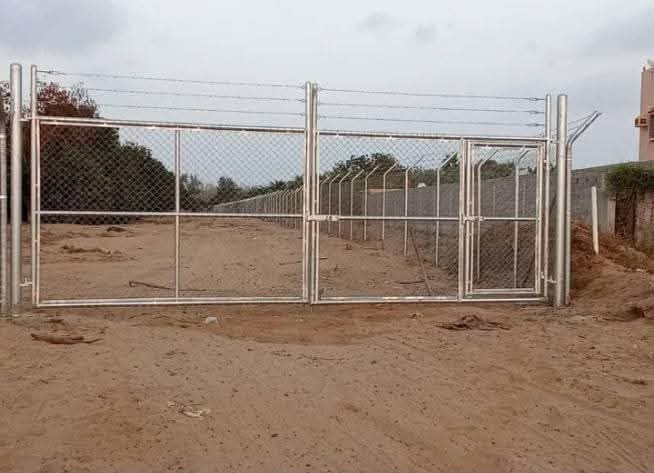
How Do I Fence an Irregularly Shaped Plot?
For irregular land, determine the verified boundary coordinates and divide the fence alignment into measurable segments, then design corners, changes in direction and access points accordingly.
How do I measure land that is not rectangular?
Measure each verified boundary segment individually and add the lengths to obtain the total fence perimeter.
Do not calculate the fencing requirement using the property's area alone.
Do irregular plots require more corner posts?
Plots with multiple changes in direction may require additional corner or terminal supports, depending on the fence system.
These components may need different structural details from ordinary intermediate posts.
How do I fence land with sloping ground?
Use a design appropriate for the terrain, such as stepped or graded sections where supported by the approved fence system.
Ground level changes should be considered to avoid unintended openings or unstable supports.
Can I straighten an irregular property boundary?
A fence alignment must not be changed in a way that creates unauthorized encroachment or fails to follow approved property boundaries.
Any proposed deviation should be checked with the relevant survey and approval requirements.
How Do I Design a Gate for Vacant Land?
Design the entrance around authorized access requirements, the approved fence model, safe gate operation and the structural loads imposed on supporting posts.
Should I install a vehicle access gate?
A vehicle gate may be appropriate when the plot needs access for maintenance, authorized inspection or future site works.
The gate dimensions and configuration must comply with applicable approvals and site conditions.
Should the gate open inward or outward?
Follow the applicable municipal specification and ensure that gate operation does not obstruct public space or create safety hazards.
The Saudi vacant-land fencing guide includes specific gate provisions for its regulated models.
Do not apply the details of one municipal model to a different property without verification.
Can I install a sliding gate?
A sliding gate may be suitable where its configuration is approved and there is enough safe operating space.
Confirm the structural supports, travel path and maintenance requirements.
How do I keep a vacant land gate secure?
Use an appropriate latch or locking system, strong supporting posts and a design that allows reliable closure.
Check hinges, tracks and connections during maintenance.
Should the gate be installed before or after the main fence?
The gate opening and supporting foundations should be included in the initial design, even if the final gate components are installed at a later construction stage.
This prevents avoidable changes to fence alignment and structural supports.
How Do I Calculate the Cost of Vacant Land Fencing?
Calculate cost using the measured fence perimeter, approved fence specification, foundations, posts, gates, site preparation and labor requirements. The cost should be based on a detailed bill of quantities rather than the land area alone.
How do I calculate the perimeter of a rectangular plot?
Add the length and width, then multiply by two.
Perimeter=2 × (Length + Width)
For example, a rectangular plot measuring 50 meters by 40 meters has a perimeter of 180 meters.
The final fence quantities may change with gate openings, approved alignment adjustments and actual site measurements.
Does a 2,000-square-meter plot have a fixed fence length?
No. Two plots with the same area can have different perimeters if their shapes differ.
A square plot and a long, narrow rectangular plot may require different lengths of fencing despite having equal area.
How much does galvanized fencing cost per meter?
There is no single verified price per meter that applies to all galvanized fencing projects in Saudi Arabia.
Costs vary with material specifications, height, wire diameter, foundations, gates, location and installation difficulty.
Current supplier quotations are required for accurate pricing.
Does a larger plot always cost more to fence?
Not necessarily when comparing area alone, because fence quantity depends primarily on perimeter and construction requirements.
A complicated boundary can require additional corner posts, special foundations and installation work.
Should the gate be included in the price per meter?
The quotation should explicitly state whether gate supply and installation are included or priced separately.
Other separate costs may include surveying, permits, special foundation work and site preparation.
| Cost Component | Calculation Method | Hypothetical Example |
|---|---|---|
| Plot Perimeter | 2 × (Length + Width) | 2 × (50 + 40)=180 m |
| Gate Opening | Subtract gate width from straight fence run | 180 - 4=176 m of fence |
| Fence Supply and Installation | Fence Length × Illustrative Unit Price | 176 × SAR 90=SAR 15,840 |
| Gate Supply and Installation | Separate Estimated Item | SAR 2,500 |
| Additional Site Preparation | Illustrative Allowance | SAR 1,500 |
| Illustrative Subtotal | Sum of Listed Example Items | SAR 19,840 |
Pricing disclaimer: These figures are fictional calculation examples, not verified 2026 Saudi market prices and not a quotation from Shobok Rayat Najd. They do not establish the availability or regulatory acceptance of the illustrated fence. The example excludes unlisted costs, potentially including permits, taxes, special foundations and other project-specific requirements.
What Should a Fencing Contractor Include in the Quotation?
A professional quotation should identify the approved design, measured quantities, materials, foundations, gate specification, installation scope and any exclusions.
Should the quotation specify wire diameter?
Yes, when mesh fencing is permitted, the quotation should identify relevant material specifications, including wire diameter, mesh configuration and corrosion protection.
Generic descriptions such as "strong fence" are not sufficient for a technical comparison.
Should fence height and post spacing be written down?
Yes. The approved height, post layout and relevant structural details should be documented before installation.
This helps both parties verify that the finished work matches the agreed scope.
Should concrete foundations be included in the quotation?
The quotation should clearly state which foundation works are included and how their design and quantities will be determined.
Site conditions may require additional assessment or modifications.
How do I compare two fencing quotations fairly?
Compare proposals against the same approved specifications and scope, not only their total prices.
A lower quotation may exclude gates, foundations, corrosion protection or site preparation.
Should the contractor provide a maintenance or warranty document?
Where warranties or maintenance commitments are offered, their coverage, duration and exclusions should be documented clearly.
Do not assume a specific product or installation warranty unless it is expressly provided.
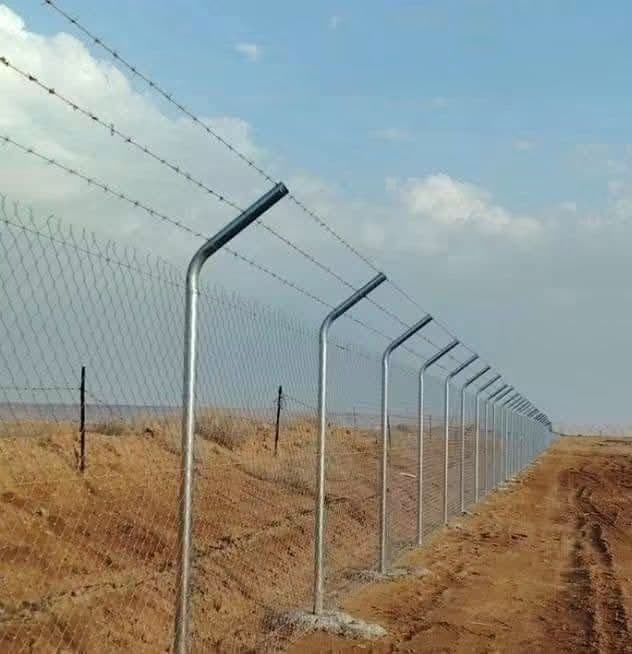
How Do I Maintain a Vacant Land Fence in Saudi Weather?
Inspect the fence regularly for corrosion, damaged mesh, loose connections, leaning posts, gate problems and changes in the supporting soil.
Does extreme heat damage galvanized fencing?
Long-term durability depends on the materials, protective coating and environmental exposure rather than temperature alone.
Plastic-coated fittings, seals and other nonmetallic parts may have different weathering characteristics.
Can desert dust and sand affect fence performance?
Sand movement, abrasion and changing ground levels can affect connections, gates and supporting foundations.
Regular inspection is useful where wind-driven sand accumulation occurs.
Should I inspect the fence after heavy rain?
Yes. Check for erosion, standing water, exposed foundations, displaced soil and damage to gate operation.
Address drainage problems before they undermine the fence support system.
What should I do if a fence post begins leaning?
Have the cause assessed rather than simply pulling the post back into position.
Possible causes include inadequate foundation resistance, soil movement, impact damage or excessive loads.
Can I repair only one damaged section?
Localized repair may be appropriate if the surrounding structure remains sound and the repair can restore the required performance.
Widespread corrosion or structural movement may require more extensive rehabilitation.
What Are the Most Common Vacant Land Fencing Mistakes?
Major mistakes include installing before permit verification, using incorrect boundary measurements, purchasing unapproved materials, overlooking foundations and failing to define the gate arrangement.
Is it a mistake to buy chain-link mesh before checking municipal rules?
Yes. If the municipality requires a different approved fencing model, buying generic mesh in advance may result in wasted materials or noncompliant construction.
Confirm the approved design first.
Can inaccurate measurements increase fencing costs?
Yes. Incorrect perimeter measurements can lead to material shortages, surplus quantities and misplaced posts.
Use actual verified boundary dimensions.
Is it safe to ignore underground utilities?
No. Excavation near unknown buried services can damage infrastructure and create serious safety risks.
Review available utility information and follow safe excavation procedures before foundation works.
Should I choose the cheapest fence without checking specifications?
No. Low initial cost does not necessarily provide the required durability, compliance or total project value.
Compare materials, structural details and exclusions.
Can I use the fence as an advertising billboard?
Do not assume advertising on a vacant-land fence is automatically permitted.
Municipal guidance may impose restrictions and require separate authorization for advertising content.
Check the applicable rules before attaching signs or promotional panels.
How Do I Compare Fence Post Materials and Foundation Options for Vacant Land?
Compare fence posts and foundations based on soil conditions, fence height, wind exposure, corrosion resistance, structural loads and the municipality's approved design. The following table helps property owners in Riyadh and other Saudi cities understand which factors should be evaluated before selecting a fencing system.
| Post or Foundation Option | Potential Application | Main Advantages | Important Considerations | Inspection Requirements |
|---|---|---|---|---|
| Hot-Dip Galvanized Steel Posts | Permanent galvanized mesh fencing where approved | Corrosion protection and compatibility with suitable steel fencing components | Post profile, wall thickness, coating specification and structural capacity must match the design | Check coating damage, alignment, connections and signs of corrosion |
| Powder-Coated Steel Posts | Approved fencing projects requiring a specific architectural finish | Consistent appearance and additional surface protection when correctly specified | Coating performance depends on surface preparation, underlying protection and environmental exposure | Inspect scratches, coating adhesion and exposed metal |
| Steel Posts with Individual Concrete Footings | Fence systems requiring discrete engineered supports | Allows each post to be supported according to the approved structural design | Footing size, depth and reinforcement depend on soil conditions and loading | Check settlement, concrete defects and post stability |
| Base-Plated Steel Posts on Concrete | Suitable existing concrete structures with verified capacity | Can provide a defined bolted connection where properly engineered | Requires assessment of concrete condition, anchor design, edge distances and imposed loads | Inspect anchors, base plates, corrosion and concrete cracking |
| Reinforced Corner and Terminal Posts | Fence corners, endpoints and tensioned mesh sections | Provides additional support where load conditions differ from intermediate posts | Bracing, foundations and connections must accommodate the actual fence forces | Check bracing movement, connection integrity and post inclination |
| Reinforced Gate Posts | Vehicle and maintenance access gates | Supports gate weight and operating forces when designed correctly | Gate size, wind loading, hinge forces and foundation capacity require separate evaluation | Inspect hinges, gate alignment, post movement and foundation condition |
| Engineered Continuous Concrete Foundation | Approved fence designs requiring continuous structural support | Can provide continuous support when designed for the site and structural loads | Requires assessment of soil movement, drainage, reinforcement, construction cost and utilities | Inspect cracking, settlement, erosion and drainage problems |
Practical recommendation: Before approving a vacant land fencing quotation, request the proposed post specifications, corrosion protection system, foundation details, gate supports and installation method. These components must be compatible with the approved fencing model and the property's actual soil conditions. Avoid choosing post spacing, footing depth or structural dimensions from generic tables without appropriate engineering verification.
How Do I Inspect a Newly Installed Vacant Land Fence?
Inspect the completed fence against the approved design, quotation and verified property boundaries before final acceptance.
What should I check during the final inspection?
Verify alignment, material specifications, post stability, mesh attachment, gate operation and compliance with the agreed work.
- ☐ The legal plot boundary has been verified.
- ☐ Required municipal permissions have been obtained.
- ☐ The approved fencing model has been followed.
- ☐ Fence height matches approved requirements.
- ☐ Fence alignment matches the setting-out plan.
- ☐ Post spacing follows the approved design.
- ☐ Corner and terminal supports are correctly installed.
- ☐ Foundations meet the agreed specifications.
- ☐ Mesh or panels are installed correctly.
- ☐ Fasteners and connectors are secure.
- ☐ Corrosion protection has been checked.
- ☐ The entrance gate operates safely.
- ☐ The fence does not obstruct public rights-of-way.
- ☐ Underground utilities and drainage have been protected.
- ☐ Excavation debris and construction waste have been removed.
- ☐ Damaged or incomplete sections have been documented.
- ☐ Applicable warranty documentation has been reviewed.
- ☐ Final quantities and completion records are available.
How do I know whether the fence was installed correctly?
The installation should match its approved design and withstand the intended service conditions without visible structural defects.
Uniform appearance alone does not establish structural adequacy.
Foundation details and material compliance may require separate verification.
Should I document the completed project with photographs?
Yes. Photographs and completion records can help document the installed condition and support future inspections or maintenance.
Where possible, record the property alignment, gates, corner supports and representative construction details.
Need help planning a land fencing project?
Contact Shobok Rayat Najd to discuss galvanized fencing options, property dimensions, fence installation requirements and project quotations, subject to the approved design and applicable permits.
What Are the Most Frequently Asked Questions About Vacant Land Fencing?
These answers address common questions asked by property owners planning to fence undeveloped plots in Riyadh and other Saudi cities.
What are the strongest types of fences?
The strongest fence depends on its materials, structural support, foundations and intended loads. Properly engineered steel, rigid panel and concrete systems may suit different applications, subject to municipal approval.
How do I install fences?
Verify the legal boundaries and approvals, prepare the approved design, install suitable foundations and posts, attach the fence material and inspect the completed work.
What distance is required between fence posts?
Spacing depends on the fence type, height, wind loading, post strength and soil conditions. Use the approved engineering design rather than applying a fixed distance to every project.
What is the security height for fences?
There is no universal security height. The correct height depends on the approved municipal model, property requirements and structural design.
Is fencing vacant land mandatory in Riyadh?
Some vacant land plots are subject to municipal fencing requirements. Check the property's status through the official inquiry service and Riyadh Municipality.
Can I use galvanized chain-link fencing for vacant land?
It may be suitable where the applicable authority permits that design. Confirm the approved materials and configuration before purchasing or installing chain-link mesh.
Do I need a permit before fencing my land?
A permit may be required depending on the property's location and applicable regulations. Verify the current process through Balady or the relevant municipality before starting work.
How do I calculate fencing for a rectangular plot?
Calculate the perimeter using 2 × (length + width), then account for the gate opening and project-specific details. Irregular plots require individual boundary segment measurements.
How much does land fencing cost in Saudi Arabia?
Cost depends on measured fence length, approved materials, height, post design, foundations, access gates and site conditions. Request a property-specific quotation using confirmed specifications.
Can I install a temporary fence before building?
A temporary fence may be possible in certain circumstances, but it must satisfy applicable site protection and municipal requirements. Do not assume temporary mesh fencing replaces an approved vacant-land fencing model.
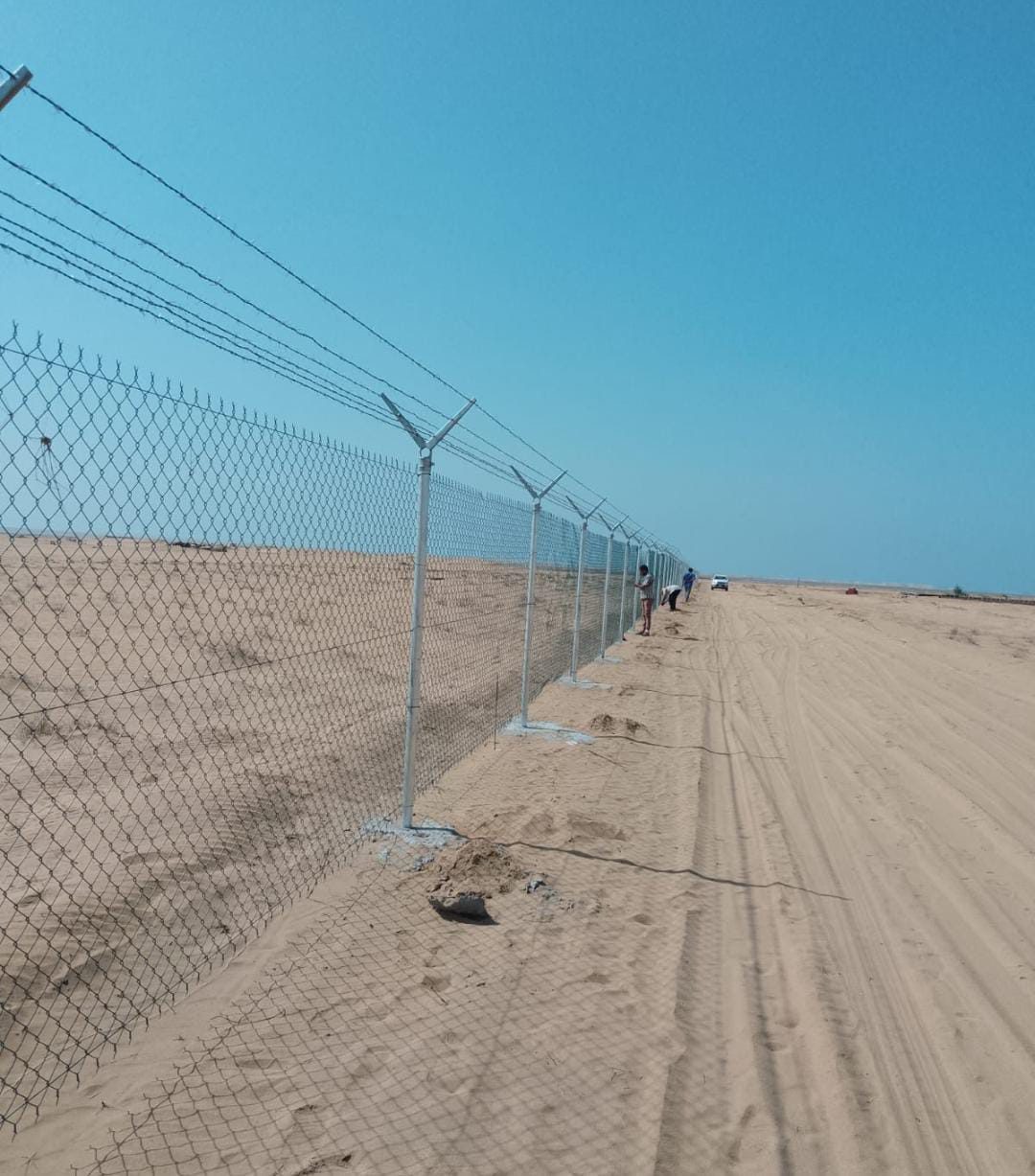
How Do I Choose a Fencing Contractor for My Vacant Land?
Choose a contractor that understands boundary accuracy, material specifications, foundation requirements and the applicable municipal design, and provides a clear written scope of work.
What should I tell the contractor before requesting a quotation?
Provide the property location, verified boundary dimensions, applicable approved fence design, site photographs and intended entrance requirements.
Also mention difficult access, uneven ground, existing structures and underground utilities.
Should I request a site inspection?
A site inspection is useful when ground conditions, alignment, access or foundation requirements cannot be evaluated reliably from documents alone.
It can identify practical construction issues before materials are ordered.
How can Shobok Rayat Najd help with land fencing?
You can contact Shobok Rayat Najd to discuss fencing materials, perimeter requirements and installation options for vacant land and other properties in Saudi Arabia.
Visit the official Shobok Rayat Najd website to learn about the business and inquire about a suitable project scope.
Any proposed solution should be reviewed against the property's permits, approved designs and engineering requirements before execution.
What Is the Best Way to Start a Vacant Land Fencing Project?
Start by verifying whether the property is subject to vacant-land fencing requirements, confirming its legal boundaries and identifying the permitted fencing design. Only then calculate quantities and compare installation proposals.
What should I do before buying fence materials?
Confirm the approved fence model, check the property survey and obtain any required permissions.
This reduces the risk of purchasing incompatible or noncompliant materials.
What should I prioritize when comparing contractors?
Prioritize compliance, clear specifications, suitable structural details and a documented scope of work.
The lowest initial quotation may not represent the lowest overall project cost.
How do I make my land fencing project more reliable?
Use accurate measurements, appropriate materials, engineered supports and regular quality checks throughout construction.
After completion, maintain the fence and repair damaged sections promptly.
Final Answer: If you are asking "How to Fence Vacant Land in Saudi Arabia?", the correct process begins with legal boundary verification and municipal compliance, followed by site-specific fence design, accurate cost calculations and professional installation.
Galvanized steel fencing may offer practical durability and visibility where permitted, but a material should never be selected before checking whether it matches the property's approved fencing model.
By addressing permits, boundaries, fence strength, post spacing, height, foundations and access arrangements from the beginning, property owners can reduce avoidable construction problems and plan a more reliable long-term perimeter solution.
Vacant Land and Property Fencing in Saudi Arabia
Contact Shobok Rayat Najd to discuss fencing requirements, galvanized steel mesh options, project measurements and suitable installation solutions for your property.