



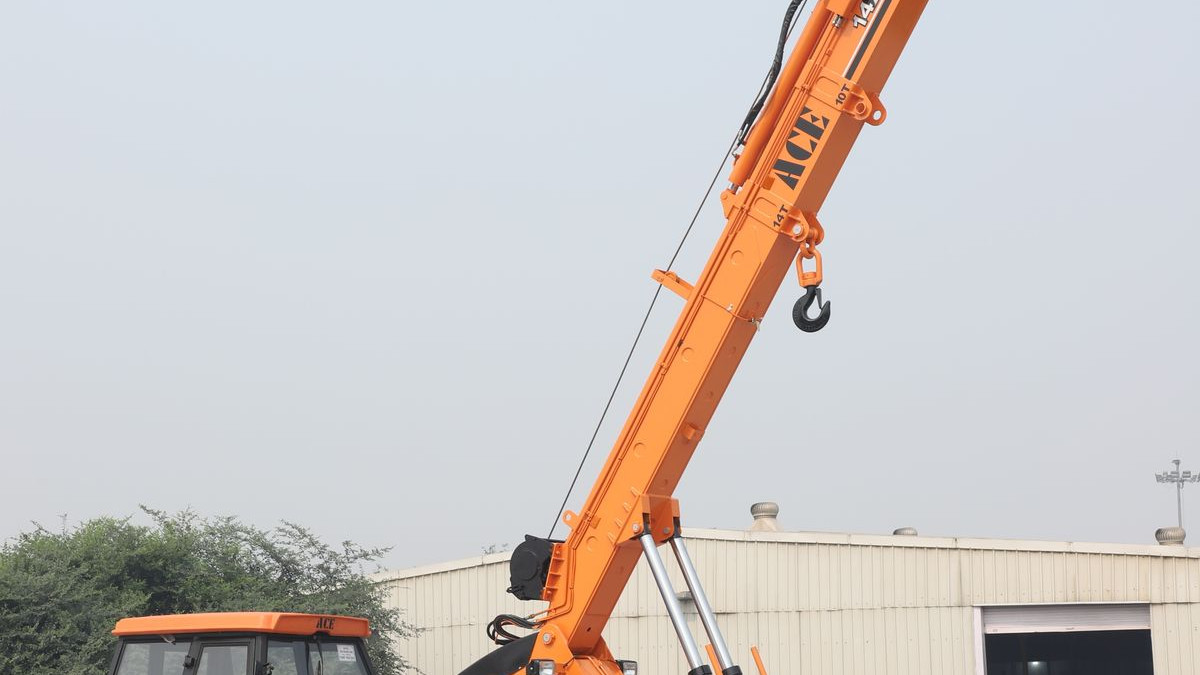
To plan a safe night crane lift, assess the load, select suitable lifting equipment, inspect ground conditions, establish adequate lighting, and prepare an approved lifting plan. Night operations also require clear communication, trained personnel, controlled access, and emergency procedures. Equipment selection and operating limits must follow the specific crane model and site assessment.
Nighttime crane operations are used across Saudi Arabia for industrial construction, infrastructure development, power facilities, scheduled plant maintenance, and projects where lifting must be coordinated with restricted operating windows.
مواكبة الحداثة للمقاولات (Morp) provides crane and heavy equipment rental solutions from Riyadh to projects throughout Saudi Arabia. Its equipment categories include mobile cranes, rough-terrain cranes, spider cranes, telescopic crawler cranes, forklifts, aerial work platforms, skid steer loaders, and portable lighting towers.
With hourly, daily, weekly, monthly, and project-based rental arrangements, alongside 24/7 support, Morp offers equipment rental options for industrial and construction requirements.
 Call Now
 WhatsApp

Why Do Construction Projects Need Crane Lifting at Night?
Why are heavy lifting operations sometimes scheduled after sunset?
Night lifting may be scheduled to meet project-specific access, maintenance, traffic-management, or operational requirements. Some industrial facilities provide limited access to installation areas during normal production hours, while infrastructure projects may require controlled work periods.
Common applications include:
- Installing large industrial components during approved maintenance windows.
- Lifting structural steel elements at construction sites.
- Supporting scheduled industrial shutdown activities.
- Moving equipment during controlled site-access periods.
- Supporting approved nighttime road and infrastructure works.
- Positioning equipment at power generation and electrical facilities.
Night work should be selected only when the site can maintain adequate visibility, supervision, personnel readiness, and emergency response capabilities.
Is lifting at night more difficult than lifting during daylight?
Night lifting introduces additional visibility and human-performance hazards. Reduced natural light can make it harder to identify overhead obstacles, ground changes, personnel movements, and load clearances.
Artificial lighting can also create glare and deep shadows that interfere with the operator's view.
For this reason, a daytime lifting plan should not automatically be treated as suitable for nighttime execution without reviewing night-specific hazards.
Can night lifting operations be carried out at industrial plants?
Yes, provided the operation is authorized and the site-specific controls are implemented. Industrial plants may require permits, equipment isolation, coordinated supervision, designated lifting areas, and communication with operations personnel.
Petrochemical facilities and shutdown projects may impose additional restrictions on ignition sources, equipment access, and work authorization.
These conditions must be confirmed before selecting or mobilizing rental equipment.
What Equipment Do I Need for a Safe Night Crane Lift?
Which crane types can be considered for nighttime lifting?
Mobile cranes, rough-terrain cranes, spider cranes, and suitable telescopic crawler cranes can be considered depending on the project. The correct option depends on load weight, operating radius, lifting height, access conditions, and available setup space.
Nighttime operation does not increase a crane's rated lifting capacity. Its load chart and manufacturer operating limitations still apply.
When should I consider a rough-terrain crane?
A rough-terrain crane may be considered for suitable construction or industrial ground conditions where its design and mobility are appropriate. It must still operate from an approved setup position and within its load chart.
Ground bearing capacity, slope, access routes, and outrigger requirements must be evaluated before use.
Can a spider crane operate at night?
A spider crane may be used for suitable nighttime tasks if the work area, lighting, and lifting configuration are acceptable. Its compact design can be useful where conventional equipment has limited access.
However, the crane must have sufficient space for its required stabilizer configuration, and ground loads must be verified.
What other rental equipment supports night lifting operations?
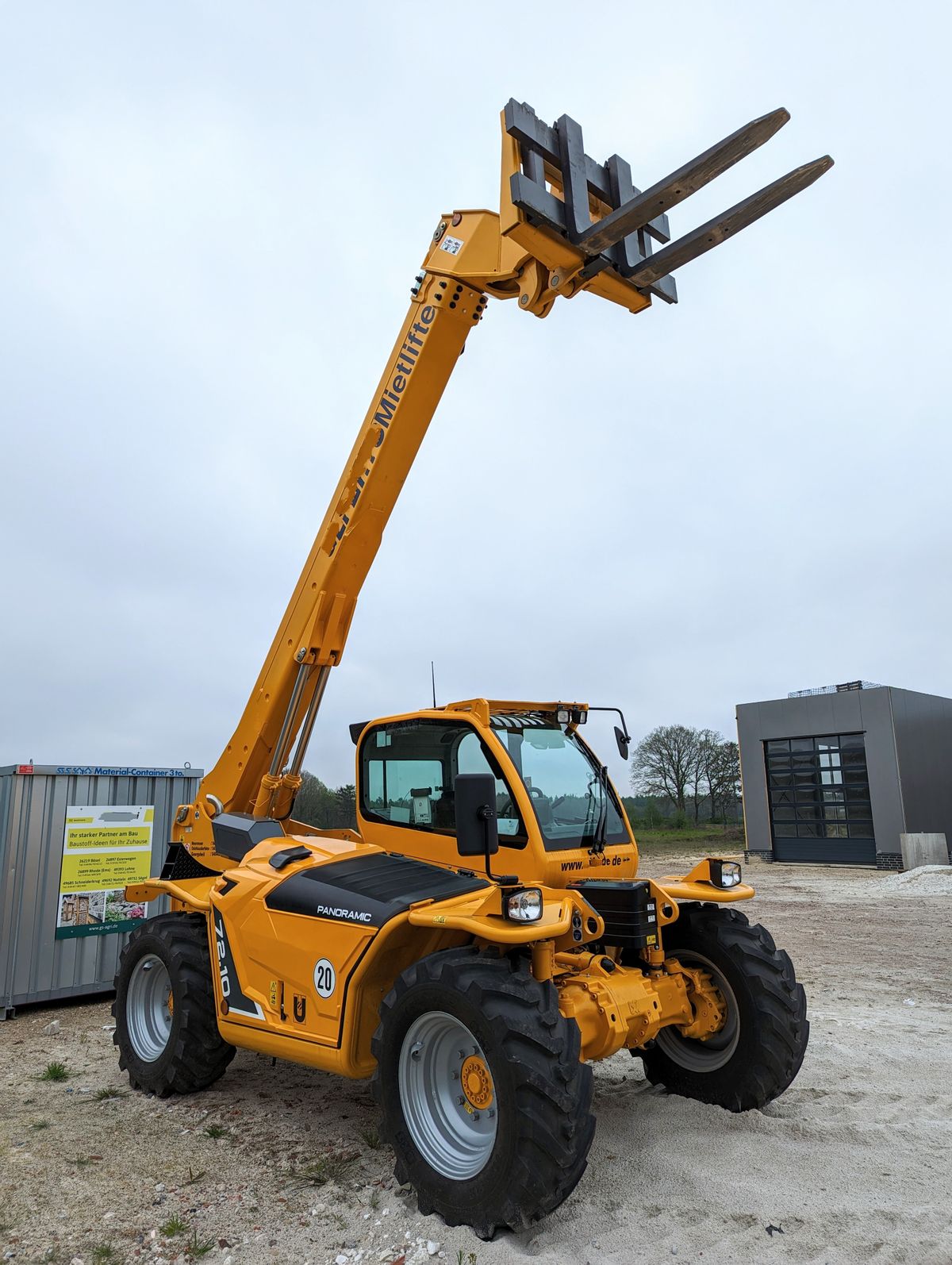
Portable lighting towers and suitable material-handling equipment can support a nighttime lifting project. Depending on the task, forklifts or skid steer loaders may assist with authorized material-handling and site-preparation activities.
Boom lifts and scissor lifts may provide personnel access for tasks within their intended operating limits. They are not substitutes for cranes designed to handle suspended heavy loads.
| Equipment | Potential Application | Main Selection Consideration |
|---|---|---|
| Mobile crane | Structural installation and heavy equipment lifting | Load chart, radius, setup area |
| Rough-terrain crane | Suitable construction and industrial sites | Ground conditions and operating configuration |
| Spider crane | Restricted-access lifting operations | Clearance, stabilizers, ground capacity |
| Telescopic crawler crane | Selected industrial lifting operations | Track loads, route and manufacturer limitations |
| Forklift | Approved material-handling tasks | Load center, route and rated capacity |
| Boom lift | Personnel access at height | Reach, platform limits and work environment |
| Scissor lift | Personnel access to elevated work areas | Working height and supporting surface |
| Portable lighting tower | Illuminating lifting and access areas | Lighting coverage, power and stability |

How Much Lighting Is Needed for a Night Crane Lift?
Can a crane operate safely with standard site lighting?
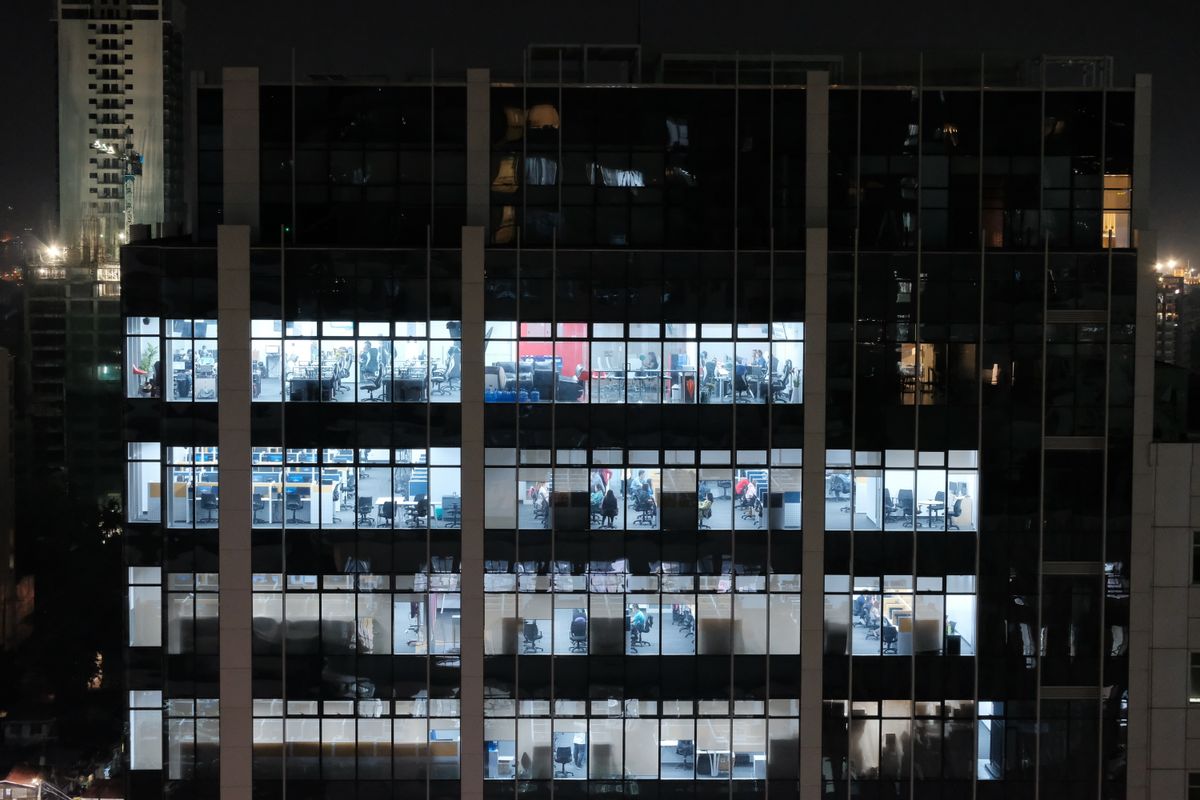
Standard site lighting is sufficient only if it meets the visibility requirements of the specific lifting operation. General area lights may illuminate roads and buildings without adequately lighting the lifting point, rigging connections, load path, and landing area.
A lighting assessment should consider the full movement of the load, including positions that may become obscured by structural elements.
Where should portable lighting towers be positioned?
Lighting towers should be positioned to illuminate critical work zones without obstructing equipment movement or creating excessive glare.
Important areas include:
- Crane setup and access routes.
- Rigging and load attachment points.
- Load travel paths.
- Landing and installation positions.
- Personnel access and exit routes.
- Emergency equipment and assembly routes.
Tower placement must also consider stability, power supply, lifting clearances, and any facility restrictions.
How do I prevent lighting glare from affecting the crane operator?
Direct high-intensity lighting away from the operator's line of sight and evaluate visibility from the actual operating position. Lighting adjustments may be required as the boom rotates or the load moves.
Shadows, reflections from metal surfaces, and illuminated backgrounds can affect depth perception.
What lighting problems should be checked before lifting?
The lighting review should identify dark zones, direct glare, unstable equipment, and potential power interruptions.
| Work Area | Potential Visibility Problem | Recommended Control |
|---|---|---|
| Crane cabin | Glare affecting the operator | Adjust lighting direction and position |
| Load attachment point | Hidden slings or connection points | Provide suitable localized illumination |
| Load travel path | Unseen obstacles or dark zones | Assess illumination throughout movement |
| Landing area | Poor visibility of final positioning | Illuminate the placement zone |
| Pedestrian access | Unexpected personnel entry | Lighting, barriers and controlled access |
| Lighting equipment | Power failure or instability | Inspect power, supports and contingency arrangements |
Required illumination levels must be established from applicable site requirements and the task-specific lighting assessment. A universal lighting value should not be assumed for every project.
How Do I Check Ground Safety Before a Night Crane Lift?
Why must crane ground conditions be inspected before dark?
Daylight inspection can help identify surface defects, concealed drainage features, excavation boundaries, and access hazards that may be harder to detect at night.
The ground assessment should be completed by competent personnel and remain valid for the actual lifting conditions.
Any changes caused by excavation, flooding, ground movement, or additional site loads require reassessment.
Do crane outriggers need supporting mats at night?
Outrigger mats or engineered load-spreading systems may be necessary when required by the setup design and ground assessment.
The correct arrangement depends on the crane's reactions, ground bearing characteristics, and the supporting structure.
Using mats does not automatically make weak ground safe.
Can a mobile crane be positioned near an excavation?
Only if a competent engineering assessment confirms that the setup is acceptable. Excavations and unsupported edges can reduce ground stability and affect the crane's supporting conditions.
The required separation distance cannot be determined reliably without considering excavation geometry, soil characteristics, and crane loading.
How do I verify the crane's operating radius at night?
Measure and verify the horizontal distance between the crane's rotation axis and the load's vertical centerline throughout the lifting sequence.
Check the lift against the manufacturer's load chart at the applicable boom length, radius, configuration, and operating conditions.
Fixed reference points and controlled working boundaries can help the lifting team verify planned positions under nighttime lighting.
| Inspection Item | Required Verification | Associated Risk |
|---|---|---|
| Ground bearing capacity | Suitability for the expected crane loading | Settlement or instability |
| Outrigger setup | Manufacturer-compliant positioning | Loss of stability |
| Load-spreading mats | Engineered size, material and placement | Excessive localized pressure |
| Excavation proximity | Approved positioning and edge stability | Ground failure |
| Operating radius | Actual lifting geometry and load chart | Exceeding rated capacity |
| Overhead clearance | Structures, utilities and power lines | Collision or electrical contact |
| Travel route | Clearance and load-bearing conditions | Obstruction or equipment instability |

What Safety Inspections Are Required Before Night Lifting?
Should crane hydraulic systems be checked before operation?
Yes. Hydraulic components should be inspected according to the manufacturer's instructions and the project's equipment inspection procedures.
The inspection may include hoses, connections, cylinders, visible leakage, and operational abnormalities.
Any defect affecting safe operation must be addressed before the crane is used.
What is an LMI, and why is it important during lifting?
An LMI, or Load Moment Indicator, is a crane monitoring system designed to provide information about lifting conditions and operating limits.
Its functions vary by crane type and model.
The system must be operational and correctly configured where fitted and required. It does not replace the operator's responsibility to follow the approved lift plan and applicable load chart.
How do I inspect lifting slings and shackles at night?
Rigging equipment must be inspected under sufficient lighting so that identification markings, condition, and connection arrangements can be verified.
The inspection should address damage, deformation, wear, suitability, and applicable working load limits.
Rigging geometry also matters because sling angles affect the forces imposed on individual components.
Who should supervise a nighttime crane lift?
A competent lifting team should carry out the operation under the project's approved supervision arrangements.
Depending on the task and site requirements, the team may include a lift supervisor, crane operator, qualified riggers, signal personnel, and safety representatives.
Responsibilities must be clearly assigned before lifting begins.
How Do Crane Operators Communicate Safely at Night?
Can radio communication improve night lifting coordination?
Yes. Suitable two-way radio communication can help coordinate operators, signal personnel, and supervisors when direct visibility is limited.
The team should agree on a communication protocol, identify authorized signal personnel, and test communication devices before work begins.
All personnel must understand how to communicate an emergency stop.
What happens if the crane operator loses sight of the load?
The lift must remain under an approved method of control, using designated signal personnel where direct observation is obstructed.
If required communication or load-control arrangements fail, the operation should stop safely until they are restored.
The crane operator should never rely on assumptions about an unseen load position.
How do I keep unauthorized people away from the lifting area?
Establish a clearly identified exclusion zone with controlled access before lifting begins.
Barriers, warning signs, designated access routes, and adequate lighting help communicate the restricted area.
The exclusion zone should cover hazards associated with the suspended load and lifting equipment, as determined by the site risk assessment.
Can night shift fatigue affect crane lifting safety?
Yes. Fatigue can reduce attention, reaction time, and decision-making performance.
Shift planning should account for working hours, rest, task complexity, and the operator's fitness for duty.
Supervisors should have clear authority to suspend operations when personnel are no longer fit to perform safety-critical work.
When Should a Night Crane Lift Be Stopped?
Should lifting stop if visibility becomes inadequate?
Yes. Lifting must stop when the team cannot maintain the visibility and control required by the approved lifting procedure.
A failure of critical lighting, uncontrolled glare, or loss of visibility along the load path requires corrective action before resuming.
Can strong wind affect crane operations at night?
Yes. Wind can affect suspended loads, boom stability, and load control.
Wind-related operating limits depend on the crane model, configuration, load dimensions, and manufacturer instructions.
Large surface-area loads may require additional assessment even when their weight is within the crane's rated capacity.
What should happen if radio communication fails?
The operation should be stopped safely if the approved communication method is no longer available.
Work can resume only when an adequate communication arrangement has been restored and confirmed.
How should unexpected ground movement be handled?
Unexpected settlement, movement, or loss of support is a critical warning requiring immediate application of the emergency and stop-work procedures.
The area must be reassessed by competent personnel before further lifting is authorized.
| Condition | Potential Hazard | Required Response |
|---|---|---|
| Critical lighting failure | Loss of visibility | Stop safely and restore adequate lighting |
| Communication failure | Loss of coordinated load control | Stop and re-establish approved communication |
| Unexpected ground movement | Crane instability | Apply emergency procedures and reassess |
| Wind beyond applicable limits | Uncontrolled load or equipment forces | Stop according to approved procedures |
| Unauthorized personnel entry | Exposure to lifting hazards | Stop and restore exclusion-zone control |
| Rigging defect | Potential connection or component failure | Remove unsuitable equipment from service |
| Unexpected load movement | Collision or loss of control | Stop and reassess the lifting configuration |
| Unapproved change to lift geometry | Possible load-chart exceedance | Recalculate and obtain required approval |
How Do I Schedule a Night Crane Rental in Saudi Arabia?
Can I rent a crane for a single night?
Night crane rental can be discussed under the available hourly or daily rental arrangements.
The applicable booking period and commercial terms depend on equipment availability, project location, transportation requirements, and the requested work schedule.
Morp provides hourly, daily, weekly, monthly, and project-based equipment rental options.
Does Morp support equipment rental outside Riyadh?
Yes. Morp serves projects in Riyadh and across the regions of Saudi Arabia.
Equipment delivery and operational arrangements are coordinated according to the project requirements and actual availability.
Can I request equipment for industrial shutdown work?
Yes. Industrial shutdown projects can require lifting, elevated access, material handling, and temporary lighting equipment.
Morp's equipment categories can be considered for these requirements, subject to the operating environment, applicable site restrictions, and equipment suitability.
What information should I provide to request a quotation?
Provide the project location, lifting schedule, load details, operating conditions, and equipment requirements.
Useful information includes:
- Project city and site location.
- Requested nighttime operating period.
- Load weight and dimensions.
- Required lifting height and operating radius.
- Ground and access conditions.
- Known overhead obstructions or electrical hazards.
- Required equipment category.
- Portable lighting requirements.
- Required rental duration.
- Site-specific safety and access requirements.
These details support the initial rental discussion. Final equipment selection may require additional engineering information and a site assessment.
How Much Does Night Crane Rental Cost in Saudi Arabia?
Is there a fixed price for renting a crane at night?
No single rental price can be assumed for every nighttime crane operation.
Pricing depends on the required equipment, rental duration, project location, transportation, operational arrangements, and services included in the quotation.
Morp provides pricing through individual quotation requests rather than a universal published rental rate.
What can affect the quotation for nighttime lifting?
The quotation may be influenced by the scope of work and the resources required to execute it.
Important considerations include:
- Selected crane type and configuration.
- Requested rental period.
- Site distance and logistics.
- Operating shift requirements.
- Equipment mobilization and demobilization.
- Operator and support personnel arrangements.
- Lighting tower requirements.
- Rigging equipment and associated services.
- Site-specific inspection and planning responsibilities.
Each item should be confirmed as included, excluded, or separately quoted before accepting a rental offer.
Is hourly rental better than a project-based contract?
Hourly rental may suit a defined short-duration task, while a project contract may be more appropriate for repeated operations or an extended schedule.
The best arrangement depends on the actual work program and contractual terms, not simply on the number of operating hours.
What Should Be Included in a Night Lifting Plan?
Does a nighttime lifting plan need additional safety controls?
Yes. A nighttime lifting plan should address visibility, lighting, communication, human factors, access control, and emergency arrangements in addition to normal lifting requirements.
The scope and approval process must reflect the project's risk assessment and applicable site procedures.
What documents should be reviewed before the crane arrives?
Review the applicable equipment documentation, lifting plan, load information, site assessment, and work authorization requirements.
Documentation requirements vary according to the project, crane category, and applicable regulations.
How can I organize the lifting sequence?
Divide the work into preparation, inspection, controlled lifting, load placement, and closeout stages.
| Stage | Main Activities | Required Outcome |
|---|---|---|
| Initial planning | Confirm load, geometry, equipment and operating conditions | Suitable lifting solution identified |
| Site assessment | Review ground, access, obstacles and utility hazards | Acceptable crane setup and work area |
| Lighting preparation | Position and inspect lighting equipment | Adequate visibility for the planned operation |
| Equipment inspection | Check crane, hydraulic systems, LMI where applicable and rigging | Equipment accepted for use |
| Team briefing | Confirm responsibilities, communication and stop-work conditions | Coordinated lifting team |
| Controlled lifting | Execute the approved lifting sequence | Load moved within authorized limits |
| Load placement | Land, stabilize and release the load safely | Load secured at its intended position |
| Closeout | Secure equipment and remove temporary controls when authorized | Work area formally released |
What Are the Most Common Night Crane Lifting Mistakes?
Is it a mistake to depend only on the crane's built-in lights?
Yes, if those lights do not provide the required visibility throughout the operation. Additional site lighting may be needed for rigging, equipment positioning, load movement, and landing areas.
Is it safe to ignore the weight of rigging accessories?
No. Applicable rigging and lifting accessory weights must be accounted for when determining the load imposed on the crane.
The lifting configuration should be assessed using the relevant manufacturer's load chart and engineering information.
Can the lifting team improvise a different load path?
No unapproved change should be made to the planned lifting path or configuration.
Changes can alter operating radius, clearance, stability, and personnel exposure. They require an appropriate reassessment and authorization.
Can temporary lighting towers be placed anywhere?
No. Lighting equipment must be positioned on suitable ground, away from prohibited areas and outside critical equipment movement paths.
Power, stability, emissions, ventilation, and site-specific electrical requirements must also be considered.
Should night lifting continue when workers are fatigued?
No. Safety-critical work should not continue when fatigue prevents personnel from performing their duties safely.
The supervisor should apply the project's fitness-for-duty and stop-work procedures.
What Are the Frequently Asked Questions About Night Crane Lifting?
1. Can cranes operate at night in Saudi Arabia?
Yes, where nighttime operations are authorized and the project provides suitable lighting, trained personnel, approved procedures, and required safety controls.
2. What crane is suitable for night construction?
The appropriate crane depends on load weight, lifting radius, height, site access, and ground conditions. Mobile, rough-terrain, spider, or suitable crawler cranes may be considered.
3. Do I need a separate lighting plan for nighttime lifting?
Night-specific lighting requirements should be assessed and documented as appropriate to the hazards and site procedures.
4. Can portable lighting towers support crane operations?
Yes. Properly selected and positioned lighting towers can improve visibility across lifting areas, access routes, and load placement zones.
5. Can I rent a crane for industrial shutdown work?
Yes. Crane rental can be arranged for suitable industrial shutdown activities, subject to equipment availability, project requirements, and facility restrictions.
6. Is nighttime crane rental available in Riyadh?
Morp is based in Riyadh and offers crane and heavy equipment rental arrangements for projects in Riyadh and other regions of Saudi Arabia.
7. Does night lifting require a qualified crane operator?
Yes. Crane operations must be performed by suitably qualified and authorized personnel under the applicable project requirements.
8. Can a crane lift near overhead power lines at night?
Only under an approved arrangement that addresses electrical hazards, required clearances, isolation where applicable, and relevant safety requirements.
9. How is nighttime crane rental priced?
Pricing is provided through a quotation based on equipment requirements, rental duration, location, operational arrangements, and the agreed service scope.
10. How can I contact Morp for a crane rental quotation?
Call 0553925756 or contact Morp through WhatsApp using the same number. Provide the project location, load details, required equipment, and planned operating schedule.
What Is the Final Checklist Before a Night Crane Lift?
What should the lifting supervisor confirm before starting?
The lifting supervisor should confirm that the approved plan, equipment, personnel, lighting, communication, and site controls are ready before authorizing work.
- ☐ The load weight and lifting accessories have been assessed.
- ☐ The load center of gravity and lifting points are verified.
- ☐ The crane configuration matches the approved lift plan.
- ☐ The operating radius and load chart have been checked.
- ☐ Ground bearing conditions are suitable.
- ☐ Outrigger or track support arrangements are verified.
- ☐ Overhead obstacles and electrical hazards are controlled.
- ☐ The crane hydraulic system has been inspected.
- ☐ The LMI and other applicable safety systems are functioning.
- ☐ Rigging equipment has been inspected and accepted.
- ☐ Lighting covers the operating and load travel areas.
- ☐ Lighting glare and shadows have been assessed.
- ☐ Crane operators and riggers are suitably qualified.
- ☐ Radio communication and signaling methods are confirmed.
- ☐ Unauthorized access to the lifting zone is prevented.
- ☐ Personnel fitness for duty has been assessed.
- ☐ Weather and wind conditions are acceptable.
- ☐ Applicable work permits have been approved.
- ☐ Emergency response and stop-work procedures are understood.
- ☐ The landing area is prepared and ready.
This checklist supports preliminary verification and does not replace an approved lifting plan, manufacturer instructions, or applicable safety requirements.
Why Contact Morp for Night Crane Rental in Saudi Arabia?
What industrial and construction sectors can use Morp equipment?
Morp provides equipment rental categories relevant to construction, infrastructure, energy, industrial operations, and logistics projects.
Potential applications include:
- Building and infrastructure construction.
- Power stations and electrical facility projects.
- Industrial plants and petrochemical shutdown activities.
- Warehousing and logistics operations.
- Road construction and mining projects.
- Airport and port infrastructure works.
- Industrial maintenance and equipment installation.
- Night construction support and temporary site lighting.
The specific equipment and operating arrangement must be selected according to the project and site assessment.
Does Morp offer flexible equipment rental periods?
Yes. Rental options include hourly, daily, weekly, monthly, and project-based arrangements.
The agreed rental terms and services are established through the quotation process.
How can I discuss a nighttime lifting requirement?
Contact Morp with your project location, required working period, and basic lifting specifications.
The company's official website is Morp – مواكبة الحداثة للمقاولات.
Customers can also call 0553925756 or send their equipment requirements through WhatsApp.
What Is the Best Way to Plan a Safe Night Crane Lift?
What should I do before booking nighttime lifting equipment?
Begin by defining the lifting task, verifying the load information, reviewing the work area, and confirming the nighttime operating requirements.
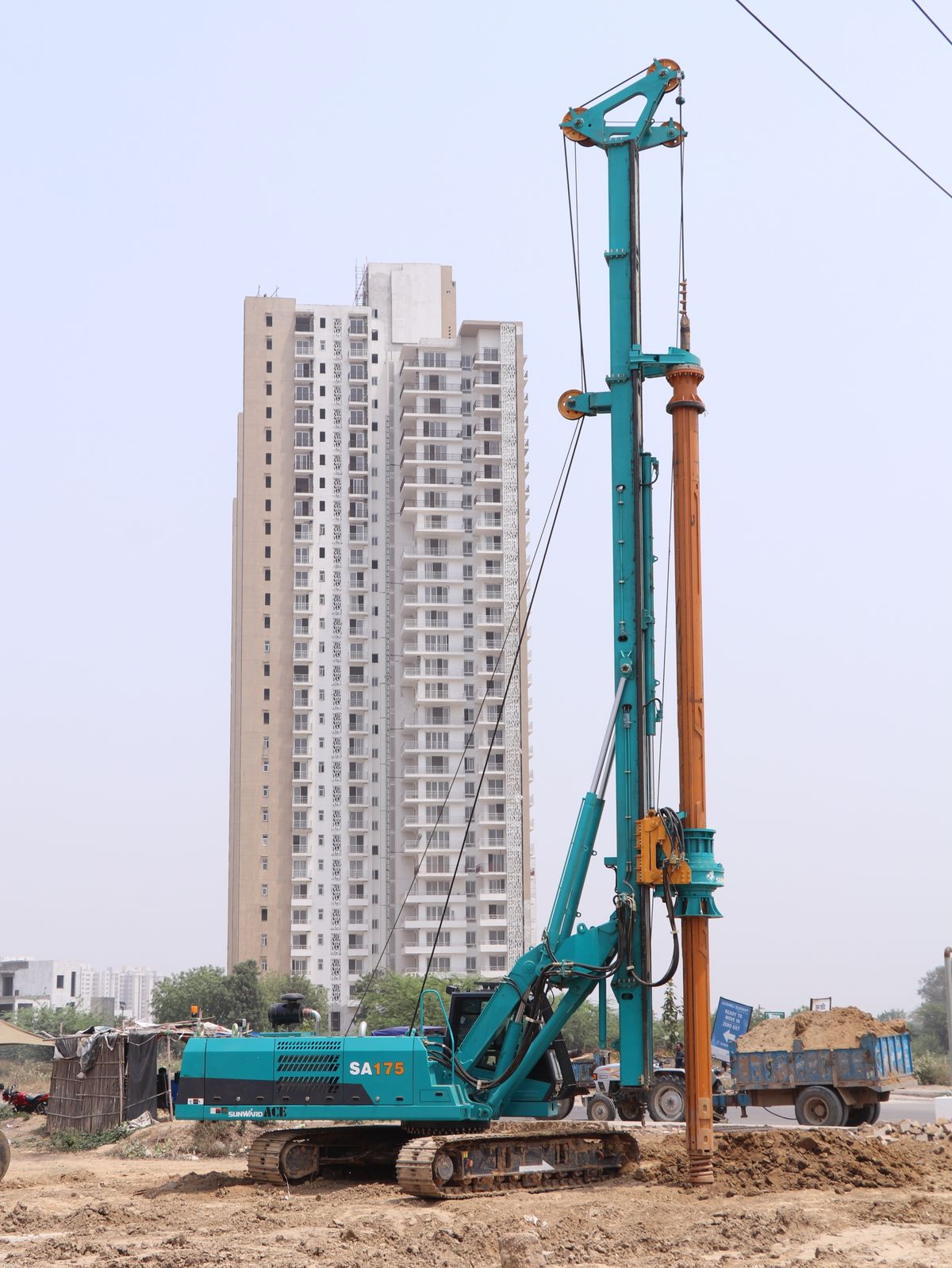
A safe night crane lift requires more than choosing a crane with sufficient rated capacity. The operation must also address ground support, lighting, load movement, rigging, communication, weather, supervision, and emergency arrangements.
For projects in Riyadh and across Saudi Arabia, مواكبة الحداثة للمقاولات (Morp) provides crane and heavy equipment rental options, including mobile cranes, rough-terrain cranes, spider cranes, telescopic crawler cranes, material-handling equipment, and portable lighting towers.
With flexible rental periods and 24/7 support, the company can be contacted to discuss equipment requirements for scheduled nighttime industrial and construction activities.
Request a quotation before mobilization and ensure the final equipment selection follows the specific crane model, approved lifting plan, and site assessment.