



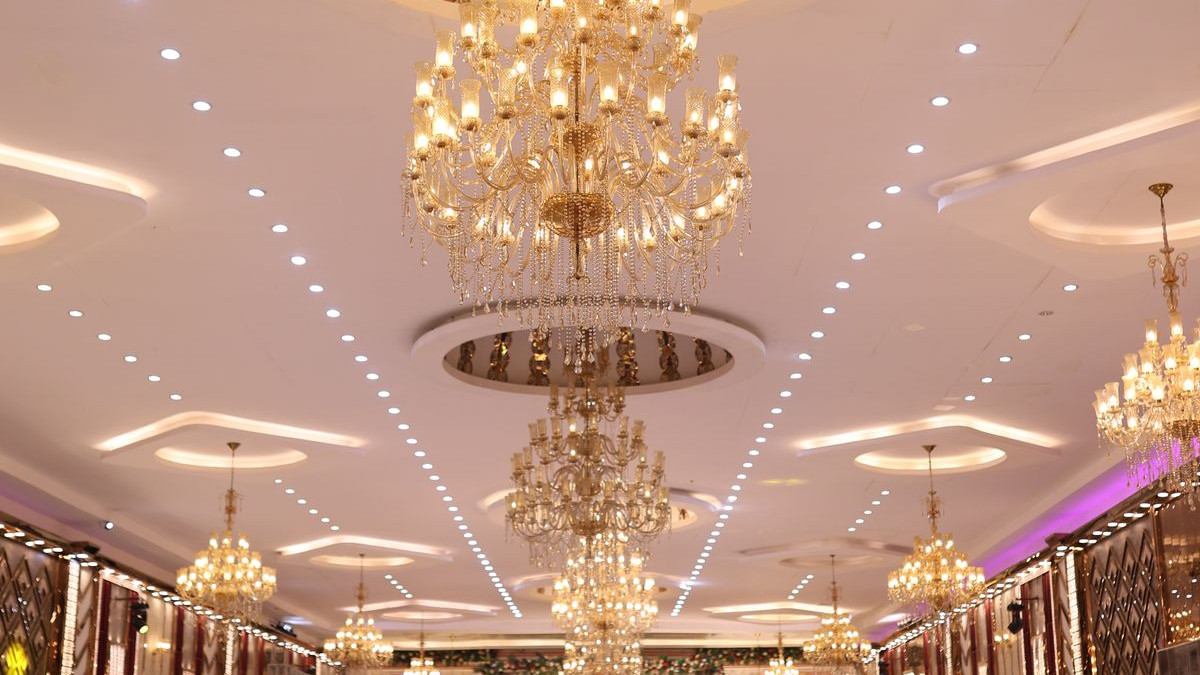
To film an event without blocking guests, plan camera positions before the audience arrives, keep equipment outside primary sightlines, preserve walkways and emergency exits, and coordinate filming movements with the event organizer. Use suitable lenses to capture the stage from approved positions, and schedule mobile shots between important program moments whenever possible.
Professional event videography must achieve two objectives simultaneously: capture high-quality footage and protect the experience of everyone attending.
At corporate conferences, government events, award ceremonies, product launches, and executive gatherings in Saudi Arabia, even a small camera crew can create distractions if equipment is placed incorrectly or filming movements are poorly coordinated.
A camera positioned directly in front of a guest may capture an excellent shot while preventing that guest from seeing the stage. Repeatedly crossing aisles can also interrupt presentations, distract speakers, and create unnecessary safety risks.
This guide from Event Live, a Saudi event production and coverage company, explains how to plan discreet event videography while maintaining professional image quality, operational efficiency, and respect for attendees.
 Call Now
 WhatsApp
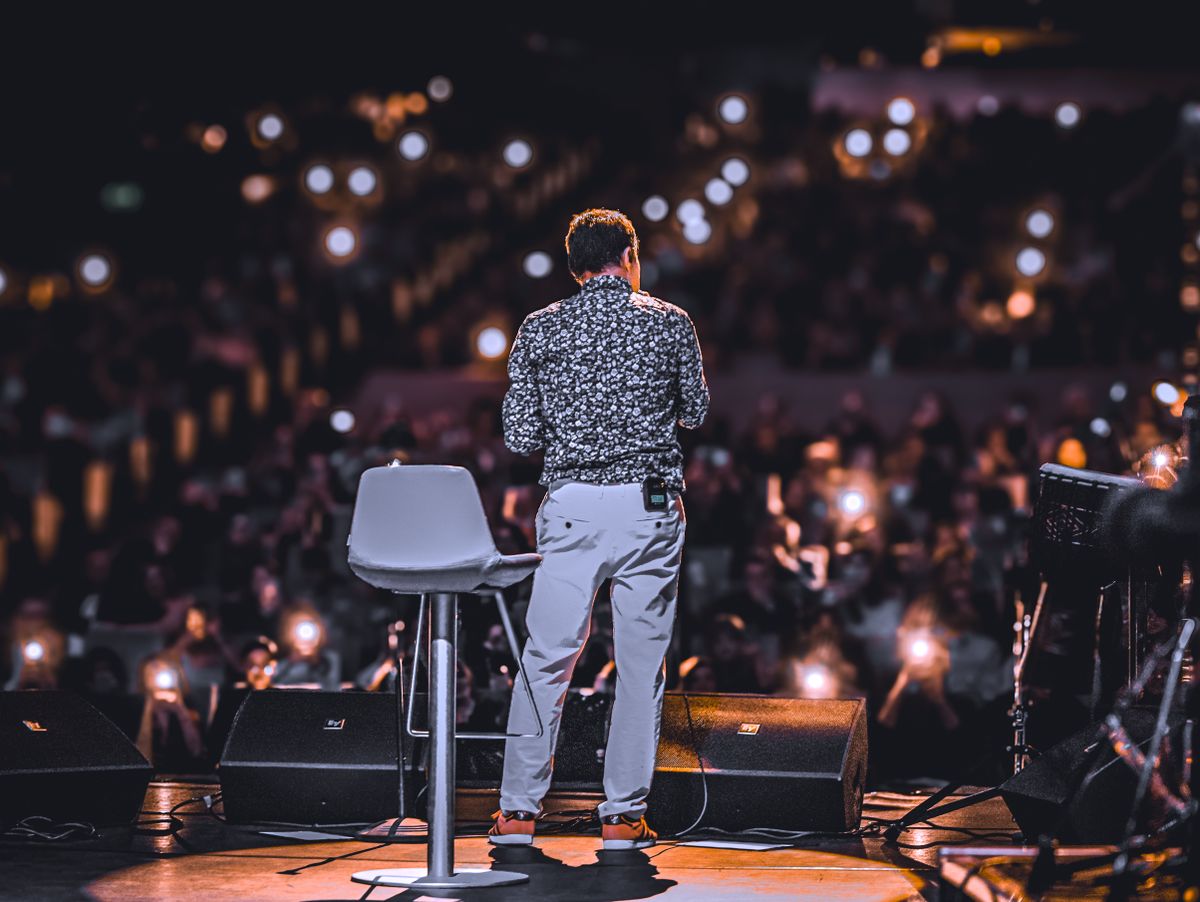
How Do I Film an Event Without Blocking the Audience?
Where should I position cameras during an event?
Position cameras where they provide useful views while minimizing interference with audience sightlines and movement.
Suitable locations may include designated rear production areas, approved side positions, or purpose-built camera platforms, depending on the venue layout.
Always confirm the placement with venue management and the event organizer before installing equipment.
Should cameras be placed directly in front of the first row?
Not automatically. A camera placed in front of seated guests may obstruct their view, particularly when using a tall tripod or when its operator stands throughout the program.
Evaluate the stage height, audience seating configuration, camera dimensions, and intended framing before approving such a position.
How do I maintain an unobstructed view for attendees?
Check the camera setup from actual audience seating positions rather than relying only on a floor plan.
Inspect views from the front rows, central seating, side sections, and accessible seating areas to identify potential obstructions.
Can I film from the back of the venue?
Yes, when the distance and venue layout permit useful framing.
A rear camera position may reduce audience interference, although it can require a suitable telephoto lens, stable support, and careful control of camera movement.
What Is the Best Filming Position at a Corporate Event?
What is the best filming position?
The best filming position provides a clear, stable view of the important action without obstructing guests, event personnel, or safety routes.
There is no universal position for every venue. The appropriate location depends on stage design, room dimensions, seating, lighting, and production requirements.
Should I film from the center or side of the room?
A central position can provide balanced stage composition, while a side position may offer more discreet filming and easier access.
The choice should reflect the desired shot, distance, audience sightlines, and approved production areas.
How high should the camera be during a conference?
Set the camera at a height that achieves the required framing without creating unnecessary visual obstruction or stability risks.
Elevated camera platforms may be appropriate in some venues, but they must be structurally suitable and approved for the intended equipment and personnel.
Should the camera operator stand throughout the program?
Not necessarily. Where practical, an operator may work from a designated platform, seated operating position, or suitable rear production area.
The operating posture should provide safe camera control while preserving the audience's view.
| Camera Position | Potential Advantage | Possible Limitation | Recommended Check |
|---|---|---|---|
| Rear central production area | Balanced stage coverage | Longer shooting distance | Lens suitability and clear sightlines |
| Approved side aisle position | Discreet access to stage views | Potential interference with circulation | Maintain required aisle clearance |
| Dedicated camera platform | Elevated, stable perspective | Requires structural and venue approval | Load capacity and safe access |
| Designated stage-side position | Closer visual details | May distract speakers | Stage management coordination |
| Mobile camera position | Flexible framing and details | Movement can distract guests | Approved routes and movement timing |
How Do I Plan Camera Locations Before the Event Starts?
Should I visit the venue before filming?
A venue inspection is strongly recommended when practical, especially for complex conferences, formal ceremonies, and events with restricted access.
It allows the production team to evaluate lighting, stage visibility, electrical access, camera routes, audience circulation, and technical restrictions.
What should I check during a venue inspection?
Review the stage dimensions, seating arrangement, entrance locations, emergency routes, accessibility provisions, available power, and areas designated for production equipment.
Also identify decorative structures, display screens, pillars, and other elements that could obstruct camera views.
How do I use the event floor plan?
Mark proposed camera positions, permitted movement routes, cable paths, and locations where the crew must not operate.
Validate the floor plan against the actual venue because temporary staging and seating arrangements may change the usable space.
Should camera positions be approved by the organizer?
Yes. The event organizer and venue management should approve relevant filming positions, particularly where equipment affects audience seating, circulation, stage operations, or controlled-access areas.

How Do I Choose Camera Equipment for Discreet Event Filming?
Do I need a smaller camera to avoid disturbing guests?
Smaller equipment can be advantageous in restricted spaces, but camera size is only one consideration.
Lens selection, operator positioning, tripod configuration, noise levels, and equipment handling can all affect how intrusive the production feels.
Are cinema cameras suitable for unobtrusive event coverage?
Yes. Professional cinema cameras can support discreet coverage when configured and positioned appropriately.
For example, a compact professional camera setup using equipment such as a Sony FX6 may be suitable for certain event production requirements, subject to the actual configuration.
Should I use a tripod or handheld camera?
A tripod is useful for stable coverage from an approved location, while handheld filming offers greater mobility for selected shots.
Neither method is automatically better. Choose according to the scene, available space, safety considerations, and the intended visual style.
Can a zoom lens help me avoid walking near guests?
Yes. An appropriate zoom lens can allow reframing from a fixed camera position, reducing unnecessary movement.
However, the required focal length depends on sensor format, camera distance, lighting, and the desired composition.
How Do I Film Without Walking in Front of Attendees?
How do I plan movement routes for videographers?
Establish approved routes around the perimeter of the venue and between designated filming positions.
These routes must preserve required circulation space, accessibility, and emergency access.
When should camera operators change positions?
Where possible, schedule nonessential movement during transitions between program segments rather than during important speeches or presentations.
Coordinate movement with the floor manager or production coordinator.
Should camera operators cross the central audience aisle?
Only when permitted and necessary, and without obstructing circulation or disrupting the program.
Alternative routes may be preferable, particularly during formal presentations or when attendees are actively using the aisle.
How do I reduce noise while moving equipment?
Prepare equipment before entering the event area, secure loose accessories, and avoid unnecessary adjustments near active microphones.
Use quiet operating procedures and suitable equipment support when changing positions.
| Program Moment | Recommended Camera Movement | Reason |
|---|---|---|
| Guest arrival | Controlled movement in approved areas | Capture event preparation without blocking entry |
| Opening speech | Minimize nonessential movement | Protect audience attention |
| Panel discussion | Use established camera positions | Maintain consistent coverage |
| Break between sessions | Relocate equipment if approved | Reduce disruption during formal content |
| Awards presentation | Follow predefined positions and cues | Capture important moments safely |
| Event conclusion | Move according to venue and crowd conditions | Avoid interfering with guest departure |
How Do I Film a Conference Without Distracting Speakers?
Can camera movement distract a speaker?
Yes. Unexpected movement, bright equipment lights, visible operator activity, and repeated repositioning may distract speakers during formal presentations.
Prepare camera framing and operating procedures before the session whenever possible.
Should I stand near the podium to capture close-up footage?
Only when the organizer and stage manager have approved that location and it does not interfere with the presentation.
A longer lens from a more distant position may provide a suitable alternative.
How do I film a keynote speaker discreetly?
Select a stable view, confirm focus and exposure, and anticipate movement across the stage without requiring unnecessary operator repositioning.
Avoid sudden camera movements that attract attention without improving the visual coverage.
Should I use an on-camera light during a speech?
Use additional lighting only when permitted and necessary. Bright lights directed toward speakers can be distracting and may conflict with stage lighting design.
Coordinate lighting decisions with the event's technical team.
How Do I Film Guests Respectfully at Saudi Events?
Can I record every attendee at a corporate event?
Not automatically. Filming and using identifiable footage may involve privacy, consent, contractual, and venue-specific requirements.
Confirm the applicable permissions and restrictions with the organizer, and follow relevant Saudi regulations and approved event policies.
How should I film VIP guests?
Use approved camera positions and coordinate access with the event's protocol, security, and production personnel.
Avoid unexpected close filming, restricted areas, or movement that interferes with the guest's schedule.
What if a guest does not want to appear in the video?
Follow the event's established privacy and filming procedures. Where applicable, communicate the concern to the production coordinator and adjust filming or subsequent footage use accordingly.
The appropriate response depends on the applicable legal basis, contractual terms, and context of recording.
How can I film an event while respecting cultural expectations?
Understand the event's protocol, audience composition, privacy expectations, and any filming restrictions communicated by the organizer.
Professional coverage should respect guests and the event's intended atmosphere rather than treating every attendee as an unrestricted filming subject.
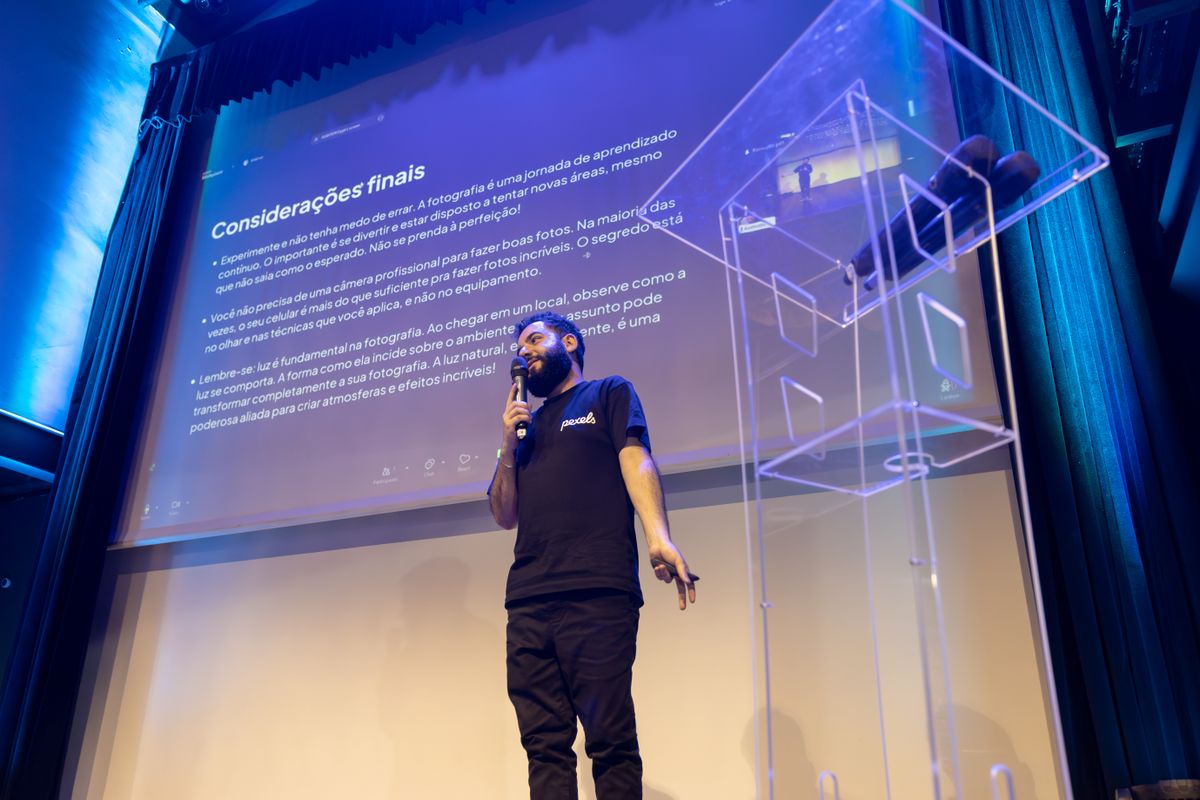
How Do I Prevent Tripods and Cables From Becoming Safety Hazards?
Can camera tripods create a risk for attendees?
Yes. Tripod legs may create trip hazards or obstruct circulation when equipment is installed in unsuitable locations.
Keep tripods within designated production areas and use stable supports appropriate for the equipment and operating conditions.
How should video cables be routed through a venue?
Use approved cable paths and appropriate protection methods, keeping cables away from circulation routes wherever possible.
Never compromise required emergency egress or accessibility clearance.
Should I cover cables that cross a walking route?
Any unavoidable crossing must be assessed and approved according to venue safety requirements.
Suitable cable protection may be required, but simply covering a cable does not automatically make a route safe or compliant.
Can wireless equipment eliminate cable hazards?
Wireless video transmission may reduce some cabling requirements, but it introduces other considerations such as radio interference, signal reliability, power, and operational compatibility.
Choose wireless or wired systems according to production needs and the venue's technical conditions.
| Production Hazard | Potential Consequence | Preventive Measure |
|---|---|---|
| Tripod in a guest walkway | Trip or collision | Move equipment to an approved production zone |
| Loose video or power cables | Trip hazard or equipment disconnection | Use approved routing and suitable cable protection |
| Equipment blocking an exit | Restricted emergency evacuation | Keep required exits and routes completely clear |
| Unsecured camera platform | Instability or falling equipment | Use properly rated, approved structures |
| Unexpected operator movement | Collision or audience disruption | Define and communicate movement routes |
| Uncontrolled equipment storage | Obstructed access and workplace hazards | Provide a designated equipment holding area |
How Do I Film an Awards Ceremony Without Interrupting the Program?
Where should I place a camera during award presentations?
Select positions that provide clear coverage of the stage and award handover while maintaining safe access for participants and respecting audience sightlines.
Coordinate these positions with the stage manager before the ceremony.
Should I move closer whenever someone receives an award?
Not necessarily. Repeatedly approaching the stage may interfere with participants or become visible in other official photography and video coverage.
Use planned framing and suitable lenses whenever possible.
How do I capture important moments without rushing?
Obtain the ceremony sequence in advance, identify critical moments, and coordinate cues with the organizer.
Prepare the camera position and framing before each important segment begins.
Can camera operators stand on the stage?
Only when explicitly authorized and when the stage design, technical setup, safety requirements, and event protocol permit it.
Stage access should never be assumed.
How Do I Record Product Launches Without Disrupting the Audience?
How should I position cameras during a product reveal?
Identify the direction of the reveal, the location of the product, and the audience's primary viewing angle.
Place cameras so the important action remains visible without obstructing the audience or interfering with the presentation.
Should I use moving cameras during the reveal?
Movement can create dynamic footage, but it should be rehearsed and coordinated with stage management.
Do not introduce sudden camera movement into restricted or crowded areas at the moment of the reveal.
How do I coordinate with lighting and stage effects?
Review the stage cues and lighting sequence in advance, and test equipment settings when possible.
Camera positions must remain outside hazardous effect zones and comply with all relevant venue safety restrictions.
How Do I Film in a Small Event Venue?
Can professional event filming work in a small conference room?
Yes. Compact camera configurations, carefully selected lenses, and approved fixed positions may allow effective coverage without unnecessary disruption.
The size of the venue should influence the production plan rather than forcing equipment into unsuitable locations.
Should I use a wide-angle lens in a small room?
A wide-angle lens may help capture a broad scene when space is limited, but it can introduce perspective distortion and may include unwanted equipment or background elements.
Choose the lens according to the actual composition and camera position.
How do I avoid blocking the main entrance?
Keep equipment and operators away from required entrance and exit clearances, and avoid using guest entry areas as temporary equipment storage.
Confirm any exceptions or alternative arrangements with venue management.
Can I use compact camera support instead of a large tripod?
Sometimes. Smaller supports may be practical where they provide adequate stability and meet the equipment manufacturer's requirements.
Never compromise stability merely to reduce the equipment footprint.
How Do I Film an Event When the Venue Has Strict Camera Restrictions?
What should I do if cameras are not allowed near the stage?
Identify the authorized filming areas and adapt lens selection, framing, and production requirements to those positions.
Do not bypass venue restrictions without formal approval.
Can I film from a balcony or elevated section?
Potentially, when the venue permits it and the location provides safe access, stable equipment support, and suitable framing.
Elevated positions may require additional safety checks, especially where equipment could fall or interfere with guest areas below.
What if the venue does not permit camera movement during sessions?
Prepare fixed camera positions and obtain adequate footage before and after the restricted segments where permitted.
Make sure the final production requirements can still be met using the authorized locations.
Should filming restrictions be included in the production brief?
Yes. The brief should identify approved areas, restricted zones, movement limitations, technical rules, and any protocol-related requirements.
These conditions affect equipment selection, staffing, coverage expectations, and operational planning.
How Do I Make Event Filming Look Good Without Moving Constantly?
How do I make filming look good?
Use deliberate composition, stable framing, controlled exposure, suitable lenses, consistent color, and well-timed changes in visual perspective.
Professional quality does not require continuous camera movement. A carefully composed stationary shot may be more effective than unnecessary motion.
Can fixed camera positions produce cinematic footage?
Yes. Lighting, composition, depth, lens selection, and editing decisions all contribute to the final visual style.
A well-planned fixed position can produce elegant coverage while keeping the production unobtrusive.
How do I capture details without entering guest seating areas?
Use approved side positions, suitable focal lengths, and planned opportunities before or between formal program segments.
Some detail shots can be recorded before the audience enters, reducing the need for intrusive filming later.
Should I film decorative elements before the event?
When permitted, recording the stage, venue branding, displays, and room details before guest arrival can create useful supporting footage.
This approach also allows more deliberate framing without disrupting live audience activity.
How Do I Coordinate Videographers With Event Security and Organizers?
Who should approve camera movement inside the venue?
Follow the event's defined approval process, which may involve the organizer, floor manager, venue management, or security personnel.
For controlled-access events, additional authorization may be required.
Should camera operators receive an event briefing?
Yes. A briefing should cover the program, approved filming positions, restricted areas, communication arrangements, safety requirements, and movement procedures.
What should happen if the event schedule changes?
The production coordinator should communicate relevant changes and update filming priorities without encouraging unsafe or disruptive repositioning.
How should the production crew identify itself?
Follow event accreditation and identification requirements.
Professional appearance, visible credentials where required, and clear coordination can help reduce confusion when operators move through approved areas.
| Coordination Area | Responsible Parties | What Must Be Confirmed? |
|---|---|---|
| Camera locations | Production and venue management | Approved positions and physical limitations |
| Audience circulation | Organizer and venue operations | Clear walkways and accessible routes |
| Stage access | Stage manager and event security | Authorized operating areas and timing |
| Guest privacy | Organizer and production coordinator | Applicable permissions and filming restrictions |
| Equipment safety | Production and relevant venue personnel | Stable supports and safe cable routing |
| Schedule changes | Event director and production coordinator | Updated filming priorities and movement cues |
| VIP protocols | Protocol team and security | Access restrictions and approved coverage |
What Are the Most Common Mistakes in Discreet Event Filming?
Is placing a tripod in the middle of an aisle a mistake?
Yes, when it obstructs circulation, accessibility, or required egress routes.
Equipment must be placed in approved locations that do not create unacceptable hazards.
Can moving too often reduce production quality?
Yes. Frequent repositioning may interrupt recording, distract the audience, and prevent operators from capturing important moments.
Plan movements around program needs rather than changing positions without a clear purpose.
Is filming too close to VIP guests unprofessional?
It can be, particularly when access is restricted or filming interferes with the guest's activities.
Coordinate coverage with the organizer and respect applicable protocols and privacy requirements.
Can poor cable management damage the guest experience?
Yes. Loose cables may create hazards, restrict movement, and make the production setup appear disorganized.
Use approved cable management procedures and keep guest routes clear.
Is choosing camera positions without visiting the venue risky?
It may lead to blocked views, unsuitable shooting distances, or conflicts with stage and seating arrangements.
Where an advance visit is not possible, obtain accurate venue information and validate positions before the event starts.
Should I prioritize getting the shot over guest safety?
No. Guest safety and venue requirements take precedence over obtaining an individual shot.
If a filming position or movement cannot be performed safely, the production plan should be adjusted.
How Do I Create a Discreet Event Filming Plan?
What should a professional filming plan include?
A practical plan should connect the desired visual coverage with venue access, audience experience, crew movement, equipment safety, and event scheduling.
The plan should be understandable to camera operators, event coordinators, and relevant venue personnel.
What should I confirm before guests arrive?
Verify the camera positions, sightlines, safe access routes, power arrangements, equipment stability, approved filming areas, and communication methods.
Run a short recording test to confirm that the intended positions actually produce usable footage.
How do I decide when mobile filming is necessary?
Use mobile filming when it adds meaningful coverage that cannot be obtained from the established positions and when the movement can be completed safely and without unacceptable disruption.
What Checklist Should I Follow Before Filming an Event?
How do I make sure filming will not disturb attendees?
Complete this checklist before the event begins and review any changes with the organizer.
- ☐ Review the event program and filming objectives.
- ☐ Obtain the current venue floor plan.
- ☐ Confirm approved camera positions.
- ☐ Check audience sightlines from different seating areas.
- ☐ Keep emergency exits and required access routes clear.
- ☐ Check accessibility requirements and designated seating.
- ☐ Select lenses appropriate for permitted filming distances.
- ☐ Ensure camera supports are stable and correctly installed.
- ☐ Establish safe power and cable routes.
- ☐ Identify approved movement paths for operators.
- ☐ Coordinate stage access with the relevant personnel.
- ☐ Review guest privacy and filming restrictions.
- ☐ Confirm VIP and security protocols where relevant.
- ☐ Plan movement around session transitions.
- ☐ Assign responsibilities to the production crew.
- ☐ Complete camera framing and equipment tests.
- ☐ Record permitted venue detail shots before guest arrival.
- ☐ Brief operators on schedule changes and safety procedures.
- ☐ Prepare alternative filming positions if a location becomes unavailable.
- ☐ Recheck all walkways and equipment before the event opens.
How Can Event Live Help Plan Discreet Event Coverage?
Can a production team plan filming around audience movement?
Yes. An effective production brief can identify required footage, available camera positions, venue restrictions, and approved operator movements.
These elements should be evaluated together rather than treating filming as separate from event operations.
What should I provide when requesting event filming?
Provide the event date, city, venue, agenda, approximate audience configuration, filming objectives, and intended video deliverables.
Include any known filming restrictions, VIP protocols, and specific concerns about audience sightlines or guest movement.
Can Event Live discuss a filming approach for my conference?
You can contact Event Live to discuss your event coverage requirements and the production arrangements appropriate to your venue.
The final filming plan should reflect the venue's actual conditions and the agreed scope of work.
What Are the Most Frequently Asked Questions About Filming Events Without Blocking Guests?
1. How do I film an event without blocking guests?
Use approved camera positions outside primary sightlines, keep required walkways and exits clear, and coordinate equipment movement with the organizer before and during the event.
2. What is the best filming position at a conference?
The best position provides a stable view of the stage without interfering with attendees or venue operations. Rear, side, or dedicated camera positions may be suitable depending on the venue.
3. How do I film professionally without moving around constantly?
Use carefully composed fixed positions, suitable lenses, stable camera support, and planned filming opportunities rather than unnecessary movement.
4. Can I use a tripod in an audience aisle?
Only where the venue explicitly permits the arrangement and all relevant circulation, accessibility, and safety requirements are satisfied. Required egress paths must remain clear.
5. How can I film VIP events discreetly?
Coordinate approved camera positions with protocol and security teams, respect restricted areas, and avoid filming activity that interferes with guests.
6. Should camera operators move during keynote speeches?
Nonessential movement should generally be minimized. Necessary changes should follow the agreed production and venue procedures.
7. How do I make filming look good without distracting the audience?
Focus on composition, lens selection, controlled lighting, stable shots, and coordinated camera operation rather than constant movement.
8. Can I use a telephoto lens to film from the back of the room?
Yes, when the camera distance, lens characteristics, lighting, and intended framing make that approach practical.
9. How do I keep filming equipment safe during an event?
Use suitable supports, approved equipment positions, safe cable routing, and appropriate coordination with venue management.
10. What information does an event production company need before filming?
The venue, date, event program, audience arrangement, required footage, deliverables, access restrictions, and relevant safety or protocol requirements.
How Do I Improve the Guest Experience While Maintaining Professional Video Quality?
Does discreet filming mean sacrificing important footage?
No. With proper preparation, approved camera positions, suitable lenses, and coordinated operating procedures, a production team can capture meaningful footage while minimizing interference.
Some venues impose limitations, so filming objectives should be realistic and aligned with the available access.
Should audience comfort influence camera placement decisions?
Yes. Audience visibility, circulation, accessibility, privacy, and safety should influence the filming plan alongside visual composition and technical requirements.
How can event organizers evaluate the filming plan?
Review the proposed camera positions on the venue plan, inspect sightlines on site, confirm operator movements, and ensure equipment arrangements comply with venue requirements.
Clear approval and coordination before the event can reduce disruptions during the program.
Conclusion: How Do I Film an Event Without Blocking Guests?
To film an event without blocking guests, begin with the venue layout and audience experience. Select camera positions that offer useful stage coverage while keeping sightlines, access routes, and emergency exits clear. Use suitable equipment, coordinate filming movements, and confirm the required permissions before the event.
Discreet filming is not simply about hiding cameras. It is about integrating professional video production into the event so naturally that the audience can focus on the speakers, performances, and activities without unnecessary interruption.
For conferences, executive gatherings, corporate ceremonies, and product launches in Riyadh and across Saudi Arabia, a well-planned filming approach helps protect both the visual quality of the final production and the experience of attendees.
To discuss professional event coverage and production requirements, contact Event Live | إيفنت لايف and share your venue information, schedule, and filming objectives.