


To rent lighting towers for a worksite, identify the areas requiring illumination, estimate the working hours, assess available power sources, and review ground conditions and access restrictions. Choose equipment based on the required lighting coverage, project environment, and safety requirements. Request a rental quotation that clearly covers equipment, delivery, duration, operating responsibilities, and any additional services.
Construction projects in Riyadh and across Saudi Arabia sometimes require temporary lighting for outdoor work areas, infrastructure projects, road maintenance, industrial operations, and locations without sufficient permanent illumination.
However, selecting a mobile lighting tower involves more than finding a powerful light. Poor equipment placement can produce deep shadows, excessive glare, unstable ground conditions, and unnecessary operating costs.
This guide from MORP | مواكبة الحداثة للمقاولات explains how contractors can plan temporary worksite illumination, evaluate mobile lighting towers, understand operating requirements, and arrange equipment rental for projects in Saudi Arabia.
 Call Now
 WhatsApp
Why Do Construction Sites Need Mobile Lighting Towers?
What is a mobile lighting tower?
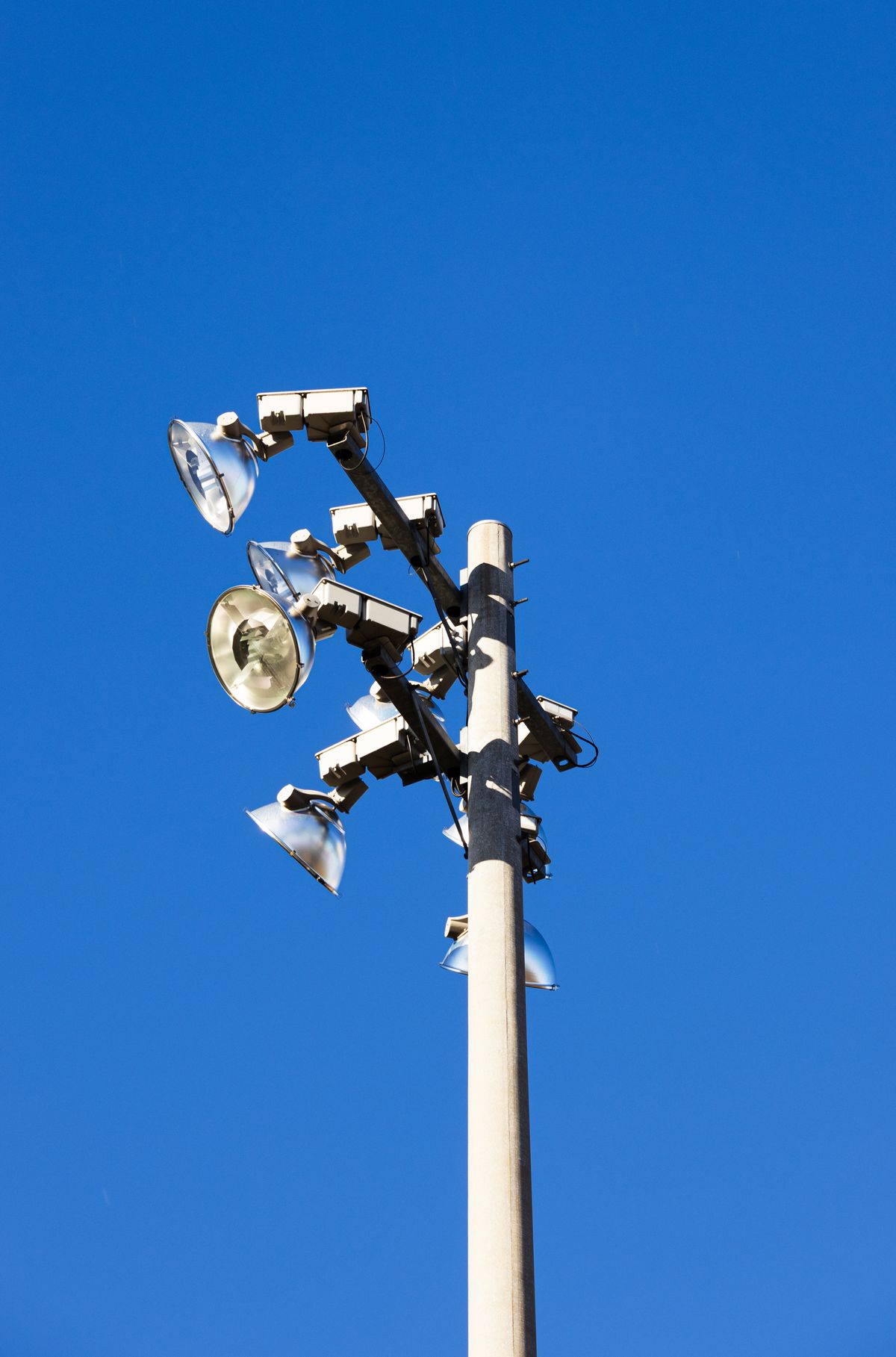
A mobile lighting tower is a temporary lighting system generally consisting of a movable base, a mast, and mounted floodlights, with a power arrangement suitable for the equipment design.
Different models may use integrated generators, external power connections, batteries, or hybrid configurations. The available features must be verified for the specific rental unit.
When should I rent temporary construction lighting?
Temporary lighting may be needed when tasks are scheduled during low-light conditions or when existing site lighting does not adequately illuminate working surfaces, access routes, or operating areas.
It can also support temporary activities where installing permanent lighting would be impractical.
Can lighting towers be used for infrastructure projects?
Yes. Suitable mobile lighting systems may be used for roadworks, utility construction, industrial sites, and other infrastructure activities.
The arrangement must be planned for the site's actual conditions, including the movement of vehicles, equipment, and personnel.
Are mobile lighting towers suitable for remote worksites?
They may be suitable for locations without a permanent electricity supply, depending on the selected equipment's power source and operating requirements.
Fuel supply, maintenance access, environmental exposure, and equipment security should be considered before deployment.
How Do I Know If My Worksite Needs Lighting Towers?
How can I tell whether existing lighting is sufficient?
Evaluate visibility at the actual task locations, access paths, vehicle movement areas, and other locations where poor illumination could create hazards.
Lighting adequacy should be assessed using the applicable occupational safety requirements and suitable measurements rather than visual impressions alone.
Does every outdoor construction site need a lighting tower?
No. The requirement depends on working hours, existing illumination, specific activities, environmental conditions, and the results of the site risk assessment.
Some projects may rely on suitable permanent lighting, while others require additional temporary systems.
Should I use temporary lighting for equipment inspections?
Additional lighting may be needed when maintenance or inspection activities require workers to identify components, labels, defects, and access hazards.
The lighting plan should address the visibility required for the task, including areas where shadows could conceal important details.
Can lighting towers support emergency work?
Yes, suitable equipment can provide temporary illumination for certain urgent site activities.
However, actual availability, delivery arrangements, and operating readiness must be confirmed with the rental provider. Mobile lighting towers should not automatically be treated as certified emergency lighting systems.
| Worksite Activity | Possible Lighting Need | Important Assessment |
|---|---|---|
| Road maintenance | Illumination of designated work zones | Traffic glare and vehicle movement |
| Infrastructure construction | Lighting for equipment and working surfaces | Work area dimensions and shadows |
| Industrial maintenance | Task-specific visibility | Electrical and site safety restrictions |
| Remote construction | Temporary lighting without permanent infrastructure | Power source and service access |
| Equipment inspection | Clear illumination of components | Shadow control and task requirements |
| Temporary access routes | Safe movement through designated areas | Visibility, obstacles, and glare |
How Do I Choose the Right Lighting Tower for My Project?
Should I choose a lighting tower based on brightness alone?
No. Brightness is only one factor. The choice should consider light distribution, mounting height, power requirements, site conditions, operating duration, and safety.
An extremely bright source may still create poor working conditions if it is positioned incorrectly or produces excessive glare.
What equipment specifications should I request?
Request the actual unit's lighting performance information, lamp arrangement, mast design, power requirements, environmental limitations, dimensions, and operating instructions.
Do not assume that all portable lighting towers have the same illumination output, mast height, or fuel consumption.
Should the lighting tower have adjustable floodlights?
Adjustable floodlights may help direct illumination toward the required work areas and reduce light falling onto irrelevant surfaces.
The available adjustments and operating limitations depend on the specific model.
Does the lighting tower's mast height matter?
Yes. Mast height influences light distribution, shadow patterns, exposure to wind, and the equipment's surrounding clearance requirements.
The selected height must remain compatible with the manufacturer's limitations and the site's risk assessment.
Should I request a lighting plan before renting?
A lighting plan is useful for complex projects because it identifies the areas to illuminate and helps evaluate whether the proposed arrangement can achieve appropriate visibility.
The plan may require qualified lighting or site safety personnel, depending on the nature of the work.
How Many Lighting Towers Does a Construction Site Need?
Can one lighting tower cover an entire worksite?
It depends on the site's dimensions, obstacles, required illumination, and the lighting characteristics of the equipment.
A single tower may serve a limited area, but it should not be assumed sufficient for every worksite.
How do I estimate the number of lighting towers?
Begin by mapping the work areas and identifying illumination requirements at each location.
Then evaluate the proposed equipment's actual light distribution data and consider obstructions, mounting positions, and overlapping coverage.
For demanding applications, a qualified lighting assessment may be needed.
Is worksite area enough to calculate lighting requirements?
No. Total area alone does not account for the tasks being performed, obstacles, surface characteristics, equipment positions, and acceptable glare.
A smaller worksite with complex equipment may need more carefully directed lighting than a larger open area.
Should I allow lighting coverage to overlap?
Overlapping illumination can help reduce abrupt differences in brightness and shadows when appropriately planned.
However, unnecessary overlap may waste energy or increase glare, so the arrangement should be evaluated using the specific equipment's performance data.
How Do I Calculate the Lighting Required for Construction Work?
What is illuminance?
Illuminance describes the amount of light falling on a surface and is commonly measured in lux.
It is an important metric when assessing whether working surfaces receive sufficient illumination for a particular task.
Does every construction task require the same lux level?
No. Different activities may require different levels of illumination because visibility needs vary with task complexity, precision, and risk.
Applicable standards and project specifications should determine the required level instead of using one arbitrary number for every activity.
How do I measure illumination on site?
A suitable calibrated light meter can be used to assess illumination at relevant working surfaces.
Measurements should be performed under representative operating conditions and interpreted according to the applicable lighting requirements.
Should I measure the light at ground level only?
Not necessarily. The required measurement plane depends on the task.
Some activities involve vertical surfaces, elevated work areas, equipment panels, or other locations where ground-level readings alone may not describe actual visibility.
| Lighting Assessment | What to Evaluate | Why It Matters |
|---|---|---|
| Illuminance | Light reaching the required surface | Task visibility |
| Uniformity | Distribution of illumination | Reduced contrast between bright and dark areas |
| Glare | Uncomfortable or disabling brightness | Worker and driver visibility |
| Shadows | Areas obscured by equipment and structures | Visibility of hazards and work details |
| Light direction | Orientation of floodlights | Effective coverage of the intended area |
| Environmental conditions | Dust, weather, surface characteristics | Actual operating performance |
| Measurement location | Relevant task surfaces and access areas | Meaningful compliance assessment |
Where Should I Position Mobile Lighting Towers?
Should lighting towers be positioned inside the work area?
Not automatically. Their locations should provide suitable illumination without interfering with operations, creating collision hazards, or restricting safe access.
Placing a tower outside the most active equipment movement zone may be preferable where the lighting design permits.
How do I prevent lighting equipment from obstructing vehicles?
Identify vehicle routes and equipment operating areas before positioning the towers.
Provide suitable separation and protection measures based on the site traffic management plan.
Can I place lighting towers near excavations?
Only after evaluating ground stability, excavation edges, equipment loads, and the applicable site safety requirements.
Do not position heavy or stabilized equipment near an excavation edge without verifying that the ground can safely support it.
Should lighting towers be placed on slopes?
Installation must comply with the equipment manufacturer's requirements for allowable ground conditions and leveling.
Do not assume a tower is stable on sloping ground simply because its wheels are locked.
Do lighting towers need separation from overhead electricity lines?
Yes. Raised masts and other equipment components must remain outside the applicable electrical approach limits.
Coordinate with the electricity network owner or responsible site authority when overhead electrical infrastructure creates a potential hazard.
How Do I Set Up a Mobile Lighting Tower Safely?
What should I check before positioning the equipment?
Inspect the ground surface, access route, nearby hazards, working clearances, and equipment condition.
The installation must follow the specific tower manufacturer's instructions and the project's approved safety procedures.
Should the ground be level?
The equipment should be positioned within the manufacturer's permitted ground and leveling limits.
Uneven, soft, or unstable surfaces may require an alternative location or an engineered preparation method.
Do mobile lighting towers have stabilizers?
Some models have outriggers or other stabilizing arrangements, but features vary by equipment design.
Where fitted, deploy and secure them according to the manufacturer's operating instructions.
Can I raise the mast immediately after parking?
Not until the required setup checks are complete.
Confirm ground suitability, stabilizing arrangements, overhead clearance, environmental conditions, and equipment readiness before operating the mast.
Should the lighting tower be inspected before use?
Yes. A pre-use inspection should cover relevant structural, electrical, mechanical, and safety components according to the model's instructions and site procedures.
Damaged or unsafe equipment should not be operated until appropriately assessed and corrected.
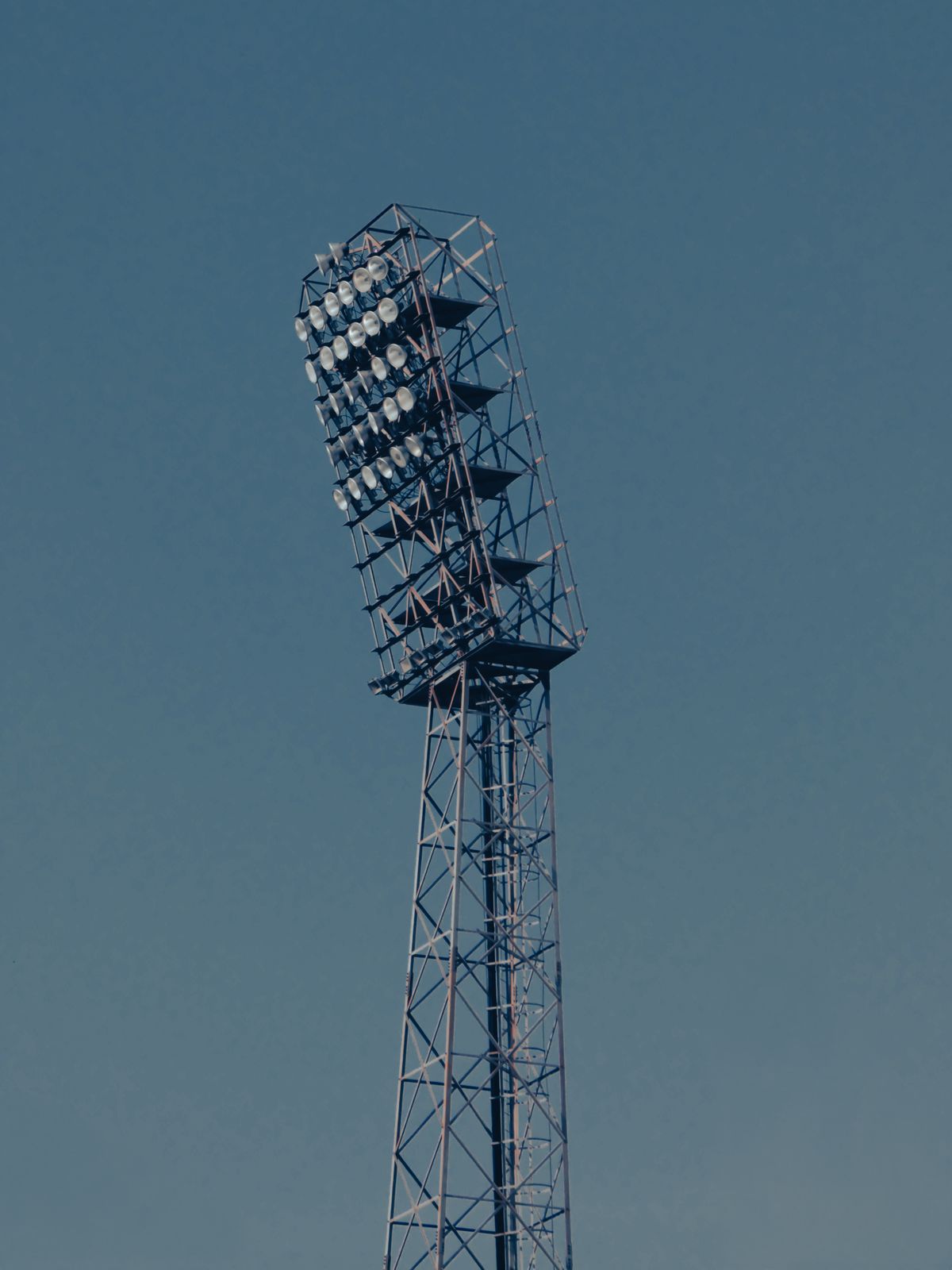
How Do I Prevent Glare From Lighting Towers?
Why is glare dangerous on construction sites?
Excessive glare can reduce a person's ability to identify obstacles, moving equipment, and surface details.
It may also cause discomfort or temporary loss of visual adaptation when workers move between very bright and dark areas.
Can lighting towers affect drivers on nearby roads?
Yes. Poorly directed floodlights may create distracting or disabling glare for road users.
Road-adjacent lighting must be designed with the relevant traffic safety arrangements and authority requirements.
How do I reduce excessive glare?
Use suitable fixture orientation, shielding where supported, and carefully planned mounting positions.
Evaluate the lighting from the viewpoints of workers, machinery operators, and any affected road users.
Does brighter lighting always make work safer?
No. Increasing brightness without controlling glare, shadows, and uneven illumination can create additional visibility problems.
The objective is suitable, balanced illumination for the activity rather than maximum brightness everywhere.
How Do I Rent Lighting Towers for Road Construction?
What makes roadwork lighting different?
Road construction lighting must account for moving traffic, temporary traffic management, workers, construction machinery, and potentially changing work areas.
The lighting arrangement should complement the approved roadwork safety and traffic control plan.
Can lighting towers be positioned near traffic lanes?
Only within approved work zones and with the required traffic and equipment protection measures.
Equipment must not obstruct required sightlines, clearances, or emergency access.
Should lighting towers move as roadwork progresses?
They may need to be repositioned when the active work area changes.
Any relocation must follow the equipment's procedures, including safe mast lowering, isolation where necessary, stabilization, and reinspection before operation.
Can lighting towers be used for highway maintenance?
Suitable equipment may support highway maintenance activities, provided the lighting system and placement comply with the project's operational and traffic safety requirements.
The rental provider and contractor should confirm the intended application and relevant equipment requirements.
What Power Source Should I Choose for Temporary Lighting?
Are diesel-powered lighting towers suitable for construction?
Diesel-powered units may be suitable for projects where an independent power source is needed, subject to equipment availability and operational requirements.
Fuel handling, exhaust, noise, ventilation, and maintenance arrangements must be considered.
Can I use an electric lighting tower?
Some lighting systems operate from an external electrical supply, depending on their design.
The installation requires compatible power capacity, appropriate electrical protection, and compliant temporary distribution arrangements.
Are battery-powered lighting towers available?
Battery-powered and hybrid technologies exist in the broader equipment market, but availability should be confirmed for the specific rental provider and model.
Operating duration and charging requirements must be evaluated using documented specifications.
Which power source is cheapest to operate?
There is no universal answer.
Compare the actual rental quotation, energy or fuel requirements, operating duration, maintenance obligations, and project conditions before determining the most economical option.
| Power Configuration | Potential Advantage | Important Consideration |
|---|---|---|
| Generator-powered | Independent operation where suitable | Fuel, emissions, noise, maintenance |
| Externally powered | Can use an available suitable electrical source | Supply capacity and electrical installation |
| Battery-powered | Operation without continuous generator running | Charging and documented operating duration |
| Hybrid configuration | May combine multiple energy sources | System complexity and model-specific performance |
These are general technology categories, not a statement that every configuration is available in MORP's rental inventory.
How Long Can a Mobile Lighting Tower Operate?
Can a lighting tower run continuously?
Continuous operating capability depends on the specific equipment, its power source, rated operating limits, maintenance requirements, and environmental conditions.
Never assume unlimited operation without reviewing the manufacturer's documentation.
How do I estimate fuel requirements?
Use the actual unit's fuel consumption information and expected operating schedule, allowing for the conditions identified in the equipment documentation.
Do not rely on a generic fuel consumption figure for all lighting tower models.
Should I schedule maintenance during a long rental?
Yes. Longer rental periods should account for required inspections, servicing, refueling or charging, and any scheduled interruptions.
Maintenance responsibilities should be clearly established in the rental agreement.
What happens if the lighting equipment stops working?
Follow the site's contingency procedures and stop any activity that cannot be performed safely without adequate illumination.
Contact the rental provider according to the agreed support arrangements and do not attempt unauthorized repairs.
What Safety Risks Should I Check Before Using Lighting Towers?
Can strong winds affect a raised lighting mast?
Yes. Wind can create significant loads on elevated structures.
Follow the equipment manufacturer's operating wind limits and required actions for changing weather conditions.
Can dust and sand affect lighting equipment?
Dust and sand may affect cooling systems, filters, mechanical components, lighting surfaces, and overall equipment performance.
Use equipment suitable for the environment and apply the maintenance instructions relevant to the model.
Are electrical connections a safety concern?
Yes. Damaged cables, unsuitable connectors, improper grounding, and exposure to environmental conditions can create serious hazards.
Electrical setup and inspection should be completed by competent personnel according to applicable requirements.
Can generators create carbon monoxide risks?
Yes. Combustion-powered equipment can produce hazardous exhaust gases, including carbon monoxide.
Do not operate fuel-powered generators in enclosed or inadequately ventilated spaces. Follow the manufacturer's ventilation and exhaust requirements.
Should the lighting tower remain secured during operation?
Yes. Required stabilization, wheel restraints, and other securing arrangements must remain in place according to the equipment's operating instructions.
Do not relocate or adjust the equipment contrary to the manufacturer's procedures.
How Do I Use Lighting Towers Around Heavy Machinery?
Can heavy equipment block floodlight coverage?
Yes. Cranes, excavators, trucks, structural materials, and other equipment can create large shadows or obstruct illumination.
The lighting plan should consider actual equipment positions and movement patterns.
Should mobile lighting towers be placed near cranes?
Only after reviewing crane movements, loads, access routes, and the possibility of contact between equipment.
Lighting towers should remain outside hazardous lifting and movement zones unless a specific engineered arrangement has been approved.
Can lighting towers improve operator visibility?
Properly planned illumination may improve visibility of relevant work areas, but the lighting must not shine directly into operators' eyes or create misleading shadows.
Evaluate visibility from the actual operating positions of the machinery.
Should lighting move when equipment is relocated?
Reassess the lighting arrangement whenever major changes to the worksite affect visibility, obstacles, or equipment movement.
Any tower relocation must follow the manufacturer's safe operating procedures.

How Do I Request a Lighting Tower Rental in Riyadh?
What information should I send to the equipment rental company?
Provide the site location, intended work activity, required lighting areas, operating schedule, available power arrangements, access restrictions, and rental duration.
Include any important site conditions that may affect equipment delivery or safe operation.
Should I provide photographs of the worksite?
Photographs can help communicate the site layout, access routes, obstacles, and general environment.
They do not replace a technical assessment when equipment placement or safety requires detailed verification.
Can I request a lighting tower for a project outside Riyadh?
MORP is based in Riyadh and serves projects across Saudi Arabia.
Transport arrangements, equipment suitability, and rental conditions depend on the specific location and project requirements.
Do I need to know the exact lighting tower model?
Not necessarily. You can begin by explaining the lighting task and site conditions.
The available equipment should then be evaluated against the technical requirements before a rental arrangement is confirmed.
Should I request a written quotation?
Yes. A clear written quotation helps establish the rental duration, equipment description, delivery requirements, agreed services, and commercial conditions.
It also helps prevent misunderstandings about what is included.
Can I Rent Lighting Towers by the Day, Week, or Month?
Does MORP offer different rental periods?
MORP provides equipment rental arrangements by the hour, day, week, month, and project contract, subject to the relevant equipment and agreed conditions.
Discuss the intended operating schedule when requesting a quotation.
Is daily rental suitable for a short project?
It may be appropriate when the equipment is required for a limited duration, depending on the scope and commercial arrangements.
Consider delivery, setup, collection, and actual operating needs before selecting the rental period.
When is a monthly rental more suitable?
A longer rental arrangement may be practical for projects requiring equipment throughout an extended work program.
Compare quotations based on the complete rental scope rather than assuming a particular billing period is always cheaper.
Can I rent lighting towers for the full project?
Project-based arrangements can be discussed when the lighting requirement is linked to a defined construction or maintenance program.
The quotation should specify how equipment use, support, servicing, and contract changes are handled.
| Rental Information | What to Provide | Why It Matters |
|---|---|---|
| Project location | City, address, and access instructions | Delivery and site coordination |
| Lighting purpose | Roadwork, infrastructure, maintenance, or other activity | Equipment suitability |
| Work area | Dimensions, obstacles, and relevant drawings | Lighting coverage assessment |
| Operating schedule | Required dates and operating hours | Rental planning |
| Power availability | Available supply or need for independent power | Power configuration |
| Ground conditions | Surface type, slope, and access limitations | Installation safety |
| Site restrictions | Traffic, overhead lines, restricted areas | Risk assessment |
| Service requirements | Delivery, collection, and agreed operating support | Quotation scope |
What Affects the Cost of Lighting Tower Rental?
Does equipment type influence rental cost?
Yes. The specific model, technical features, power configuration, and rental availability may affect the quotation.
Rates should be obtained directly for the equipment and period required.
Does transportation affect the total rental price?
Transportation and site logistics may influence total project cost, depending on the location and contractual terms.
Confirm whether delivery and collection are included in the quotation.
Are fuel and servicing always included?
No universal inclusion rule applies. These responsibilities depend on the rental agreement.
Ask for clear written confirmation of fuel, routine maintenance, inspections, and any additional services.
Can I get an exact price without providing site details?
A dependable quotation generally requires the relevant equipment requirements, rental duration, location, and scope of services.
MORP provides pricing through quotation requests. No specific rental rate should be assumed without an actual offer.
What Should I Check in a Lighting Tower Rental Agreement?
Should the contract describe the actual equipment?
Yes. The agreement should identify the equipment being provided or the agreed technical requirements, including any relevant operational limitations.
Who is responsible for equipment inspections?
The rental contract and site procedures should define the responsibilities of the rental provider, site operator, and other relevant parties.
These responsibilities must remain consistent with applicable safety requirements.
What if the project requires a longer rental period?
Discuss possible extensions and commercial conditions in advance.
Any contract change should be documented rather than assumed.
What happens if the equipment becomes unavailable?
The agreement should clarify fault reporting, support arrangements, and any applicable provisions for equipment breakdown or replacement.
Do not assume that immediate replacement is guaranteed unless explicitly agreed.
What Are the Most Common Lighting Tower Rental Mistakes?
Is choosing the brightest tower always the best decision?
No. Brightness alone does not ensure adequate task illumination or safe glare control.
The equipment must be evaluated as part of the complete lighting arrangement.
Is ignoring ground stability dangerous?
Yes. Unstable ground can compromise equipment setup and potentially lead to serious incidents.
Follow the manufacturer's support and leveling requirements.
Can incorrect positioning create unsafe shadows?
Yes. Equipment, materials, and structures may block floodlights, leaving important working areas inadequately illuminated.
Assess the actual lighting pattern under representative site conditions.
Is operating a generator-powered tower indoors safe?
Combustion-powered equipment must not be operated in enclosed or inadequately ventilated locations because hazardous exhaust gases can accumulate.
Use equipment and power arrangements suitable for the environment.
Should I ignore wind conditions after raising the mast?
No. Weather changes can affect the safety of elevated lighting equipment.
Monitor conditions and follow the manufacturer's wind-related operating restrictions.
Is it acceptable to change the tower position while the mast is raised?
Do not move or reposition the tower contrary to the equipment's operating instructions.
Safe relocation typically requires the relevant shutdown, mast lowering, securing, and setup procedures specified for the particular model.
How Can MORP Support Temporary Worksite Lighting?
Does MORP provide mobile lighting towers for rental?
MORP includes mobile lighting towers among its equipment rental offerings for construction and industrial project requirements.
Specific models, availability, technical specifications, and rental arrangements should be confirmed through a quotation request.
What other equipment can MORP provide?
MORP's equipment categories include mobile cranes, rough-terrain cranes, spider cranes, telescopic crawler Pick & Carry cranes, forklifts, Boom Lifts, Scissor Lifts, skid-steer loaders, and mobile lighting towers.
Each equipment category serves different applications and requires an appropriate technical and safety assessment.
Which industries can request equipment rental?
MORP serves sectors including construction, infrastructure, power projects, industrial facilities, petrochemicals, logistics, roads, mining, airports, and ports.
The specific rental solution depends on the site's operating conditions and the project requirements.
Does MORP support projects outside Riyadh?
Yes. MORP serves projects throughout Saudi Arabia, with its base in Riyadh.
Delivery and operating arrangements are determined according to the project location and agreed scope.
Can I contact MORP outside ordinary business hours?
MORP provides 24/7 support. Actual equipment supply and operational arrangements remain subject to confirmation and the project agreement.
How do I request a rental quotation?
Contact MORP | مواكبة الحداثة للمقاولات and provide your location, lighting requirements, intended rental dates, and relevant site conditions.
What Are the Most Frequently Asked Questions About Lighting Tower Rental?
1. How do I rent lighting towers for a worksite?
Identify the required lighting areas, operating period, power availability, and site conditions, then contact an equipment rental provider with the project details and request a suitable quotation.
2. How many lighting towers do I need for my construction site?
The number depends on site dimensions, lighting requirements, equipment performance, and obstructions. A lighting assessment may be needed to determine suitable coverage.
3. Can I rent mobile lighting towers in Riyadh?
Yes. MORP provides mobile lighting towers as part of its equipment rental offering. Contact the company to confirm available equipment and commercial arrangements.
4. Are lighting towers suitable for road construction?
They can be suitable when correctly selected and installed within an approved worksite lighting and traffic safety plan.
5. Do lighting towers require an external electricity supply?
It depends on the equipment. Some units use integrated power sources, while others require external electrical connections or alternative energy arrangements.
6. Can lighting towers operate throughout the night?
Operating capability depends on the specific model, available energy, maintenance requirements, and manufacturer limitations. Confirm the relevant specifications before rental.
7. Can I use mobile lighting towers near excavation areas?
Only after confirming ground stability, safe positioning, excavation clearances, and compliance with the equipment's setup requirements.
8. What is the safest way to position a lighting tower?
Use firm suitable ground, follow the manufacturer's stabilization instructions, maintain required clearances, and avoid obstructing equipment routes or creating glare hazards.
9. How much does lighting tower rental cost in Saudi Arabia?
Pricing depends on equipment requirements, rental period, transport, location, and included services. MORP provides rental pricing through quotation requests.
10. Can I rent lighting towers for a full construction project?
Project-based equipment rental arrangements can be discussed with MORP, subject to the relevant equipment, project conditions, and agreed contract terms.
What Checklist Should I Follow Before Renting Lighting Towers?
What should I verify before confirming the rental?
Use the following checklist to organize the requirements for temporary worksite lighting. It supplements, but does not replace, site-specific technical assessments and mandatory safety procedures.
- ☐ Identify the construction activities requiring temporary lighting.
- ☐ Determine the required operating dates and hours.
- ☐ Review the approved worksite layout.
- ☐ Identify the task surfaces that need illumination.
- ☐ Confirm applicable lighting and safety requirements.
- ☐ Estimate coverage using appropriate equipment data.
- ☐ Review shadows and potential glare.
- ☐ Identify vehicle and machinery movement routes.
- ☐ Check ground stability and equipment access.
- ☐ Identify excavations and restricted work areas.
- ☐ Check overhead electrical lines and other obstructions.
- ☐ Determine whether an independent power source is required.
- ☐ Review operating duration and energy requirements.
- ☐ Confirm the equipment's wind and environmental limitations.
- ☐ Plan the required stabilizing and setup arrangements.
- ☐ Verify inspection and maintenance responsibilities.
- ☐ Establish procedures for equipment faults.
- ☐ Confirm delivery and collection arrangements.
- ☐ Review the full rental quotation and exclusions.
- ☐ Confirm required operator or site personnel responsibilities.
- ☐ Ensure appropriate electrical and exhaust safety controls.
- ☐ Plan inspection of actual illumination after setup.
- ☐ Confirm a safe process for equipment relocation.
- ☐ Establish reporting arrangements for lighting failures.
How Do I Maintain Safe Lighting Throughout the Project?
Should temporary lighting be inspected every working shift?
Inspection requirements depend on the equipment, applicable site procedures, and operating conditions.
Pre-use checks and additional inspections following relevant incidents or environmental changes help identify defects before equipment operation.
Should lighting positions be reviewed when the worksite changes?
Yes. Excavation progress, new materials, different machinery positions, and changing access routes can affect light distribution and equipment safety.
Reassess the lighting plan when worksite conditions materially change.
What should I do if a tower stops providing adequate light?
Report the fault and prevent work from continuing where visibility no longer meets the required safe conditions.
Arrange an appropriate inspection or repair through the responsible personnel and rental provider.
Can permanent lighting replace rental towers later in the project?
Yes, when a suitable permanent lighting system becomes available and has been assessed as adequate for the intended work.
The transition should be planned so that no active work area is left without the illumination required for safe operation.
Conclusion: How Do I Rent Lighting Towers for a Worksite?
To rent lighting towers for a worksite, define the lighting requirements before choosing equipment. Identify the work areas, required illumination, operating schedule, power arrangements, and site restrictions. Then evaluate suitable lighting towers using their actual specifications and request a quotation covering the full rental scope.
Safe temporary illumination depends on more than the number of lights. Correct positioning, stable ground, glare control, appropriate electrical or fuel arrangements, and regular inspections are essential to a reliable worksite lighting plan.
For construction, infrastructure, industrial, and road projects in Riyadh and throughout Saudi Arabia, selecting appropriate equipment and planning installation carefully can help support safe and efficient site operations.
If your project requires mobile lighting towers or other construction equipment, contact MORP | مواكبة الحداثة للمقاولات to discuss equipment availability, rental duration, technical requirements, and a project-specific quotation.