



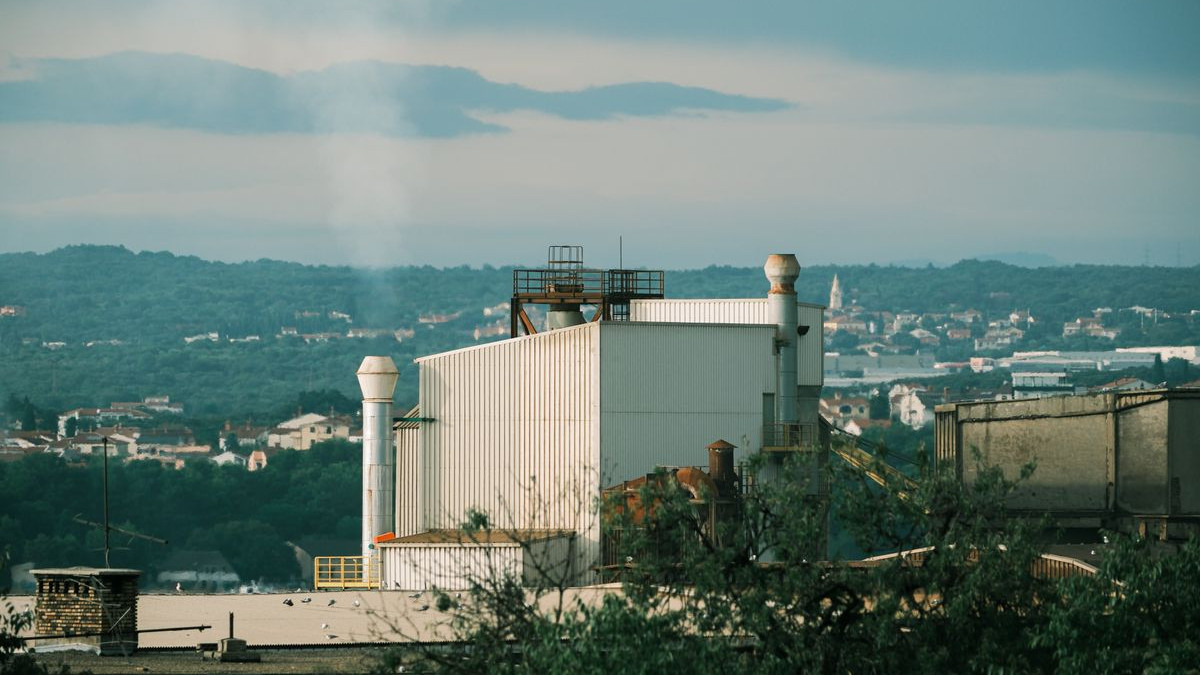
To rent equipment for an industrial plant shutdown in Saudi Arabia, define the maintenance scope, establish the shutdown schedule, identify lifting and elevated-access requirements, and coordinate equipment availability with approved work packages. Select suitable cranes, access platforms, and supporting machinery according to engineering assessments, site restrictions, safety procedures, and the responsibilities established within the rental agreement.
Industrial plant shutdowns and maintenance turnarounds require careful coordination between engineering teams, maintenance contractors, equipment suppliers, operations personnel, and safety specialists.
Unlike ordinary construction projects, shutdown maintenance is frequently performed within a defined operational window. Equipment availability must therefore be coordinated with maintenance priorities, authorized work areas, inspection requirements, and the planned return to service.
Renting heavy equipment without understanding the shutdown program can result in unnecessary equipment movements, scheduling conflicts, and inefficient use of rental resources.
MORP | Modernity Contracting provides crane rental, heavy equipment rental, personnel access platforms, and supporting equipment for projects in Riyadh and across Saudi Arabia, including industrial, manufacturing, energy, and petrochemical applications.
 Call Now
 WhatsApp
What Is an Industrial Plant Shutdown?
What does a planned industrial shutdown mean?
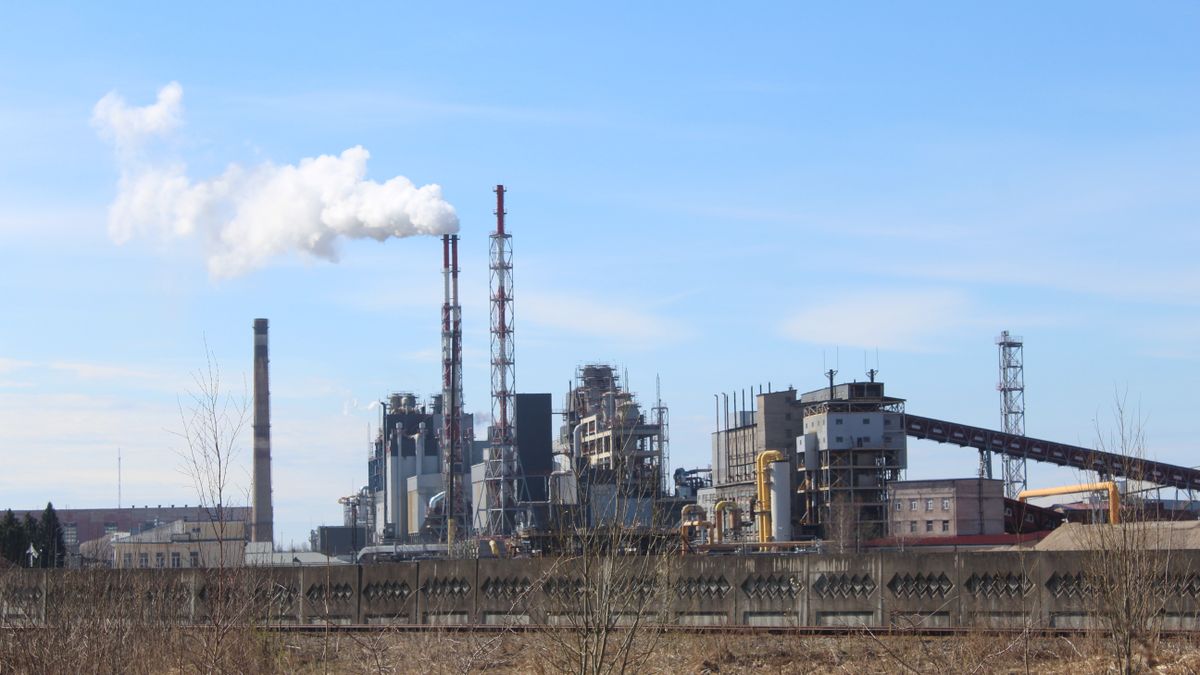
A planned industrial shutdown is a scheduled interruption of selected plant operations to allow maintenance, inspection, repair, replacement, testing, or other authorized technical activities.
The shutdown scope may involve an entire facility, a production unit, a particular processing system, or selected equipment, depending on operational and engineering requirements.
What is an industrial turnaround?
An industrial turnaround is a coordinated maintenance event during which designated plant systems or production units are temporarily taken out of service for planned technical activities.
Turnarounds may include several maintenance contractors and specialized equipment working within an approved schedule and controlled operational environment.
Why do shutdowns require heavy equipment rental?
Heavy equipment may be required to support the removal, positioning, inspection, maintenance, replacement, and installation of industrial components.
Access platforms may also be needed to allow qualified personnel to reach authorized elevated work locations.
| Shutdown Activity | Potential Equipment Requirement | Primary Planning Consideration |
|---|---|---|
| Industrial component replacement | Suitable cranes and material handling equipment | Approved lifting and replacement scope |
| Elevated maintenance | Personnel access platforms | Working height and authorized access conditions |
| Mechanical inspection | Access equipment and suitable supporting machinery | Inspection locations and work authorization |
| Material movement | Forklifts or other approved handling equipment | Load compatibility and designated movement routes |
| Maintenance area preparation | Suitable site preparation equipment | Approved work area conditions and restrictions |
| Extended maintenance shifts | Appropriate mobile lighting equipment | Site lighting requirements and equipment suitability |
How Do I Rent Equipment for a Plant Shutdown in Saudi Arabia?
What should I establish before contacting an equipment rental company?
Establish the approved maintenance scope, expected shutdown dates, work packages, equipment requirements, operational restrictions, and anticipated rental durations.
Where engineering information is available, include relevant lifting documentation, access requirements, industrial area classifications, and equipment specifications.
Should every maintenance contractor request equipment separately?
Not necessarily. A coordinated equipment procurement approach may help identify shared requirements and reduce scheduling conflicts between contractors.
However, shared equipment arrangements should not interfere with maintenance priorities, contractual responsibilities, approved lifting plans, or safety requirements.
When should shutdown equipment rental arrangements begin?
Equipment rental discussions should begin during shutdown planning, once the maintenance scope and preliminary schedule provide enough information to evaluate equipment requirements.
Early coordination is particularly useful when specialized equipment, transportation arrangements, site approvals, or extended rental periods are anticipated.
How Do I Convert a Maintenance Schedule Into Equipment Requirements?
What is a maintenance work package?
A maintenance work package is a defined group of activities containing the information required to plan, authorize, execute, inspect, and complete a particular maintenance task.
Depending on the project, it may include technical documents, required personnel, equipment specifications, materials, work permits, quality requirements, and completion criteria.
How should equipment requirements be assigned to work packages?
Identify the equipment functions required by each approved work package, together with the expected usage period and any relevant operating restrictions.
This allows the shutdown planning team to distinguish between equipment required continuously and equipment needed only for selected activities.
Can several work packages use the same equipment?
Yes, when equipment compatibility, scheduling, authorized operating locations, and maintenance priorities permit shared use.
Do not assume that equipment can move between work packages without considering travel time, preparation requirements, permit conditions, and the availability of qualified personnel.
| Work Package | Equipment Function | Scheduling Dependency |
|---|---|---|
| Mechanical component removal | Approved lifting or handling equipment | Completion of isolation and preparation requirements |
| Elevated inspection | Suitable personnel access equipment | Authorized inspection access |
| Component servicing | Material handling and maintenance support | Availability of the component and maintenance team |
| Replacement installation | Suitable lifting and positioning equipment | Completion of preparatory maintenance activities |
| Quality verification | Access equipment where required | Completion of installation and inspection prerequisites |
| Demobilization | Equipment transport and approved handling arrangements | Confirmation that remaining work no longer requires the equipment |
Which Heavy Equipment Is Used During Industrial Shutdowns?
Are mobile cranes suitable for industrial maintenance projects?
Mobile cranes may be suitable for lifting selected industrial components, replacement assemblies, and maintenance-related loads when their configurations and capabilities satisfy the approved engineering and lifting requirements.
Equipment suitability depends on the actual load characteristics, operating radius, available access, supporting conditions, and manufacturer requirements.
When are rough terrain cranes used during shutdown maintenance?
Rough terrain cranes may be considered when the maintenance site includes operating conditions suited to that equipment category.
Their use remains subject to ground assessments, approved operating configurations, equipment specifications, and the site's safety requirements.
Can telescopic crawler cranes support industrial maintenance?
Telescopic crawler cranes, including suitable Pick & Carry equipment, may support selected industrial lifting and handling activities when permitted by the manufacturer's operating instructions and the approved lifting assessment.
Movement with a suspended load must never be assumed to be permissible without specific equipment authorization and an appropriate approved work plan.
What other equipment may be required during a plant shutdown?
Depending on the maintenance scope, additional equipment may include spider cranes, forklifts, boom lifts, scissor lifts, skid steer loaders, and mobile lighting towers.
Each equipment category serves a different function and should be selected according to the actual work requirements.
| Equipment Category | Potential Shutdown Application | Important Selection Requirement |
|---|---|---|
| Mobile cranes | Approved industrial component lifting | Engineering and lifting plan compatibility |
| Rough terrain cranes | Suitable lifting activities in challenging site conditions | Ground and operating condition assessment |
| Spider cranes | Selected lifting activities with specific access constraints | Approved equipment configuration and supporting conditions |
| Telescopic crawler cranes | Compatible industrial lifting and material positioning | Manufacturer-authorized operating conditions |
| Forklifts | Handling compatible maintenance materials | Load characteristics and approved attachments |
| Boom lifts | Personnel access to suitable elevated work locations | Working envelope and operating environment |
| Scissor lifts | Vertical personnel access for suitable maintenance activities | Surface conditions and platform requirements |
| Skid steer loaders | Authorized supporting site preparation activities | Task compatibility and industrial site restrictions |
| Mobile lighting towers | Supplementary illumination for approved work areas | Environmental suitability and site lighting requirements |
How Do I Plan Crane Rental for Industrial Component Replacement?
Why does component replacement require specialized lifting planning?
Industrial components may have complex shapes, uneven weight distribution, restricted lifting access, sensitive connections, or engineering requirements that affect their handling.
Approved technical information is necessary to determine how the component can be safely removed, transported, and positioned.
Can a crane be selected using the component weight alone?
No. Equipment selection also requires information about the complete lifting load, lifting accessories, center of gravity, operating radius, required clearances, crane configuration, and supporting conditions.
These considerations must be evaluated by qualified personnel according to the crane type and site-specific engineering assessment.
Who determines the appropriate method for removing industrial components?
The appropriate removal method should be established by the responsible engineering and maintenance specialists in coordination with lifting professionals and the facility's authorized operational personnel.
Equipment rental does not replace the engineering documentation or site approvals required for industrial maintenance.
Can replacement components be installed before inspection is complete?
Installation should proceed according to the approved work package and quality requirements.
Do not bypass required inspection, preparation, alignment, isolation, or authorization stages to accommodate equipment rental schedules.
How Do I Coordinate Equipment Rental With Plant Isolation?
What is plant isolation during shutdown maintenance?
Plant isolation refers to authorized measures intended to prevent uncontrolled exposure to hazardous energy, process materials, pressure, movement, or other conditions associated with industrial systems undergoing maintenance.
The required isolation arrangements depend on the equipment, process, facility procedures, and applicable technical requirements.
Can rental equipment enter a maintenance area before isolation is confirmed?
Equipment entry and operation must comply with the facility's approved access arrangements, isolation requirements, permits, and instructions from authorized personnel.
Equipment should not be used for maintenance activities before the relevant safety and operational prerequisites have been satisfied.
Who is responsible for confirming industrial isolation?
Isolation responsibilities must be assigned to competent and authorized personnel according to the facility's procedures and approved maintenance arrangements.
Rental equipment operators should not assume that a system is isolated simply because production appears to have stopped.
Does shutdown equipment rental include responsibility for process isolation?
Not automatically. Responsibilities for process isolation, maintenance authorization, equipment operation, lifting supervision, and related activities must be clearly defined within the project documentation and contractual arrangements.
What Safety Documents Are Required for Shutdown Equipment?
What documentation should be reviewed before equipment mobilization?
Review the documentation required by the facility and project, which may include equipment identification, inspection records, operator qualifications, maintenance records, technical specifications, and relevant approvals.
Additional documentation may be required for specialized equipment, lifting accessories, or particular industrial operating environments.
What is a permit-to-work system?
A permit-to-work system is a formal authorization process used to manage specified activities in industrial environments according to approved safety and operational requirements.
Its purpose is to ensure that relevant hazards, responsibilities, prerequisites, restrictions, and control measures have been addressed before authorized work begins.
Does an equipment inspection certificate replace a lifting plan?
No. Equipment inspection documentation and lifting plans serve different purposes.
Inspection documentation supports verification of equipment condition or compliance within its stated scope, while an approved lifting plan addresses the requirements and risks of a particular lifting operation.
Should documentation requirements be confirmed before the equipment arrives?
Yes. Confirming site-specific documentation requirements before mobilization can help prevent avoidable access restrictions or delays associated with missing information.
| Document or Authorization | General Purpose | Responsible Review |
|---|---|---|
| Equipment identification and specifications | Confirm the equipment's identity and technical characteristics | Relevant equipment and technical specialists |
| Inspection documentation | Support verification of equipment condition within the documented scope | Authorized inspection and site personnel |
| Operator qualifications | Verify relevant competency requirements | Authorized contractor and facility personnel |
| Approved lifting assessment or plan | Define requirements for the specific lifting activity | Qualified lifting and engineering personnel |
| Permit-to-work authorization | Authorize specified activities under facility procedures | Authorized permit and operations personnel |
| Industrial area approval | Confirm equipment suitability for restricted environments | Facility safety and technical specialists |
| Rental agreement | Define equipment scope and contractual responsibilities | Relevant commercial and project representatives |
How Do I Arrange Access Platforms for Shutdown Maintenance?
Why are boom lifts used during industrial maintenance?
Boom lifts may provide personnel access to suitable elevated locations where the work requires horizontal or vertical reach within the equipment's approved operating envelope.
They can support authorized inspection and maintenance activities when their specifications and operating conditions are appropriate.
Can scissor lifts support factory maintenance?
Scissor lifts may be suitable for maintenance activities requiring predominantly vertical access within their approved working limits.
Their use depends on platform requirements, available space, supporting surface conditions, industrial restrictions, and manufacturer instructions.
Can elevated access platforms be used near active process equipment?
Only when the facility's approved procedures permit the activity and the relevant engineering, electrical, operational, and safety requirements have been satisfied.
The suitability of the equipment must be assessed for the actual environment rather than assumed from its general capabilities.
Should access platforms be reserved for individual maintenance teams?
Dedicated equipment allocation may be useful when several work packages require simultaneous access or when transferring equipment between locations would interfere with maintenance activities.
Shared equipment may also be appropriate when approved schedules and operational requirements allow it.
How Do I Manage Equipment in Hazardous Industrial Areas?
Are ordinary rental machines suitable for every petrochemical facility?
No. Industrial facilities may contain areas with specific environmental classifications, ignition-source restrictions, process hazards, and equipment approval requirements.
Ordinary construction equipment must not be assumed suitable for every industrial operating environment.
What should be checked before equipment enters a classified area?
Authorized facility specialists should confirm the area's classification, applicable operating restrictions, equipment suitability, required approvals, and relevant work authorization arrangements.
Where specialized equipment protection is necessary, the proposed machine and its documentation must satisfy the actual requirements of the location and task.
Does a plant shutdown eliminate all industrial hazards?
No. Industrial hazards may remain even when selected production systems are temporarily out of service.
Residual process materials, stored energy, adjacent operating units, restricted environments, and simultaneous activities may continue to require specific control measures.
Can equipment availability override site approval requirements?
No. Equipment must not be mobilized into unsuitable operating conditions merely because an alternative machine is unavailable.
The maintenance schedule should be adjusted when necessary to maintain compliance with approved operational and safety requirements.
How Do I Prevent Equipment Scheduling Conflicts During a Shutdown?
Why can several maintenance teams require the same equipment?
Different maintenance work packages may require similar lifting, handling, or elevated-access capabilities during overlapping periods.
Without coordinated planning, contractors may assume that the same machine will be available at the same time.
What is an equipment allocation schedule?
An equipment allocation schedule is a planning document that identifies which equipment is assigned to particular work packages, locations, and expected operating periods.
It helps maintenance planners identify overlapping requirements and coordinate equipment resources with approved work priorities.
Should crane availability be included in the critical path?
Equipment availability should be considered within project scheduling when a specific machine or lifting activity is necessary for completing a critical maintenance task.
The shutdown planner should evaluate dependencies between equipment availability, work authorization, maintenance activities, inspection, and return-to-service requirements.
How can daily coordination improve equipment utilization?
Review planned and completed maintenance activities, upcoming equipment requirements, approved work locations, and any changes affecting the schedule.
Daily coordination can help identify emerging conflicts before they interfere with authorized maintenance activities.
How Do I Coordinate Simultaneous Operations During Plant Maintenance?
What are simultaneous operations?
Simultaneous operations, commonly referred to as SIMOPS, occur when different activities are performed within the same or interacting operational environments during overlapping periods.
During an industrial shutdown, these activities may involve lifting, inspection, mechanical maintenance, electrical work, elevated access, and material handling.
Why can simultaneous operations affect rental equipment?
Equipment movements and maintenance activities may interact with other contractors, restricted areas, occupied workspaces, or authorized operational processes.
These interactions require coordinated planning to prevent incompatible activities from creating unacceptable risks.
Who should authorize changes to simultaneous work activities?
Changes should be reviewed through the facility's approved coordination and authorization procedures by the personnel responsible for the affected activities.
Rental operators and contractors should not independently modify work sequences when doing so could interfere with approved safety arrangements.
Can equipment be reassigned immediately when another maintenance team requests it?
Equipment reassignment should occur only after reviewing the approved schedule, existing obligations, new task requirements, necessary authorizations, and any changes to operating conditions.
How Do I Arrange Equipment Mobilization Before the Shutdown?
Should all equipment arrive before maintenance begins?
Not necessarily. Some equipment may need to arrive in advance for inspection, authorization, preparation, and positioning, while other machines may be scheduled for later maintenance phases.
The appropriate mobilization program depends on the work packages, available staging areas, transportation arrangements, and facility requirements.
What is an equipment staging area?
An equipment staging area is an approved location used to receive, prepare, organize, or temporarily position machinery before its authorized deployment.
Its suitability depends on available space, supporting conditions, site access requirements, traffic management, and operational restrictions.
Should transport arrangements be confirmed with the plant operator?
Yes. Equipment transportation and entry arrangements should be coordinated with the facility's authorized personnel and applicable project requirements.
This may include scheduled arrival periods, access permissions, equipment documentation, approved routes, and reception arrangements.
How can equipment mobilization be organized by maintenance phase?
Assign equipment arrivals and departures according to approved work packages, anticipated usage periods, preparation requirements, and the overall shutdown schedule.
Should I Rent Shutdown Equipment Daily, Weekly, or Monthly?
When is hourly equipment rental suitable?
Hourly rental may be appropriate for certain clearly defined activities when equipment transportation, preparation, operating requirements, and contractual arrangements support that rental structure.
When should I consider daily crane rental?
Daily rental may suit maintenance activities requiring equipment for a defined operating period or a group of coordinated tasks within the shutdown schedule.
When is weekly rental more practical?
Weekly rental may be appropriate when maintenance activities require repeated equipment use across several work packages or consecutive maintenance periods.
Should I use monthly rental for extended industrial turnarounds?
Monthly rental may be considered when an industrial maintenance program requires ongoing or repeated equipment availability over an extended period.
The appropriate arrangement depends on expected utilization, equipment availability, scheduling requirements, and contractual terms.
Can MORP provide project-based equipment rental?
MORP provides hourly, daily, weekly, monthly, and project-based rental arrangements according to equipment requirements, availability, and agreed contractual conditions.
| Rental Arrangement | Potential Shutdown Application | Planning Priority |
|---|---|---|
| Hourly rental | Selected maintenance activities with defined requirements | Confirm preparation, operating, and transportation terms |
| Daily rental | Dedicated maintenance shifts or coordinated work packages | Confirm equipment readiness and task authorization |
| Weekly rental | Repeated maintenance activities across several periods | Review utilization and scheduling dependencies |
| Monthly rental | Extended turnaround or industrial maintenance programs | Coordinate ongoing requirements and commercial terms |
| Project-based rental | Maintenance programs requiring coordinated equipment resources | Define equipment scope, support, responsibilities, and milestones |
How Do I Prepare for Equipment Breakdowns During a Shutdown?
Why should industrial shutdowns include equipment contingency arrangements?
Unexpected equipment problems can affect maintenance schedules when essential activities depend on particular machinery.
Contingency planning helps establish communication, technical assessment, maintenance support, and possible replacement arrangements before an unexpected event occurs.
Should every rented machine have a dedicated backup?
Not necessarily. Backup requirements should reflect the importance of the equipment, availability of suitable alternatives, expected maintenance impact, contractual arrangements, and project risk assessment.
Equipment required for critical work packages may justify more extensive contingency planning.
Can a replacement crane be used immediately after a breakdown?
No. Replacement equipment must be assessed for technical suitability, lifting plan compatibility, required documentation, operating conditions, and site authorization before use.
A machine with a similar nominal description may have substantially different operating characteristics.
Does MORP provide around-the-clock equipment support?
MORP provides 24/7 support for equipment rental requirements.
Specific maintenance response arrangements, equipment replacement conditions, and service responsibilities should be confirmed within the agreed rental scope.
How Do I Verify Rental Equipment Before Shutdown Maintenance?
What should be checked during equipment reception?
Verify equipment identity, relevant technical specifications, required documentation, visible condition, approved accessories, and compatibility with the agreed rental requirements.
Site-specific reception procedures should be completed by authorized personnel before equipment deployment.
Why is hydraulic system inspection important?
Hydraulic systems perform essential functions in many cranes, access platforms, and heavy machines.
Their condition should be assessed according to manufacturer requirements and approved inspection procedures by competent personnel.
What is a load moment indicator in crane operation?
A Load Moment Indicator, or LMI, is a system used on suitable cranes to monitor specified operating conditions associated with lifting capacity and crane configuration.
It supports operational awareness but does not replace approved lifting assessments, load charts, qualified operation, or compliance with manufacturer requirements.
Should lifting accessories be inspected independently?
Yes. Relevant rigging equipment, slings, shackles, lifting attachments, and other accessories should be assessed for suitability, condition, documentation, and authorized use according to the approved lifting requirements.
What happens if equipment does not satisfy site requirements?
The equipment should not be deployed until the relevant nonconformity has been appropriately resolved and the required authorization has been obtained.
How Do I Manage Shift Changes During Industrial Turnarounds?
Why are shift handovers important during shutdown maintenance?
Industrial maintenance may involve several teams working during different operating periods.
Structured handovers help communicate equipment status, authorized work conditions, completed activities, outstanding requirements, and relevant restrictions.
What should equipment operators communicate during a handover?
Operators should communicate information required by approved site procedures, including equipment condition, operating restrictions, identified issues, assigned work locations, and relevant outstanding activities.
Can new personnel continue work under previous authorizations?
Only when the facility's approved procedures allow it and the applicable work permits, competencies, responsibilities, and operational conditions have been verified.
Shift changes should not be treated as automatic permission to continue or modify an industrial maintenance activity.
How should operator availability be coordinated with rental periods?
Confirm whether the agreed rental scope includes operators, which operating arrangements apply, and how personnel availability will be coordinated with the actual maintenance schedule.
Work schedules must also comply with relevant requirements concerning competency, fatigue management, and safe operation.
How Much Does Industrial Shutdown Equipment Rental Cost?
Is there a fixed rental price for industrial shutdown projects?
No. Industrial shutdown equipment rental prices are determined through quotations based on the actual project requirements.
The appropriate rental scope depends on equipment specifications, duration, location, operating arrangements, transportation requirements, and contractual conditions.
Can equipment rental be included within a complete maintenance contract?
Equipment rental may form part of a broader industrial maintenance procurement arrangement when the relevant parties agree on responsibilities, technical requirements, and commercial terms.
The agreement should distinguish equipment supply from engineering, maintenance execution, process isolation, lifting supervision, and other specialized responsibilities.
What information should be included in a shutdown rental quotation request?
Provide the maintenance facility location, expected shutdown dates, work package information, equipment categories, technical specifications, rental periods, site restrictions, documentation requirements, and anticipated support needs.
| Quotation Information | Required Project Details | Purpose |
|---|---|---|
| Industrial facility location | City, region, and relevant access information | Evaluate transportation and mobilization arrangements |
| Shutdown schedule | Expected commencement, maintenance phases, and completion periods | Coordinate equipment availability |
| Maintenance scope | Approved work packages and equipment functions | Understand the actual rental requirements |
| Technical equipment specifications | Relevant lifting, access, and handling requirements | Evaluate suitable equipment options |
| Industrial site restrictions | Area classifications, access limitations, and approval requirements | Assess equipment suitability and mobilization conditions |
| Rental duration | Expected operating periods and contractual preferences | Establish the appropriate rental arrangement |
| Support requirements | Communication, maintenance, and contingency expectations | Define the agreed service scope |
Contact MORP for a project-specific quotation rather than relying on assumed rates or unverified equipment capacities.
How Do I Manage Equipment Demobilization After a Plant Shutdown?
When should rented equipment leave the industrial facility?
Equipment should be demobilized after confirming that the relevant maintenance work packages no longer require it and the facility has authorized the necessary departure arrangements.
Premature demobilization may create difficulties if additional authorized inspection or corrective activities remain outstanding.
Should all equipment leave at the same time?
Not necessarily. Phased demobilization may be suitable when different equipment categories complete their assigned functions at different stages.
The departure schedule should be coordinated with maintenance completion requirements, facility access procedures, and agreed rental conditions.
What should be reviewed before equipment is returned?
Review equipment condition, applicable documentation, agreed accessories, outstanding operational issues, rental records, and any contractual return requirements.
Does equipment demobilization mean the plant is ready to restart?
No. Plant restart readiness must be established through the facility's authorized engineering, operational, maintenance, inspection, and safety procedures.
The removal of rental equipment is only one possible component of the wider shutdown completion process.
What Industries Need Shutdown Equipment Rental in Saudi Arabia?
Do petrochemical plants require specialized rental arrangements?
Petrochemical maintenance projects may require equipment arrangements that address process hazards, industrial area classifications, approved maintenance procedures, and controlled access requirements.
Suitable equipment must be evaluated according to the specific facility and maintenance scope.
Can manufacturing facilities rent equipment for annual maintenance?
Yes. Manufacturing facilities may rent cranes, access platforms, forklifts, and supporting machinery for authorized maintenance and replacement activities.
The required equipment depends on the production systems, maintenance tasks, and operating environment.
Can rental equipment support power generation maintenance?
Suitable equipment may support maintenance activities at power generation facilities and other energy-related projects when technical, electrical, operational, and safety requirements are satisfied.
Does MORP provide industrial equipment outside Riyadh?
MORP serves projects in Riyadh and throughout Saudi Arabia.
Equipment availability, transportation, mobilization, and project support arrangements are established according to the actual location and requirements of each rental request.
What Equipment Rental Mistakes Should Shutdown Planners Avoid?
Is renting equipment before confirming maintenance requirements a mistake?
Yes. Equipment reservations made without sufficient technical and scheduling information may result in unsuitable equipment allocation or unnecessary rental periods.
Can the cheapest available rental equipment create operational problems?
Potentially. A rental decision based only on the quoted price may overlook equipment compatibility, documentation, site approvals, support arrangements, and the actual requirements of the maintenance activities.
What are the most common industrial shutdown equipment rental mistakes?
- Requesting equipment without reviewing approved maintenance work packages.
- Failing to coordinate equipment requirements with the shutdown schedule.
- Assuming nominal crane capacity establishes suitability for a particular lift.
- Ignoring industrial area classifications and equipment restrictions.
- Mobilizing machinery before confirming required documentation.
- Assuming production stoppage means all industrial hazards have been eliminated.
- Starting activities before required work authorization and isolation verification.
- Assigning the same machine to incompatible simultaneous work packages.
- Using personnel access platforms for unauthorized material lifting activities.
- Ignoring equipment operating limits and manufacturer instructions.
- Failing to coordinate equipment movement with other maintenance contractors.
- Overlooking contingency arrangements for critical equipment.
- Reassigning equipment without reviewing technical compatibility and authorization.
- Failing to establish clear shift handover arrangements.
- Removing equipment before confirming completion of dependent maintenance activities.
- Allowing rental schedules to override required engineering or safety approvals.
What Should an Industrial Shutdown Equipment Rental Checklist Include?
What should I confirm before requesting equipment?
- Identify the industrial facility and project location.
- Confirm the expected shutdown dates.
- Review the approved maintenance scope.
- Identify maintenance work packages requiring heavy equipment.
- Determine lifting requirements through qualified engineering assessments.
- Confirm personnel access requirements.
- Identify material handling and supporting equipment requirements.
- Review industrial area classifications.
- Confirm applicable equipment restrictions.
- Identify documentation and inspection requirements.
- Review operator competency requirements.
- Confirm equipment transportation and mobilization arrangements.
- Identify approved staging locations.
- Coordinate equipment allocation with maintenance priorities.
- Review simultaneous operations and scheduling dependencies.
- Confirm rental durations and contractual responsibilities.
- Define support and contingency arrangements.
- Review shift coordination and communication requirements.
- Confirm equipment reception and authorization procedures.
- Plan phased demobilization and equipment return arrangements.
Does this checklist replace industrial engineering or safety documentation?
No. This checklist is a general procurement and coordination resource.
It is not a lifting plan, maintenance method statement, isolation procedure, permit-to-work authorization, or substitute for a site-specific engineering and safety assessment.
All actual industrial activities must be performed according to approved project documentation, manufacturer instructions, applicable requirements, and authorized facility procedures.
Who should participate in the equipment rental planning process?
Relevant participants may include shutdown planners, maintenance engineers, lifting specialists, facility operations personnel, safety specialists, procurement teams, equipment suppliers, and authorized contractor representatives.
Responsibilities should be clearly assigned according to the project's contractual and technical arrangements.
What Are the Frequently Asked Questions About Plant Shutdown Equipment Rental?
1. How do I rent equipment for an industrial plant shutdown in Saudi Arabia?
Define the maintenance scope, confirm the shutdown schedule, identify equipment requirements, review site restrictions and engineering documentation, and request a project-specific quotation from an equipment rental provider.
2. What heavy equipment is commonly used during industrial shutdowns?
Depending on the maintenance scope, equipment may include mobile cranes, rough terrain cranes, spider cranes, telescopic crawler cranes, forklifts, boom lifts, scissor lifts, skid steer loaders, and mobile lighting towers.
3. Can I rent cranes for petrochemical plant maintenance?
Yes, when the selected cranes satisfy the approved lifting assessment, equipment specifications, industrial site requirements, and operating conditions.
4. Should I rent access platforms separately from cranes?
The requirements may be coordinated within a single rental scope or separate arrangements, depending on the project. Cranes and personnel access platforms perform different functions and must be evaluated independently.
5. Can ordinary heavy equipment operate in hazardous industrial areas?
Not automatically. Equipment must be assessed against the facility's area classification, technical requirements, operating restrictions, and necessary approvals.
6. Does MORP offer weekly and monthly equipment rental?
Yes. MORP offers hourly, daily, weekly, monthly, and project-based rental arrangements according to the agreed equipment scope and project requirements.
7. Can I request equipment rental for a refinery shutdown outside Riyadh?
Yes. MORP serves projects across Saudi Arabia, subject to equipment suitability, availability, transportation arrangements, site requirements, and the agreed rental scope.
8. Does MORP provide 24/7 support?
Yes. MORP provides around-the-clock support. Specific equipment support responsibilities, response arrangements, and contingency conditions should be established within the rental agreement.
9. How much does crane rental for a plant shutdown cost?
Pricing is determined by quotation according to equipment specifications, rental duration, project location, operating requirements, mobilization, and contractual conditions.
10. Does equipment rental include engineering and maintenance responsibilities?
Not automatically. Equipment supply, qualified operation, lifting planning, process isolation, maintenance execution, supervision, and engineering responsibilities must be explicitly established within the applicable project and rental arrangements.
How Can MORP Support Industrial Plant Shutdowns in Saudi Arabia?
What equipment does MORP offer for industrial maintenance projects?
MORP provides a range of heavy equipment and access solutions that may be considered according to the approved requirements of industrial maintenance and turnaround projects, including:
- Mobile cranes.
- Rough terrain cranes.
- Spider cranes.
- Telescopic crawler cranes for suitable Pick & Carry applications.
- Forklifts.
- Boom lifts.
- Scissor lifts.
- Skid steer loaders.
- Mobile lighting towers.
Equipment suitability must be determined according to the intended activity, manufacturer instructions, industrial operating restrictions, engineering assessments, and actual site conditions.
Which industrial sectors does MORP serve?
MORP serves equipment rental requirements across construction, infrastructure, manufacturing, petrochemical facilities, energy projects, power generation, logistics, road construction, mining, airports, and ports.
Can MORP coordinate equipment rental around maintenance milestones?
Equipment rental requirements can be discussed according to maintenance phases, expected operating periods, equipment categories, and project-based contractual arrangements.
MORP provides flexible rental options and 24/7 support to assist customers with their agreed equipment requirements.
What information should I send to MORP for a shutdown equipment quotation?
- Industrial facility name and project location.
- Expected shutdown or turnaround dates.
- Approved maintenance scope or available work package information.
- Required equipment categories.
- Available technical equipment specifications.
- Relevant approved lifting documentation.
- Personnel access and material handling requirements.
- Industrial site classifications and equipment restrictions.
- Expected rental durations.
- Transportation and mobilization requirements.
- Required inspection and equipment documentation.
- Support and contingency requirements.
- Relevant contractual responsibilities and project conditions.
How do I request industrial equipment rental from MORP?
Contact MORP to discuss your industrial shutdown schedule, equipment requirements, site conditions, and preferred rental arrangement. A quotation can then be prepared according to the actual equipment scope and agreed project requirements.
Conclusion: Industrial plant shutdown equipment rental in Saudi Arabia requires coordination between maintenance planning, equipment procurement, engineering assessments, site authorization, operational safety, and contractual responsibilities. Effective equipment allocation should follow approved maintenance work packages and support the actual shutdown schedule without compromising safety or technical requirements. MORP provides cranes, heavy equipment, access platforms, flexible rental arrangements, and 24/7 support for industrial maintenance projects in Riyadh and throughout Saudi Arabia, with quotations prepared according to individual project requirements.