




To protect garden trees from winter cold in Riyadh, identify frost-sensitive species, maintain appropriate soil moisture, apply suitable organic mulch around root zones, and use breathable horticultural covers when frost is expected. Avoid excessive irrigation, unnecessary fertilization, and premature removal of damaged branches. Young, recently planted, and container-grown trees generally require greater attention during cold periods.
Although Saudi Arabia is widely associated with high temperatures and dry summer conditions, winter can introduce a different set of challenges for residential gardens, commercial landscapes, farms, and outdoor planting projects.
In Riyadh, exposed landscapes may experience cold nights, dry winds, and occasional conditions capable of damaging sensitive plant species. Newly established trees and plants adapted to warmer climates may be particularly vulnerable.
Effective winter tree care requires understanding the characteristics of each species, monitoring soil moisture, protecting vulnerable plant tissues, and responding appropriately to changing environmental conditions.
Rayat Najd Landscaping provides landscaping, tree planting, irrigation, and related garden solutions based on the requirements of individual projects in Saudi Arabia.
 Call Now
 WhatsApp
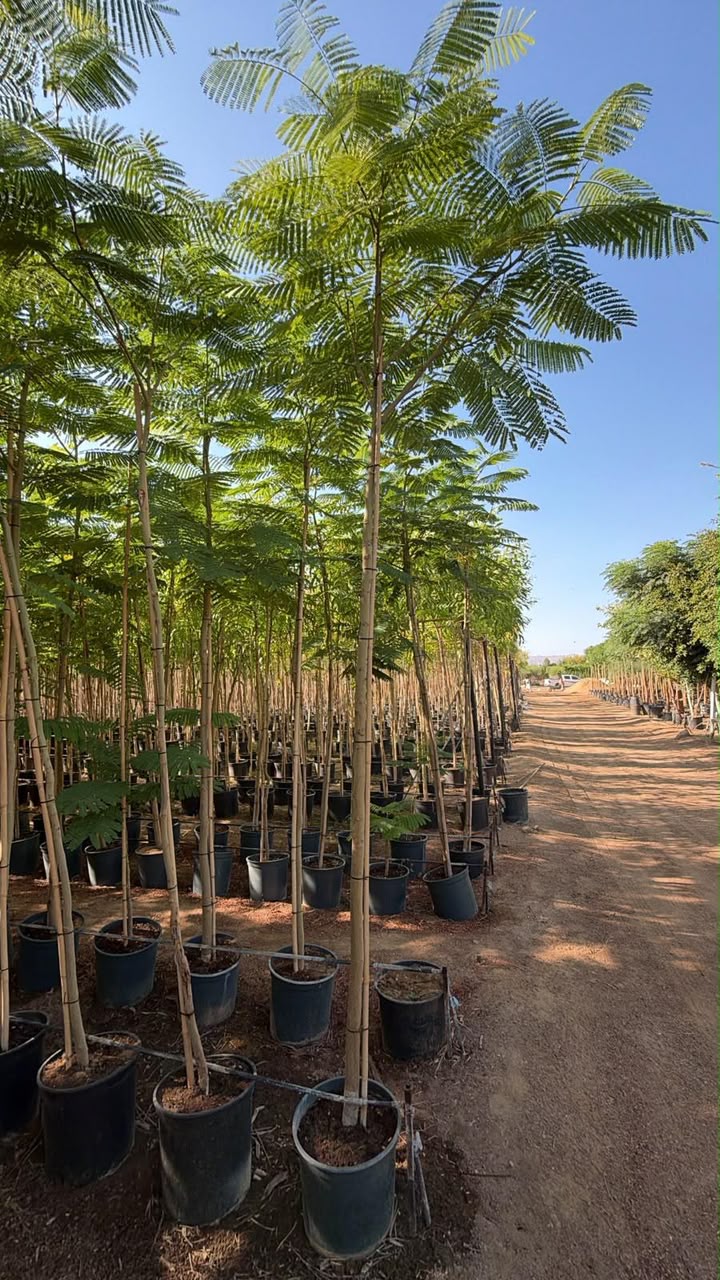
Why Do Garden Trees Need Winter Protection in Riyadh?
Can cold weather damage trees in Saudi Arabia?
Yes. Cold weather can damage susceptible trees when temperatures fall below the levels their tissues can tolerate.
The severity of damage depends on the species, age, establishment condition, duration of cold exposure, local microclimate, and previous acclimatization.
Trees adapted to tropical or subtropical environments may be more vulnerable than species naturally suited to colder winter conditions.
Why are young trees more vulnerable during winter?
Young trees may have less established root systems, thinner protective tissues, and fewer stored energy reserves than mature, well-established specimens.
Recently planted trees may also experience transplant-related stress, making suitable irrigation and environmental protection particularly important during establishment.
Does every garden in Riyadh experience the same winter conditions?
No. Local temperatures can vary between sheltered residential gardens, open agricultural properties, commercial landscapes, and exposed locations.
Walls, buildings, vegetation, ground surfaces, elevation, and wind exposure can influence the microclimate experienced by individual trees.
| Tree or Landscape Condition | Potential Winter Vulnerability | Recommended Planning Priority |
|---|---|---|
| Recently planted trees | Limited root establishment and transplant-related stress | Monitor soil moisture and protect susceptible tissues |
| Young ornamental trees | Greater sensitivity to unfavorable environmental conditions | Evaluate species-specific cold tolerance |
| Container-grown trees | Greater exposure of the root zone to temperature fluctuations | Provide suitable root-zone protection |
| Tropical ornamental species | Potential sensitivity to chilling and frost | Prepare appropriate temporary protection |
| Mature established trees | Variable vulnerability depending on species and condition | Monitor health and avoid unnecessary interventions |
| Exposed open landscapes | Greater exposure to wind and unfavorable microclimates | Evaluate location-specific protection requirements |
What Is the Difference Between Cold Damage and Frost Damage?
What is frost damage in garden trees?
Frost damage occurs when freezing conditions injure susceptible plant tissues, potentially affecting leaves, buds, stems, and other exposed structures.
Visible symptoms may develop immediately or become more apparent after temperatures rise.
Can trees suffer cold damage without visible frost?
Yes. Some cold-sensitive plants may experience chilling injury at temperatures above freezing.
Therefore, the absence of visible frost does not necessarily mean that all plant species are safe from cold-related stress.
What factors determine how much damage a tree experiences?
Important factors include minimum tissue temperature, exposure duration, species tolerance, plant health, seasonal acclimatization, wind conditions, and local soil and environmental characteristics.
A single general temperature threshold should not be applied to every tree species.
How Do I Know Whether My Trees Are Sensitive to Winter Cold?
Which trees should receive the most attention before winter?
Prioritize species known to be cold-sensitive, recently transplanted specimens, young ornamental trees, and container-grown plants exposed to substantial temperature fluctuations.
Review the specific species and cultivar whenever possible because tolerance can differ even among closely related plants.
Are evergreen trees always resistant to winter cold?
No. Evergreen foliage does not automatically indicate cold tolerance.
Some evergreen species are adapted to cool climates, while others originate from warm environments and may experience chilling or frost injury.
Does losing leaves during winter mean a tree is dying?
No. Seasonal leaf loss is normal for many deciduous trees and does not necessarily indicate cold injury.
Distinguish natural seasonal behavior from abnormal discoloration, damaged tissue, stem dieback, or other signs of stress.
How Do I Protect Garden Trees From Winter Cold in Riyadh?
What should I do before a cold night is expected?
Identify vulnerable trees, review local weather forecasts, inspect soil moisture, and prepare suitable horticultural protection before temperatures decline.
Pay particular attention to exposed planting areas, young trees, and species with known sensitivity to cold conditions.
Should I cover young trees during frost warnings?
Breathable horticultural frost covers may help protect susceptible young trees during appropriate conditions.
Install covers according to the product instructions, supporting them where necessary to avoid damaging branches and allowing the material to provide appropriate coverage around the plant.
Should frost covers remain on trees throughout winter?
Not necessarily. Many temporary covers should be removed or ventilated when conditions improve, according to the species, covering material, and environmental conditions.
Leaving unsuitable covers in place can interfere with light, airflow, and temperature regulation.
Can ordinary plastic sheets damage covered plants?
Plastic sheets placed directly against sensitive foliage may provide inadequate protection at contact points and can create undesirable moisture or temperature conditions.
Use purpose-designed horticultural protection and follow the relevant installation and ventilation guidance.
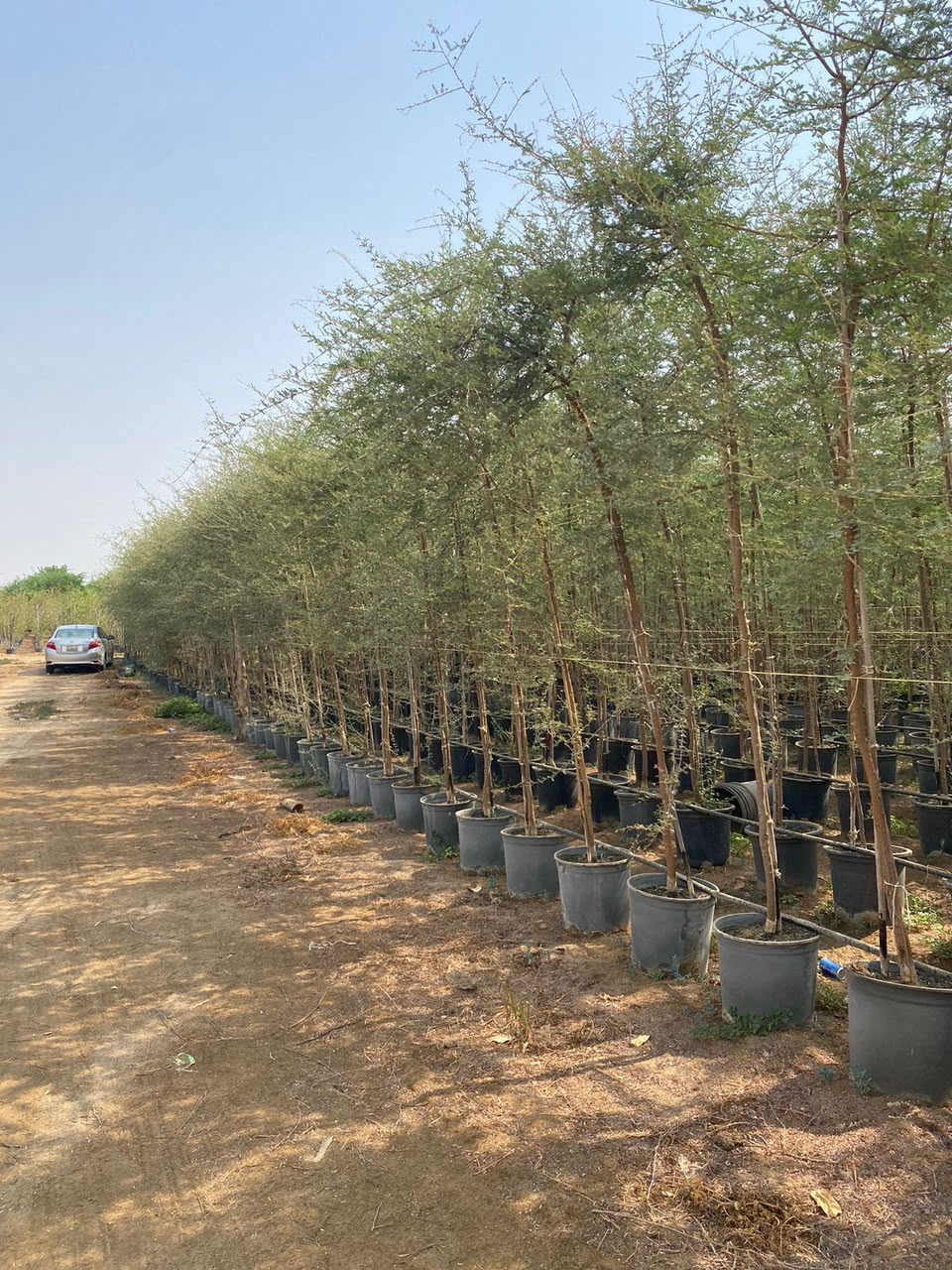
| Protection Method | Potential Benefit | Important Limitation |
|---|---|---|
| Breathable frost covers | May reduce heat loss around susceptible plants | Requires suitable installation and ventilation |
| Organic mulch | Helps moderate root-zone temperature fluctuations | Does not protect all exposed above-ground tissues |
| Sheltered plant placement | May reduce exposure to cold winds | Depends on the actual site microclimate |
| Appropriate soil moisture | Supports plant hydration and soil thermal properties | Excess irrigation may create root problems |
| Container relocation | Allows movable sensitive plants to receive temporary shelter | Requires adequate light, ventilation, and safe handling |
| Species selection | Reduces dependence on repeated seasonal protection | Requires accurate assessment of species suitability |
How Can Mulch Protect Tree Roots During Winter?
What is organic mulch?
Organic mulch is a layer of suitable biodegradable material placed over the soil surface to support moisture management and moderate changes in soil conditions.
Common materials may include appropriately sourced wood chips, bark, and other suitable organic landscaping products.
Does mulch prevent tree roots from becoming too cold?
Mulch can help moderate soil temperature fluctuations and reduce rapid changes in moisture conditions around the root zone.
Its effectiveness depends on material characteristics, coverage, soil conditions, and the severity and duration of cold exposure.
How much mulch should I apply around garden trees?
Mulch depth should be selected according to the material, soil drainage, tree requirements, and local horticultural recommendations.
A moderate layer is generally preferable to excessively deep applications that may interfere with soil aeration or retain inappropriate moisture levels.
Should mulch touch the tree trunk?
No. Maintain suitable clearance around the trunk and root flare to avoid trapping excessive moisture against sensitive bark tissues.
Do not pile mulch into a mound directly against the trunk.
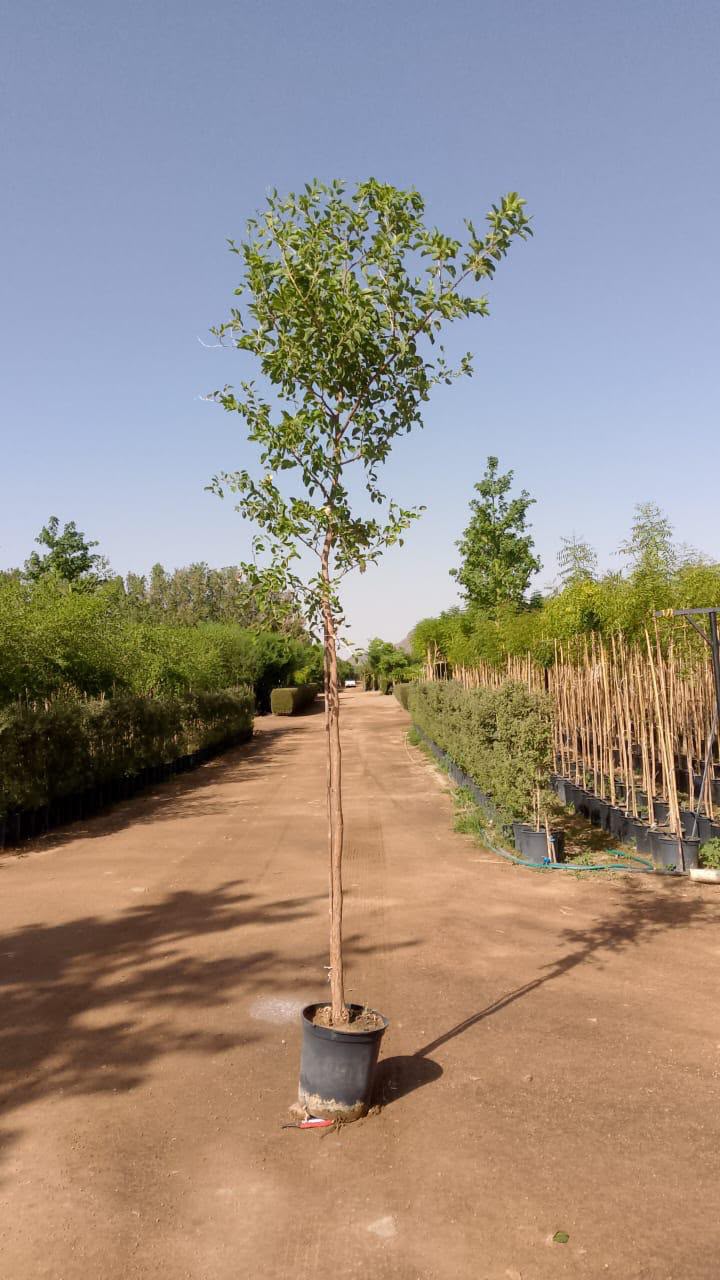
What are trees?
How do trees respond to seasonal temperature changes?
Trees are perennial woody plants that typically develop persistent stems, branches, and root systems capable of supporting growth over multiple seasons.
Different tree species respond to seasonal changes through mechanisms such as reduced growth, altered metabolic activity, leaf shedding, and varying degrees of cold acclimatization.
What is winter dormancy in trees?
Winter dormancy is a seasonal state of reduced growth activity found in many tree species.
Its development and duration depend on species characteristics, temperature, daylight patterns, and other environmental factors.
Do all trees become dormant during winter?
No. Seasonal growth behavior varies significantly between species.
Some trees enter pronounced dormancy, while others continue limited physiological activity or remain susceptible to unfavorable cold conditions.
What are the benefits of palm trees?
Why are palm trees valuable in Saudi landscaping?
Palm trees provide distinctive architectural forms, cultural significance, landscape identity, and visual structure in residential, commercial, and public landscaping projects.
Some species, particularly date palms, also provide agricultural value through fruit production.
Are date palms resistant to winter cold?
Established date palms can tolerate certain cool conditions, but their cold tolerance depends on cultivar, age, health, acclimatization, and exposure severity.
Young palms and recently transplanted specimens may require additional attention when unfavorable cold conditions are expected.
Which parts of a palm tree are vulnerable to cold damage?
Depending on the severity of exposure, cold injury may affect fronds, emerging leaves, and sensitive growing tissues.
Damage to the growing point can be particularly serious for single-stemmed palms because their growth depends on that central structure.
Should palm fronds be removed immediately after frost?
Do not automatically remove all discolored fronds immediately after a cold event.
Some tissues may remain functional, and premature removal may create additional stress. Obtain appropriate assessment before undertaking significant maintenance work.
What are the benefits of Washingtonia palms?
Why are Washingtonia palms popular in Riyadh landscapes?
Washingtonia palms are used in many landscaping applications because of their distinctive fan-shaped leaves, upright appearance, and suitability for selected urban landscape designs.
They can provide strong vertical accents along streets, entrances, courtyards, and commercial properties when appropriate site conditions are available.
Can Washingtonia palms tolerate cold winters?
Cold tolerance varies between Washingtonia species, hybrids, individual specimens, and growing conditions.
Washingtonia filifera is generally considered more cold-tolerant than Washingtonia robusta, although individual performance depends on several environmental and biological factors.
Do newly planted Washingtonia palms need winter protection?
Newly transplanted Washingtonia palms may require additional monitoring while their root systems establish.
Appropriate irrigation, suitable planting conditions, and species-specific cold protection may be necessary depending on the location and forecast conditions.
How should I assess a Washingtonia palm after cold exposure?
Inspect visible fronds and emerging growth from a safe position, and arrange specialist assessment if there are signs of significant crown damage or declining plant health.
Avoid climbing palms or attempting hazardous crown maintenance without qualified personnel and appropriate equipment.
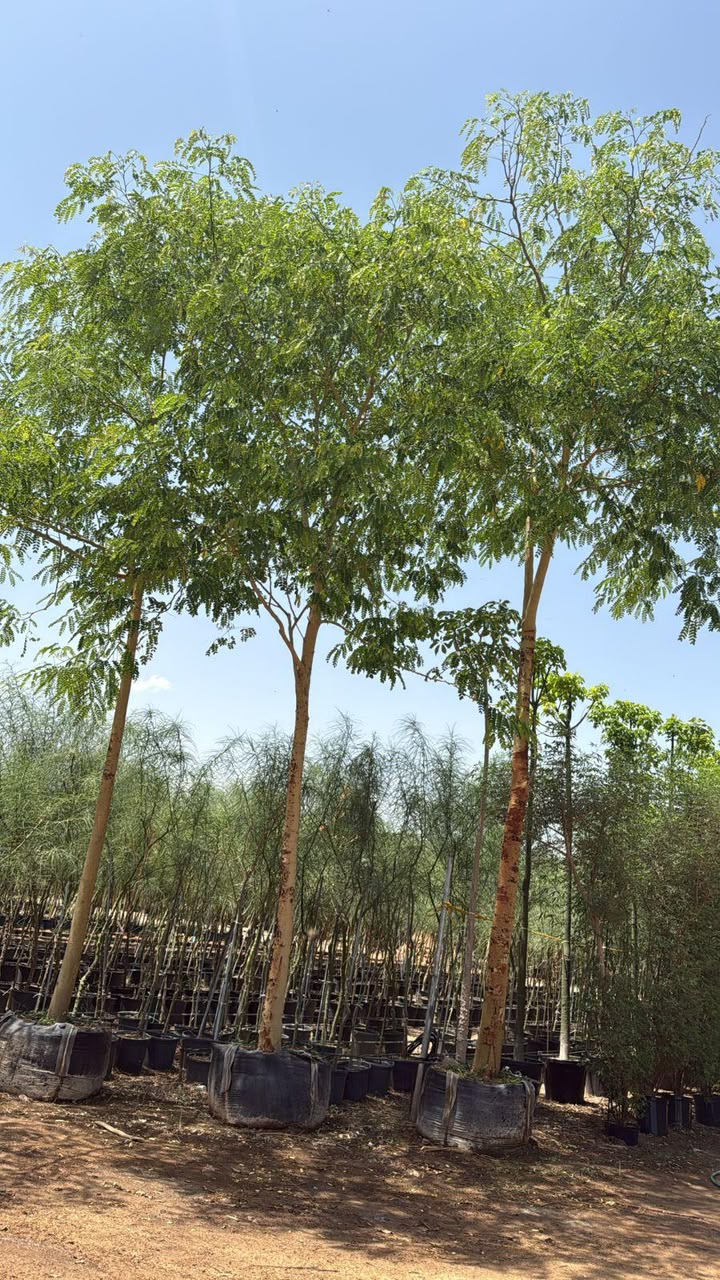
| Tree or Palm Type | General Winter Consideration | Recommended Care Priority |
|---|---|---|
| Date palm | Cold tolerance varies by cultivar and establishment condition | Monitor young specimens and crown health |
| Washingtonia filifera | Generally more cold-tolerant than Washingtonia robusta | Maintain appropriate drainage and establishment care |
| Washingtonia robusta | May be more vulnerable under severe cold conditions | Evaluate exposed locations and young specimens |
| Ficus species | Cold sensitivity varies considerably by species | Identify the specific species before selecting protection |
| Citrus trees | Susceptibility varies by species, cultivar, and tissue condition | Protect vulnerable young growth where appropriate |
| Locally adapted woody species | May tolerate regional conditions when appropriately selected | Verify site suitability and actual species characteristics |
Where are trees planted?
Where should cold-sensitive trees be planted in Riyadh gardens?
Cold-sensitive trees should be placed in locations that provide suitable growing conditions and, where appropriate, greater protection from unfavorable winter microclimates.
Sheltered courtyards and locations near suitable architectural features may provide different environmental conditions from exposed open areas.
Can garden walls protect trees from winter cold?
Garden walls may influence wind exposure and local temperature conditions, depending on their orientation, materials, dimensions, and surrounding layout.
However, walls do not guarantee protection from frost and may also create undesirable shade or airflow conditions if planting locations are selected incorrectly.
Are low-lying garden areas more vulnerable to frost?
Under some weather conditions, colder air can accumulate in low-lying or poorly ventilated locations.
These frost-prone microclimates should be considered when selecting planting positions for sensitive trees.
Should I plant trees directly against buildings for winter protection?
No. Building proximity must be evaluated according to mature tree size, root development, sunlight requirements, maintenance access, and potential conflicts with structures and underground services.
Seasonal protection should not override essential long-term planting requirements.
How are they planted?
How should trees be planted to improve winter establishment?
Plant trees at an appropriate depth, preserve the correct root flare position, provide suitable soil conditions and drainage, and establish an irrigation plan based on the species and planting environment.
A healthy establishment process is important for long-term tree resilience across different seasons.
Can trees be planted during winter in Riyadh?
Winter planting may be suitable for some species and project conditions, but the appropriate timing depends on plant characteristics, forecast temperatures, soil conditions, transplant requirements, and available aftercare.
Avoid planting particularly sensitive specimens immediately before unfavorable cold conditions unless suitable protection and establishment arrangements are available.
Should tree planting pits contain large amounts of organic material?
Soil amendments should be determined according to existing soil conditions and the selected tree's requirements.
Excessive or inappropriate amendments within isolated planting pits may create drainage or root development problems in some situations.
How do I protect newly planted trees after installation?
Monitor soil moisture, root-zone conditions, tree stability, and visible plant health. Provide appropriate temporary protection when forecast conditions exceed the tolerance of the newly installed specimens.
How Often Should I Water Garden Trees During Winter?
Do garden trees need less irrigation during winter?
Many garden trees require less irrigation during cooler periods because evaporation and plant water demand may decrease.
However, actual water requirements depend on species, soil characteristics, weather conditions, root development, rainfall, and irrigation efficiency.
Should I completely stop watering trees during winter?
No. Trees may continue to require water during winter, particularly in dry climates and during establishment.
Stopping irrigation without evaluating root-zone moisture can expose trees to avoidable drought stress.
When is a suitable time to irrigate during cold weather?
Irrigate according to plant needs and actual soil moisture conditions, selecting times that allow appropriate infiltration and minimize unnecessary exposure to unfavorable conditions.
Daytime irrigation may be practical during cold periods, depending on the local weather and irrigation system.
Should I water trees before an expected frost?
Appropriately moist soil can retain and transfer heat differently from very dry soil, which may provide some benefit under certain frost conditions.
However, irrigation should not create waterlogged soil or wet vulnerable foliage immediately before freezing conditions without a specifically designed and professionally managed frost-protection system.
| Winter Irrigation Condition | Possible Risk | Recommended Response |
|---|---|---|
| Persistently dry root zone | Drought stress and poor establishment | Evaluate irrigation frequency and distribution |
| Continuously saturated soil | Reduced root aeration and potential root problems | Review irrigation scheduling and drainage |
| Recently planted trees | Uneven moisture within the original root ball | Monitor the root ball and surrounding soil |
| Container-grown trees | Rapid changes in root-zone moisture and temperature | Check substrate moisture and container drainage |
| Established drought-tolerant trees | Unnecessary irrigation if summer schedules remain unchanged | Adjust watering according to seasonal demand |
| Rainfall during winter | Additional irrigation may exceed plant requirements | Review moisture conditions before operating the irrigation system |
Should I Fertilize Garden Trees During Winter?
Can nitrogen fertilizer increase vulnerability to cold damage?
Excessive or poorly timed nitrogen fertilization may encourage susceptible new growth in certain species, potentially increasing vulnerability to unfavorable cold conditions.
Fertilization should follow species requirements, soil analysis, plant health assessment, and seasonal growth behavior.
Should I apply fertilizer immediately after frost damage?
Do not automatically apply fertilizer immediately after a cold event.
First assess the extent of damage, root-zone conditions, plant health, and recovery potential. Fertilization should address an identified nutritional requirement rather than act as a general treatment for damaged tissues.
Can fertilizer restore dead branches?
No. Fertilizer cannot restore plant tissues that have died due to freezing or other damage.
Recovery depends on surviving tissues, functioning roots, environmental conditions, and the plant's natural capacity to produce new growth.
How Do I Protect Container-Grown Trees During Winter?
Why are trees in containers vulnerable to cold temperatures?
Container-grown trees may experience greater root-zone temperature fluctuations because their growing medium is separated from the insulating effect of surrounding ground soil.
Container dimensions, materials, exposure, substrate moisture, and plant species influence their actual vulnerability.
Should I move potted trees to sheltered areas?
Moving cold-sensitive, transportable plants to suitable sheltered locations may reduce exposure to unfavorable environmental conditions.
The alternative location should provide appropriate light, airflow, temperature conditions, and safe access.
Can containers be insulated during winter?
Suitable container insulation may help moderate temperature fluctuations around the root zone.
Any protective arrangement should preserve drainage, prevent excessive moisture accumulation, and remain appropriate for the specific plant and container system.
Should all potted trees be moved indoors?
No. Some species tolerate outdoor winter conditions, while indoor environments may provide insufficient light or unsuitable temperature and humidity conditions.
Relocation should be based on the actual needs of each plant.
What Are the Signs of Cold Damage in Garden Trees?
Why do tree leaves turn brown after a cold night?
Browning may result from injury to leaf tissues caused by cold exposure, but similar symptoms can also develop from water stress, nutrient problems, salinity, pests, or other environmental factors.
Diagnosis should consider recent weather conditions and the overall pattern of symptoms.
Can frost damage cause branches to die?
Yes. Severe cold exposure may damage buds, shoots, branches, or other sensitive tissues.
The full extent of damage may not become apparent immediately, particularly when affected trees are experiencing reduced seasonal growth.
What symptoms suggest a tree requires professional assessment?
Significant branch dieback, widespread tissue discoloration, structural damage, declining crown condition, and abnormal emerging growth may justify professional evaluation.
Prompt assessment is especially important when large damaged branches could create hazards around buildings, vehicles, pathways, or occupied areas.
| Visible Symptom | Possible Explanation | Appropriate Next Action |
|---|---|---|
| Brown leaf margins | Cold injury, moisture stress, salinity, or other causes | Review recent weather and root-zone conditions |
| Dark or wilted young leaves | Possible cold-related tissue damage | Monitor progression and protect remaining healthy growth |
| Unexpected leaf shedding | Seasonal behavior or environmental stress | Identify normal behavior for the species |
| Damaged shoot tips | Possible injury to recently developed tissues | Allow assessment before significant corrective work |
| Branch dieback | Cold injury or another underlying health problem | Arrange suitable tree health evaluation |
| Damaged palm crown | Potential injury to emerging leaves or growing tissues | Request specialist palm assessment |
How Do I Help Garden Trees Recover After Frost Damage?
Should I remove damaged branches immediately?
Nonhazardous cold-damaged growth should generally be assessed before major removal because the boundary between living and dead tissues may take time to become clear.
Hazardous broken or unstable branches require prompt attention from qualified tree care professionals.
Can damaged trees produce new growth after winter?
Yes, some trees can recover when sufficient healthy roots, stems, buds, and growing tissues survive the cold event.
Recovery potential varies considerably by species and the extent of injury.
Should I increase irrigation to encourage recovery?
Do not increase irrigation automatically. Damaged plants may have altered water requirements, and excessive watering can create additional root-zone problems.
Adjust irrigation based on actual soil moisture, root health, species requirements, and environmental conditions.
When should a severely damaged tree be replaced?
Replacement may be appropriate when professional assessment identifies irreversible damage, unacceptable structural risks, or a very limited prospect of successful recovery.
For recurring cold-related failures, consider replacing unsuitable species with alternatives better adapted to the site's environmental conditions.
What are the types of trees, how, when and why?
What types of trees can be considered for Riyadh landscaping?
Landscaping projects may include shade trees, ornamental trees, fruit trees, evergreen species, deciduous species, and palms.
Species selection should account for summer heat, winter conditions, water requirements, soil characteristics, mature dimensions, maintenance needs, and the intended landscape function.
How should trees be selected for year-round performance?
Evaluate each species against the actual environmental conditions of the project, rather than selecting plants solely according to appearance.
Review both summer heat tolerance and winter cold tolerance, together with irrigation compatibility and local soil conditions.
When should different tree species be planted?
Planting timing depends on species requirements, seasonal conditions, availability of suitable nursery stock, transplant complexity, and the ability to provide reliable aftercare.
Choose conditions that minimize establishment stress for the particular tree rather than assuming one planting season is suitable for every species.
Why is species selection important for winter landscaping?
Species selection influences the amount of seasonal maintenance, irrigation management, and temporary environmental protection a landscape may require.
Choosing suitable trees from the beginning can help reduce recurring cold-related damage and avoid unnecessary replacement costs.
| Landscape Tree Category | Primary Landscaping Purpose | Seasonal Selection Priority |
|---|---|---|
| Shade trees | Provide canopy coverage and environmental comfort | Evaluate mature size and tolerance of seasonal extremes |
| Ornamental flowering trees | Provide visual interest and seasonal flowering | Review sensitivity of buds and new growth |
| Evergreen trees | Maintain year-round landscape structure | Verify actual species-specific cold tolerance |
| Deciduous trees | Provide seasonal foliage and changing visual character | Understand normal dormancy and leaf-shedding behavior |
| Fruit trees | Support edible landscaping and fruit production | Review cultivar requirements and flowering sensitivity |
| Palms | Provide vertical landscape accents and regional identity | Evaluate species tolerance, root establishment, and crown health |
What is the lifespan of trees in years?
How many years can landscape trees live?
Tree lifespans vary widely according to species and growing conditions. Some short-lived ornamental species may live for several decades, while suitable long-lived trees may survive for a century or considerably longer.
These broad biological possibilities are not guaranteed lifespans for individual specimens in Riyadh landscapes.
Can repeated cold damage shorten a tree's lifespan?
Yes. Repeated environmental stress may weaken susceptible trees, reduce healthy growth, and contribute to premature decline, particularly when combined with unsuitable irrigation or planting conditions.
How can appropriate winter maintenance support tree longevity?
Species-appropriate protection, suitable root-zone moisture, timely health assessment, and avoidance of unnecessary interventions can help maintain plant health throughout seasonal changes.
Long-term performance also depends on summer care, soil suitability, pest management, structural condition, and establishment quality.
How much does planting cost?
How much does tree planting cost in Riyadh?
Tree planting costs depend on species, specimen size, nursery availability, transportation requirements, site preparation, planting complexity, irrigation arrangements, and required establishment care.
There is no universal planting price suitable for every residential, commercial, or agricultural project.
Does winter protection increase landscaping project costs?
Additional protection materials, site assessments, specialized maintenance, and temporary environmental arrangements may influence project costs when these services are required.
Appropriate species selection can help reduce dependence on repeated protection measures in future seasons.
What information is needed for a winter landscaping quotation?
Provide the property location, garden dimensions, existing tree species, approximate specimen sizes, irrigation system information, photographs, and any observed cold-related damage.
For new planting projects, include the intended landscape design and desired tree functions so the quotation can reflect the actual project requirements.
What Winter Tree Care Mistakes Should I Avoid?
Is it a mistake to maintain the same irrigation schedule throughout the year?
Yes, when seasonal water requirements change substantially.
Irrigation should respond to actual plant demand, soil moisture, rainfall, and environmental conditions rather than remain fixed regardless of the season.
Can excessive protection harm garden trees?
Yes. Inappropriate covering materials, excessive mulch, insufficient ventilation, and unnecessary environmental modifications may create additional plant health problems.
Protection should address a specific risk without introducing unsuitable growing conditions.
What are the most common winter tree maintenance mistakes?
- Assuming that all trees tolerate the same minimum temperatures.
- Ignoring cold-sensitive species before winter arrives.
- Failing to monitor recently planted trees.
- Using unsuitable plastic coverings directly against foliage.
- Leaving temporary frost covers in place without appropriate ventilation.
- Piling mulch directly against tree trunks.
- Maintaining excessive summer irrigation schedules during winter.
- Stopping irrigation without checking root-zone moisture.
- Applying unnecessary nitrogen fertilizer before unfavorable cold conditions.
- Removing nonhazardous damaged branches before assessing tissue survival.
- Assuming seasonal leaf shedding always indicates disease.
- Ignoring the additional vulnerability of container-grown trees.
- Replacing trees before evaluating their recovery potential.
- Failing to consider both summer and winter conditions during species selection.
What Should a Winter Garden Tree Care Checklist Include?
How should I prepare my Riyadh garden before winter?
- Identify all existing tree and palm species.
- Review species-specific cold tolerance.
- Identify newly planted and vulnerable specimens.
- Assess exposed garden locations and sheltered microclimates.
- Review local weather forecasts and cold-weather warnings.
- Inspect soil moisture around vulnerable trees.
- Adjust irrigation schedules according to seasonal demand.
- Check irrigation system operation and drainage.
- Apply suitable organic mulch where appropriate.
- Maintain clearance between mulch and tree trunks.
- Prepare breathable frost covers for susceptible plants.
- Identify suitable temporary shelter for movable container plants.
- Review seasonal fertilization requirements.
- Monitor tree health after unusually cold conditions.
- Arrange professional assessment of significant damage.
- Plan replacement species carefully when recurring cold injury occurs.
Should I inspect my garden after every unusually cold period?
Additional inspections following unfavorable cold conditions can help identify emerging symptoms, damaged branches, irrigation problems, and changes in the condition of susceptible trees.
Document observations consistently so that changes in plant health can be evaluated over time.
What Are the Frequently Asked Questions About Winter Tree Care?
1. How do I protect garden trees from winter cold in Riyadh?
Identify vulnerable species, maintain suitable soil moisture, apply appropriate mulch, prepare breathable frost protection when needed, and monitor trees following unfavorable cold conditions.
2. Can trees freeze during winter in Saudi Arabia?
Susceptible plant tissues may experience freezing injury when local conditions fall below their tolerance. Some sensitive species can also experience chilling injury above freezing.
3. Should I water my garden trees every day during winter?
Not necessarily. Watering frequency should depend on species requirements, soil moisture, weather conditions, tree establishment, and irrigation efficiency.
4. Does organic mulch protect trees from frost?
Mulch may help moderate root-zone temperature fluctuations, but it does not provide complete protection for exposed branches, leaves, or other sensitive above-ground tissues.
5. Are Washingtonia palms sensitive to winter cold?
Cold tolerance varies between Washingtonia species and individual growing conditions. Young, stressed, or recently transplanted palms may require additional attention.
6. Should I cover all garden trees during cold weather?
No. Covering should be prioritized for species and specimens requiring additional protection under the forecast conditions. Established cold-tolerant trees may not need temporary covers.
7. Can I use ordinary plastic bags to protect young trees?
Purpose-designed horticultural frost protection is generally more appropriate. Unsuitable plastic coverings may create moisture, temperature, and direct-contact problems.
8. Will frost-damaged trees recover naturally?
Some trees can recover when sufficient living tissues and functioning roots survive. Recovery depends on species characteristics, damage severity, and subsequent growing conditions.
9. Should I fertilize trees immediately after winter damage?
No. Assess plant health and nutritional requirements before applying fertilizer. Fertilizer cannot restore tissues that have already died.
10. How do I find professional winter landscaping services in Riyadh?
Contact a landscaping specialist with information about your garden, tree species, irrigation arrangements, observed damage, and required maintenance or planting services.
How Can Rayat Najd Landscaping Help Protect My Garden During Winter?
Can Rayat Najd assess the seasonal requirements of garden trees?
Rayat Najd Landscaping can discuss the requirements of existing or planned landscaping projects, including tree selection, planting conditions, irrigation arrangements, and seasonal garden care considerations.
The appropriate scope should reflect the actual species, site conditions, and requirements of the property owner.
What landscaping services should I consider before winter?
Depending on the project, relevant services may include tree health assessment, appropriate species selection, irrigation system review, planting preparation, root-zone management, and suitable seasonal protection arrangements.
What information should I send to Rayat Najd Landscaping?
- Property location in Riyadh or elsewhere in Saudi Arabia.
- Approximate garden dimensions.
- Photographs of existing trees and palms.
- Known tree species and approximate ages.
- Information about recently planted trees.
- Details of the existing irrigation system.
- Photographs of suspected cold-related damage.
- Information about exposed and sheltered planting locations.
- Required landscaping, planting, or maintenance services.
- Any planned garden development or tree replacement requirements.
How do I request a professional landscaping quotation?
Contact Rayat Najd Landscaping to discuss your garden requirements, identify suitable landscaping and irrigation solutions, and request a quotation based on the actual scope and conditions of your project.
Conclusion: Protecting garden trees from winter cold in Riyadh requires an understanding of species-specific tolerance, seasonal irrigation needs, root-zone conditions, and local garden microclimates. Suitable frost protection, appropriate organic mulch, careful moisture management, and informed recovery decisions can help reduce avoidable cold-related damage. Selecting trees that are compatible with both Saudi summer heat and winter conditions remains one of the most important foundations of sustainable, healthy landscaping.