




To choose fencing for plant nurseries in Saudi Arabia, select a durable mesh system that protects valuable plant inventory, maintains suitable airflow, and supports controlled customer and delivery access. Consider the nursery layout, irrigation infrastructure, shade structures, operational requirements, and local environmental conditions before determining the appropriate fence design, height, post spacing, and installation method.
Commercial plant nurseries and garden centers contain valuable living inventory that requires careful management throughout storage, cultivation, display, and transportation.
Unlike conventional storage facilities, plant nurseries must balance perimeter protection with environmental requirements, including ventilation, natural light, irrigation access, and the movement of plants and equipment.
A well-planned fencing system helps nursery operators establish clear boundaries, organize commercial activities, and reduce unauthorized access without unnecessarily interfering with daily operations.
Shobok Rayat Najd provides professional fencing solutions for different project requirements, including commercial properties and outdoor facilities that require durable, appropriately designed perimeter protection.
 Call Now
 WhatsApp
Why Do Commercial Plant Nurseries Need Professional Fencing?
What is the main purpose of plant nursery fencing?
The main purpose is to establish controlled boundaries around valuable plant inventory while supporting the nursery's daily commercial and cultivation activities.
Professional fencing can help distinguish public shopping areas, restricted propagation zones, delivery spaces, and operational sections within a nursery.
Why is plant nursery fencing different from ordinary property fencing?
Plant nursery fencing must accommodate living inventory and environmental requirements that may not apply to ordinary commercial properties.
Plants require appropriate light exposure, irrigation, airflow, and protection from unsuitable environmental conditions. The fencing system should support these requirements rather than interfere with them.
Can fencing improve the organization of a commercial nursery?
Yes. Strategically positioned fencing can define customer routes, separate wholesale inventory from retail displays, and establish controlled access to cultivation and preparation areas.
Improved spatial organization may also support inventory management and reduce unnecessary movement through restricted sections.
| Nursery Area | Primary Fencing Objective | Important Design Consideration |
|---|---|---|
| External property boundary | Establish controlled perimeter access | Security requirements and site conditions |
| Retail plant displays | Organize customer movement | Visibility and accessible circulation |
| Wholesale inventory areas | Limit unauthorized handling | Delivery and equipment access |
| Propagation areas | Restrict unnecessary entry | Environmental and hygiene requirements |
| Plant preparation zones | Separate operational activities | Convenient staff and equipment movement |
| Commercial entrances | Manage authorized access | Customer and delivery requirements |
How Do I Choose Plant Nursery Fencing in Saudi Arabia?
What should I evaluate before selecting a nursery fence?
Evaluate the nursery layout, inventory value, customer access requirements, surrounding properties, environmental conditions, existing infrastructure, and intended commercial operations.
The appropriate fencing system should address the site's actual requirements rather than relying on a standard design intended for unrelated applications.
Should a nursery have one fencing system or several different systems?
A nursery may benefit from different fencing specifications for different functions, provided all systems are compatible with the overall site design.
External perimeter protection may require a more restrictive design, while internal retail partitions may prioritize visibility and convenient customer movement.
Should I choose fencing before designing the nursery layout?
Fencing should ideally be considered during nursery layout planning, allowing boundaries and entrances to be coordinated with irrigation networks, shade structures, customer pathways, and equipment routes.
Installing fencing without reviewing the broader operational layout can result in unnecessary modifications later.
What Are the Strongest Types of Fences?
Is welded steel mesh suitable for commercial plant nurseries?
Welded steel mesh can be suitable for commercial nurseries when the panel design, connection system, supporting structure, and installation meet the project's requirements.
Rigid welded panels may provide a consistent appearance and clearly defined boundaries while maintaining visibility and airflow.
Can chain-link fencing be used around plant nurseries?
Chain-link fencing may be suitable for extensive nursery boundaries where a mesh enclosure is required and the selected system satisfies the site's protection and operational requirements.
Its suitability depends on the complete fence design, including supporting posts, connections, access points, and installation conditions.
Is a solid metal fence better than a mesh fence for nurseries?
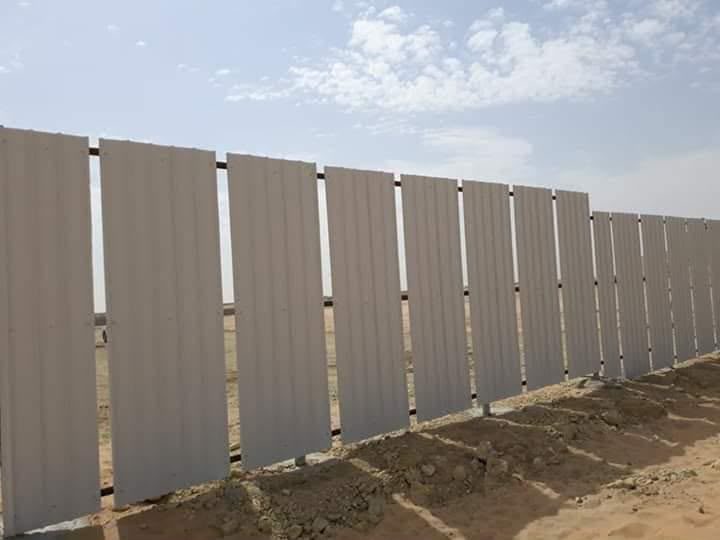
Not necessarily. Solid fencing may provide additional visual screening, while mesh fencing generally allows more airflow and visibility.
The appropriate choice depends on the nursery's environmental requirements, security objectives, neighboring properties, and engineering considerations.
| Fence Type | Potential Nursery Application | Main Consideration |
|---|---|---|
| Rigid welded mesh panels | Commercial nursery boundaries and retail sections | Panel design, connections, and structural suitability |
| Chain-link mesh fencing | Extensive outdoor nursery boundaries | Complete system specifications and access requirements |
| Small-aperture security mesh | Restricted areas containing valuable inventory | Protection requirements and visibility |
| Decorative metal fencing | Customer-facing garden center entrances | Appearance, safety, and practical access |
| Solid fencing systems | Selected sections requiring visual screening | Airflow, shading, and structural loads |
| Combined fencing systems | Nurseries with multiple operational functions | Compatibility between different fence sections |
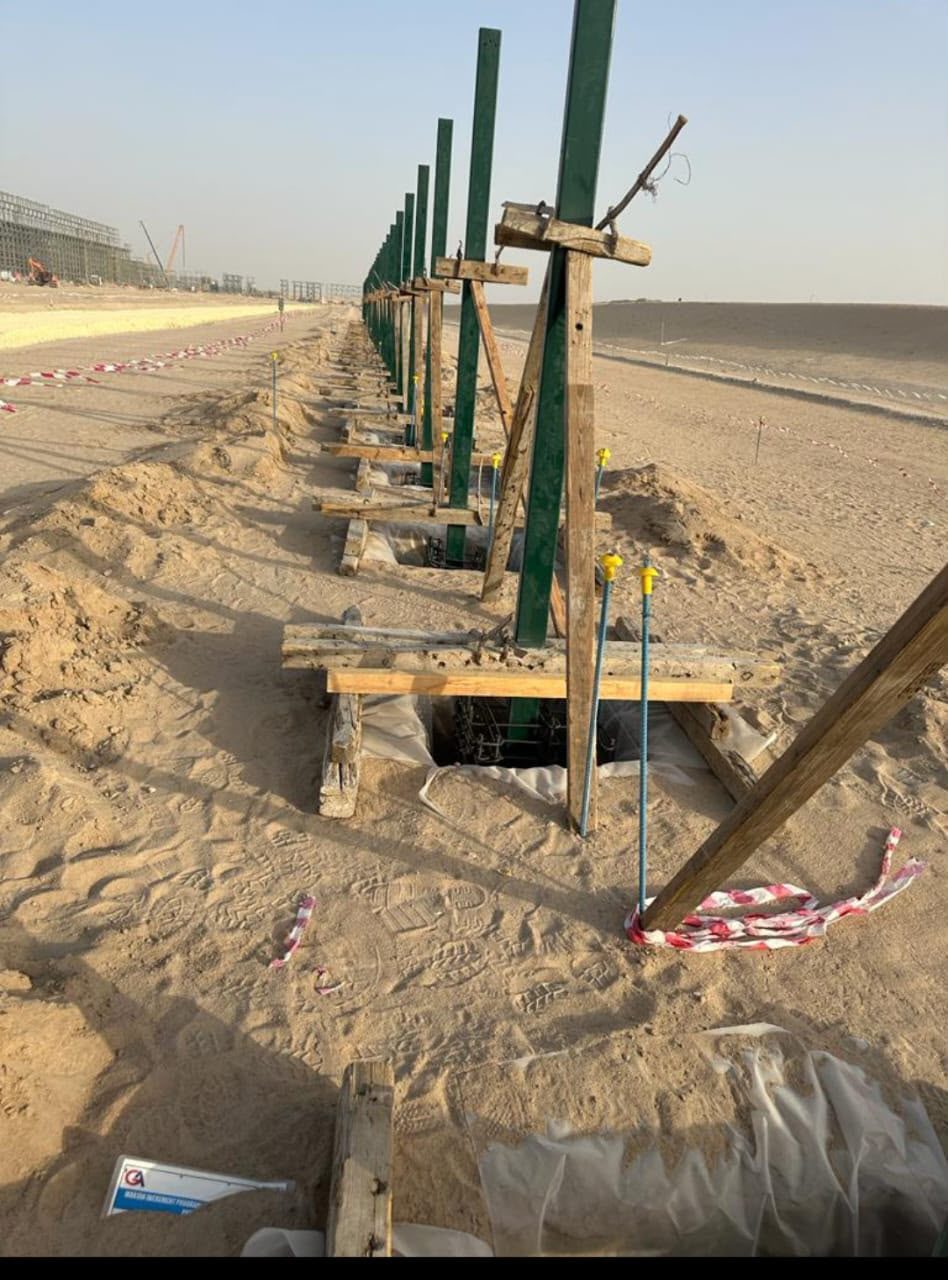
Fence strength cannot be determined from the material name alone. The complete design, supporting structure, connections, and installation quality determine how the system performs under its intended conditions.
How Can Fencing Protect Valuable Plant Inventory?
Can a perimeter fence help reduce unauthorized access to plants?
Yes. A suitable perimeter fence can establish a physical boundary that helps limit unauthorized entry and supports the nursery's broader security arrangements.
However, no fencing system guarantees complete protection against theft or unauthorized access. Appropriate access management and monitoring remain important.
Should expensive trees be kept in a separately fenced area?
A separate controlled area may be useful for valuable mature trees, specialized ornamental plants, reserved orders, and inventory requiring restricted handling.
The additional enclosure should preserve suitable growing conditions and allow authorized staff to perform watering, inspection, preparation, and transportation activities.
Can fencing reduce accidental damage to plant displays?
Internal fencing can help direct customer movement and limit access to areas containing fragile plants or inventory requiring special handling.
Its design should remain compatible with customer safety, accessibility, and the nursery's commercial presentation.
How Do I Organize Wholesale and Retail Nursery Areas?
Should wholesale plants be separated from retail displays?
Separating wholesale inventory from retail displays may improve operational organization, particularly when the nursery handles large orders and individual customer purchases simultaneously.
Dedicated sections can reduce unnecessary handling and help staff distinguish stock intended for different commercial purposes.
How can fencing support reserved plant orders?
A designated, controlled section can be used to organize plants reserved for landscaping contractors, commercial customers, or scheduled deliveries.
Clearly identified access arrangements help authorized employees manage these orders without mixing them with general retail inventory.
Can internal fencing help organize seasonal plant collections?
Yes. Internal barriers can help distinguish seasonal collections, newly received plants, and inventory awaiting preparation when such separation supports the nursery's operations.
Permanent barriers should be planned carefully to avoid restricting future changes to the nursery layout.
| Inventory Section | Reason for Separation | Recommended Planning Priority |
|---|---|---|
| Retail-ready plants | Convenient customer browsing | Visibility and accessible pathways |
| Wholesale inventory | Management of larger commercial orders | Equipment access and organized circulation |
| Reserved customer orders | Prevent unintended sale or handling | Controlled access and clear identification |
| High-value mature trees | Limit unnecessary handling | Security and suitable plant maintenance access |
| Propagation sections | Protect sensitive cultivation processes | Restricted entry and environmental compatibility |
| Newly received inventory | Support inspection and preparation | Convenient movement from delivery areas |
How Should Nursery Fencing Accommodate Customer Access?
Should commercial nurseries have separate customer entrances?
Separate customer entrances may be beneficial when the nursery also handles deliveries, equipment movements, and wholesale operations.
The entrance arrangement should reflect the actual site layout and provide suitable circulation for authorized users.
How do I keep customer pathways clear around fences?
Coordinate the fence location with designated walking routes, product displays, accessible entrances, and emergency circulation requirements.
Fence posts, connections, and access components should not create unnecessary obstacles within customer pathways.
Can fencing improve the appearance of a garden center entrance?
Yes. Consistent fence alignment, suitable materials, coordinated finishes, and organized entrances can contribute to a professional commercial appearance.
Aesthetic decisions should not compromise structural performance, accessibility, or the site's protection requirements.
How Do I Plan Fencing Around Nursery Delivery Operations?
Should plant delivery vehicles use a dedicated access point?
A dedicated delivery access point may help separate commercial vehicle movements from customer browsing activities, depending on the available site layout.
Vehicle access should be coordinated with the nursery's receiving, preparation, and dispatch requirements.
How much space is needed for transporting mature trees?
The required clearance depends on the dimensions of the plants, transport equipment, delivery vehicles, handling methods, and approved operational routes.
Measure the actual equipment and inventory expected to pass through the area before finalizing the fence alignment and access openings.
Can fencing obstruct nursery logistics?
Yes. Poorly positioned barriers can create unnecessary handling difficulties, restricted movement, and inefficient circulation between operational areas.
Review the complete receiving-to-dispatch process before deciding where permanent fence sections should be installed.
Does Perimeter Fencing Affect Plant Nursery Ventilation?
Is mesh fencing better for maintaining airflow?
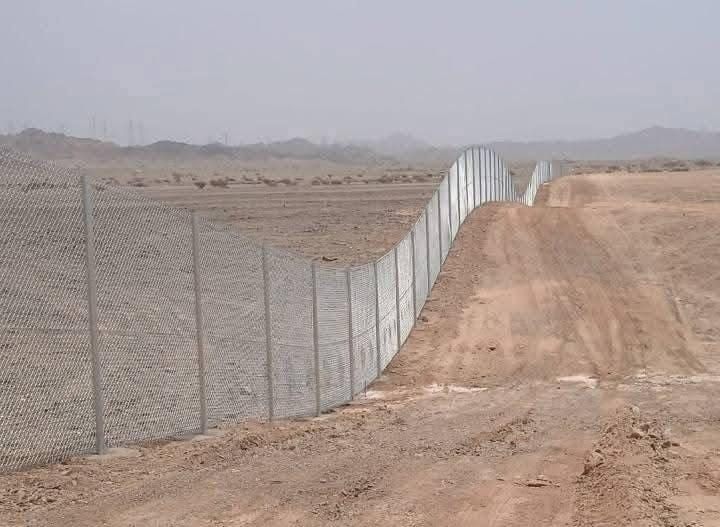
Open mesh fencing generally allows more air movement than a solid barrier of similar dimensions.
The actual effect depends on mesh geometry, fence placement, surrounding structures, vegetation, and local environmental conditions.
Can a solid perimeter fence change the nursery microclimate?
Yes. Solid barriers may influence airflow, shade patterns, turbulence, and local environmental conditions around plants.
The significance of these changes depends on the site's configuration and the growing requirements of the plants.
Does every plant species require the same airflow conditions?
No. Suitable environmental conditions differ according to species, growth stage, cultivation method, and seasonal requirements.
Nursery operators should coordinate fence design with horticultural requirements rather than assume that maximum airflow is suitable for every plant.
Should I use the perimeter fence as an agricultural shade structure?
Not unless the system has been specifically designed and assessed for that purpose.
Shade materials can introduce additional loads and affect the performance of fence panels, posts, and supporting connections.
Independent agricultural shade structures may provide a more appropriate solution when shading is required for plant cultivation.
| Environmental Requirement | Potential Fence Influence | Planning Consideration |
|---|---|---|
| Air circulation | Fence openness influences airflow | Coordinate with plant cultivation requirements |
| Natural light | Solid sections may create additional shade | Review seasonal sunlight and plant placement |
| Temperature conditions | Barriers may influence local air movement | Consider nursery microclimate requirements |
| Shade structures | Attachments may introduce additional loads | Use appropriately designed supporting systems |
| Plant maintenance | Fence placement may restrict access | Preserve suitable maintenance clearances |
| Environmental monitoring | Different sections may experience different conditions | Review actual conditions after installation |
How Do I Coordinate Nursery Fencing With Irrigation Systems?
Can fence installation interfere with underground irrigation lines?
Yes. Fence installation may conflict with underground irrigation pipes, electrical services, drainage infrastructure, and other existing utilities if their locations are not identified beforehand.
Review available site drawings and arrange appropriate utility identification before excavation or other installation activities.
Should irrigation control points remain accessible after fencing?
Yes. Authorized personnel should retain suitable access to irrigation valves, control equipment, filtration components, and other maintenance points.
Fence positioning should allow the nursery to maintain its irrigation infrastructure without unnecessary restrictions.
Can plants be watered directly against the fence?
Plant watering arrangements should account for the fence materials, drainage conditions, irrigation method, and maintenance requirements.
Avoid layouts that make inspection difficult or introduce avoidable water accumulation around structural components.
What Distance Is Required Between Fence Posts?
Is there a standard distance between nursery fence posts?
No universal post spacing is suitable for every plant nursery fencing project.
The required spacing depends on the selected fence system, panel dimensions, structural loads, supporting conditions, and manufacturer or engineering specifications.
Should fence post spacing change around nursery entrances?
Entrance locations may require different structural arrangements because access components and nearby fence sections can introduce different design requirements.
These details should be established within the approved project design.
How much clearance should I leave between plants and the fence?
Plant clearance should be determined according to expected mature plant dimensions, container sizes, maintenance access, irrigation arrangements, and handling requirements.
Allowing appropriate separation can make it easier to inspect the fence and manage plant inventory without unnecessary interference.
What Is the Security Height for Fences?
How high should a commercial plant nursery fence be?
Appropriate fence height depends on perimeter protection requirements, surrounding land use, inventory value, operational considerations, and applicable project requirements.
External boundaries and internal nursery partitions may require different specifications.
Does a taller fence always provide better protection?
No. Fence height is only one component of the overall protection system.
Panel configuration, access management, connections, surrounding objects, maintenance condition, and other security arrangements also influence performance.
Should retail garden center fencing be lower than perimeter fencing?
Internal retail fencing may prioritize organization, visibility, and customer access rather than the same protection function as the external boundary.
Its height should therefore be determined by the specific purpose of the section and applicable safety requirements.
How Do I Install Fences?
What is the first step in nursery fence installation?
Begin with a professional site assessment that identifies property boundaries, nursery operations, existing utilities, access requirements, and the proposed fence functions.
Installation should proceed only after the necessary design details and project requirements have been established.
How should fencing be installed around an operating nursery?
Plan the installation in coordination with nursery management to protect plants, maintain essential irrigation services, and control access to active work areas.
Phased installation may be appropriate when the nursery must remain operational during construction.
Can nursery fencing be installed without moving existing plants?
It may be possible in some sections, depending on the available working space, installation equipment, plant locations, and safety requirements.
Temporary relocation may be necessary where plants obstruct safe installation or where construction activities could damage them.
How do I protect nursery inventory during installation?
Establish approved work zones, coordinate material handling routes, protect sensitive inventory, and maintain access to essential plant maintenance services.
Installation personnel should follow appropriate site safety arrangements and avoid unnecessary contact with plant stock and cultivation equipment.
Can Nursery Fencing Support Plant Hygiene Procedures?
Can fencing help control access to propagation areas?
Yes. Physical separation can support restricted access policies for areas containing seedlings, cuttings, or other sensitive plant material.
However, fencing alone does not prevent the spread of plant pests or diseases.
Should newly received plants be placed in a separate section?
Nursery managers may designate separate inspection or holding areas for incoming plants according to their operational and plant health procedures.
These areas should be designed with appropriate access, monitoring, environmental conditions, and horticultural guidance.
Can ordinary mesh fencing prevent insects from entering nursery areas?
No. Ordinary perimeter mesh is not designed to function as insect-proof screening.
Specialized horticultural screening or protected cultivation structures may be necessary when pest exclusion is a specific requirement.
Such systems should be selected according to the relevant pest, crop, ventilation needs, and cultivation conditions.
| Protection Requirement | Suitable General Approach | Important Limitation |
|---|---|---|
| Unauthorized human access | Appropriate perimeter fencing and access management | Fencing is only one component of security |
| Unnecessary plant handling | Controlled internal inventory sections | Requires appropriate staff and customer procedures |
| Propagation area access | Dedicated restricted boundaries | Does not independently control plant pathogens |
| Incoming plant inspection | Designated inspection or holding areas | Requires suitable plant health procedures |
| Insect exclusion | Specialized horticultural screening where appropriate | Ordinary security mesh is insufficient |
| Contamination management | Appropriate hygiene and nursery operating procedures | Cannot be achieved through fencing alone |
How Should Fencing Accommodate Future Nursery Expansion?
Should I include future expansion in the original fencing plan?
Yes, when expansion is reasonably anticipated. Reviewing potential future layout changes can help avoid unnecessary relocation or replacement of recently installed fence sections.
Consider planned cultivation areas, additional retail displays, expanded inventory capacity, and future operational routes.
Are modular fence panels useful for growing nurseries?
Modular panel systems may provide practical advantages when individual sections need maintenance, replacement, or planned reconfiguration.
Any modification should remain consistent with the system's structural design and installation requirements.
Can an existing nursery fence be extended later?
It may be possible, provided the additional sections are compatible with the existing system and the expanded project requirements.
Before extending the fence, evaluate the condition of the current installation, boundary arrangements, access requirements, and relevant engineering considerations.
How Do I Inspect Nursery Fencing Before Project Handover?
What should be checked after installation?
Review the completed fence alignment, panel condition, connections, supporting components, access arrangements, and compatibility with the approved nursery layout.
The installation should also be checked for unnecessary interference with irrigation infrastructure, customer routes, and plant maintenance areas.
Should nursery operations be tested before accepting the fence?
Yes. Practical operational checks can help identify whether the completed installation allows expected plant handling, authorized access, maintenance activities, and customer circulation.
Can visual inspection replace structural verification?
No. Visual inspection is useful but does not replace the required verification of structural design, installation compliance, and project-specific technical requirements.
| Handover Inspection Item | What to Verify | Why It Matters |
|---|---|---|
| Fence alignment | Consistency with approved boundaries and layout | Maintains intended spatial organization |
| Panel condition | Absence of installation damage or unsafe exposed components | Supports safe and reliable use |
| Connections and supports | Compliance with approved system requirements | Maintains intended structural performance |
| Customer circulation | Suitable access and unobstructed designated pathways | Supports commercial operations |
| Plant maintenance access | Suitable clearance for watering and inventory handling | Protects ongoing nursery operations |
| Irrigation infrastructure | Continued authorized access and absence of installation-related damage | Supports essential cultivation activities |
| Delivery arrangements | Compatibility with expected equipment and transport routes | Reduces avoidable operational restrictions |
How Do I Maintain Commercial Plant Nursery Fencing?
How often should nursery fencing be inspected?
Inspection frequency should reflect the selected fence system, environmental exposure, operational activity, manufacturer guidance, and nursery management requirements.
Additional inspections may be appropriate following accidental impacts, nearby construction work, or environmental events that could affect the installation.
Can growing plants interfere with fencing over time?
Yes. Expanding branches, climbing vegetation, and changes in plant placement may restrict access or introduce loads that were not included in the original fence design.
Review plant growth and maintain suitable separation according to horticultural and fencing requirements.
Should climbing plants be attached directly to security fencing?
Not automatically. Climbing vegetation may affect inspection access, structural loads, and the intended function of the fence.
Independent plant support structures may be more appropriate when the fencing system was not designed to support vegetation.
What should I do if a nursery fence section becomes damaged?
Restrict access to the affected area when necessary and arrange a suitable assessment and repair.
Avoid temporary modifications that introduce unsafe components or compromise the intended protection and structural performance of the system.
How Much Does Plant Nursery Fencing Cost in Riyadh?
Is there a standard quotation for commercial nursery fencing?
No. Nursery fencing quotations depend on the specific project scope, fence system, site layout, operational requirements, access arrangements, and installation conditions.
A meaningful quotation should identify the required system and the work included rather than assume that every nursery has identical requirements.
What information is needed to prepare a nursery fencing quotation?
Provide the project location, approximate boundary dimensions, nursery layout, proposed fence functions, existing infrastructure, access requirements, and available technical specifications.
Can installation be completed in separate operational phases?
Phased installation may be considered when required to maintain nursery operations or accommodate planned development.
The proposed phases should be coordinated with the overall fence design and the nursery's cultivation, retail, and delivery activities.
What Mistakes Should I Avoid When Fencing a Plant Nursery?
Is it a mistake to select fencing without considering plant requirements?
Yes. A fence that restricts maintenance access, introduces unsuitable shading, or interferes with irrigation and cultivation activities may create operational problems even when it provides adequate perimeter protection.
Can using the same fence specification throughout the nursery be inefficient?
It may be inefficient when different nursery sections have substantially different functions.
External boundaries, retail displays, propagation areas, and reserved inventory sections should be evaluated according to their respective requirements.
What are the most common plant nursery fencing mistakes?
- Installing fencing without reviewing the complete nursery layout.
- Ignoring underground irrigation and electrical infrastructure.
- Positioning permanent barriers across essential plant handling routes.
- Selecting solid barriers without evaluating environmental effects.
- Attaching agricultural shade materials to unsuitable fence systems.
- Providing insufficient clearance for mature plant growth.
- Failing to separate customer activities from restricted operations where necessary.
- Ignoring the movement requirements of large plant containers.
- Assuming ordinary perimeter mesh provides insect exclusion.
- Restricting access to irrigation control and maintenance points.
- Installing fencing without protecting existing plant inventory.
- Ignoring future nursery expansion requirements.
- Accepting completed work without operational and technical checks.
- Allowing vegetation to interfere with fence inspections.
- Failing to establish a suitable maintenance program.
What Should a Plant Nursery Fencing Checklist Include?
What should I confirm before requesting a fencing quotation?
- Confirm the nursery location and approved property boundaries.
- Prepare an accurate site layout.
- Identify all sections requiring external or internal fencing.
- Define the purpose of each fence section.
- Identify valuable and restricted plant inventory areas.
- Review wholesale and retail circulation requirements.
- Confirm customer entrance arrangements.
- Review commercial delivery and dispatch routes.
- Document expected plant and equipment dimensions.
- Identify existing irrigation infrastructure.
- Identify underground utilities before installation work.
- Review plant ventilation and natural light requirements.
- Coordinate fencing with existing agricultural shade structures.
- Establish suitable plant maintenance clearances.
- Evaluate future nursery expansion requirements.
- Confirm applicable project and regulatory requirements.
- Approve fence materials and system specifications.
- Review structural design and installation requirements.
- Prepare measures to protect inventory during construction.
- Define inspection, handover, and maintenance arrangements.
Who should participate in nursery fence planning?
Nursery management, operational staff, relevant horticultural specialists, fencing professionals, and engineering specialists where required should contribute to the planning process.
This coordination helps ensure that the completed fencing system serves both commercial protection and practical cultivation requirements.
What Are the Frequently Asked Questions About Plant Nursery Fencing?
1. What is the best fencing for a commercial plant nursery?
Rigid welded mesh and other suitable steel mesh systems may provide practical nursery fencing solutions when selected according to protection requirements, airflow, access, and structural conditions.
2. Is welded mesh fencing suitable for wholesale plant nurseries?
Yes, it may be suitable when the system is designed to accommodate commercial inventory protection, plant maintenance access, and operational requirements.
3. Does mesh fencing allow airflow through a nursery?
Open mesh generally allows airflow through the fence, although its actual environmental influence depends on mesh design, surrounding structures, vegetation, and local conditions.
4. Can fencing help prevent plant theft?
Fencing can help limit unauthorized access when combined with suitable access management, monitoring, and operational security procedures. It does not guarantee complete theft prevention.
5. What is the appropriate security height for nursery fencing?
The appropriate height depends on inventory protection requirements, the function of the fence, site conditions, and applicable project specifications.
6. Can nursery shade netting be attached to perimeter fencing?
Only when the fence system has been assessed and designed to accommodate the resulting loads. Independent shade structures may be more suitable for cultivation requirements.
7. Can I install fencing around an existing operating nursery?
Yes, when installation is planned to protect existing inventory, maintain essential services, and safely separate construction activities from nursery operations.
8. Does ordinary steel mesh protect plants from insects?
No. Specialized horticultural screening may be required for insect exclusion, depending on the pest and cultivation requirements.
9. Should mature trees be placed directly beside the nursery fence?
Plant placement should allow suitable clearance for expected growth, watering, inspection, transportation, and fence maintenance.
10. How do I request a plant nursery fencing quotation in Riyadh?
Provide the nursery location, site dimensions, layout, proposed fencing requirements, operational access needs, and existing infrastructure details to Shobok Rayat Najd for a project-specific discussion and quotation.
How Can Shobok Rayat Najd Help With Plant Nursery Fencing?
Can Shobok Rayat Najd provide fencing for commercial nursery projects?
Shobok Rayat Najd can discuss fencing requirements for commercial nursery properties and help identify suitable perimeter and internal fencing solutions according to the project's specifications.
The final system should be selected after considering the nursery layout, protection objectives, existing infrastructure, and approved technical requirements.
What information should I send before starting the project?
Prepare the following information to support the initial project discussion:
- Nursery location and city.
- Approximate property boundary dimensions.
- Available nursery layout or site drawings.
- Current photographs of the project location.
- Required external and internal fencing sections.
- Wholesale and retail operational requirements.
- Expected plant delivery and handling arrangements.
- Existing irrigation and shade infrastructure.
- Required protection and access management functions.
- Future expansion plans, where applicable.
- Available project specifications and installation requirements.
How do I start a professional nursery fencing project?
Contact Shobok Rayat Najd to discuss your nursery requirements, review the proposed fencing scope, identify suitable technical solutions, and request a quotation based on the actual project conditions.
Conclusion: Choosing plant nursery fencing in Saudi Arabia requires more than selecting a strong metal barrier. An effective nursery fencing system must protect valuable plant inventory while accommodating ventilation, irrigation infrastructure, customer circulation, commercial deliveries, cultivation activities, and future expansion. By coordinating the fence design with the nursery's actual operational requirements, businesses can establish practical boundaries that support both commercial protection and efficient plant management. Shobok Rayat Najd helps project owners explore suitable fencing solutions based on their specific site requirements.