



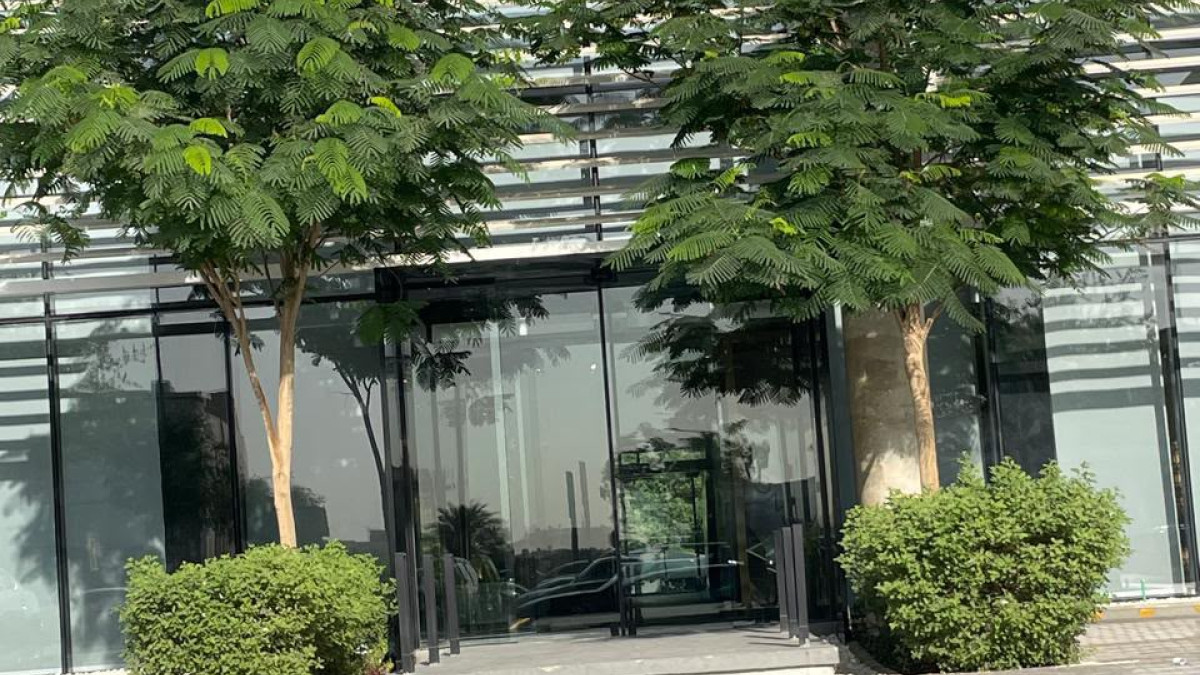
Garden tree leaves may turn yellow because of nutrient deficiencies, unsuitable soil chemistry, or impaired nutrient absorption. Yellow young leaves with green veins can indicate iron chlorosis, particularly in alkaline soils. Identify the affected foliage pattern, test soil and irrigation water, and evaluate root conditions before applying an appropriate nutrient treatment under professional guidance.
Yellowing leaves are a common reason for concern among garden owners and landscape managers. However, treating every yellow leaf with additional fertilizer can be ineffective and may create further nutritional imbalances.
In Riyadh and other parts of Saudi Arabia, alkaline and calcareous soils can influence the availability of essential micronutrients, even when those nutrients are already present in the soil.
This guide from Rayat Najd Landscaping focuses on iron chlorosis, nutrient availability, soil chemistry, and the correct diagnosis of nutritional yellowing in ornamental trees and palms.
Its primary purpose is to help property owners distinguish iron-related chlorosis from other nutritional disorders before investing in unnecessary fertilizers or replacing affected trees.
 Call Now
 WhatsApp
What Is Iron Chlorosis in Landscape Trees?
What does iron chlorosis mean?
Iron chlorosis is a condition in which insufficient physiologically available iron interferes with normal chlorophyll formation, resulting in yellow or pale foliage.
Chlorophyll is the green pigment involved in photosynthesis. When its formation is impaired, affected leaves may lose their normal green appearance.
Does iron chlorosis mean the soil contains no iron?
No. Soil may contain substantial amounts of iron while conditions such as high pH limit its availability to plant roots.
This distinction is important because adding ordinary iron fertilizer without addressing nutrient availability may not produce the expected improvement.
Is iron chlorosis a contagious tree disease?
Iron chlorosis is a physiological nutritional disorder rather than a contagious infectious disease. However, other plant health problems can cause similar symptoms and should be considered during diagnosis.
Why Are My Garden Tree Leaves Turning Yellow?
Why do young leaves turn yellow while older leaves remain green?
Yellowing that begins on young foliage can indicate a deficiency involving nutrients that are not readily redistributed within the plant, including iron.
Iron deficiency frequently becomes visible in newly developing leaves before older foliage displays significant symptoms.
Why are the leaf veins still green?
Yellow tissue between relatively green veins is known as interveinal chlorosis. This pattern can indicate iron deficiency, although other micronutrient disorders may produce similar symptoms.
Does completely yellow foliage confirm iron deficiency?
No. Uniform yellowing may result from several nutritional or physiological conditions. Leaf age, symptom distribution, species characteristics, and laboratory information should be evaluated together.
| Visible Symptom | Typical Foliage Affected | Possible Cause | Recommended Assessment |
|---|---|---|---|
| Yellow tissue with green veins | Young leaves | Iron deficiency | Review soil pH and available iron |
| Relatively uniform pale foliage | Older leaves may be affected first | Nitrogen deficiency | Review nutrient history and tissue analysis |
| Interveinal yellowing | Older foliage in many species | Magnesium deficiency | Evaluate magnesium availability |
| Interveinal yellowing with small necrotic spots | Often younger or recently matured leaves | Possible manganese deficiency | Conduct species-specific nutritional assessment |
| Small or abnormally developed leaves | Recent growth | Possible zinc deficiency | Review foliage development and laboratory results |
| Several yellowing patterns on one tree | Multiple foliage age groups | Combined deficiencies or impaired uptake | Assess soil, water, roots, and tissue together |
These patterns are diagnostic indications rather than definitive conclusions. Nutritional symptoms vary between tree species, growing conditions, and the severity of the disorder.
Why Is Iron Chlorosis Important in Saudi Gardens?
Can alkaline soil reduce iron availability?
Yes. Under alkaline soil conditions, iron can become less soluble and less available for plant uptake, depending on soil chemistry and the characteristics of the plant.
What is calcareous soil?
Calcareous soil contains significant calcium carbonate. Such soils can maintain alkaline conditions that influence the availability of iron and other micronutrients.
Are all gardens in Riyadh affected by the same soil conditions?
No. Soil characteristics vary according to the original ground conditions, imported planting soil, previous landscaping work, amendments, and irrigation practices.
Actual soil testing is more reliable than assuming that every garden in Riyadh has identical soil chemistry.
What Does Soil pH Have to Do With Yellow Tree Leaves?
What is soil pH?
Soil pH measures the acidity or alkalinity of soil. It influences chemical reactions, nutrient solubility, and several biological processes associated with plant growth.
Does a higher soil pH always cause iron chlorosis?
No. Some tree species tolerate alkaline conditions more effectively than others, and nutrient availability is influenced by several factors beyond pH alone.
Can changing soil pH solve every iron deficiency problem?
No. Attempting to change soil pH may be impractical in strongly buffered calcareous soils. Alternative nutritional management methods may be more appropriate after a professional assessment.
| Soil pH Range | General Classification | Nutritional Consideration |
|---|---|---|
| Below 5.5 | Strongly acidic conditions | Evaluate species suitability and potential nutrient imbalances |
| 5.5–6.5 | Acidic conditions | Suitable for many species, depending on individual requirements |
| 6.5–7.5 | Near-neutral to mildly alkaline conditions | Assess nutrient availability according to species and soil properties |
| 7.5–8.5 | Alkaline conditions | Iron and some other micronutrients may become less available |
| Above 8.5 | Strongly alkaline conditions | Detailed soil chemistry assessment is recommended |
These categories are simplified educational ranges, not universal planting targets or treatment thresholds. Laboratory methods, carbonate content, soil properties, and species-specific requirements influence interpretation.
How Do Bicarbonates Affect Iron Availability?
What are bicarbonates in irrigation water?
Bicarbonates are dissolved chemical constituents that contribute to water alkalinity and can influence chemical conditions within the plant root zone.
Can irrigation water contribute to iron chlorosis?
Yes. Depending on its composition, irrigation water with substantial alkalinity may contribute to conditions that interfere with iron availability or utilization in susceptible plants.
Does measuring water pH provide enough information?
No. Water pH and alkalinity describe different properties. A comprehensive irrigation water assessment may need to include bicarbonates, electrical conductivity, and other relevant chemical measurements.
How Do I Test Soil for Iron Chlorosis?
Should I collect soil from directly beside the trunk?
Soil samples should represent the relevant root zone rather than an arbitrary location beside the trunk. Sampling methods should follow the instructions of the selected laboratory or qualified landscape specialist.
What should a soil laboratory test include?
Depending on the symptoms and site conditions, useful measurements may include soil pH, carbonate content, electrical conductivity, organic matter, and appropriately extracted plant-available nutrients.
Should I test healthy and affected areas separately?
Yes, when practical. Comparing appropriately collected samples from affected and healthy planting areas may help identify differences associated with the observed symptoms.
| Test Category | Measurement | Diagnostic Purpose |
|---|---|---|
| Soil chemistry | Soil pH | Identify acidity or alkalinity conditions |
| Soil buffering | Carbonate content where relevant | Evaluate resistance to pH modification |
| Micronutrient availability | Appropriate extractable iron measurement | Assess potential iron availability |
| Additional nutrients | Manganese, zinc, magnesium, and relevant nutrients | Identify alternative or combined deficiencies |
| Water chemistry | Alkalinity and bicarbonates | Assess irrigation-related chemical influences |
| Plant tissue | Species-appropriate nutrient analysis | Support interpretation of nutritional symptoms |
| Root-zone assessment | Relevant physical and biological observations | Identify conditions affecting nutrient absorption |
The selection and interpretation of laboratory tests should be adapted to the tree species and local soil conditions.
Can Leaf Tissue Analysis Confirm Iron Deficiency?
What is plant tissue analysis?
Plant tissue analysis measures selected nutrient concentrations within sampled leaves or other appropriate plant tissues to support nutritional assessment.
Does a normal total iron concentration rule out iron chlorosis?
Not necessarily. Total iron concentration within a leaf does not always reflect the amount of iron that is physiologically available for normal plant functions.
Why should tissue analysis be interpreted with soil results?
Combining tissue results with symptom observations, soil chemistry, irrigation water analysis, and species information provides a more reliable basis for identifying the underlying nutritional problem.
How Do I Distinguish Iron Deficiency From Nitrogen Deficiency?
Which leaves usually show nitrogen deficiency first?
Nitrogen deficiency often affects older foliage first because nitrogen can be redistributed from existing leaves to support developing tissues.
Which leaves usually show iron deficiency first?
Iron deficiency commonly appears on young foliage because iron is generally less mobile within the plant.
Should I apply nitrogen when new leaves become yellow?
Not automatically. Applying nitrogen to a tree affected primarily by iron availability may fail to resolve the underlying issue and could encourage growth that increases nutritional demand.
How Do I Distinguish Iron Deficiency From Magnesium Deficiency?
Can magnesium deficiency produce green veins?
Yes. Magnesium deficiency can produce interveinal chlorosis in many plant species, which may resemble iron-related symptoms.
What is the main difference in symptom distribution?
Magnesium deficiency commonly becomes visible on older foliage, while iron deficiency frequently affects newly developing leaves first.
Should I use magnesium supplements without testing?
No. Unnecessary magnesium applications may create nutritional imbalances and will not address iron chlorosis when magnesium is already sufficient.
Can Manganese Deficiency Look Like Iron Chlorosis?
Why are manganese and iron deficiencies sometimes confused?
Both deficiencies can produce chlorotic foliage, and both may be influenced by soil chemistry and the availability of micronutrients.
Can small damaged areas appear on manganese-deficient leaves?
Some plants affected by manganese deficiency may develop small necrotic spots alongside chlorosis, although the exact appearance depends on the species and severity.
How do I avoid treating the wrong nutrient deficiency?
Use a combination of foliage observations, laboratory findings, species information, and professional nutritional assessment rather than relying on leaf color alone.
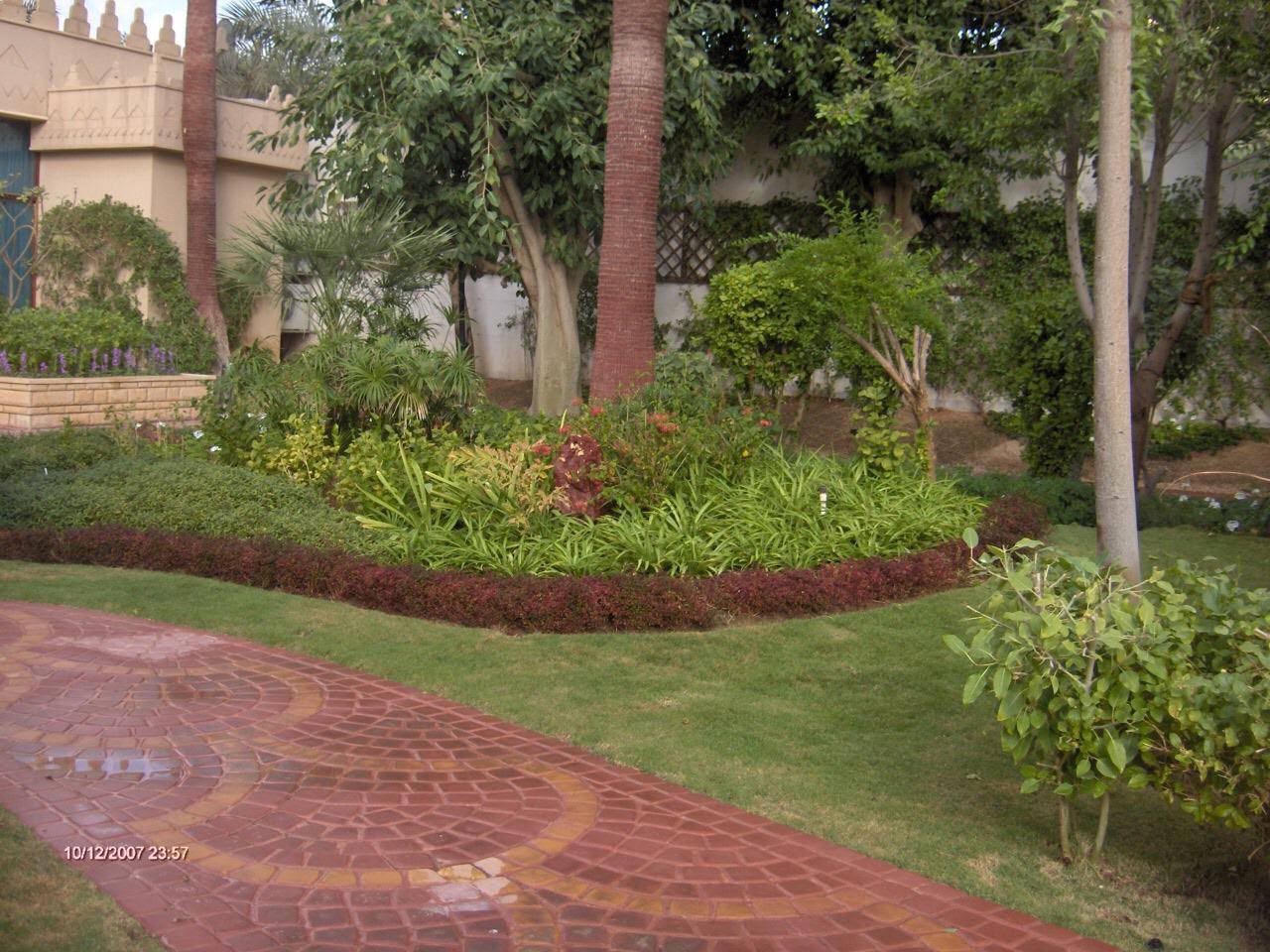
What Are Trees?
How do trees absorb essential nutrients?
Trees are perennial woody plants that obtain water and mineral nutrients primarily through their root systems. Nutrients are transported and used throughout the plant to support growth and essential physiological functions.
Why do trees need iron?
Iron supports important enzyme systems, electron transport processes, and the formation of chlorophyll required for healthy plant function.
Do all trees respond equally to iron deficiency?
No. Tree species differ in their nutrient requirements and their ability to acquire iron under challenging soil conditions.
Consequently, different trees growing within the same garden may display different levels of chlorosis.
What Are the Benefits of Palm Trees?
Why are palm trees important in Saudi landscaping?
Palm trees contribute architectural character, visual continuity, cultural identity, and distinctive vertical structure to residential, commercial, and public landscapes.
Can date palms experience micronutrient deficiencies?
Yes. Date palms can experience nutritional disorders when nutrient supply, availability, or uptake does not meet their requirements.
Does yellow palm foliage always indicate iron deficiency?
No. Palm yellowing may involve several nutrients or other physiological conditions. The location and appearance of affected fronds should be evaluated using palm-specific diagnostic guidance.
What Are the Benefits of Washingtonia Trees?
What are the benefits of Washingtonia palms?
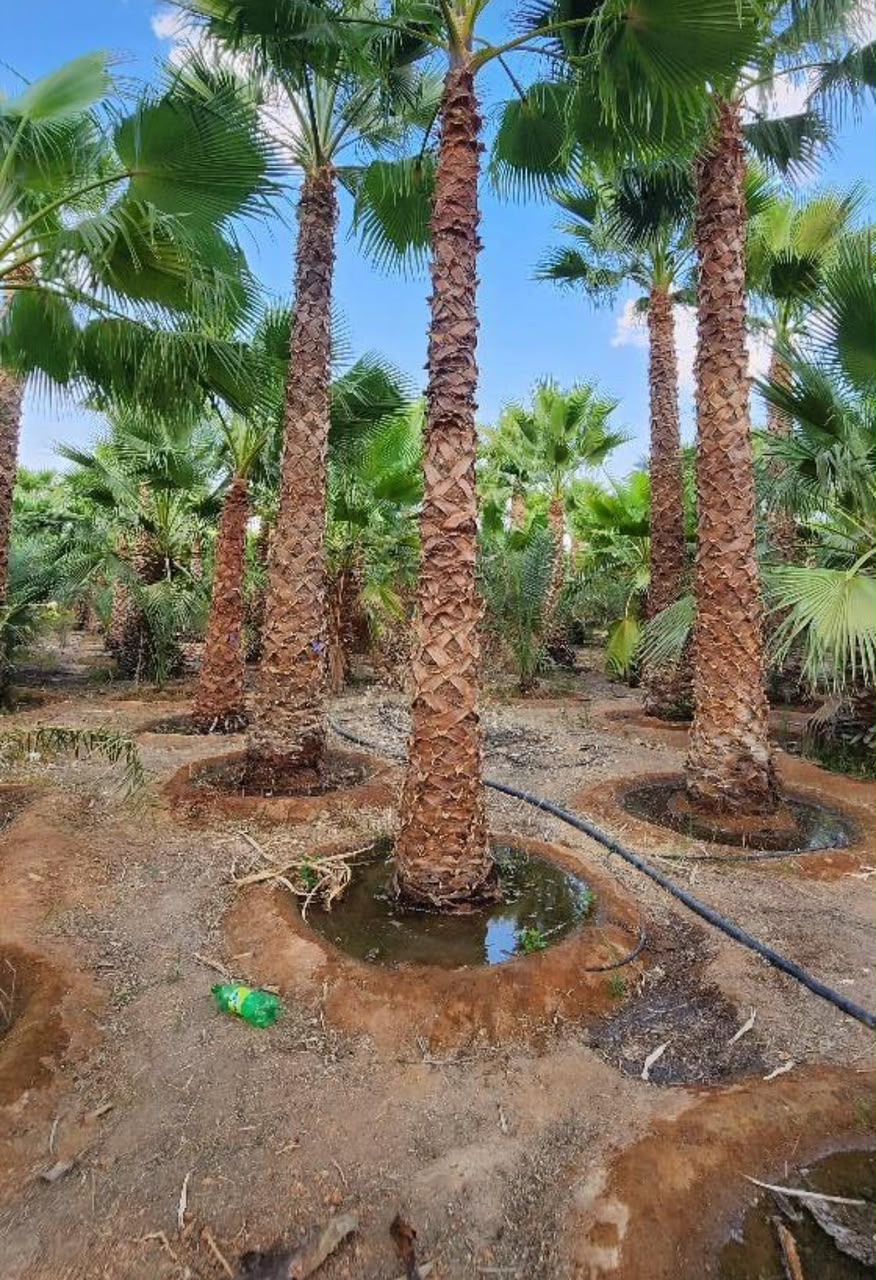
Washingtonia palms provide a distinctive vertical appearance and recognizable fan-shaped foliage that can complement suitable landscape designs in Saudi Arabia.
Can Washingtonia palms develop nutrient-related yellowing?
Yes. Their foliage can display nutritional symptoms when growing conditions interfere with adequate nutrient supply or absorption.
Should yellow Washingtonia fronds be removed immediately?
Not automatically. Some affected fronds may remain physiologically useful, and premature removal can be undesirable in certain nutritional disorders.
Have the cause of yellowing assessed before determining the appropriate maintenance response.
What Are the Types of Trees, How, When and Why?
Which tree groups may show different chlorosis patterns?
Broadleaf ornamental trees, evergreen trees, deciduous trees, fruit trees, and palms may express nutritional symptoms differently because of their distinct physiological characteristics.
How should species information influence diagnosis?
Identify the tree species before interpreting leaf age, coloration, growth abnormalities, and nutritional test results.
When is species-specific treatment necessary?
Species-specific assessment is particularly important when selecting a fertilizer formulation, application method, treatment timing, or laboratory interpretation.
Where Are Trees Planted?
Why does the planting location influence nutrient availability?
Planting locations differ in soil chemistry, imported soil composition, irrigation water exposure, and root-zone conditions. These differences may affect the availability and absorption of essential nutrients.
Can trees planted in the same garden experience different symptoms?
Yes. Local differences in soil properties, species tolerance, planting history, and root conditions may cause some trees to develop chlorosis while others remain healthy.
Should nutritional treatment be identical across an entire landscape?
No. Treatment should reflect the requirements of individual species and planting zones rather than assuming that one fertilizer program is suitable for every tree.
How Are They Planted?
How does planting influence future nutritional health?
Appropriate planting conditions help establish a functional root system capable of absorbing water and nutrients. The root-zone environment should be suitable for the selected tree species.
Can unsuitable imported soil contribute to future chlorosis?
Yes. Imported planting materials may have chemical properties that limit nutrient availability or create unfavorable interactions with surrounding soil and irrigation water.
Should soil chemistry be reviewed before planting new trees?
Yes. Reviewing relevant soil characteristics before planting can help identify potential nutritional compatibility issues and support more appropriate landscape management decisions.
How Do I Treat Iron Chlorosis in Landscape Trees?
Should iron fertilizer be the first treatment?
The first step is confirming whether iron availability is the likely cause of the observed symptoms. Treatment should address the identified nutritional problem and the conditions influencing it.
What treatment options may be considered?
Depending on the diagnosis, options may include suitable iron chelate formulations, professionally managed foliar applications, adjustments to nutrient programs, and correction of relevant root-zone conditions.
Can one treatment permanently resolve iron chlorosis?
Not necessarily. If the underlying soil chemistry or other contributing conditions remain unchanged, symptoms may recur and require continued nutritional management.
What Is Chelated Iron and How Does It Work?
What does iron chelate mean?
Chelated iron is iron associated with an organic binding agent that helps maintain its availability under certain chemical conditions.
Why are iron chelates used in alkaline soils?
Appropriate chelate formulations can help maintain iron in a more available form under soil conditions where conventional iron compounds may become insufficiently available.
Are all iron chelates suitable for every soil pH?
No. Different chelating agents have different chemical stability characteristics. Their suitability depends on the actual soil conditions, product formulation, and intended application.
| Iron Formulation | General Characteristic | Potential Soil Application Consideration | Important Limitation |
|---|---|---|---|
| Iron sulfate | Conventional inorganic iron source | May be suitable in selected conditions | Iron availability may be limited in alkaline soils |
| Fe-EDTA | Chelated iron formulation | Generally more suitable under less alkaline conditions | Reduced stability at higher soil pH |
| Fe-DTPA | Iron chelate with greater alkaline stability than EDTA | May suit moderately alkaline conditions | Suitability decreases under more strongly alkaline conditions |
| Fe-EDDHA | Iron chelate with relatively high stability in alkaline soils | Often considered for iron chlorosis in calcareous soils | Product quality and formulation affect performance |
| Foliar iron formulations | Products intended for suitable leaf applications | May provide localized nutritional improvement | May not correct the underlying root-zone problem |
These are general formulation comparisons rather than product endorsements or application instructions. Always follow the selected product's label and qualified professional recommendations.
Is Fe-EDDHA Suitable for Alkaline Saudi Garden Soil?
Why is EDDHA often considered for calcareous soils?
EDDHA can maintain iron stability under more alkaline conditions than several other commonly used chelating agents, making suitable formulations relevant to some calcareous landscape soils.
Does every Fe-EDDHA product have the same performance?
No. Products can differ in total iron content, chelated iron content, isomer composition, formulation quality, and recommended application conditions.
Should I purchase iron chelate based on package weight alone?
No. Evaluate the product's documented composition, intended use, compatibility with the diagnosis, and professional application recommendations.
Can Foliar Iron Applications Restore Green Leaves?
What is foliar nutrient application?
Foliar application involves applying an appropriate nutrient formulation to plant foliage so that some of the nutrient can be absorbed through leaf surfaces.
Can foliar iron provide temporary improvement?
Suitable foliar iron treatments may improve the appearance of treated foliage in some cases, depending on the species, formulation, application conditions, and severity of the deficiency.
Does foliar application correct alkaline soil chemistry?
No. Foliar treatment does not directly resolve the chemical conditions within the root zone that may be restricting iron availability.
Applications should follow product instructions and avoid environmental conditions that increase the risk of foliage damage.
Should I Lower the Soil pH to Treat Iron Chlorosis?
Can soil acidification increase iron availability?
Under certain conditions, lowering soil pH can increase the availability of iron and other micronutrients. However, the feasibility and suitability of acidification depend on the soil's chemical properties.
Why is calcareous soil difficult to acidify?
Calcareous soil can contain carbonate reserves that neutralize acidity and resist substantial changes in pH.
Can I apply acidic household products to garden soil?
Uncontrolled use of household acids or unapproved chemical products is not recommended. Such applications may damage roots, create uneven chemical conditions, or introduce other problems without delivering sustained nutritional improvement.
Any soil chemistry modification should be based on laboratory results and professionally established treatment requirements.
Can Organic Matter Improve Iron Availability?
Does organic matter influence soil nutrient behavior?
Yes. Organic matter can influence nutrient retention, biological activity, soil structure, and chemical interactions that affect nutrient availability.
Will compost alone cure severe iron chlorosis?
Not necessarily. Compost properties vary, and organic amendments may not be sufficient to resolve substantial iron availability problems in strongly buffered alkaline soils.
Should organic amendments be selected according to soil analysis?
Yes. Review the amendment's suitability, composition, salinity characteristics, maturity, and compatibility with the existing soil before application.
Can Excessive Fertilizer Make Tree Chlorosis Worse?
Why can excessive nutrient applications create imbalances?
Plant nutrition involves interactions between multiple nutrients. Excessive application of certain nutrients may interfere with the availability or utilization of others under some conditions.
Can excessive phosphorus affect micronutrient nutrition?
High phosphorus availability can interact with micronutrient nutrition, depending on soil chemistry and plant species. Fertilizer programs should avoid unnecessary nutrient accumulation.
Should I continue applying complete fertilizer to a yellow tree?
Only when the fertilizer is appropriate for the diagnosed nutritional requirements. A complete fertilizer is not automatically the correct treatment for every chlorotic tree.
How Do I Create a Tree Nutrient Treatment Plan?
What should happen before fertilizer application?
Identify the tree species, document the symptoms, review the nutritional history, assess relevant growing conditions, and obtain appropriate laboratory information when necessary.
How should treatment results be monitored?
Monitor the appearance of developing foliage, progression of existing symptoms, growth behavior, and any unintended effects following the approved treatment.
When should the treatment plan be revised?
Revise the plan when symptoms continue to worsen, laboratory findings indicate additional problems, or the selected treatment does not produce an appropriate response within a professionally established review period.
| Stage | Main Activity | Expected Information | Decision |
|---|---|---|---|
| Initial observation | Document foliage symptoms | Leaf age and symptom distribution | Identify possible nutritional disorders |
| Site assessment | Review root-zone and planting conditions | Potential nutrient uptake limitations | Determine necessary additional investigation |
| Laboratory evaluation | Test relevant soil, water, and plant samples | Chemical and nutritional findings | Refine the diagnosis |
| Treatment selection | Choose suitable nutritional management | Species-appropriate treatment requirements | Establish an approved application plan |
| Response monitoring | Observe foliage and growth changes | Evidence of improvement or continued symptoms | Continue, adjust, or investigate further |
| Long-term prevention | Review ongoing nutritional conditions | Recurring risk factors | Maintain an appropriate nutrient program |
How Long Does It Take for Yellow Tree Leaves to Recover?
Will existing yellow leaves become green again?
Some affected leaves may regain color following successful nutritional treatment, but the extent of recovery depends on the species, symptom severity, and whether tissue damage has already occurred.
Why is new foliage important when assessing recovery?
New foliage can provide useful evidence that the plant's nutritional conditions have improved, particularly when iron chlorosis primarily affects developing leaves.
Can I expect recovery within a fixed number of days?
No universal recovery period applies to every tree. Treatment response depends on physiological activity, environmental conditions, formulation suitability, and the underlying cause of the disorder.
How Do I Prevent Iron Chlorosis From Returning?
Should soil and water conditions be reviewed periodically?
Periodic review may be appropriate when a landscape experiences recurring nutritional disorders or when irrigation water, soil amendments, or fertilizer programs change.
Can selecting suitable tree species reduce recurring problems?
Yes. Matching tree species to the chemical characteristics of the planting environment can reduce dependence on repeated corrective nutritional treatments.
Should every tree receive preventive iron treatments?
No. Preventive nutritional management should be justified by the species, site conditions, diagnosed risks, and professional recommendations rather than indiscriminate application.
How Much Does Planting Cost?
Does planting cost include future nutritional management?
Planting quotations may differ in their scope. Some include initial establishment services, while others cover only tree supply and installation. Ongoing nutritional assessment should be identified separately when required.
Can soil analysis help reduce unnecessary landscaping costs?
Appropriate soil analysis can help identify nutritional constraints before they develop into recurring treatment requirements or unnecessary tree replacement.
What information is required for a planting quotation?
Provide the project location, selected tree species, quantities, sizes, planting conditions, and requested establishment or maintenance services.
Project costs should be based on a specific quotation rather than an assumed universal planting price.
What Is the Lifespan of Trees in Years?
Can ornamental trees live for several decades?
Many ornamental tree species can live for several decades under suitable conditions, while certain long-lived species can survive for a century or more.
Can recurring nutritional deficiencies reduce tree longevity?
Persistent severe nutritional deficiencies can impair growth and physiological function, potentially reducing long-term tree health and resilience.
Does iron chlorosis always mean a tree is dying?
No. Mild or moderate chlorosis may be manageable when its cause is correctly identified and addressed. Severe or persistent symptoms require further assessment.
Actual tree lifespan depends on species, environmental conditions, structural health, maintenance, and cumulative stress exposure.
How Much Does Iron Chlorosis Treatment Cost in Riyadh?
Is there a fixed price for treating yellow tree leaves?
No. Treatment costs depend on the number and size of affected trees, diagnostic requirements, selected nutritional formulation, application scope, and ongoing monitoring needs.
Is laboratory testing always necessary?
Laboratory testing may not be required for every straightforward case, but it can be particularly valuable when symptoms are persistent, widespread, inconsistent, or difficult to distinguish from other nutritional disorders.
What should a professional tree treatment quotation include?
The quotation should explain the assessment scope, proposed treatment, materials, application responsibilities, monitoring arrangements, and any recommended additional investigations.
| Cost Factor | Potential Impact | Information Required |
|---|---|---|
| Number of affected trees | Influences assessment and treatment workload | Tree inventory |
| Tree species and size | Influences treatment suitability and requirements | Species identification and approximate dimensions |
| Laboratory assessment | May require soil, water, or tissue testing | Diagnostic requirements |
| Nutrient formulation | Influences material requirements | Approved treatment recommendation |
| Symptom severity | May require additional investigation | Current tree condition |
| Monitoring scope | Influences follow-up assessment requirements | Agreed monitoring program |
| Project location | Influences site access and service arrangements | General location and site conditions |
Actual treatment pricing and service availability must be confirmed through a project-specific assessment and quotation.
What Are the Most Common Iron Chlorosis Treatment Mistakes?
Why is applying fertilizer without diagnosis a mistake?
Different nutrient deficiencies require different management approaches. Applying unnecessary nutrients may waste resources and contribute to chemical imbalances without resolving the original problem.
Why should soil pH not be changed without testing?
Soil chemistry modifications require an understanding of the soil's buffering capacity, existing chemical conditions, and plant requirements. Uncontrolled changes may produce unintended effects.
What other mistakes should garden owners avoid?
- Assuming that every yellow leaf indicates iron deficiency.
- Ignoring whether young or mature foliage is affected first.
- Applying nitrogen fertilizer to every chlorotic tree.
- Using magnesium supplements without a suitable diagnosis.
- Purchasing iron products without reviewing their formulation.
- Assuming total soil iron equals plant-available iron.
- Ignoring irrigation water alkalinity.
- Attempting uncontrolled soil acidification.
- Using household chemical products around tree roots.
- Applying excessive fertilizer to accelerate recovery.
- Removing functional palm foliage without assessment.
- Treating every tree species identically.
- Ignoring potential root-related nutrient uptake problems.
- Expecting immediate and guaranteed color restoration.
- Repeating treatments without reviewing their effectiveness.
- Replacing affected trees before investigating the underlying cause.
What Is the Tree Chlorosis Assessment Checklist?
What should I inspect before requesting treatment?
Use the following checklist to organize the initial assessment of yellowing foliage and prepare useful information for a landscape specialist.
- ☐ Identify the affected tree species.
- ☐ Record when yellowing was first noticed.
- ☐ Determine whether young or older leaves are affected.
- ☐ Check whether leaf veins remain green.
- ☐ Photograph representative affected foliage.
- ☐ Compare symptoms with healthy trees of the same species.
- ☐ Record whether symptoms are isolated or widespread.
- ☐ Review previous fertilizer applications.
- ☐ Identify recent changes to soil amendments.
- ☐ Review available soil pH information.
- ☐ Assess relevant carbonate and alkalinity conditions.
- ☐ Review irrigation water chemistry when necessary.
- ☐ Investigate possible nutrient uptake limitations.
- ☐ Determine whether laboratory analysis is required.
- ☐ Select treatment according to the confirmed diagnosis.
- ☐ Verify product formulation and label requirements.
- ☐ Establish appropriate monitoring arrangements.
- ☐ Review newly developing foliage after treatment.
Should the checklist replace professional diagnosis?
No. It provides a structured starting point for gathering relevant information but does not replace laboratory interpretation, species-specific assessment, or professional treatment recommendations.
When should I request additional professional investigation?
Request further assessment when symptoms spread rapidly, multiple tree species become affected, previous treatments fail, or severe foliage deterioration develops.
What Are the Frequently Asked Questions About Iron Chlorosis?
1. Why are my tree leaves yellow with green veins?
This pattern is known as interveinal chlorosis. It may indicate iron deficiency, particularly when young leaves are affected, but other nutritional disorders should also be considered.
2. Can alkaline soil cause iron deficiency in trees?
Yes. Alkaline soil conditions can reduce iron availability to susceptible plants even when the soil contains iron.
3. What is the best iron fertilizer for alkaline soil?
Suitable Fe-EDDHA formulations are often considered for strongly alkaline or calcareous soils. The appropriate product depends on the diagnosis, soil characteristics, and professional recommendations.
4. Can yellow tree leaves become green again?
Some affected foliage may recover after successful treatment, while severely damaged leaves may not. New growth can provide additional evidence of nutritional improvement.
5. Does nitrogen fertilizer cure iron chlorosis?
No. Nitrogen does not directly correct iron deficiency and should only be applied when appropriate for the tree's nutritional requirements.
6. Can irrigation water cause iron chlorosis?
Irrigation water chemistry, including alkalinity and bicarbonate content, can contribute to conditions that restrict iron availability or utilization in susceptible trees.
7. Can palm trees develop iron deficiency?
Yes. Palms can experience iron-related nutritional disorders, but yellowing fronds may also indicate other deficiencies or physiological problems requiring palm-specific assessment.
8. Should I apply iron fertilizer to every tree in my garden?
No. Nutritional treatment should be based on the requirements of the affected species, site conditions, and an appropriate diagnosis.
9. Does iron chlorosis spread from one tree to another?
Iron chlorosis itself is not contagious. However, several trees may develop similar symptoms when they share unfavorable soil or irrigation water conditions.
10. How do I request a tree nutritional assessment in Riyadh?
Contact Rayat Najd Landscaping with photographs of affected foliage, tree species information, general site location, previous fertilizer history, and any available soil or water test results to discuss appropriate assessment options.
How Can Rayat Najd Landscaping Help With Tree Nutritional Problems?
Can I discuss recurring yellowing in my landscaped garden?
Yes. Contact Rayat Najd Landscaping to discuss the symptoms, species, planting conditions, and potential requirements for professional landscape assessment and nutritional management.
Can nutritional requirements be considered in new landscaping projects?
Suitable tree selection, soil compatibility, irrigation water characteristics, and establishment requirements can be considered during landscape planning to support long-term plant health.
What information should I provide when requesting assistance?
Provide photographs of affected trees, the approximate number of plants involved, their species if known, planting location, available laboratory results, and previous treatment information.
These details can help establish the appropriate assessment scope. Specialized testing and treatment availability should be confirmed before work is approved.
Conclusion: Why Are My Garden Tree Leaves Turning Yellow?
Iron chlorosis in landscape trees is a nutritional availability problem that requires accurate diagnosis rather than indiscriminate fertilizer application.
Yellow young leaves with green veins can indicate iron deficiency, especially under alkaline or calcareous soil conditions. However, manganese deficiency, magnesium deficiency, nitrogen deficiency, and other physiological conditions may produce overlapping symptoms.
Begin by identifying the tree species and affected foliage patterns. Review relevant soil chemistry, irrigation water alkalinity, nutritional history, and root-zone conditions before selecting an appropriate treatment.
Suitable iron chelates and other professionally established nutritional management methods may help address confirmed iron availability problems, but no single formulation or treatment schedule is appropriate for every landscape.
Long-term prevention depends on understanding the relationship between tree species, soil chemistry, nutrient availability, and ongoing landscape care.
For residential gardens, commercial landscapes, and tree planting projects in Riyadh and Saudi Arabia, contact Rayat Najd Landscaping to discuss tree health concerns, suitable landscaping solutions, and professional nutritional management requirements.
Rayat Najd Landscaping | Tree Supply, Planting, Irrigation, and Landscape Solutions in Saudi Arabia
Official Website: https://rayatnajd.com