




To rent equipment for precast concrete work, obtain the approved element drawings, verified lifting weights, manufacturer handling instructions, and installation sequence. Coordinate crane availability with factory deliveries, receiving areas, and structural installation teams. Select lifting and supporting equipment through a project-specific engineering assessment, and establish rental arrangements that accommodate delivery changes, installation progress, and approved safety requirements.
Precast concrete construction relies on structural and architectural components manufactured before delivery to the construction site. These elements must be transported, handled, positioned, and installed according to an approved construction sequence.
Unlike conventional construction methods involving concrete poured directly on site, precast projects require particularly close coordination between manufacturing schedules, transportation, lifting equipment, structural connections, and temporary stability arrangements.
For contractors in Riyadh and across Saudi Arabia, equipment rental can provide access to cranes and supporting machinery without purchasing every machine required for the different stages of precast construction.
Modernity Contracting (MORP) provides crane and heavy equipment rental services in Riyadh and throughout Saudi Arabia, with hourly, daily, weekly, monthly, and project-based rental options according to equipment availability and project requirements.
This guide focuses specifically on equipment rental for precast concrete installation, factory-to-site delivery coordination, element handling, erection sequencing, and contractual equipment planning.
 Call Now
 WhatsApp
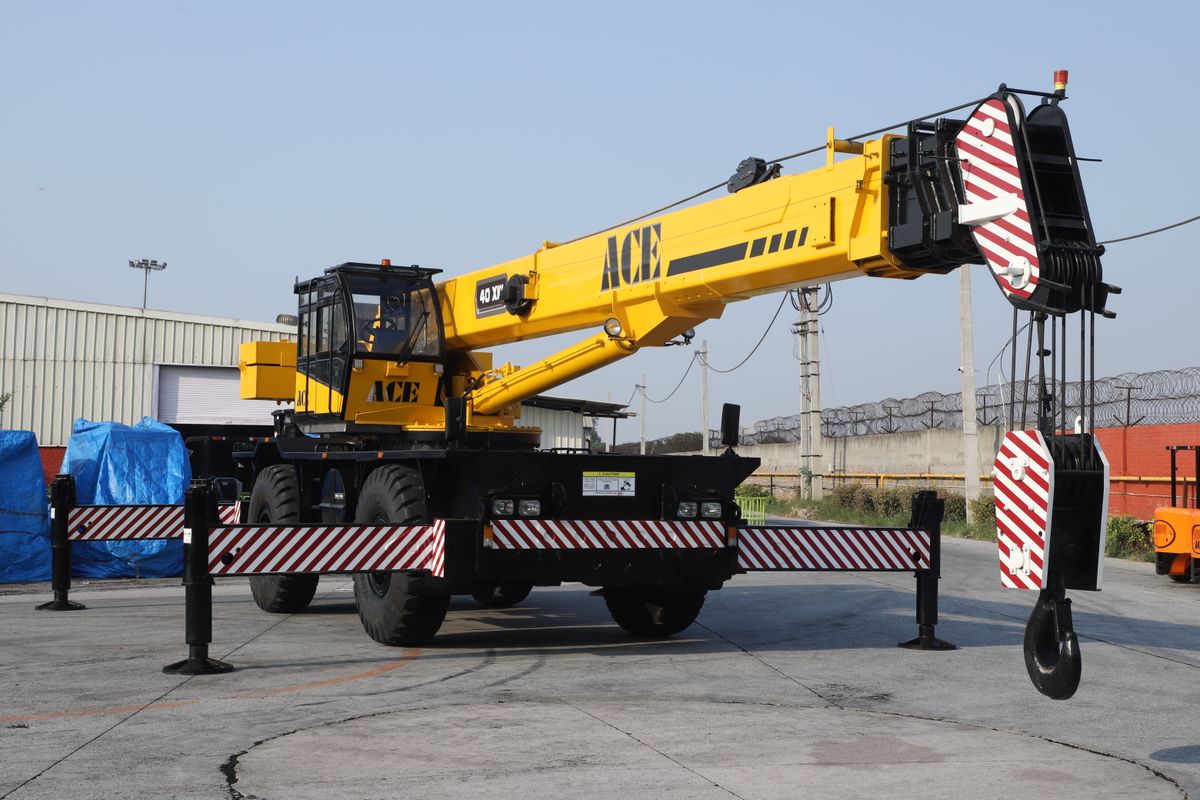
What Is Precast Concrete Construction?
How are precast concrete components manufactured?
Precast concrete components are produced in controlled manufacturing environments or designated casting facilities before being transported to their intended installation locations.
Depending on the design, these components may include wall panels, columns, beams, staircases, slabs, and architectural elements.
How does precast construction differ from cast-in-place construction?
Cast-in-place construction involves forming and placing concrete at its final location. Precast construction involves manufacturing components separately and subsequently assembling them according to the approved structural design.
Precast projects therefore depend heavily on coordinated transportation and mechanical handling.
Why is equipment rental important for precast projects?
Equipment requirements may change between installation stages, depending on the dimensions, weights, structural functions, and approved handling requirements of the precast elements.
Rental arrangements allow contractors to coordinate suitable equipment with these changing project requirements.
What Types of Precast Concrete Elements Require Lifting Equipment?
Do precast wall panels require specialized handling?
Yes. Wall panels may have different dimensions, weights, surface finishes, openings, and structural functions. Their handling requirements must follow the manufacturer's documentation and approved erection procedures.
Can precast beams and columns use the same handling arrangements?
Not necessarily. Their geometry, lifting orientation, structural characteristics, and installation requirements can differ significantly.
Each component category should be evaluated according to its approved drawings and lifting instructions.
What other precast components may require cranes?
Precast slabs, staircases, facade panels, retaining wall elements, and other manufactured concrete components may require suitable lifting equipment depending on their design and installation requirements.
| Precast Element | Typical Application | Handling Consideration | Required Reference |
|---|---|---|---|
| Wall panels | Structural walls and building enclosures | Approved orientation and lifting requirements | Element drawings and erection plan |
| Concrete columns | Vertical structural support | Manufacturer-approved handling and stability arrangements | Structural and handling documentation |
| Concrete beams | Horizontal structural support | Verified weight and approved lifting provisions | Engineering drawings |
| Precast slabs | Floor and roof construction | Component-specific support and handling requirements | Supplier installation instructions |
| Precast staircases | Vertical building circulation | Approved lifting orientation and receiving arrangements | Installation drawings |
| Architectural facade panels | External building appearance | Protection of finished surfaces and edges | Architectural and manufacturer specifications |
| Retaining wall elements | Engineered ground retention systems | Approved placement and supporting construction requirements | Project-specific structural design |
The equipment and handling arrangements for each component must be determined by qualified personnel using verified project information rather than general assumptions about precast concrete construction.
How Do I Prepare a Precast Element Schedule Before Renting Equipment?
What is a precast element schedule?
A precast element schedule is a structured record of the manufactured concrete components required for a project. It identifies individual elements and their relevant design, production, delivery, and installation information.
What information should the schedule include?
Useful information includes the element identifier, drawing revision, component category, dimensions, verified lifting weight, manufacturing status, expected delivery date, and installation sequence.
Why should the equipment supplier receive the relevant element schedule?
The authorized schedule provides a more reliable basis for evaluating equipment requirements and rental duration than a general description of the building or total project area.
Only project information authorized for sharing should be provided to the equipment supplier.
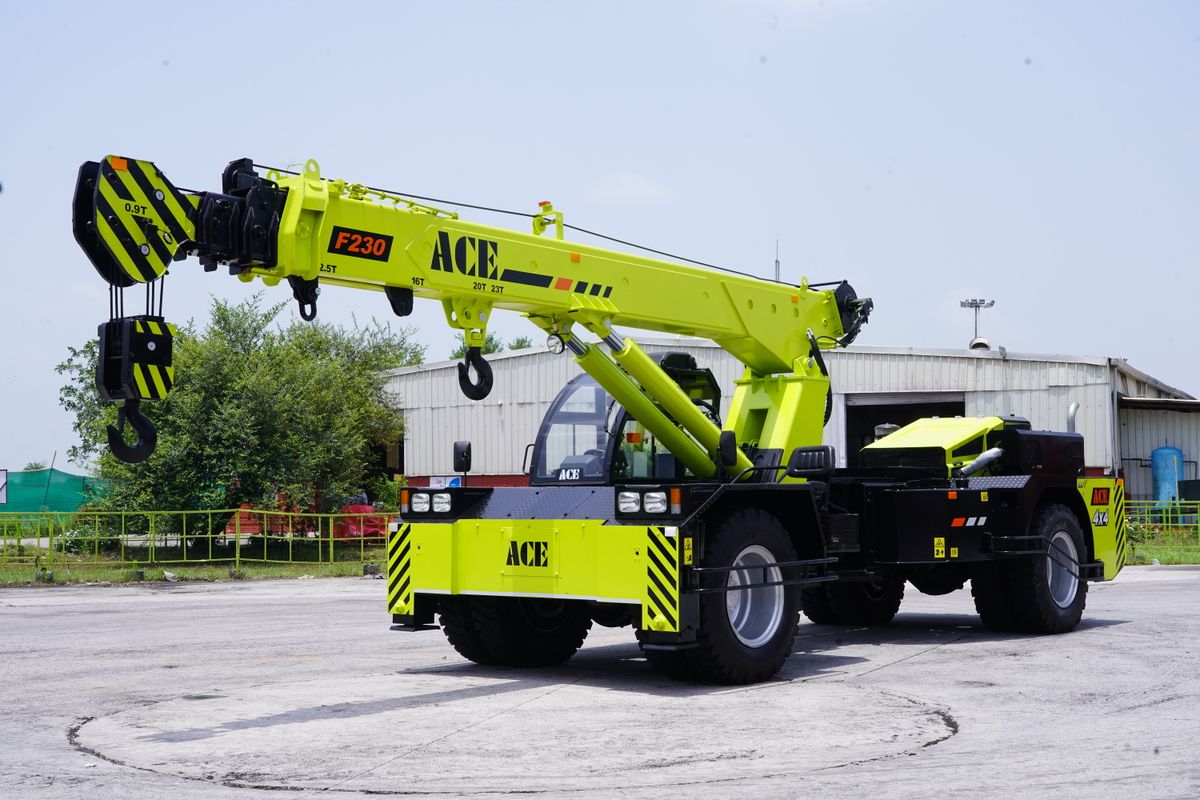
How Do I Determine the Actual Weight of Precast Concrete Elements?
Can I estimate panel weight from its dimensions?
Dimensions and material density can provide preliminary estimates, but equipment selection and lifting approval require reliable, verified information appropriate to the specific component.
Concrete elements may contain reinforcement, openings, connection hardware, embedded components, or other features that influence their actual weight.
Why is the manufacturer's verified weight important?
The manufacturer's approved weight information supports engineering assessment and reduces uncertainty when planning mechanical handling operations.
Should lifting accessories be included in the equipment assessment?
Yes. Qualified lifting personnel must account for all relevant suspended loads and handling equipment according to the applicable crane documentation and approved lifting plan.
A crane should never be selected solely by comparing its advertised maximum capacity with an estimated concrete element weight.
How Do I Verify That Precast Elements Are Ready for Installation?
Can newly manufactured concrete elements be lifted immediately?
Not automatically. Precast components must satisfy the applicable manufacturing release requirements, including the concrete strength and handling conditions established by the responsible engineering and manufacturing teams.
What is a manufacturing release document?
A manufacturing release document records that an element has satisfied the relevant factory acceptance requirements for its designated handling or delivery stage.
The exact documentation and acceptance process depend on the project specification and manufacturer procedures.
Can visual inspection replace manufacturing approval?
No. Visual inspection cannot independently establish concrete strength, embedded lifting component suitability, or compliance with structural manufacturing requirements.
How Do I Choose Rental Equipment for Precast Installation?
Are mobile cranes suitable for precast concrete projects?
Mobile cranes may be suitable for many precast installation applications when their verified operating characteristics satisfy the approved lifting requirements and site conditions.
Can rough-terrain cranes support precast construction?
Rough-terrain cranes may be considered for appropriate construction environments following an engineering assessment of the equipment, ground conditions, operating requirements, and approved installation plan.
What supporting equipment may be required?
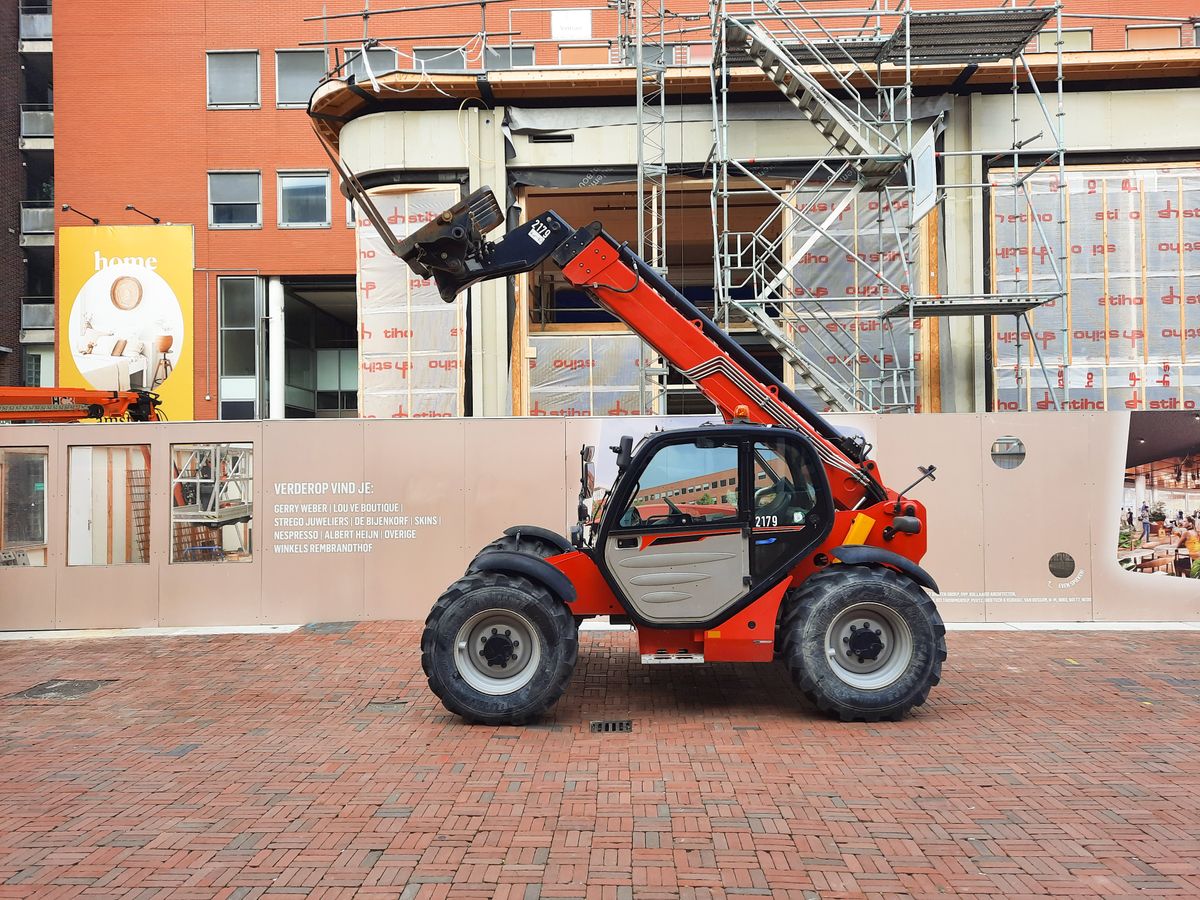
Precast projects may also require suitable forklifts, telescopic handling equipment, aerial work platforms, and other supporting machinery, depending on the authorized scope of work.
| Equipment Category | Potential Project Application | Selection Requirement |
|---|---|---|
| Mobile crane | Approved concrete element lifting and positioning | Project-specific engineering assessment |
| Rough-terrain crane | Suitable construction site lifting operations | Verified ground and operating conditions |
| Spider crane | Selected specialized handling applications | Compatibility with the approved task and equipment limitations |
| Telescopic crawler Pick & Carry crane | Approved material handling activities | Manufacturer limitations and task-specific assessment |
| Forklift | Suitable palletized materials and approved component handling | Correct load compatibility and handling provisions |
| Boom lift | Personnel access for approved elevated installation work | Appropriate work platform selection and operating procedures |
| Scissor lift | Personnel access for suitable installation activities | Approved working conditions and platform requirements |
| Mobile lighting tower | Supporting illumination where required | Approved site lighting and electrical arrangements |
Personnel access platforms must not be treated as substitutes for material lifting cranes. Each machine should be used only for its intended and approved function.
How Do I Coordinate Precast Factory Production With Crane Rental?
Should the crane rental schedule follow the manufacturing schedule?
Yes. Crane rental planning should reflect confirmed manufacturing progress, approved release dates, transportation availability, and installation readiness.
What happens when a precast component is delayed at the factory?
A manufacturing delay may affect the delivery sequence and equipment utilization. Contractors should establish a coordination process for communicating schedule changes before unnecessary equipment standby occurs.
Can manufacturing priorities be coordinated with the installation sequence?
Yes. Coordination between the precast supplier and installation contractor can help align production priorities with the approved structural erection program.
Any change affecting the construction sequence must receive the appropriate engineering approval.

How Do I Organize Precast Concrete Deliveries to the Construction Site?
Should all precast components arrive at the same time?
Not necessarily. Delivering components according to the approved installation program may reduce unnecessary storage requirements and repeated material handling.
What is just-in-time delivery in precast construction?
Just-in-time delivery is a logistics approach in which components arrive close to the time they are required for installation.
Its suitability depends on manufacturing reliability, transport arrangements, installation readiness, and the project's ability to manage unexpected delays.
Who should coordinate the delivery sequence?
The precast manufacturer, transportation provider, principal contractor, erection team, and equipment rental provider should coordinate their relevant responsibilities under the approved project schedule.
| Coordination Stage | Required Confirmation | Responsible Party | Expected Outcome |
|---|---|---|---|
| Manufacturing completion | Element identification and release status | Precast manufacturer | Approved components available for dispatch |
| Delivery scheduling | Transportation availability and agreed sequence | Supplier and logistics coordinator | Coordinated delivery program |
| Site readiness | Approved receiving and installation arrangements | Principal contractor and engineering team | Suitable conditions for planned work |
| Equipment booking | Approved equipment requirements and availability | Equipment rental provider and lifting team | Coordinated equipment mobilization |
| Component arrival | Delivery documentation and identification | Site receiving team | Verified delivery records |
| Installation release | Engineering and operational readiness | Authorized installation supervision | Approved installation activity |
| Installation acceptance | Required quality and structural documentation | Project quality and engineering personnel | Documented progress and acceptance status |
How Do I Reduce Repeated Handling of Precast Concrete Elements?
Why can repeated handling increase project costs?
Repeated movement of the same component may increase equipment operating time, labor requirements, coordination work, and exposure to handling-related damage.
Can direct installation from a delivery vehicle be considered?
Direct installation may be considered when the approved engineering, transportation, lifting, and site arrangements support that method.
It must not be adopted solely to reduce rental costs without confirming its technical and operational suitability.
When is temporary storage necessary?
Temporary storage may be required when installation cannot immediately follow delivery or when the project needs an approved inventory buffer.
Storage systems and support arrangements must follow the applicable precast manufacturer and engineering requirements.
How Do I Protect Precast Concrete Panels During Handling?
Can concrete panels be damaged before installation?
Yes. Although concrete is a durable construction material, manufactured elements may experience damage when handled in ways that differ from their approved design and handling requirements.
Why should architectural concrete surfaces receive special attention?
Architectural panels may have exposed finishes, decorative textures, colored concrete, or other visual characteristics that require protection throughout transportation and installation.
Who determines the appropriate protective arrangements?
The manufacturer and responsible engineering team should establish the approved handling and surface protection requirements, with implementation coordinated through the installation contractor.
What Are Engineered Lifting Inserts in Precast Concrete?
What is a lifting insert?
A lifting insert is a component incorporated into a precast concrete element to support approved handling operations when used within its designed system and specified conditions.
Are lifting inserts interchangeable between different systems?
Not automatically. Lifting systems may have different manufacturer requirements, compatibility limitations, and approved applications.
Can ordinary embedded reinforcement be used instead?
Components must only be used for lifting when they have been specifically designed, documented, and approved for that purpose.
Do not substitute unidentified embedded metal components for approved lifting provisions.
How Do I Coordinate Precast Installation With Structural Engineers?
Who determines the approved erection sequence?
The responsible structural and temporary works engineers establish or approve the erection sequence in coordination with the construction team and precast manufacturer.
Why is the erection sequence important?
Precast construction involves intermediate structural conditions that may differ significantly from the completed building.
The approved sequence establishes how these conditions are managed throughout installation.
Can the equipment rental provider independently change the sequence?
No. Proposed changes affecting structural installation, temporary stability, or approved handling requirements must be referred to the responsible engineering and project management personnel.
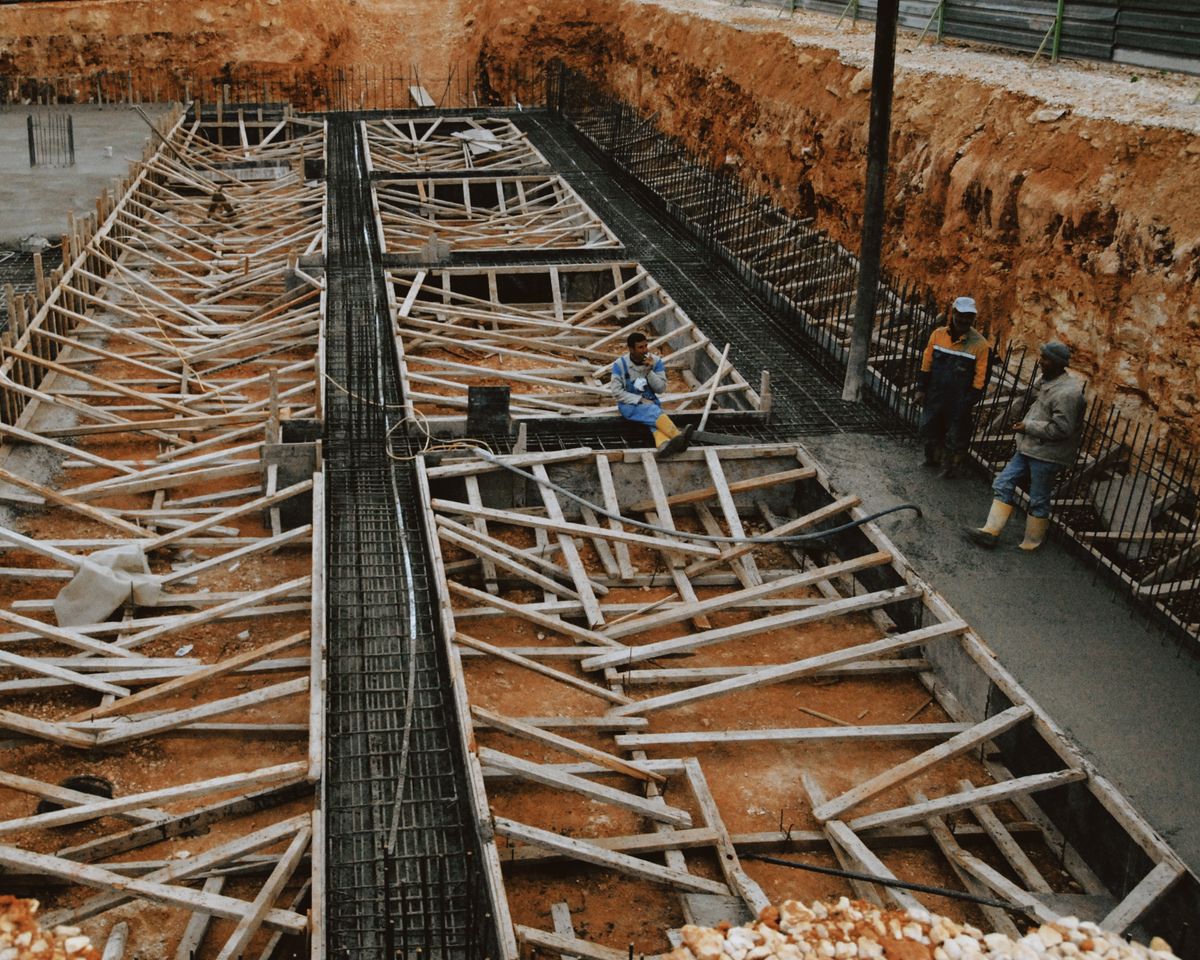
Why Is Temporary Stability Important in Precast Construction?
Are precast elements stable immediately after placement?
Not necessarily. An element may require engineered temporary support until the relevant permanent structural connections and other required construction stages have been completed and accepted.
What is temporary bracing?
Temporary bracing is an engineered support arrangement used to maintain structural stability during defined construction stages.
Its design, installation, inspection, and removal must follow approved temporary works documentation.
When can lifting equipment be released from a positioned element?
Equipment release must follow the approved erection procedure and confirmation from authorized personnel that the required stability and support conditions have been satisfied.
No generic article or equipment rental checklist can replace the engineering assessment required for this decision.
How Do I Coordinate Crane Rental With Precast Connection Work?
What are precast structural connections?
Structural connections are designed interfaces that connect precast components to other elements or supporting structures.
They form part of the approved structural system and may involve different materials and construction methods depending on the design.
Why should connection materials be available before installation?
Missing connection materials or incomplete supporting work can interrupt the approved erection sequence and affect equipment utilization.
Who confirms that connection work is complete?
The responsible engineering, installation, and quality personnel confirm completion according to the project's inspection and acceptance requirements.
How Do I Plan Equipment for Architectural Precast Facades?
What makes facade panel installation different?
Architectural facade elements may require additional attention to visible finishes, dimensional coordination, building interfaces, and alignment with the approved architectural design.
Should facade panels be identified by their building location?
Yes. An approved identification system helps ensure that each manufactured panel is delivered and installed in its intended position.
Can similar-looking facade panels be exchanged?
Not without verification and the required approvals. Panels that appear identical may have different embedded connections, structural characteristics, dimensions, or installation requirements.
How Do I Coordinate Equipment for Precast Columns and Beams?
Why should columns and beams have separate equipment requirements?
Their dimensions, verified weights, handling orientations, receiving conditions, and structural roles may differ.
Equipment assessment should reflect the approved requirements of each element category.
Can equipment be scheduled across several structural stages?
Yes, when the approved construction sequence, equipment suitability, and rental arrangements support such coordination.
Should equipment availability influence structural engineering decisions?
Equipment availability can be considered during project planning, but it must not override the approved structural or lifting requirements.
How Do I Manage Precast Slab Delivery and Installation?
Why should slab identification be checked before unloading?
Different slab elements may have different structural properties, dimensions, reinforcement arrangements, openings, and designated positions.
Identification checks help prevent incorrect installation and unnecessary handling.
Can different slab systems use identical lifting accessories?
Not necessarily. The applicable handling arrangements depend on the manufacturer, slab design, lifting provisions, and approved equipment configuration.
How should crane availability be coordinated with slab installation?
Crane bookings should reflect the approved installation program, confirmed component deliveries, receiving conditions, and availability of the necessary installation personnel.
How Do I Prepare a Precast Installation Responsibility Matrix?
Why is a responsibility matrix useful?
A responsibility matrix identifies which organization or person is responsible for specific approvals, deliveries, inspections, construction activities, and equipment arrangements.
Does the crane rental company automatically manage every installation activity?
No. Responsibilities depend on the rental agreement and approved project organization. Equipment rental, lifting supervision, structural installation, temporary works, and quality acceptance may involve separate parties.
What responsibilities should be clarified before mobilization?
Clarify equipment provision, operator arrangements, engineering approval, lifting accessories, site preparation, transportation coordination, temporary works, inspections, and commercial management.
| Activity | Typical Responsible Party | Required Deliverable |
|---|---|---|
| Element manufacturing approval | Precast manufacturer and quality team | Approved manufacturing release records |
| Structural erection planning | Responsible structural engineers | Approved erection documentation |
| Temporary works design | Qualified temporary works engineers | Approved support and stability design |
| Lifting assessment | Qualified lifting personnel | Approved task-specific lifting arrangements |
| Equipment provision | Equipment rental provider | Equipment supplied according to the agreed scope |
| Delivery coordination | Logistics and construction management teams | Confirmed delivery program |
| Site readiness | Principal contractor | Authorized receiving and working arrangements |
| Structural installation | Qualified erection contractor | Installation according to approved procedures |
| Quality acceptance | Designated engineering and quality personnel | Inspection and acceptance documentation |
This matrix is an illustrative project management framework. Actual responsibilities must be defined by the signed contracts and approved project organization.
How Do I Calculate Precast Installation Equipment Rental Duration?
Should rental duration be based only on the number of panels?
No. The total number of elements is one planning input, but rental duration also depends on component characteristics, approved installation activities, delivery coordination, site readiness, inspections, and contractual working periods.
Can I use a hypothetical installation rate for preliminary budgeting?
Yes, provided the rate is clearly identified as an assumption rather than a guaranteed installation output.
Final scheduling should use validated project information and the approved construction program.
How can I estimate preliminary equipment booking periods?
For preliminary commercial planning, divide the total number of comparable installation activities by an assumed and appropriately validated daily output.
Then account for the relevant mobilization, demobilization, coordination, and schedule allowances.
| Planning Item | Hypothetical Quantity | Commercial Interpretation |
|---|---|---|
| Total comparable precast elements | 120 elements | Illustrative project installation quantity |
| Assumed installation output | 12 elements per working day | Preliminary budgeting assumption |
| Estimated productive installation period | 10 working days | 120 divided by 12 |
| Illustrative additional schedule allowance | 2 working days | Allowance for selected project coordination requirements |
| Preliminary equipment booking period | 12 working days | Estimated productive period plus allowance |
All figures are hypothetical examples used to demonstrate commercial scheduling calculations. They are not MORP productivity figures, guaranteed installation rates, engineering recommendations, or Saudi market averages.
Actual equipment booking periods must be determined from approved project requirements and agreed contractual conditions.
Should I Rent Precast Installation Equipment by the Day or Month?
When is hourly equipment rental appropriate?
Hourly rental may be appropriate for clearly defined tasks when equipment mobilization, minimum rental conditions, site readiness, and the approved installation program support that arrangement.
When should I consider daily or weekly rental?
Daily or weekly rental may be suitable when installation activities are scheduled across consecutive working periods with coordinated component deliveries.
When does monthly or project-based rental make sense?
Monthly or project-based rental may be considered for extended construction programs involving multiple precast installation phases and ongoing equipment requirements.
The most suitable commercial arrangement should reflect the actual project schedule, agreed rental conditions, and anticipated equipment utilization.
How Do I Manage Equipment Standby During Precast Construction?
What is equipment standby?
Equipment standby refers to periods when rented machinery remains allocated to a project but is not performing its planned productive activity.
What can cause standby during precast installation?
Potential causes include delayed component deliveries, incomplete receiving arrangements, pending engineering approvals, unavailable installation personnel, and changes to the approved construction program.
How should standby conditions be addressed in the rental agreement?
The rental agreement should clarify how standby periods, schedule changes, equipment availability, and relevant cancellation or rescheduling conditions are handled commercially.
These conditions should be agreed before equipment mobilization.
How Do I Manage Changes to the Precast Installation Schedule?
Can installation priorities change during construction?
Project schedules may change because of manufacturing progress, design revisions, site readiness, or other construction requirements.
Changes must be coordinated through the authorized project management and engineering processes.
Should the rental provider receive updated schedules?
Yes. Timely communication of approved schedule changes helps coordinate equipment availability, transportation, rental extensions, and potential demobilization requirements.
Can a different crane be supplied when requirements change?
Alternative equipment may be considered when available, but it must be assessed and approved for the revised task before being used.
How Do I Verify Rental Equipment Documentation?
What equipment information should be reviewed?
Review the equipment identification, manufacturer documentation, applicable inspection records, maintenance status, approved operating characteristics, and other documents required by the project.
Are operator qualifications important?
Yes. Personnel involved in equipment operation and lifting activities should meet the qualifications and authorization requirements applicable to their responsibilities and the project.
Should supporting lifting equipment be documented separately?
Yes, where required. Relevant lifting accessories and supporting equipment must satisfy the applicable inspection, compatibility, and documentation requirements established for the task.
How Do I Protect Precast Installation Progress From Equipment Interruptions?
Should contractors discuss equipment replacement arrangements?
Yes. For schedule-sensitive projects, discuss available support arrangements, reporting procedures, potential replacement options, and the applicable contractual conditions before confirming the rental agreement.
Does technical support guarantee immediate replacement?
No. Replacement equipment availability depends on the required machine, project location, fleet availability, transportation arrangements, and necessary engineering approval.
Does MORP provide ongoing support?
Modernity Contracting provides support 24 hours a day, seven days a week. Specific service response arrangements, equipment availability, and replacement conditions should be confirmed in the applicable quotation or rental agreement.
Can I Rent Precast Construction Equipment Outside Riyadh?
Does MORP serve construction projects throughout Saudi Arabia?
Yes. Modernity Contracting provides crane and heavy equipment rental services from Riyadh to projects across Saudi Arabia, subject to equipment availability, project requirements, and agreed mobilization arrangements.
Can equipment be arranged for projects in Jeddah or Dammam?
Project requirements in Jeddah, Dammam, and other Saudi cities can be discussed with MORP to determine suitable equipment options, availability, transportation requirements, and commercial arrangements.
What information is needed for equipment rental outside Riyadh?
Provide the project city, general site location, approved equipment requirements, expected rental duration, element schedule, intended mobilization date, and relevant contractual requirements.
How Much Does Precast Concrete Equipment Rental Cost in Saudi Arabia?
Is there a fixed rental price for precast concrete cranes?
No universal rental price applies to every precast construction project.
Pricing depends on the approved equipment requirements, rental period, project location, mobilization arrangements, included services, and contractual conditions.
Does the number of precast elements influence equipment rental cost?
Yes, the installation quantity may influence equipment booking duration and utilization requirements. However, the characteristics of the individual elements and the approved installation program are also important.
How can I obtain a reliable project quotation?
Provide the authorized project documentation, verified component information, installation schedule, expected rental duration, project location, and defined equipment scope.
| Cost Factor | Potential Commercial Impact | Information Required |
|---|---|---|
| Precast element categories | Influence equipment assessment requirements | Approved component schedule |
| Verified element weights and dimensions | Influence suitable equipment selection | Manufacturer and engineering documentation |
| Installation program | Determines expected equipment booking periods | Approved erection schedule |
| Equipment category | Influences the rental scope and commercial quotation | Approved equipment requirements |
| Project location | Affects transportation and mobilization arrangements | Project city and general location |
| Supporting equipment | May increase the overall rental scope | Approved supporting machinery requirements |
| Rental duration | Influences hourly, daily, weekly, or monthly arrangements | Anticipated working periods |
| Standby conditions | May affect total invoiced rental costs | Agreed commercial standby provisions |
| Included services | Determine the responsibilities covered by the quotation | Defined operator, transport, support, and service scope |
MORP provides project-specific quotations based on the actual equipment requirements and agreed rental scope. This article does not advertise unverified rental rates, machine capacities, or guaranteed installation outputs.
How Do I Compare Precast Equipment Rental Quotations?
Should I select the company with the lowest rental rate?
Not automatically. Quotations should first be compared against the approved technical requirements and then evaluated according to their complete commercial scope.
What commercial exclusions should I review?
Review whether transportation, mobilization, demobilization, operator arrangements, fuel, standby, overtime, supporting equipment, and other relevant services are included or excluded.
Why should suppliers receive the same project information?
Providing consistent authorized project information makes it easier to compare quotations on equivalent technical and commercial requirements.
It also reduces the risk of selecting an apparently inexpensive offer that covers a substantially narrower scope.
How Do I Track Equipment Utilization During Precast Construction?
What is productive equipment utilization?
Productive utilization describes the portion of an agreed equipment allocation period spent performing the designated productive work.
How can contractors measure equipment utilization?
Contractors can record allocated equipment hours, productive operating periods, standby, authorized inspections, schedule interruptions, and other relevant activities using consistent reporting definitions.
Productive utilization percentage=(Productive equipment hours ÷ Allocated equipment hours) × 100
Should higher utilization always be the primary objective?
No. Equipment utilization is a commercial planning metric, not a reason to shorten required safety procedures, engineering reviews, inspections, or appropriate operating intervals.
Safe execution and structural quality must remain the controlling priorities.
How Do I Review Precast Elements After Installation?
Does placing an element complete the installation process?
No. Placement is one stage within an approved construction process that may include temporary support, structural connections, dimensional verification, inspections, and subsequent acceptance activities.
Who should review visible damage or defects?
Potential defects should be recorded and referred to the responsible manufacturer, structural engineer, and quality personnel for appropriate assessment.
Can damaged concrete elements be repaired without approval?
Repairs affecting the structural or architectural characteristics of an element should follow the applicable engineering review and approved repair procedures.
How Do I Organize Equipment Demobilization After Precast Installation?
Should equipment leave immediately after the final planned lift?
Equipment demobilization should follow confirmation that its contracted work is complete and that any remaining approved handling requirements have been addressed.
Who confirms that equipment can be released from the project?
The designated construction management and equipment coordination personnel should confirm release according to the agreed rental conditions and project requirements.
What documentation should be completed before final rental settlement?
Review equipment allocation records, operating periods, standby records, authorized changes, transport arrangements, and other documents required under the rental agreement.
What Are the Most Common Precast Equipment Rental Mistakes?
Why is booking a crane before receiving approved element information a mistake?
Equipment booked without reliable component information may not satisfy the actual lifting requirements, resulting in unnecessary changes, delays, or additional mobilization costs.
Why is ignoring the factory delivery sequence a commercial risk?
Uncoordinated deliveries can interrupt the installation program, increase equipment standby, and create unnecessary storage or handling requirements.
What other mistakes should construction contractors avoid?
- Using estimated element weights as final lifting information.
- Ignoring approved precast manufacturer handling instructions.
- Booking equipment without reviewing the erection sequence.
- Assuming that similar concrete elements have identical handling requirements.
- Failing to confirm manufacturing release before delivery.
- Scheduling installation before receiving areas are ready.
- Overlooking approved temporary works requirements.
- Changing the structural erection sequence without authorization.
- Assuming that equipment rental includes every installation responsibility.
- Failing to coordinate transportation and crane availability.
- Allowing commercial pressure to override engineering decisions.
- Ignoring architectural surface protection requirements.
- Using unsupported productivity assumptions as contractual guarantees.
- Accepting equipment substitutions without technical assessment.
- Failing to define standby and rescheduling conditions.
- Releasing equipment before authorized completion of its required work.
- Neglecting inspection and installation acceptance documentation.
What Is the Precast Concrete Equipment Rental Checklist?
What should I prepare before requesting a crane rental quotation?
Use the following checklist to organize the commercial, engineering, manufacturing, logistics, and equipment information needed for preliminary rental planning.
- ☐ Identify the project city and general construction site location.
- ☐ Obtain the approved precast element schedule.
- ☐ Verify component identification and drawing revisions.
- ☐ Obtain verified lifting weights and dimensions.
- ☐ Review manufacturer-approved handling documentation.
- ☐ Confirm the required manufacturing release process.
- ☐ Obtain the approved structural erection sequence.
- ☐ Confirm engineering responsibilities for temporary works.
- ☐ Establish the approved lifting assessment requirements.
- ☐ Coordinate factory production and transportation schedules.
- ☐ Verify readiness of designated receiving areas.
- ☐ Confirm the required equipment categories.
- ☐ Identify approved supporting machinery requirements.
- ☐ Establish the intended rental duration.
- ☐ Confirm equipment mobilization requirements.
- ☐ Clarify operator and supervision responsibilities.
- ☐ Review required equipment documentation.
- ☐ Define standby and rescheduling conditions.
- ☐ Discuss equipment support and replacement arrangements.
- ☐ Establish quality inspection and acceptance responsibilities.
- ☐ Confirm equipment release and demobilization procedures.
- ☐ Obtain a written quotation covering the complete agreed scope.
Does this checklist replace an approved lifting or erection plan?
No. It is a general procurement and coordination aid. Actual lifting, structural installation, temporary stability, and equipment operation must follow the project-specific engineering documentation and applicable authorized procedures.
When should the rental requirements be reviewed again?
Review the requirements whenever approved element information, structural sequencing, site conditions, delivery schedules, equipment availability, or contractual arrangements change.
What Are the Frequently Asked Questions About Precast Equipment Rental?
1. What equipment is needed for precast concrete installation?
Precast projects may require mobile cranes, rough-terrain cranes, approved specialized lifting equipment, and supporting machinery. The exact equipment must be selected according to the verified component information and approved project requirements.
2. Can I rent a mobile crane for precast wall panel installation?
Yes. Mobile crane rental may be considered when the selected equipment satisfies the approved lifting assessment, element handling requirements, and site conditions.
3. How do I calculate the crane capacity required for a precast element?
Qualified lifting personnel must determine the required equipment characteristics using verified component data, manufacturer documentation, applicable load charts, and the approved task-specific lifting assessment.
Advertised maximum crane capacity alone is insufficient for this decision.
4. Can precast panels be installed directly from delivery trucks?
Direct installation may be possible when the approved transportation, lifting, receiving, structural, and temporary stability arrangements support that method.
5. Why is temporary bracing important during precast installation?
Engineered temporary support may be necessary to maintain stability until the required permanent structural conditions and connections have been established and accepted.
6. Can I rent equipment for an entire precast construction project?
Yes. MORP offers project-based and flexible rental arrangements that can be discussed according to the approved installation program, equipment requirements, and anticipated duration.
7. Does MORP provide equipment rental throughout Saudi Arabia?
Yes. MORP serves Riyadh and projects across Saudi Arabia, subject to equipment availability and agreed project-specific mobilization arrangements.
8. How much does precast crane rental cost?
Rental pricing depends on the equipment category, approved project requirements, booking duration, location, mobilization, included services, and contractual conditions. Contact MORP for a project-specific quotation.
9. Can I arrange several types of equipment through one rental provider?
Multiple equipment requirements can be discussed with MORP, including suitable cranes, forklifts, aerial work platforms, and supporting machinery, subject to availability and approved technical requirements.
10. What information should I send to MORP for a precast project quotation?
Provide the project location, authorized element schedule, verified weights and dimensions, approved equipment requirements, intended installation dates, expected rental duration, and relevant commercial scope.
How Can MORP Support Precast Construction Projects in Saudi Arabia?
Can MORP provide equipment for different precast installation phases?
Modernity Contracting offers crane and heavy equipment rental options that can be discussed in relation to different precast construction stages, subject to equipment availability and the approved requirements of each activity.
Available equipment categories include mobile cranes, rough-terrain cranes, spider cranes, telescopic crawler Pick & Carry cranes, forklifts, boom lifts, scissor lifts, skid steer loaders, and mobile lighting towers.
Does MORP offer flexible rental arrangements?
Yes. MORP offers hourly, daily, weekly, monthly, and project-based rental options, with support available 24 hours a day, seven days a week.
Specific equipment availability, rental inclusions, mobilization conditions, and service arrangements should be confirmed in the applicable project quotation.
What information should contractors prepare before contacting MORP?
To support an initial project assessment, prepare the following authorized information:
- Project city and general construction site location.
- Precast concrete component categories.
- Approved element schedule.
- Verified component dimensions and lifting weights.
- Relevant manufacturer handling documentation.
- Approved equipment requirements.
- Expected installation and delivery program.
- Required supporting machinery.
- Anticipated rental duration.
- Preferred mobilization date.
- Contractual responsibilities and requested service inclusions.
These details allow the equipment rental scope to be discussed against the actual construction requirements before a commercial commitment is made.
Conclusion: How Do I Rent Equipment for Precast Concrete Work?
Successful precast concrete installation equipment rental begins with coordinating manufactured elements, approved engineering requirements, factory deliveries, and the structural erection program.
Obtain verified element information and manufacturer handling documentation before requesting equipment. Coordinate the installation contractor, structural engineers, temporary works specialists, transportation providers, and equipment rental company through a clearly defined project program.
Choose equipment based on the approved task-specific engineering assessment rather than advertised machine capacity or rental price alone.
Commercial planning should also address equipment booking periods, factory delivery changes, standby conditions, supporting machinery, quality acceptance, and equipment demobilization.
All lifting and installation activities must follow the applicable project-specific engineering documentation and authorized safety procedures. Equipment rental arrangements cannot replace structural design approval or professional lifting assessment.
Modernity Contracting (MORP) provides crane and heavy equipment rental services for construction, industrial, commercial, and infrastructure projects in Riyadh and across Saudi Arabia.
For contractors, procurement managers, structural installation companies, and construction project managers seeking equipment for precast concrete work, contact MORP to discuss approved equipment requirements and request a quotation tailored to the project scope.
Modernity Contracting (MORP) | Crane and Heavy Equipment Rental in Riyadh and Across Saudi Arabia
Official Website: https://www.morp-sa.com/