



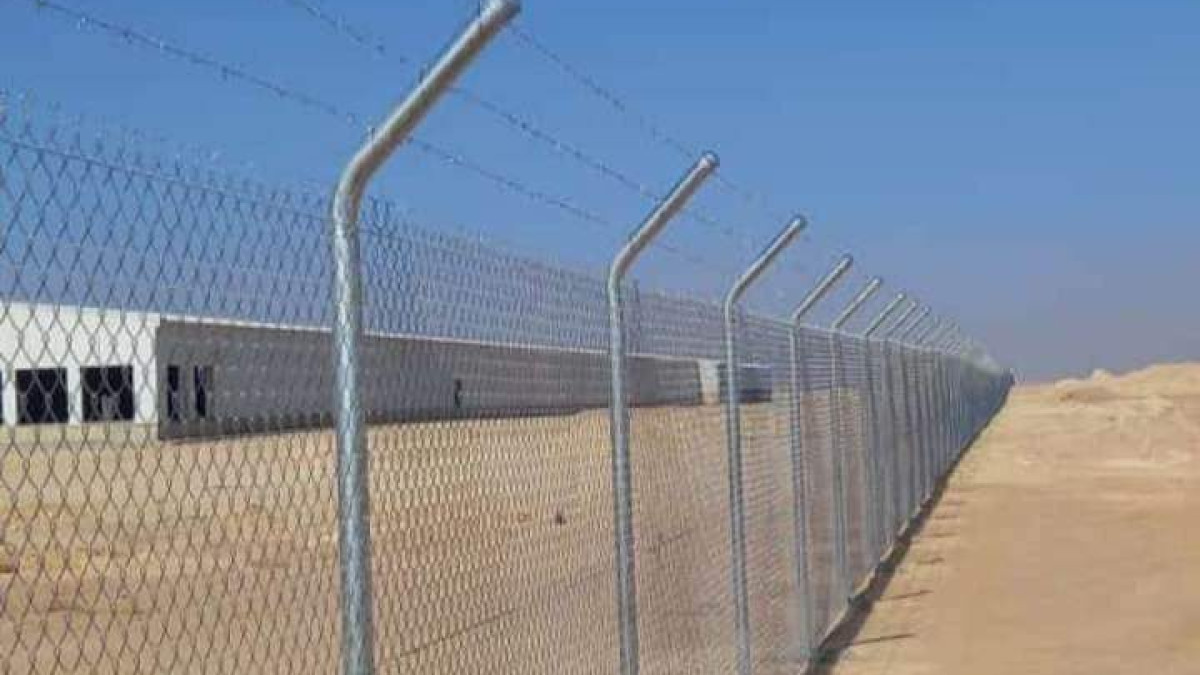
To fence an equestrian riding arena safely, design the boundary around the movement of horses and riders, select smooth and visible fencing components, eliminate hazardous projections, and provide entrances that accommodate mounted riders and maintenance equipment. The fencing system should reflect the arena's intended riding discipline, operating conditions, and professional equestrian safety requirements.
Unlike agricultural livestock enclosures, equestrian riding arenas are active training environments where horses move at different speeds, change direction, approach obstacles, and interact with riders and instructors. The boundary must therefore support safe riding activities rather than simply contain animals.
This guide from Shbok Rayat Najd explains how equestrian clubs, riding schools, private horse owners, and facility developers in Saudi Arabia can plan suitable arena fencing and surrounding protective barriers.
 Call Now
 WhatsApp
What Is Equestrian Riding Arena Fencing?
What is the purpose of an arena boundary?
An equestrian arena boundary defines the designated riding and training area. It provides a visible reference for riders, separates riding activities from surrounding operations, and helps organize movement between the arena and other facility areas.
Is arena fencing the same as horse paddock fencing?
No. Paddock fencing primarily supports horse containment during turnout, while arena fencing must accommodate active riding, training exercises, changing directions, and controlled access.
A fencing design suitable for a paddock is not automatically appropriate for an active riding arena.
Why Do Riding Arenas Require Specialized Fencing?
How does horse movement affect fencing requirements?
Horses may approach arena boundaries during turns, transitions, training exercises, and unexpected movements. Fencing should therefore be evaluated for visibility, surface characteristics, potential contact hazards, and suitability for the intended riding activity.
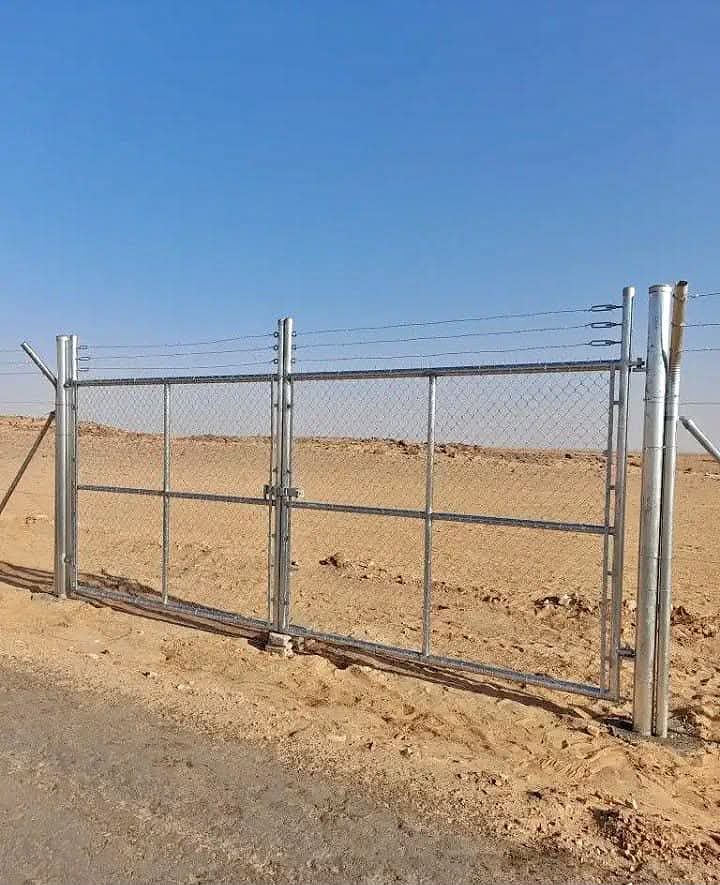
Why is conventional security fencing not always suitable?
Conventional perimeter security fencing may contain exposed wires, rigid projections, small openings, or other components that require careful evaluation before being used near active horse and rider movement.
Security fencing can serve a valuable role around the wider equestrian property, but the immediate riding boundary requires a separate assessment.
What Types of Equestrian Arenas Need Fencing?
Do all riding disciplines require identical boundaries?
No. Riding lessons, dressage, show jumping, lunging, and general horse training involve different movements and operational requirements.
How do arena requirements differ by activity?
| Arena Type | Primary Activity | Boundary Design Priority |
|---|---|---|
| General riding arena | Everyday horse riding and exercises | Visible and appropriately designed riding boundary |
| Riding school arena | Structured riding lessons | Controlled access and suitability for beginner riders |
| Dressage arena | Precision riding movements | Clear arena geometry and discipline-specific requirements |
| Show jumping arena | Jumping courses and technical training | Appropriate clearance between obstacles and boundaries |
| Lunging arena | Controlled groundwork and circular exercises | Boundary geometry appropriate for the training method |
| Competition warm-up arena | Preparation before equestrian competitions | Controlled movement and suitable operational access |
Competition facilities should also review the requirements of the relevant governing organization before finalizing arena specifications.
How Do I Define the Correct Arena Boundary?
Should the fence follow the entire available land area?
Not necessarily. The arena boundary should follow the approved riding layout rather than simply enclosing all available land. Space may also be needed for equipment storage, maintenance access, spectator areas, horse circulation, and emergency procedures.
What information is required before designing the boundary?
The design team should understand the intended riding activities, arena dimensions, expected number of users, horse movement routes, ground conditions, and the relationship between the arena and surrounding facilities.
How Do I Separate Arena Fencing From Property Security Fencing?
Can one fence perform both functions?
In some situations, a carefully designed system may serve multiple purposes. However, the immediate riding boundary and the outer property security perimeter often have different functional requirements.
Why is a two-boundary approach worth considering?
A dedicated arena boundary can focus on the needs of horses and riders, while the outer perimeter can address unauthorized access, property protection, and wider facility management.
This separation allows each fencing system to be designed according to its actual purpose.
Which Fencing Materials Are Suitable for Riding Arenas?
Are wooden rails appropriate for equestrian facilities?
Properly designed wooden rail systems are commonly associated with equestrian facilities because they provide a recognizable visual boundary. Their suitability depends on material quality, surface condition, connection design, structural stability, and ongoing maintenance.
Can metal fencing be used around equestrian arenas?
Metal components may be suitable when specifically designed for equestrian applications. Smooth surfaces, appropriate geometry, protected connections, and the absence of hazardous projections are important considerations.
How Do Different Equestrian Fencing Systems Compare?
Is the strongest available fence always the safest option?
No. Structural strength is important, but excessive rigidity, unsuitable openings, and hazardous surface details may create additional concerns. Safety depends on the complete design and intended application.
What fencing options should facility owners evaluate?
| Fencing System | Potential Application | Key Design Consideration |
|---|---|---|
| Purpose-designed wooden rail fencing | Traditional outdoor riding arenas | Surface condition, splintering, and connection safety |
| Purpose-designed polymer rail systems | Selected equestrian training facilities | UV resistance, structural performance, and manufacturer specifications |
| Smooth tubular metal systems | Selected permanent equestrian boundaries | Protected connections and suitability for horse contact environments |
| Purpose-designed equine mesh fencing | Selected equestrian containment applications | Opening geometry and entrapment risk assessment |
| Low dressage boundary systems | Specific dressage layouts | Not intended to function as complete horse containment fencing |
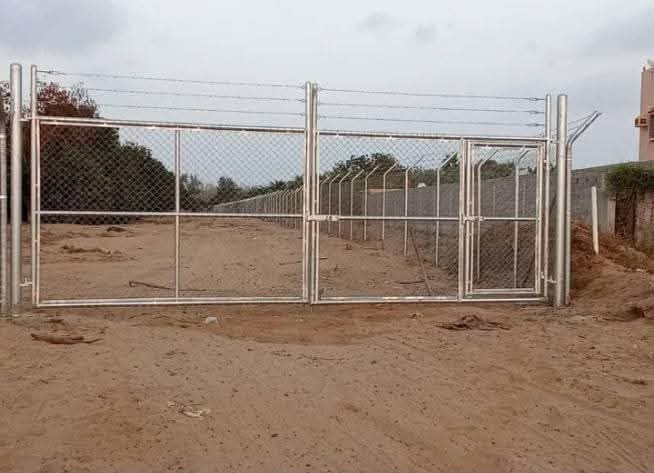
| Conventional galvanized perimeter mesh | Outer property and selected non-riding zones | Separation from direct horse contact where required |
The final selection should be reviewed by qualified equestrian facility designers and relevant technical specialists.
Why Is Fence Visibility Important for Horses?
Should arena fencing be easy to distinguish from its surroundings?
Yes. A clearly identifiable boundary helps riders understand the usable arena area and supports consistent visual definition during training activities.
What can reduce boundary visibility?
Low contrast against the surrounding environment, damaged rails, excessive shadows, accumulated dust, and visual clutter near the arena may make the boundary less distinguishable.
Visibility should be assessed under the actual daylight and evening conditions in which the arena operates.
How Do I Reduce Horse Entrapment Risks Near Fencing?
Why are fence openings important?
Unsuitable openings may allow a horse's hoof, leg, head, or equipment to become caught. The risk depends on opening geometry, the type of animal, surrounding components, and the circumstances of contact.
Can a standard mesh opening size be recommended for every arena?
No. Opening dimensions must be evaluated for the intended equestrian application, including the types of horses using the facility and the location of the fencing relative to riding activities.
Only systems specifically assessed as suitable for the intended application should be considered for direct horse-contact areas.
Why Should Exposed Wires and Sharp Components Be Avoided?
What components require particular attention?
- Exposed wire ends.
- Unprotected bolts and fasteners.
- Damaged rail connections.
- Sharp metal edges.
- Broken or splintered wooden surfaces.
- Protruding brackets.
- Loose fencing accessories.
Can barbed wire be used as a riding arena boundary?
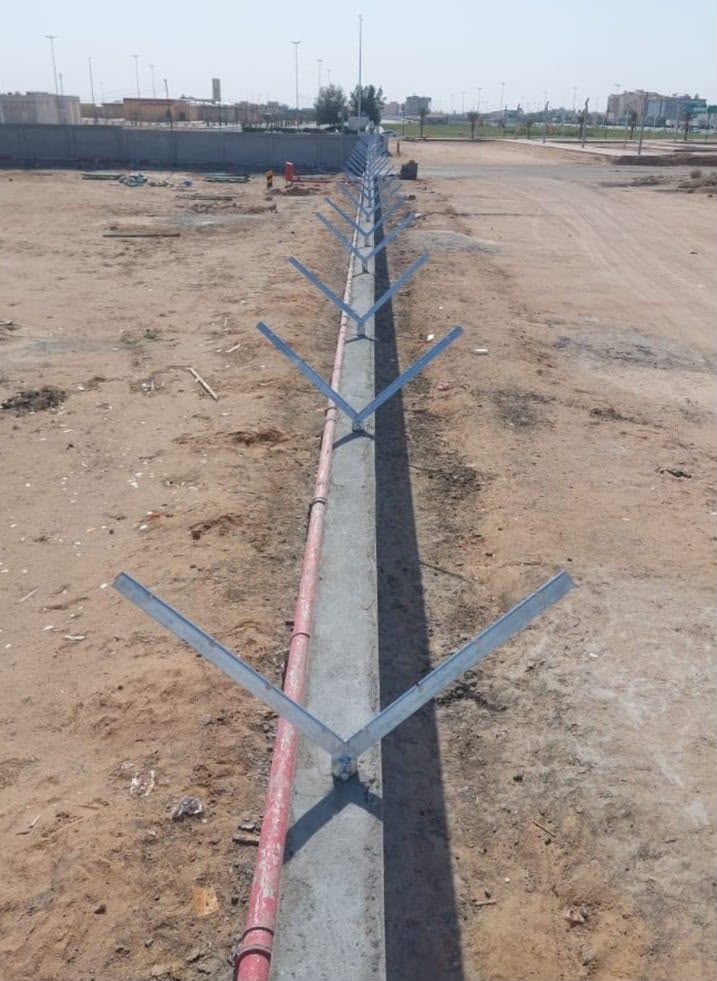
Barbed wire and other sharp deterrent systems should not be used as the direct boundary of active riding areas. Outer property security requirements should be addressed separately without introducing unnecessary contact hazards near horses.
How Should Arena Fence Posts Be Positioned?
Why does post placement matter inside riding areas?
Posts and their connections can influence the consequences of accidental contact. The riding-facing side should be evaluated for projections, surface continuity, and compatibility with the intended equestrian activity.
Should concrete foundations remain exposed inside the arena?
Exposed foundations or abrupt changes in ground level may introduce unnecessary contact or tripping hazards. Foundation details should be coordinated with the arena surface and reviewed by the responsible designer.
How Do I Design Safe Arena Corners?
Why are arena corners important during training?
Riders frequently use the corners to change direction, maintain riding patterns, and perform specific exercises. The boundary geometry should support the planned riding discipline without introducing unexpected obstructions.
Should all arenas use rounded corners?
No. Corner geometry depends on the riding discipline and intended layout. Dressage and general riding arenas may require defined rectangular geometry, while other training facilities may use curved boundaries.
The design should follow the intended activity rather than a universal fencing shape.
How Do I Choose an Entrance Gate for a Riding Arena?
What should an arena entrance accommodate?
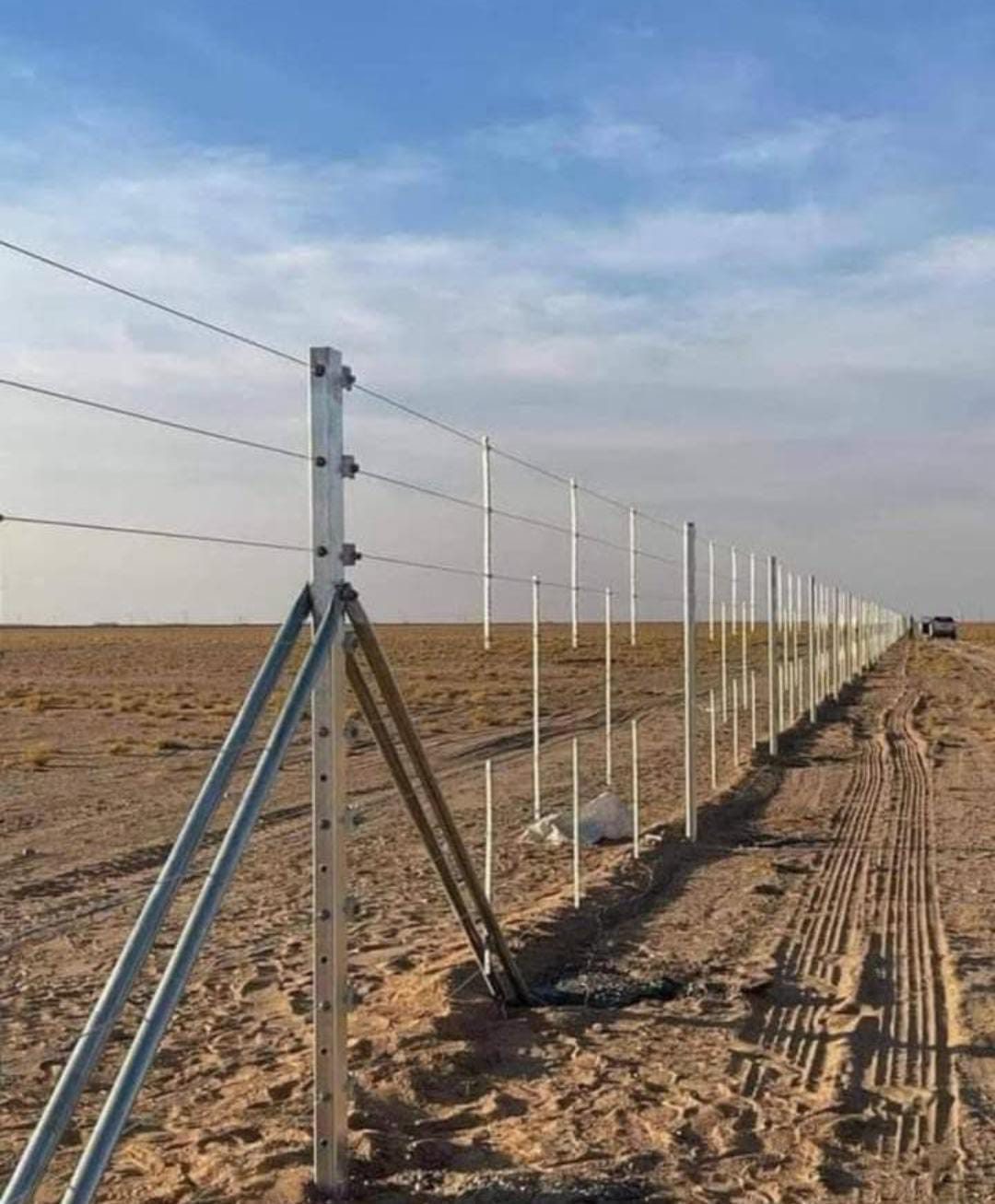
Depending on the facility, the entrance may need to accommodate horses led by handlers, mounted riders, instructors, grooming equipment, and arena maintenance machinery.
What makes a gate suitable for equestrian use?
Important considerations include suitable opening dimensions, safe operating characteristics, visible positioning, protected connections, and compatibility with the riding environment.
Should Horses and Maintenance Vehicles Use the Same Gate?
What problems can arise from shared access?
Shared access may create operational conflicts when horses enter or leave the arena while maintenance machinery or other vehicles are moving through the same area.
How can access be organized more effectively?
Where appropriate, separate routine horse access from maintenance vehicle access. When separate entrances are not practical, the facility should establish controlled operating procedures that prevent conflicting movements.
| Access Type | Typical Users | Planning Objective |
|---|---|---|
| Horse entrance | Horses and handlers | Controlled movement into and out of the riding area |
| Mounted rider access | Riders on horseback | Appropriate clearance and safe entry conditions |
| Maintenance entrance | Arena grooming and maintenance equipment | Equipment access without disrupting riding activities |
| Instructor access | Trainers and authorized staff | Convenient access under facility operating procedures |
| Emergency access | Authorized response personnel | Compatibility with the facility's emergency plan |
How Should Riding Arena Gates Be Operated?
Can an open gate create a hazard?
Yes. An improperly positioned or unsecured gate can project into riding areas, interfere with horse movement, or change position unexpectedly.
What operating characteristics should be reviewed?
Review how the gate opens, how it remains secured in its intended position, how latches operate, and whether its components create potential contact hazards.
Gate operation should form part of the facility's documented riding and access procedures.
How Do I Separate Spectators From Active Riding Areas?
Why should spectators have designated viewing areas?
Uncontrolled spectator movement near horses can interfere with training activities and create operational risks. Designated viewing areas help organize the relationship between visitors, instructors, and active riding spaces.
Can galvanized mesh be used for spectator separation?
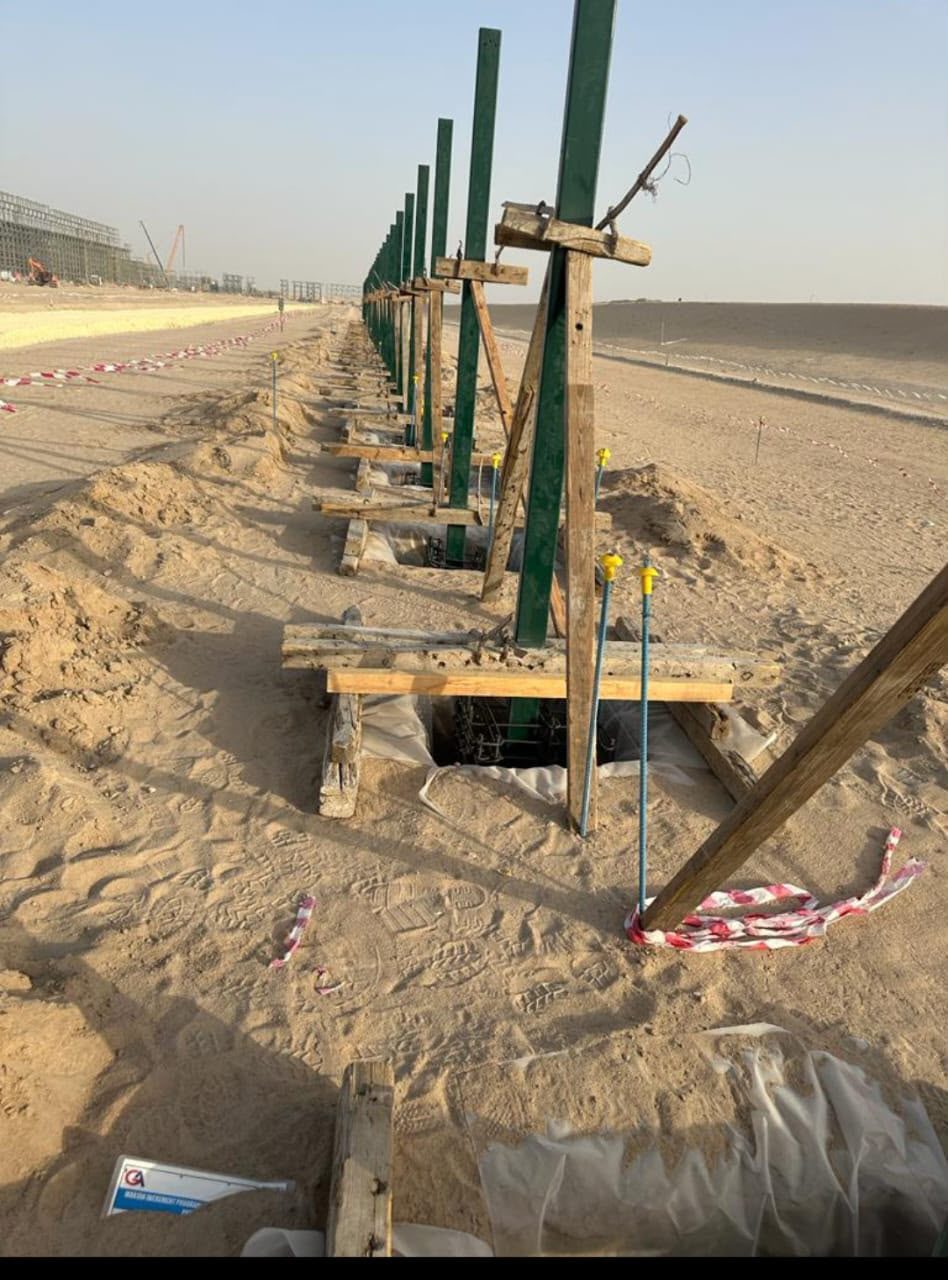
Galvanized mesh may be considered for appropriate spectator or outer circulation barriers, provided the design complies with relevant safety requirements and maintains suitable separation from horse-contact areas.
How Do I Plan Horse Movement Between Stables and Arenas?
Should horse circulation routes cross vehicle routes?
Where practical, facility layouts should minimize unnecessary conflicts between horse circulation, vehicle movement, deliveries, and public access.
What role can fencing play in organizing these routes?
Appropriately designed fencing and barriers can define circulation corridors, discourage unauthorized access, and guide movement according to the facility's operating procedures.
How Do I Fence an Arena Used by Beginner Riders?
Why do riding schools require additional planning?
Beginner riders may have less experience controlling horse movement, maintaining direction, and responding to unexpected situations. Facility design should therefore reflect the nature of supervised riding lessons.
What should riding school operators review?
Review boundary visibility, instructor access, entrance control, spectator separation, arena occupancy procedures, and the suitability of the riding surface and fencing system.
Physical fencing should complement qualified instruction and appropriate supervision rather than replace them.
How Do I Plan Boundaries for a Show Jumping Arena?
Can jumps be positioned directly beside the fence?
Obstacle positioning requires careful consideration of approach routes, landing areas, turning space, riding level, and applicable equestrian requirements. Obstacles should not be placed solely according to available space.
Who should determine the relationship between jumps and fencing?
A qualified course designer or appropriate equestrian specialist should determine the obstacle layout and boundary clearances according to the intended training or competition requirements.
How Do Dressage Boundaries Differ From Ordinary Arena Fencing?
What is the purpose of a dressage boundary?
A dressage boundary defines the performance area and provides visual references for prescribed riding movements. Specific arena layouts may incorporate markers and boundary arrangements appropriate to the discipline.
Can a low dressage boundary contain an uncontrolled horse?
A low dressage boundary should not be treated as a complete horse containment system. The wider facility may require a separately designed perimeter and controlled access arrangements.
How Does Arena Footing Affect Fence Installation?
Why must the fence be coordinated with the riding surface?
Arena footing can influence the effective height of the boundary, expose or conceal foundation elements, and change the relationship between the ground and fencing components.
What happens when footing is added or replaced?
Changes to footing depth may alter the conditions around the boundary. The facility should review relevant ground clearances, drainage, exposed components, and gate operation after significant surface modifications.
How Can Arena Maintenance Equipment Affect the Fence?
Can arena grooming machinery damage boundary components?
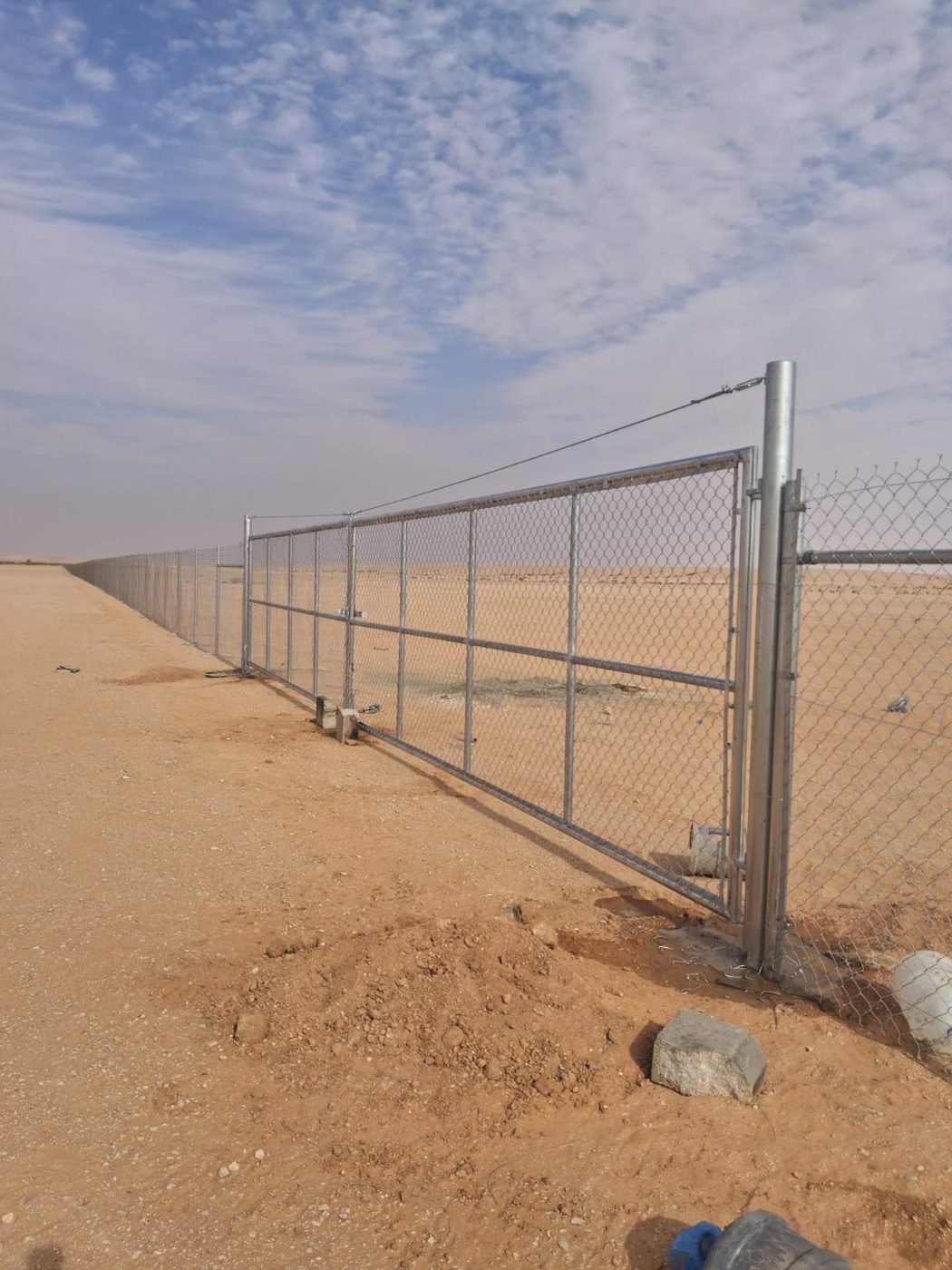
Yes. Maintenance equipment operating close to the boundary may contact posts, rails, lower components, or gate structures if the layout does not provide appropriate operating space.
How can facility operators reduce this risk?
Coordinate fencing positions with the dimensions and operating requirements of maintenance machinery. Establish appropriate procedures for grooming the arena near its edges.
How Do I Protect Arena Boundaries From Sand Accumulation?
Why is sand accumulation relevant in Saudi Arabia?
Windblown sand and routine arena grooming may redistribute surface material around fence lines, gates, and foundations.
This can affect ground clearances, expose or cover components, and interfere with normal gate operation.
What should maintenance teams inspect?
Inspect changes in footing levels, accumulated sand around gates, exposed foundation elements, and differences in ground conditions along the riding boundary.
How Does Saudi Arabia's Climate Affect Equestrian Fencing?
Can prolonged sunlight affect fencing materials?
Yes. Ultraviolet exposure and high temperatures may affect certain polymers, coatings, sealants, and other materials, depending on their composition and intended operating conditions.
What should buyers review before selecting materials?
Review manufacturer specifications, outdoor suitability, expected maintenance requirements, temperature limitations, surface characteristics, and compatibility with equestrian applications.
| Environmental Condition | Potential Effect | Planning Consideration |
|---|---|---|
| Intense sunlight | Degradation of unsuitable materials | Verify outdoor and UV suitability |
| High summer temperatures | Changes in material behavior and surface temperature | Review material performance and contact conditions |
| Windblown sand | Surface abrasion and accumulation | Plan inspection and cleaning procedures |
| Seasonal rainfall | Changes in ground and drainage conditions | Coordinate foundations with site drainage |
| Routine arena watering | Repeated exposure to moisture | Select components suitable for the operating environment |
| Maintenance activity | Potential mechanical wear or damage | Provide suitable equipment access and operating clearance |
Can Privacy Screens Be Installed Around Riding Arenas?
Do privacy screens affect horse visibility and wind conditions?
They may change the visual environment and increase wind loads on the supporting fencing system. Loose or moving materials may also create distractions near horses.
What should be reviewed before installation?
Review structural capacity, wind exposure, attachment security, material behavior, horse-contact risks, and the intended visual separation. Additional screens should not be attached to an existing fence without appropriate technical assessment.
How Do I Coordinate Arena Fencing With Lighting Equipment?
Should lighting poles be installed inside the riding area?
Lighting equipment should be positioned according to the approved facility design, with attention to riding movements, potential contact hazards, maintenance access, and electrical safety.
Why should fencing and lighting be planned together?
Coordinated planning helps avoid unnecessary obstructions, incompatible foundation locations, and conflicts between electrical infrastructure, riding boundaries, and circulation routes.
How Do I Organize Multiple Riding Arenas Within One Facility?
Can several arenas share a boundary?
Shared boundaries may be considered when the design supports the activities on both sides and addresses potential interaction between horses using adjacent areas.
When is additional separation useful?
Additional separation may be appropriate when neighboring arenas serve different riding levels, training activities, competition functions, or operational schedules.
The required separation should be determined through the facility's professional design and operating assessment.
What Should I Inspect Before Opening a Newly Fenced Arena?
Is checking fence appearance sufficient?
No. Visual appearance does not establish suitability for equestrian use. A completed boundary should be reviewed for construction quality, approved design compliance, hazardous projections, access arrangements, and interaction with the riding surface.
What should the initial inspection include?
- Approved arena dimensions and boundary layout.
- Condition and alignment of fencing components.
- Security and suitability of connections.
- Absence of hazardous exposed edges or projections.
- Opening geometry and potential entrapment concerns.
- Condition of foundations and ground transitions.
- Gate movement and securing arrangements.
- Maintenance and spectator access.
- Compatibility with the intended riding activities.
- Review by appropriate equestrian and technical specialists.
How Often Should Riding Arena Fencing Be Inspected?
Should arena operators inspect the boundary before riding sessions?
Routine visual checks before use can help identify obvious damage, loose components, displaced barriers, and other visible hazards. These checks should complement scheduled technical inspections and maintenance procedures.
When are additional inspections necessary?
Additional inspections may be appropriate after accidental contact, severe weather, significant footing changes, maintenance machinery incidents, or modifications to the fencing system.
Any identified hazard should be assessed and addressed before the affected area is returned to use.
What Are the Main Cost Factors for Equestrian Arena Fencing?
How much does equestrian fencing cost in Saudi Arabia?
The total cost depends on the arena dimensions, selected fencing system, material specifications, foundation requirements, access arrangements, site conditions, and installation scope.
A reliable quotation requires actual project information rather than a universal price per meter that may not reflect equestrian-specific requirements.
What should a detailed fencing quotation include?
| Cost Component | Information Required | Reason for Inclusion |
|---|---|---|
| Arena boundary length | Approved dimensions and layout | Determine material quantities |
| Fencing system | Material, design, and intended application | Establish the appropriate specification |
| Foundations and supports | Ground conditions and structural requirements | Define installation requirements |
| Entrance gates | Number, dimensions, and operating requirements | Support controlled facility access |
| Spectator barriers | Viewing area layout and separation requirements | Organize public circulation |
| Outer security perimeter | Property boundaries and security objectives | Address wider facility protection |
| Installation and transportation | Project location and scope of work | Determine project execution requirements |
What Equestrian Standards Should Facility Owners Review?
Where can competition arena requirements be checked?
Facility owners planning competitive equestrian venues should consult the relevant discipline-specific rules and official governing organizations before finalizing arena layouts and boundary specifications.
The official website of the International Federation for Equestrian Sports (FEI) provides access to equestrian disciplines and associated regulations.
Are competition rules sufficient for complete facility safety?
No. Competition requirements address specific sporting activities and do not replace the complete structural, operational, veterinary, construction, and safety assessments needed for an individual facility.
This article provides general planning guidance and does not establish certified equestrian fencing specifications or confirm compliance with current competition regulations.
What Are the Most Common Equestrian Arena Fencing Mistakes?
What mistakes occur during planning and installation?
- Treating an active riding arena as a conventional livestock enclosure.
- Selecting materials based exclusively on price.
- Using ordinary security fencing without reviewing horse-contact risks.
- Ignoring the intended riding discipline.
- Allowing sharp fasteners or exposed wire ends near horses.
- Failing to evaluate potential entrapment hazards.
- Installing exposed foundations in unsuitable locations.
- Providing entrances that conflict with horse movement.
- Ignoring the relationship between arena footing and the boundary.
What mistakes occur during routine facility operation?
- Allowing damaged components to remain beside active riding areas.
- Operating maintenance vehicles while riding activities continue without appropriate controls.
- Leaving gates unsecured in unsuitable positions.
- Allowing spectators to enter operational horse circulation areas.
- Adding privacy materials without reviewing their suitability.
- Failing to inspect fencing after significant impacts or weather events.
- Modifying arena surfaces without reviewing changes around the boundary.
What Is the Equestrian Riding Arena Fencing Checklist?
What should be confirmed before installation?
- ☐ Identify the intended riding disciplines.
- ☐ Confirm approved arena dimensions and geometry.
- ☐ Separate riding boundary requirements from property security objectives.
- ☐ Select fencing systems suitable for the intended equestrian application.
- ☐ Review material durability and environmental suitability.
- ☐ Evaluate potential horse-contact and entrapment hazards.
- ☐ Review fencing connections and exposed components.
- ☐ Coordinate foundation details with the riding surface.
- ☐ Plan horse entrances and maintenance equipment access.
- ☐ Establish suitable spectator separation.
- ☐ Review horse circulation between facility areas.
- ☐ Coordinate fencing with lighting and drainage infrastructure.
- ☐ Review relevant sporting and facility requirements.
- ☐ Obtain appropriate professional design approval.
- ☐ Request a detailed installation quotation.
What should be confirmed after installation?
- ☐ Verify compliance with the approved design.
- ☐ Inspect all riding-facing surfaces.
- ☐ Review boundary openings and connections.
- ☐ Test gate operation and securing arrangements.
- ☐ Inspect ground transitions and foundation exposure.
- ☐ Confirm maintenance equipment access.
- ☐ Verify spectator and vehicle separation arrangements.
- ☐ Obtain the necessary technical and equestrian assessments.
- ☐ Establish a documented inspection and maintenance procedure.
What Are the Frequently Asked Questions About Equestrian Arena Fencing?
1. What is the best fence for a horse riding arena?
The best fencing system is one specifically suitable for the intended equestrian activity, with appropriate visibility, smooth surfaces, safe connections, structural performance, and professionally assessed contact risks.
2. Can ordinary chain-link fencing be used around a riding arena?
Conventional chain-link fencing may be appropriate for selected outer property or spectator boundaries. Direct use beside active riding areas requires a separate equestrian suitability and safety assessment.
3. Is wooden fencing better than metal fencing for riding arenas?
Neither material is automatically superior in every situation. Suitability depends on the complete system design, construction quality, environmental conditions, maintenance requirements, and risks associated with horse contact.
4. What height should a riding arena fence be?
Fence height should be determined according to the riding discipline, facility purpose, horses using the arena, relevant requirements, and professional design assessment. There is no single appropriate height for every equestrian facility.
5. Can barbed wire be used beside a horse training arena?
No. Barbed wire and other sharp deterrent components are unsuitable as direct boundaries for active riding areas because of the contact hazards they introduce.
6. Do riding arenas need separate maintenance entrances?
Separate entrances can improve operational organization where practical. Shared entrances require suitable access procedures to prevent conflicting horse and machinery movements.
7. Can equestrian fencing withstand Saudi summer conditions?
Appropriately selected materials can be suitable for outdoor use in Saudi Arabia. Buyers should verify manufacturer specifications relating to sunlight, temperature, durability, and maintenance.
8. Should spectators be separated from riding activities?
Designated spectator areas and appropriate barriers can help organize public access and minimize unnecessary interaction with horses during training and riding activities.
9. How much does equestrian arena fencing cost in Riyadh?
Costs depend on the approved arena layout, fencing system, dimensions, foundation requirements, entrances, installation conditions, and additional facility barriers. A project-specific quotation is necessary for accurate pricing.
10. How can I request an equestrian facility fencing quotation?
Contact Shbok Rayat Najd on 0555987614 or through WhatsApp and provide the project location, arena layout, dimensions, intended riding activities, and required perimeter or separation barriers.
How Can Shbok Rayat Najd Help With Equestrian Facility Fencing?
Why should facility owners discuss the complete site layout?
An equestrian facility may require several different boundary systems, including outer security fencing, controlled access gates, spectator separation, maintenance area barriers, and specialized riding boundaries.
Understanding the entire property allows the fencing requirements to be evaluated according to the function of each area instead of applying a single specification throughout the facility.
Shbok Rayat Najd can discuss perimeter fencing, galvanized mesh systems, gates, and protective separation requirements for equestrian properties in Saudi Arabia. Specialized horse-contact arena boundaries should be specified and approved by appropriate equestrian facility specialists before installation.
How should you start planning your equestrian fencing project?
Prepare your property plan, riding arena dimensions, photographs, intended training activities, spectator areas, and access requirements. Provide these details when discussing the project so that suitable fencing options and installation requirements can be evaluated.
Conclusion: Safe equestrian riding arena fencing begins with understanding horse and rider movement rather than selecting the strongest or cheapest available boundary. A properly planned facility distinguishes active riding areas from security perimeters, organizes entrances, reduces unnecessary contact hazards, accommodates maintenance activities, and supports professional equestrian operations. Final specifications should reflect the intended riding discipline and receive appropriate technical and equestrian review before construction and use.