



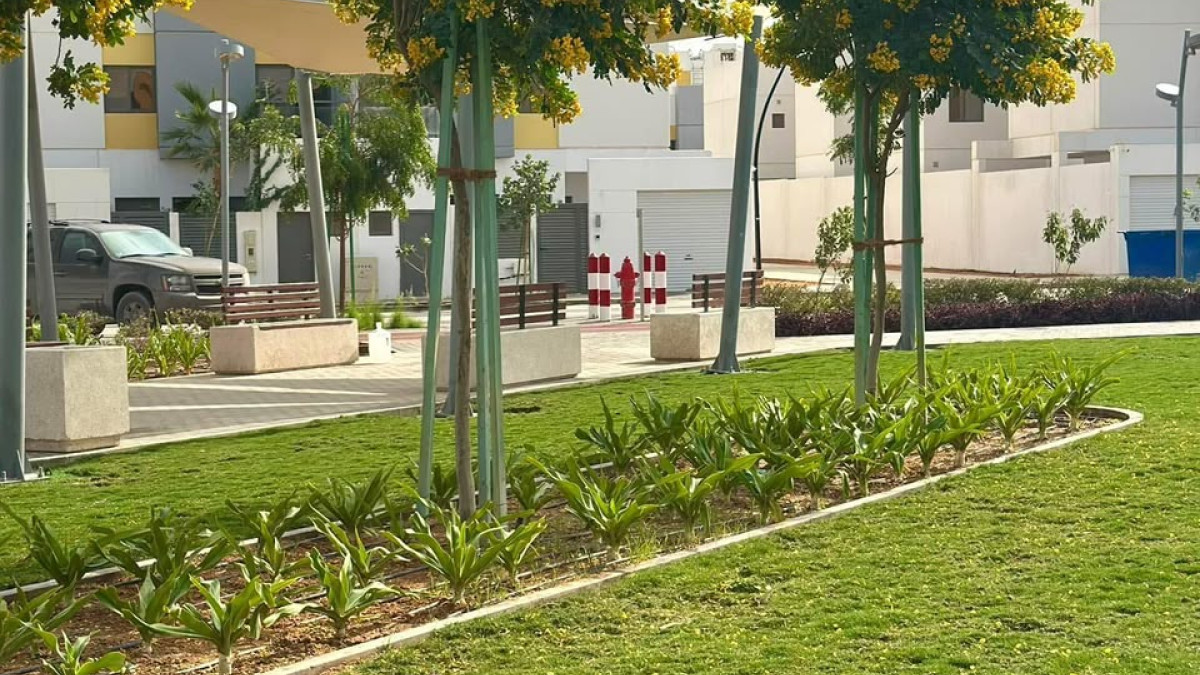
To create a bird-friendly garden in Riyadh, select suitable trees and shrubs that provide natural shelter, seasonal food resources, and varied vegetation heights. Combine these plants with responsibly maintained water features, protected resting areas, appropriate irrigation, and landscape management practices that reduce unnecessary disturbance to wildlife.
A bird-friendly garden is not simply a garden containing several bird feeders. It is a thoughtfully designed landscape that provides suitable environmental conditions for naturally occurring birds while remaining practical, attractive, and manageable for property owners.
In Saudi Arabia, garden design must also consider high summer temperatures, limited water resources, soil conditions, seasonal changes, and the characteristics of plants adapted to local environments.
This guide from Rayat Najd Landscaping explains how homeowners, villa owners, farm operators, and commercial property managers can develop bird-friendly landscapes through suitable tree planting, ecological garden planning, irrigation design, and responsible maintenance.
 Call Now
 WhatsApp
What Is a Bird-Friendly Garden?
What makes a garden suitable for naturally occurring birds?
A bird-friendly garden provides a combination of vegetation, shelter, appropriate food resources, and suitable environmental conditions that may support naturally occurring birds.
Depending on the garden's location and surrounding environment, birds may use the landscape for temporary resting, feeding, shelter, or other natural activities.
Does a bird-friendly garden need to resemble a natural forest?
No. A residential garden can incorporate wildlife-friendly features while maintaining an organized appearance, comfortable outdoor living areas, and practical maintenance requirements.
The objective is to create suitable habitat elements within the available landscape rather than reproduce an entire natural ecosystem.
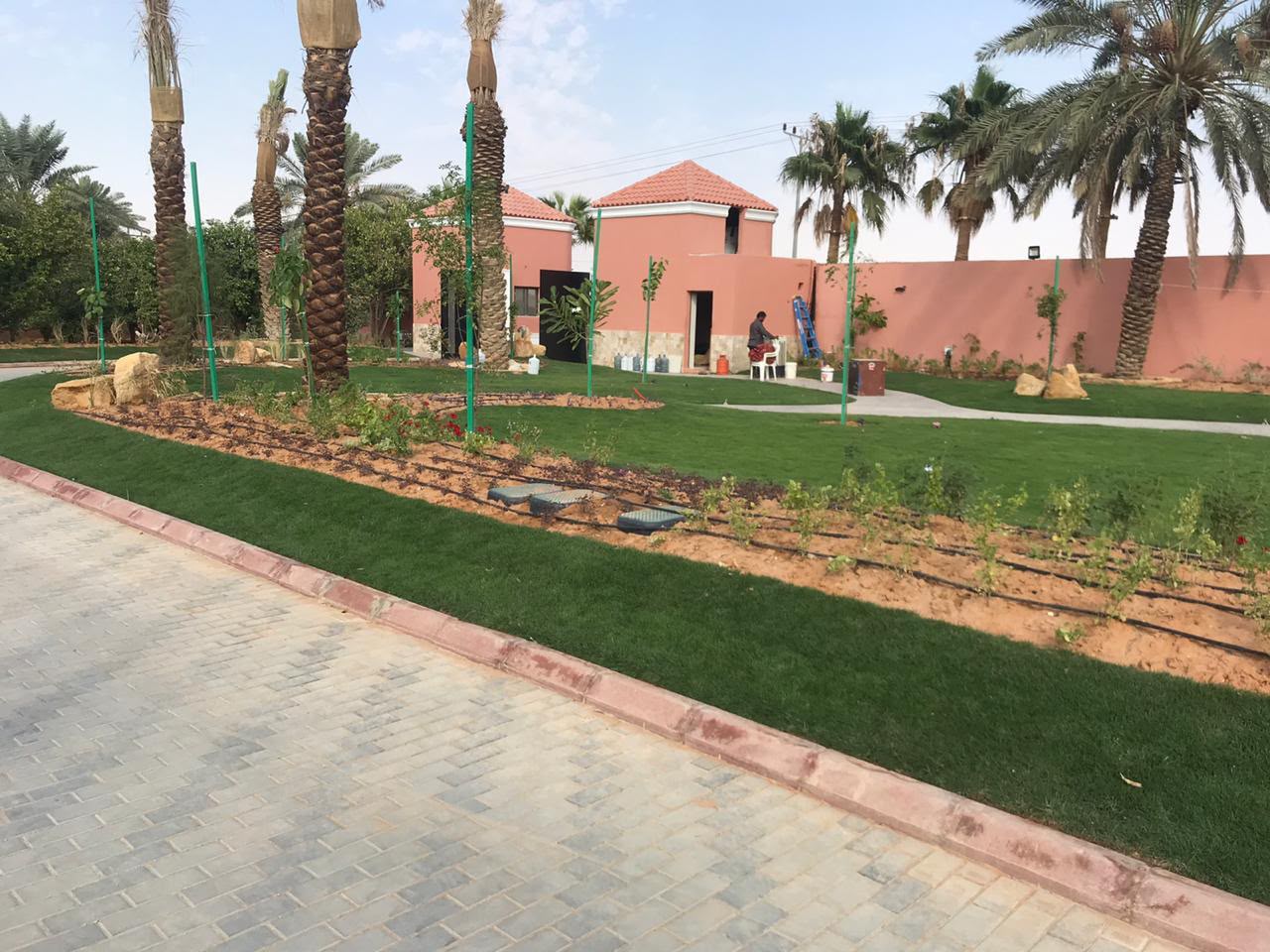
Why Should I Create a Bird-Friendly Garden in Saudi Arabia?
What can wildlife-friendly landscaping contribute to a property?
A thoughtfully designed garden can provide a more varied outdoor environment, support local biodiversity, and create opportunities to observe naturally occurring wildlife.
Suitable vegetation may also contribute to shade, visual interest, seasonal changes, and a more natural landscape character.
Will every bird-friendly garden attract the same birds?
No. Bird activity depends on location, surrounding habitats, seasonal movements, vegetation characteristics, food availability, water availability, and other environmental factors.
No landscaping design can guarantee the presence of particular bird species or a specific number of birds.
What are the trees?
How do trees contribute to a bird-friendly landscape?
Trees are perennial woody plants that generally develop persistent stems or trunks and branching structures. Their canopy, foliage, flowers, fruits, seeds, and physical structure may provide resources for different forms of wildlife.
In residential and commercial landscapes, trees also contribute to the spatial structure of the garden, create shaded areas, and influence local environmental conditions.
Are all tree species equally suitable for garden wildlife?
No. Different trees provide different resources, and their suitability depends on species characteristics, growing conditions, maturity, maintenance practices, and the needs of naturally occurring wildlife.
Tree selection should prioritize appropriate species for the actual site rather than rely exclusively on appearance or rapid growth.
What Types of Trees Can Support Bird-Friendly Gardens in Riyadh?
Should I select only trees that produce edible fruit?
No. Some trees may provide shelter or resting opportunities even when their fruits are not important food resources for particular birds.
A varied planting selection may provide different habitat characteristics throughout the year.
Which tree categories can be considered for wildlife-friendly landscaping?
| Tree Type | Potential Habitat Contribution | Important Landscape Consideration |
|---|---|---|
| Sidr (Ziziphus spina-christi) | Foliage, branching structure, flowers, and seasonal fruits | Review mature size, thorn characteristics, and placement |
| Native Arabian acacias | Natural branching structure and resources associated with flowering and insect activity | Select the correct locally appropriate species and consider thorns |
| Date palm (Phoenix dactylifera) | Elevated vegetation structure and seasonal fruit resources | Plan maintenance, mature dimensions, and fruit management |
| Pomegranate (Punica granatum) | Flowers, foliage, and seasonal fruits | Assess irrigation requirements and maintenance needs |
| Suitable fig species | Foliage and potential seasonal fruit resources | Review mature root behavior, water requirements, and site suitability |
| Locally suitable flowering trees | Seasonal flowers and associated insect activity | Verify species suitability and environmental characteristics |
| Appropriate evergreen trees | Persistent foliage and potential year-round shelter | Evaluate mature size, water demand, and planting location |
These examples are general landscaping options rather than a confirmed Rayat Najd plant inventory. Individual species and planting specifications should be evaluated according to the actual project.
Why Is the Sidr Tree Useful in Bird-Friendly Landscaping?
What characteristics make Sidr an interesting landscape tree?
Sidr is a tree associated with Arabian landscapes and can provide foliage, flowers, fruits, and a branching structure that contributes to a varied garden environment.
Can every residential garden accommodate a Sidr tree?
No. The tree's mature size, branching pattern, potential thorns, root requirements, fruit drop, and maintenance needs must be considered before selecting its planting location.
It should be positioned where its long-term development is compatible with buildings, walkways, parking areas, outdoor seating, and other landscape features.
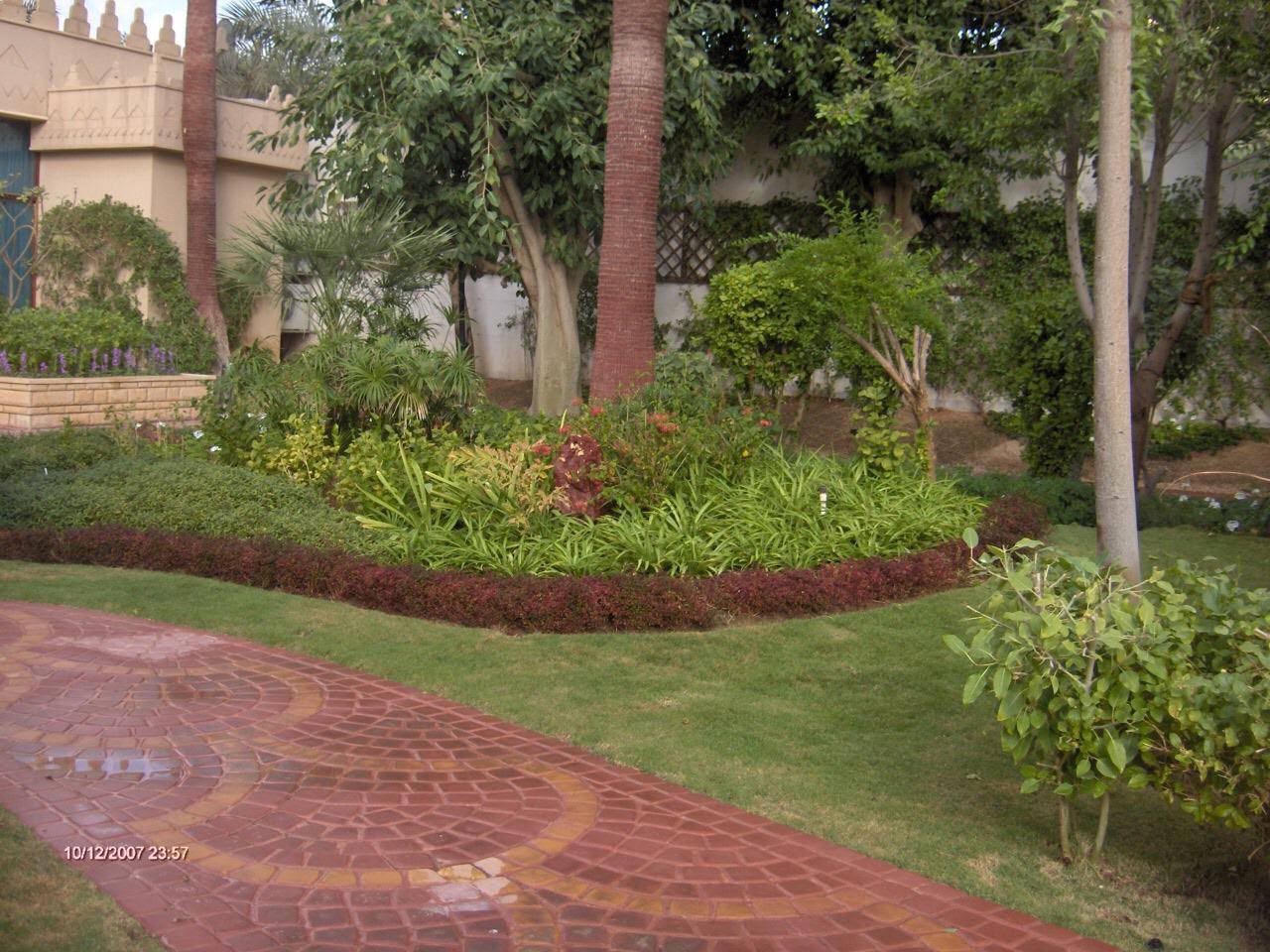
Can Native Acacia Trees Support Garden Biodiversity?
Why are native acacias relevant to Arabian landscapes?
Several acacia-related species occur naturally in Arabian environments and may contribute habitat structure, flowering resources, and ecological relationships within suitable landscapes.
Are all plants sold under the name acacia suitable for Saudi gardens?
No. The name acacia may be used commercially for different species with substantially different growth characteristics, environmental requirements, and ecological behavior.
Identify the exact botanical species and confirm its suitability before purchasing or planting it.
What should be considered when planting thorn-bearing trees?
Thorn-bearing species should be located carefully in relation to children's play areas, entrances, narrow walkways, parking spaces, and frequently used outdoor facilities.
What are the benefits of palm trees?
How can date palms contribute to a garden landscape?
Date palms can provide distinctive vertical structure, visual character, and elevated vegetation within suitable landscapes.
Healthy palms may also provide certain birds with resting opportunities or seasonal food resources, depending on the palm species, its condition, and the local wildlife community.
Do palm trees provide the same shelter as broad-canopy trees?
No. Palm trees have a different growth structure from many broad-canopy trees and shrubs.
A garden containing palms alone may provide fewer types of low and middle-level vegetation than a landscape that combines palms with suitable trees and shrubs.
Palms should therefore be considered as one component of a varied planting design.
What are the benefits of Washingtonia trees?
Can Washingtonia palms contribute to bird-friendly landscaping?
Washingtonia palms can provide vertical landscape structure and may offer elevated resting or shelter opportunities for some wildlife, depending on their condition and surroundings.
Although commonly referred to as trees in landscaping discussions, Washingtonia species are palms.
What maintenance considerations apply to Washingtonia palms?
Property owners should consider mature height, falling or dead fronds, maintenance access, irrigation requirements, planting location, and proximity to buildings and overhead infrastructure.
Washingtonia palms are not native to Saudi Arabia. Their suitability should be evaluated alongside locally appropriate alternatives rather than assuming that they provide the same ecological benefits as native vegetation.
Why Are Native Plants Important in Wildlife-Friendly Gardens?
What is a native plant?
A native plant is a species that occurs naturally within a particular geographic region or ecological environment without having been introduced there through human activity.
Are native plants always the best option for every garden location?
Native plants can be valuable components of wildlife-friendly landscapes, but suitability still depends on the specific species and the conditions within the property.
A plant native to one part of Saudi Arabia may not necessarily be suitable for every soil type, irrigation condition, or urban garden environment elsewhere in the Kingdom.
How should native species be selected?
Review the plant's verified identity, natural environmental requirements, mature characteristics, local availability, and compatibility with the proposed garden design.
Plant materials should be sourced responsibly rather than collected from natural habitats without the appropriate authorization.
How Do I Combine Native and Non-Native Garden Plants Responsibly?
Must every plant in a bird-friendly garden be native?
Not necessarily. Suitable non-native ornamental or fruiting plants may contribute useful landscape characteristics when they are appropriate for the site and do not introduce unacceptable environmental risks.
What should gardeners avoid?
Avoid selecting plants solely because they grow rapidly or attract wildlife without evaluating their potential to spread beyond the garden, compete with surrounding vegetation, or create excessive maintenance requirements.
The planting plan should be reviewed against relevant local environmental guidance and site-specific landscape objectives.
How Do I Create Different Vegetation Layers for Garden Birds?
What is layered planting?
Layered planting involves arranging vegetation at different heights to create a more structurally varied landscape.
Instead of relying exclusively on tall trees or low ornamental plants, the garden combines several vegetation levels according to the available space and environmental conditions.
Which vegetation layers can be included?
| Vegetation Layer | Landscape Function | Potential Wildlife Contribution |
|---|---|---|
| Tall tree canopy | Defines the upper garden structure | Elevated resting opportunities and suitable canopy habitat |
| Medium-sized trees | Creates an intermediate vegetation layer | Additional branching structure and seasonal resources |
| Tall shrubs | Provides screening and garden definition | Potential sheltered vegetation areas |
| Low shrubs | Connects larger planting groups with lower beds | Low-level vegetation structure and associated food resources |
| Flowering perennials | Introduces seasonal color and planting diversity | May support insects that form part of natural food webs |
| Suitable groundcover | Provides selected low-level planting coverage | Contributes variation to the garden's ground-level environment |
The exact arrangement should consider water availability, plant compatibility, visibility, maintenance access, and the property's intended use.
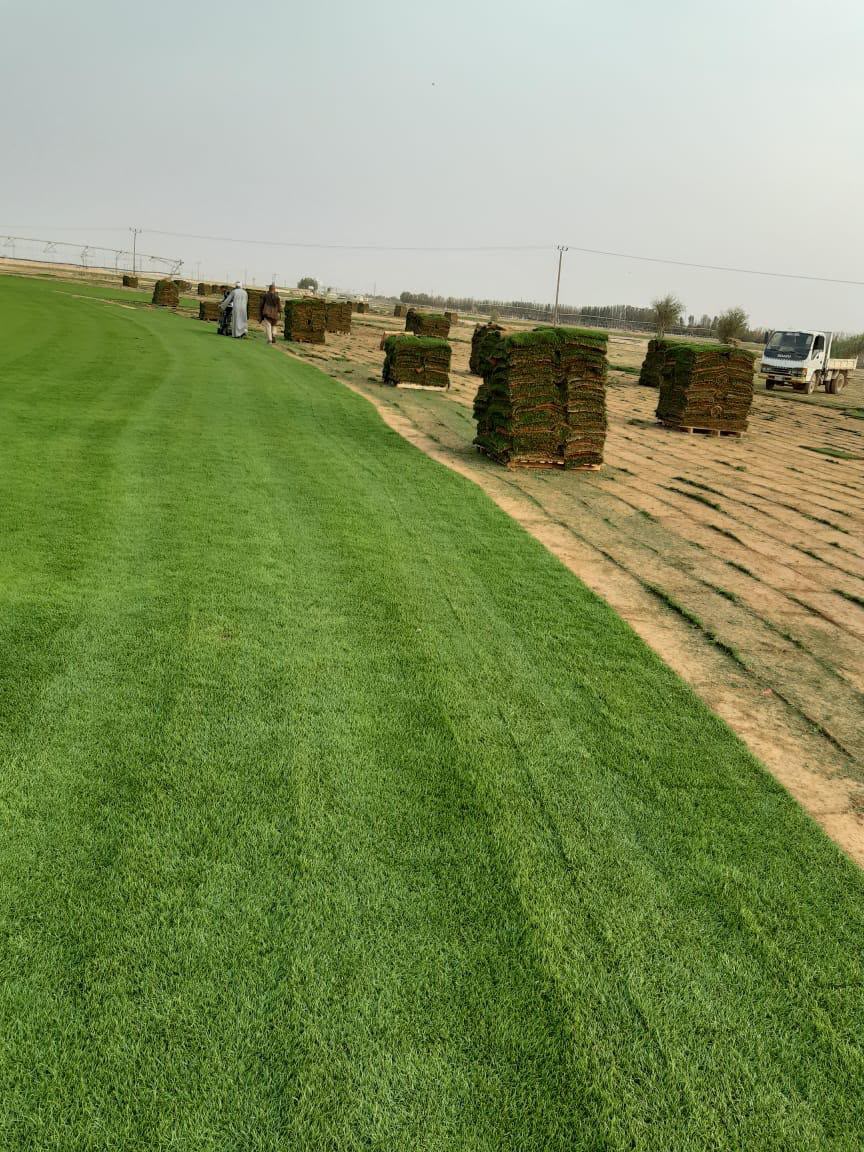
How Do I Provide Natural Shelter for Birds?
Why is vegetation structure important?
Different birds may use different vegetation structures for resting, temporary shelter, protection from environmental exposure, or other natural activities.
What makes a sheltered planting area practical?
Combine suitable trees and shrubs in selected areas where they can develop according to their natural growth characteristics without obstructing necessary property access or creating maintenance difficulties.
Do not assume that every dense planting area will be suitable for every bird species.
Should I Create Quiet Areas Within a Bird-Friendly Garden?
Can frequent human activity influence bird behavior?
Some birds may avoid areas with repeated disturbance, while others may tolerate activity associated with residential or commercial environments.
How can a garden accommodate both outdoor living and wildlife?
Establish selected planting areas away from the most frequently used outdoor facilities where practical, while maintaining appropriate visibility, access, and property management requirements.
Quiet planting zones do not require the entire garden to be inaccessible to residents or visitors.
Where are trees planted?
Where should wildlife-friendly trees be positioned in a Riyadh garden?
Trees can be planted in suitable residential gardens, villa landscapes, commercial outdoor spaces, farms, courtyards, and other authorized landscape areas where their requirements can be met.
Which locations should be reviewed before planting?
- Existing and planned buildings.
- Underground irrigation systems and utilities.
- Property boundaries.
- Outdoor living areas.
- Pedestrian routes.
- Parking and vehicle access.
- Children's recreational areas.
- Overhead electrical or communication infrastructure.
- Locations of existing mature trees.
- Areas with suitable growing conditions.
The final planting positions should be based on mature tree characteristics and site requirements rather than the dimensions of newly supplied plants.
How are they planted?
What does professional tree planting involve?
Professional tree planting involves reviewing site conditions, selecting suitable plant material, preparing the planting area according to the species' requirements, positioning the tree appropriately, establishing irrigation, and implementing an aftercare program.
What should be established before planting begins?
The responsible landscaping team should review soil conditions, drainage characteristics, root system requirements, plant condition, irrigation availability, planting location, and the proposed maintenance arrangements.
Planting methods should be adapted to the particular tree and site rather than applying a universal specification to every landscape.
How Do I Provide Natural Food Resources for Garden Birds?
Do all birds eat seeds and fruit?
No. Bird diets vary between species and may also change according to season, age, habitat, and resource availability.
Some birds consume seeds, some use fruit resources, and others depend partly or substantially on insects or other naturally occurring food.
How can a garden provide varied food opportunities?
Select compatible plants with different flowering and fruiting characteristics, preserve suitable habitat structure, and apply responsible plant health management practices.
The objective is to support natural ecological relationships rather than create dependence on artificial feeding.
Which Plant Features May Support Different Bird Feeding Behaviors?
Why should gardeners consider more than fruit production?
Plants can contribute to garden food webs through their seeds, fruits, flowers, foliage, and relationships with insects and other organisms.
| Plant Feature | Potential Ecological Contribution | Landscape Management Consideration |
|---|---|---|
| Seasonal fruits | Potential food resources for suitable fruit-consuming birds | Manage fallen fruit and maintain garden cleanliness |
| Seeds | Potential resources for some seed-consuming birds | Consider plant spread and maintenance requirements |
| Flowers | May support insects and other ecological interactions | Select suitable flowering periods and compatible species |
| Branching structure | Provides potential resting and searching areas | Maintain suitable clearance and tree health |
| Foliage | Provides shelter and surfaces associated with natural food webs | Maintain healthy growth through appropriate care |
| Suitable low-level vegetation | Contributes habitat variation at ground level | Maintain visibility, access, and appropriate hygiene |
Plant features do not guarantee attraction of specific bird species. Their actual ecological contribution depends on the surrounding environment and local wildlife activity.
How Do I Plan Seasonal Flowering in a Bird-Friendly Garden?
Should all flowering plants bloom at the same time?
Not necessarily. A garden containing plants with different flowering periods may provide seasonal visual interest and varied ecological resources.
Can flowering dates be guaranteed?
No. Flowering can vary according to species, plant maturity, environmental conditions, irrigation, temperature, and maintenance practices.
Develop a planting schedule using reliable species information and local horticultural assessment rather than promising continuous flowering throughout the year.
Should I Install a Bird Bath in My Riyadh Garden?
Can a water feature support naturally occurring birds?
A suitable and responsibly maintained water source may provide drinking or bathing opportunities for some birds.
What characteristics should be considered?
A bird bath should be designed with appropriate shallow access, a stable structure, suitable surfaces, and a location that can be maintained hygienically.
The design should also consider nearby predator activity, environmental exposure, evaporation, and the availability of clean water.
Do not use a neglected or contaminated water feature simply because it appears visually attractive.
How Do I Maintain a Hygienic Bird Water Feature?
Why is regular maintenance necessary?
Outdoor water features may accumulate dust, organic matter, droppings, and other contaminants. In hot conditions, evaporation and changing water quality may create additional maintenance requirements.
What general practices should property owners follow?
- Inspect the water feature regularly.
- Replace contaminated water promptly.
- Remove visible debris.
- Use suitable cleaning methods.
- Prevent excessive buildup of organic material.
- Avoid creating unmanaged stagnant water.
- Review wildlife health guidance if sick or dead birds are observed nearby.
Do not add unsuitable chemicals to water intended for wildlife. Seek appropriate specialist guidance when contamination or animal health concerns arise.
How Do I Manage Water Use in a Wildlife-Friendly Garden?
Does attracting birds require excessive irrigation?
No. Bird-friendly landscaping should not depend on unnecessary irrigation or the continuous use of large decorative water features.
How can water consumption be managed responsibly?
Select plants suited to the local environment, organize vegetation according to compatible water requirements, review irrigation efficiency, and maintain the system to reduce avoidable water losses.
Any water feature should be included within the garden's overall maintenance and water management plan.
How Do I Design a Bird-Friendly Garden Without Artificial Feeding?
Are bird feeders essential?
No. Suitable vegetation, natural food resources, shelter, and responsibly maintained garden conditions may provide a more sustainable foundation for wildlife-friendly landscaping.
Why might artificial feeding require additional care?
Supplementary feeding can create hygiene concerns, concentrate wildlife activity, attract unwanted animals, or contribute to inappropriate feeding patterns when poorly managed.
Property owners should follow relevant wildlife guidance and applicable local requirements before introducing artificial feeding arrangements.
Should I Feed Garden Birds Bread or Leftover Food?
Are household food leftovers appropriate for wild birds?
Not necessarily. Processed foods, salty foods, spoiled materials, and unsuitable food types may create nutritional or hygiene concerns.
What is a more responsible approach?
Focus on suitable natural planting and habitat features. If supplementary feeding is being considered, obtain appropriate guidance regarding suitable food, wildlife health, hygiene, and local environmental requirements.
Do not capture, handle, or attempt to domesticate wild birds as part of a garden landscaping project.
How Do I Reduce Unnecessary Pesticide Use in a Bird-Friendly Garden?
Why can garden pest management affect wildlife?
Pest management practices may influence insects, vegetation, and other organisms that form part of the garden ecosystem.
Some pesticide applications can also create direct or indirect exposure risks for wildlife when products are incorrectly selected or used.
What is integrated pest management?
Integrated Pest Management, commonly known as IPM, involves combining monitoring, prevention, appropriate cultural practices, and carefully selected control measures according to the actual pest problem.
Professional plant health assessment can help identify suitable measures without relying automatically on repeated broad-spectrum pesticide application.
How Can I Manage Insects Without Damaging the Garden Ecosystem?
Should every insect found on garden plants be removed?
No. Some insects contribute to pollination, decomposition, natural pest regulation, or food resources within the garden environment.
How should gardeners respond to suspected plant pests?
Identify the organism, assess the actual level of plant damage, and determine whether treatment is necessary.
When treatment is required, use approved methods and products according to applicable instructions and qualified advice.
A wildlife-friendly garden still requires responsible plant health management. It does not mean allowing serious pest problems to remain untreated.
How Do I Protect Birds From Reflective Garden Windows?
Why can glass surfaces present a problem for birds?
Birds may encounter difficulties recognizing certain transparent or reflective glass surfaces, particularly when reflections resemble surrounding vegetation or open space.
How can property owners reduce collision risks?
Evaluate large windows, transparent barriers, and reflective surfaces near garden vegetation. Where necessary, seek appropriate bird-visible glazing treatments or other professionally assessed mitigation measures.
Garden planting positions and architectural treatments should be coordinated when developing landscapes adjacent to extensive glass surfaces.
How Do I Manage Outdoor Lighting in a Bird-Friendly Garden?
Should the entire garden remain brightly illuminated throughout the night?
Not necessarily. Unnecessary outdoor lighting may contribute to environmental disturbance and may affect some wildlife behaviors.
What lighting approach can be considered?
Use lighting appropriate to the actual property requirements, with attention to placement, direction, operating periods, glare, and the areas that genuinely require illumination.
Maintain appropriate safety and security lighting while avoiding unnecessary illumination of vegetation and wildlife-oriented planting areas.
How Do I Make a Bird-Friendly Garden Safer Around Domestic Pets?
Can domestic animals influence bird activity?
Yes. Free-roaming domestic animals, particularly cats, may create predation risks for birds and other small wildlife.
What can property owners do?
Establish responsible pet management arrangements that reduce uncontrolled access to wildlife, while also respecting the welfare and needs of domestic animals.
Garden shelter and water feature placement should be evaluated in relation to surrounding animal activity and property use.
Do not use harmful traps, poisons, or other unsafe methods to control wildlife interactions within the garden.
How Do I Plan Bird-Friendly Landscaping Around Children?
Can a wildlife-friendly garden also include family recreational areas?
Yes. Family gardens can contain suitable wildlife-oriented planting while maintaining designated play spaces, comfortable seating, and appropriate access routes.
What should be considered when selecting plants?
Review potential toxicity, thorns, falling fruit, sharp foliage, mature plant dimensions, and other characteristics relevant to children's activities.
Wildlife-friendly plant selection should not override ordinary landscape safety requirements.
Children should observe wild animals from an appropriate distance rather than handle birds, nests, eggs, or potentially contaminated materials.
Should I Install Artificial Nesting Boxes in My Garden?
Will every bird species use a nesting box?
No. Different bird species have different nesting requirements, and many will not use artificial nesting structures.
What should be reviewed before installing a nesting box?
Consider local species, appropriate materials, environmental exposure, temperature conditions, suitable placement, maintenance responsibilities, and applicable wildlife protection guidance.
Incorrectly designed or positioned boxes may provide unsuitable conditions, particularly in locations exposed to intense summer heat.
Seek appropriate local specialist advice before installing structures intended specifically for wild bird nesting.
What Should I Do If Birds Build a Nest in My Garden?
Should a nest be moved to make garden maintenance easier?
No. Avoid unnecessary disturbance to active nests, eggs, or young birds.
How should maintenance be coordinated around nesting activity?
If an active nest is identified within an area requiring landscaping or maintenance work, obtain appropriate guidance from the responsible wildlife authority or qualified specialist before proceeding with potentially disruptive activities.
Garden contractors should not independently remove or relocate active nests without the appropriate assessment and authorization.
How Do I Maintain Trees Without Removing Valuable Habitat Features?
Should every tree be pruned into a uniform decorative shape?
Not necessarily. Different species have different natural growth structures, and excessive or inappropriate pruning may reduce foliage, affect plant health, or remove potential wildlife resources.
What is a responsible maintenance approach?
Base pruning on plant health, structural condition, property requirements, seasonal considerations, and appropriate professional assessment.
Potential nesting activity and relevant wildlife considerations should be reviewed before carrying out disruptive maintenance.
Unsafe, diseased, or structurally compromised branches still require appropriate professional management.
How Do I Create a Bird-Friendly Garden in a Small Villa?
Is a large property necessary for wildlife-friendly planting?
No. Smaller gardens can incorporate suitable vegetation diversity, selected natural shelter, and responsible maintenance practices.
How should limited space be organized?
Choose species with appropriate mature dimensions, prioritize planting areas that provide meaningful landscape value, and avoid overcrowding.
Container planting may also be considered for suitable species when the required root environment, irrigation, and maintenance conditions can be provided.
Can a Courtyard Become a Bird-Friendly Garden?
What limitations may affect courtyard landscaping?
Courtyards may have restricted sunlight, surrounding walls, limited soil volumes, reflective surfaces, and distinctive airflow or temperature conditions.
How should a courtyard planting plan be developed?
Review the actual environmental conditions, identify suitable plant species, establish appropriate irrigation, and assess the relationship between vegetation and architectural features.
A courtyard should not be densely planted solely to attract birds if the selected plants cannot remain healthy within the available conditions.
How Do I Design a Bird-Friendly Commercial Landscape?
Can offices and commercial properties incorporate wildlife-friendly planting?
Yes. Suitable trees, shrubs, and varied planting arrangements can be integrated into commercial landscapes while maintaining accessibility, building access, parking requirements, and operational responsibilities.
What additional requirements should commercial properties consider?
| Property Requirement | Landscape Consideration | Management Objective |
|---|---|---|
| Public access | Maintain approved pedestrian routes and appropriate plant placement | Support safe and convenient circulation |
| Building entrances | Review tree canopy growth and maintenance clearances | Preserve access and visibility |
| Parking areas | Consider fruit drop, vegetation growth, and surface maintenance | Maintain appropriate vehicle access |
| Outdoor seating | Balance shade, vegetation, cleanliness, and comfort | Support practical outdoor use |
| Landscape irrigation | Organize compatible plant watering requirements | Manage water efficiently |
| Wildlife considerations | Review shelter, disturbance, lighting, and water feature management | Support responsible habitat-oriented landscaping |
| Maintenance contracts | Define responsibilities and appropriate inspection procedures | Maintain long-term landscape quality |
Commercial landscape projects should accommodate their environmental objectives without compromising approved building, safety, accessibility, and facility management requirements.
How Do I Balance Garden Appearance With Wildlife-Friendly Planting?
Does ecological landscaping have to look untidy?
No. Wildlife-friendly gardens can combine organized planting groups, clear paths, defined landscape edges, and professionally maintained vegetation.
How can a garden maintain a premium appearance?
Use a coherent planting palette, appropriate materials, suitable vegetation proportions, and clear relationships between planting areas and outdoor architectural features.
Selected planting areas may retain a more natural structure while other parts of the property maintain a formal or contemporary landscape appearance.
How Do I Avoid Introducing Unsuitable or Invasive Plants?
Why is accurate plant identification important?
Plants with similar common names may have different growth characteristics, environmental requirements, and potential impacts on surrounding vegetation.
What should be confirmed before introducing a new species?
Verify its botanical identity, local suitability, mature characteristics, potential spread, maintenance requirements, and applicable environmental guidance.
A plant should not be selected simply because it produces abundant fruits or flowers if its long-term behavior is unsuitable for the intended landscape.
What is the lifespan of trees in years?
Can the lifespan of a garden tree be predicted accurately?
Tree lifespan varies considerably between species and individual growing conditions. Some relatively short-lived trees may persist for several decades, while certain long-lived species can survive for a century or substantially longer under suitable conditions.
Which factors influence tree longevity?
- Species and genetic characteristics.
- Plant health at the time of establishment.
- Root development.
- Soil and drainage conditions.
- Water availability and water quality.
- Environmental exposure.
- Planting quality.
- Maintenance practices.
- Pest and disease management.
- Physical damage and surrounding development.
Long-term landscaping should therefore be planned according to verified species characteristics and realistic site conditions rather than relying on a universal tree lifespan estimate.
What are the types of trees, how, when and why?
How should different tree types be selected for bird-friendly landscaping?
Different tree categories can contribute different forms of landscape structure, seasonal interest, shelter, and ecological resources. The selection should consider the actual garden environment and the intended function of each planting area.
When should different trees be planted?
Planting periods should be selected according to the species, plant material, local environmental conditions, irrigation readiness, and establishment requirements.
In Riyadh, periods with less extreme heat may be more suitable for establishing many tree species, but the exact timing should be confirmed for the particular plant and project.
Why should the garden contain a balanced selection of tree types?
| Tree Category | Why It May Be Selected | How and When to Establish It |
|---|---|---|
| Locally suitable native trees | Support regional landscape character and potential ecological relationships | Use verified species information and suitable establishment conditions |
| Broad-canopy trees | Provide shade and varied branching structure | Allow appropriate mature growing space and establish during suitable conditions |
| Suitable flowering trees | Provide seasonal visual interest and potential ecological resources | Review flowering characteristics and species-specific planting requirements |
| Suitable fruiting trees | Provide seasonal fruit resources and productive landscape value | Plan irrigation, maintenance, and appropriate fruit management |
| Evergreen trees | Maintain persistent foliage where environmental conditions permit | Verify climate suitability and compatible water requirements |
| Palms | Create vertical structure and distinctive landscape character | Use suitable planting and maintenance arrangements for the selected species |
| Small ornamental trees | Provide planting diversity in restricted landscape spaces | Select mature dimensions appropriate to the available growing area |
A balanced planting selection can provide more structural variety than relying exclusively on one tree category.
How Do I Observe Wildlife Activity Without Disturbing Birds?
Should property owners approach birds to identify them?
No. Observation should take place from an appropriate distance that avoids unnecessary disturbance.
What information can be recorded responsibly?
Property owners may maintain general observations of bird presence, seasonal changes, vegetation use, and garden conditions.
Such observations can help inform future landscape management, but they should not involve handling birds, interfering with nests, or attempting to manipulate wild animal behavior.
How Do I Evaluate Whether My Garden Is Becoming More Bird-Friendly?
Is the number of birds visiting the garden the only measure of success?
No. Bird activity may change for many reasons unrelated to garden design, including seasonal movement, weather conditions, surrounding development, and natural ecological variation.
Which landscape indicators can be evaluated?
- Health and establishment of selected trees.
- Diversity of suitable vegetation structures.
- Seasonal availability of flowers and fruits.
- Condition of designated shelter areas.
- Hygiene of any maintained water feature.
- Efficiency of the irrigation system.
- Appropriateness of plant maintenance practices.
- Reduction of unnecessary environmental disturbance.
- Compatibility between wildlife-oriented planting and property use.
- General observations of naturally occurring wildlife over time.
A successful garden should first provide a healthy and appropriately managed landscape. Wildlife observations can then be considered within the context of natural environmental conditions.
How much does planting cost?
Is there a standard price for creating a bird-friendly garden in Riyadh?
No. The cost depends on the property's size, existing landscape conditions, selected plant species, plant sizes, planting requirements, irrigation infrastructure, site preparation, and agreed maintenance services.
Which factors influence the project quotation?
| Cost Component | Information Required | Reason for Assessment |
|---|---|---|
| Garden design | Property dimensions, existing layout, and landscape objectives | Establish the proposed planting and habitat-oriented arrangement |
| Tree supply | Selected species, verified plant sizes, and availability | Determine actual plant requirements |
| Shrub and perennial planting | Approved species selection and planting quantities | Establish vegetation layer requirements |
| Site preparation | Existing soil conditions and approved preparation requirements | Determine necessary groundwork |
| Irrigation installation | Existing infrastructure and proposed watering requirements | Establish the required irrigation scope |
| Water features | Approved design, materials, and maintenance requirements | Determine separately agreed installation needs |
| Plant transportation | Project location and selected plant characteristics | Establish delivery and handling arrangements |
| Landscape installation | Approved planting plan and site conditions | Determine installation requirements |
| Aftercare and maintenance | Required service period and agreed responsibilities | Clarify ongoing landscape management costs |
No fixed commercial prices are assumed. A customized quotation should be prepared after reviewing the actual property, planting requirements, and requested landscaping services.
What Information Should I Send to a Landscaping Contractor?
How can I prepare a bird-friendly garden landscaping request?
- The property location in Riyadh or another Saudi city.
- The approximate garden dimensions.
- Recent photographs of the existing landscape.
- The current trees and shrubs.
- The available planting areas.
- The intended garden appearance.
- Any preferred tree species.
- Existing soil and irrigation information.
- Outdoor seating and recreational requirements.
- Children's and domestic pet activity areas.
- Existing architectural features and windows.
- Any proposed water feature requirements.
- Desired wildlife-friendly planting objectives.
- Expected maintenance responsibilities.
- The anticipated project schedule.
These details help the landscaping contractor assess appropriate planting options, identify potential site restrictions, and develop a suitable project proposal.
What Are the Most Common Bird-Friendly Garden Design Mistakes?
Which planting and design mistakes should homeowners avoid?
- Selecting plants without verifying their botanical identity.
- Assuming every fruiting tree is suitable for local wildlife.
- Planting species that cannot tolerate the actual site conditions.
- Using potentially invasive vegetation without assessment.
- Creating a garden with only one vegetation height.
- Ignoring mature tree dimensions and root requirements.
- Placing thorn-bearing plants beside children's play areas.
- Overcrowding small garden spaces.
- Assuming palms alone provide sufficient habitat diversity.
- Installing water features without maintenance arrangements.
- Ignoring the relationship between trees and reflective glass.
Which wildlife management mistakes should be avoided?
- Providing inappropriate household food to wild birds.
- Allowing bird baths to become contaminated.
- Using pesticides unnecessarily or incorrectly.
- Attempting to capture or domesticate naturally occurring birds.
- Disturbing active nests during routine garden work.
- Installing unsuitable nesting structures without specialist assessment.
- Ignoring risks associated with uncontrolled domestic pet activity.
- Using excessive outdoor lighting near wildlife-oriented planting areas.
- Collecting plants from natural habitats without appropriate authorization.
- Assuming a landscaping project guarantees the arrival of particular bird species.
- Prioritizing wildlife attraction over plant health and responsible water management.
What Is the Bird-Friendly Garden Landscaping Checklist?
What should be confirmed before developing the garden?
- ☐ Review the actual property conditions.
- ☐ Identify available planting areas.
- ☐ Review existing mature trees and vegetation.
- ☐ Establish the desired landscape appearance.
- ☐ Identify suitable locally adapted tree species.
- ☐ Verify the botanical identity of selected plants.
- ☐ Review mature plant dimensions and characteristics.
- ☐ Evaluate native plant options.
- ☐ Review potential environmental risks of introduced species.
- ☐ Establish different vegetation layers where appropriate.
- ☐ Identify suitable sheltered planting areas.
- ☐ Review irrigation availability and water management requirements.
- ☐ Assess soil and drainage conditions.
- ☐ Review nearby buildings and underground infrastructure.
- ☐ Identify children's recreational areas.
- ☐ Review domestic pet activity.
- ☐ Assess reflective windows and outdoor lighting.
- ☐ Determine whether a suitable water feature is appropriate.
- ☐ Establish plant maintenance responsibilities.
- ☐ Approve the landscaping plan and project quotation.
What should be reviewed after planting?
- ☐ Verify that the supplied plants match the approved selection.
- ☐ Review tree establishment and general plant condition.
- ☐ Confirm that irrigation is functioning appropriately.
- ☐ Inspect planting areas for drainage problems.
- ☐ Maintain suitable access around vegetation.
- ☐ Review plant growth and vegetation structure periodically.
- ☐ Monitor plant health using appropriate methods.
- ☐ Maintain any water feature hygienically.
- ☐ Avoid unnecessary wildlife disturbance.
- ☐ Review potential active nesting areas before disruptive maintenance.
- ☐ Manage outdoor lighting responsibly.
- ☐ Monitor the long-term suitability of selected plants.
- ☐ Address unsuitable vegetation growth where necessary.
- ☐ Maintain responsible domestic pet arrangements.
- ☐ Record general landscape and wildlife observations over time.
What Are the Frequently Asked Questions About Bird-Friendly Gardens in Riyadh?
1. What is the best way to attract birds naturally to a Riyadh garden?
Develop suitable vegetation through a combination of locally appropriate trees, shrubs, seasonal food resources, natural shelter, and responsible garden maintenance. Actual bird activity will depend on the surrounding environment and naturally occurring wildlife.
2. Which trees are suitable for bird-friendly gardens in Saudi Arabia?
Potential options include suitable Sidr trees, selected native Arabian acacias, date palms, appropriate fruiting trees, and other locally compatible species. The final selection should be based on verified plant identity, mature characteristics, environmental suitability, and property requirements.
3. Are Sidr trees useful for attracting birds?
Sidr trees may provide foliage, branching structure, flowers, and seasonal fruits that contribute to garden habitat diversity. Their mature size, potential thorns, maintenance requirements, and planting location should be assessed before installation.
4. Can I create a bird-friendly garden without installing a bird feeder?
Yes. Suitable natural vegetation, varied planting structures, and responsible landscape management can form the foundation of a wildlife-friendly garden without artificial feeding.
5. Should I install a bird bath in my garden?
A suitable shallow water feature may provide drinking or bathing opportunities for some birds. It should only be included when hygienic maintenance, appropriate placement, responsible water use, and regular inspection can be maintained.
6. Can a small villa garden support naturally occurring birds?
Potentially. Smaller gardens can incorporate suitable trees, shrubs, container-grown plants, and selected habitat features. Plant selection must account for limited space, mature dimensions, irrigation requirements, and the actual environmental conditions.
7. Are Washingtonia palms native to Saudi Arabia?
No. Washingtonia palms are introduced landscape plants in Saudi Arabia. They may provide visual and structural landscape value, but their suitability and ecological contribution should be evaluated alongside locally appropriate native species.
8. Can pesticides affect birds visiting my garden?
Some pesticide applications may create direct or indirect wildlife risks or affect natural food resources. Appropriate pest identification, integrated pest management, and approved treatment methods should be used according to professional guidance.
9. How much does bird-friendly garden landscaping cost in Riyadh?
The cost depends on garden size, plant selection, existing soil conditions, irrigation infrastructure, landscape design, installation requirements, and agreed maintenance services. A project-specific quotation is necessary for accurate pricing.
10. How can I request bird-friendly landscaping from Rayat Najd?
Contact Rayat Najd Landscaping on 0557555716 or through WhatsApp. Provide your property location, garden photographs, approximate dimensions, existing vegetation, and desired landscape objectives to discuss suitable planting and landscaping options.
How Can Rayat Najd Landscaping Help Create a Bird-Friendly Garden?
Why should wildlife-friendly landscaping begin with professional planning?
Because a garden that supports natural habitat elements must also remain suitable for its local climate, soil conditions, irrigation availability, property layout, and long-term maintenance requirements.
Adding trees without considering their mature characteristics or introducing unsuitable vegetation may create avoidable problems that reduce the overall quality of the landscape.
Rayat Najd Landscaping provides tree planting, landscaping, irrigation network, and related agricultural landscape solutions for suitable projects in Riyadh and Saudi Arabia.
Homeowners, villa owners, farm operators, and commercial property managers can discuss appropriate tree selection, layered planting arrangements, landscape development, irrigation requirements, and agreed maintenance services with the company.
Specific plant species, plant sizes, material availability, landscape installation requirements, and commercial quotations should be confirmed according to the actual project.
Specialized wildlife management, active nest handling, animal health concerns, and formal ecological assessments should be addressed by the relevant qualified specialists or responsible authorities.
Official Rayat Najd Landscaping website: https://rayatnajd.com
How should you begin creating your bird-friendly garden?
Prepare photographs of your property, identify the available planting areas, document existing trees and irrigation arrangements, and establish the type of landscape you want to create.
Contact Rayat Najd Landscaping to discuss suitable trees, planting combinations, irrigation requirements, and a customized landscape development proposal.
Conclusion: Creating a bird-friendly garden in Riyadh requires a balanced approach that combines suitable tree selection, varied vegetation heights, natural shelter, seasonal ecological resources, and responsible landscape maintenance. Begin with plants adapted to the actual garden conditions, evaluate native species, and organize planting areas according to their mature characteristics. Maintain efficient irrigation, avoid unnecessary pesticide use, manage any water features hygienically, and respect naturally occurring wildlife. The objective is to establish a healthy, attractive, and practical garden that may support local biodiversity while remaining compatible with Saudi Arabia's environmental conditions and the property's long-term landscaping requirements.