



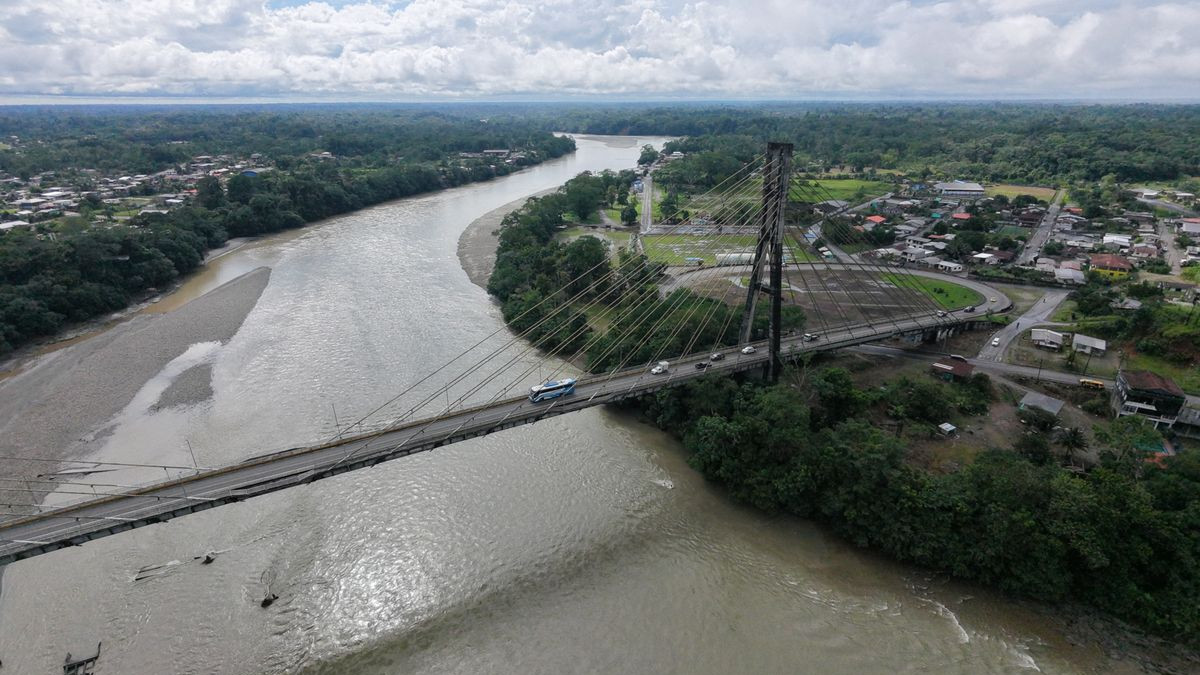
To rent suitable equipment for bridge girder installation, obtain the approved structural drawings, verified girder weights and dimensions, manufacturer or fabricator handling requirements, installation elevations, bearing locations, transportation arrangements, and site engineering information. Qualified lifting and structural engineers must then determine the appropriate equipment configuration and approve the erection methodology before equipment is mobilized.
Bridge girder installation is a specialized infrastructure activity that requires coordination between structural engineers, bridge contractors, steel fabricators, transportation providers, equipment rental companies, and authorized project safety personnel.
Unlike conventional material handling, bridge erection involves structural components that may have complex dimensional characteristics, temporary stability requirements, and demanding installation conditions.
For infrastructure contractors working on highways, overpasses, interchanges, and transportation projects in Riyadh and across Saudi Arabia, selecting suitable lifting equipment is an important part of project preparation.
This guide from MORP, Modernity Keeping Contracting Company, explains how contractors can prepare equipment rental requirements for bridge girder installation while coordinating engineering approvals, transportation, equipment availability, and contractual responsibilities.
 Call Now
 WhatsApp
What Is Bridge Girder Installation?
What is a bridge girder?
A bridge girder is a primary structural component used to support and transfer loads within a bridge structure according to its engineering design.
Depending on the bridge system, girders may support the bridge deck and transfer structural loads to bearings, piers, abutments, or other designated supporting elements.
What does bridge girder installation involve?
Bridge girder installation involves transporting, handling, lifting, positioning, and securing structural girder components according to the approved bridge erection methodology.
Equipment rental may support selected stages of this process, while structural design, permanent connections, temporary stability arrangements, and engineering acceptance remain the responsibility of the appropriately qualified project specialists.
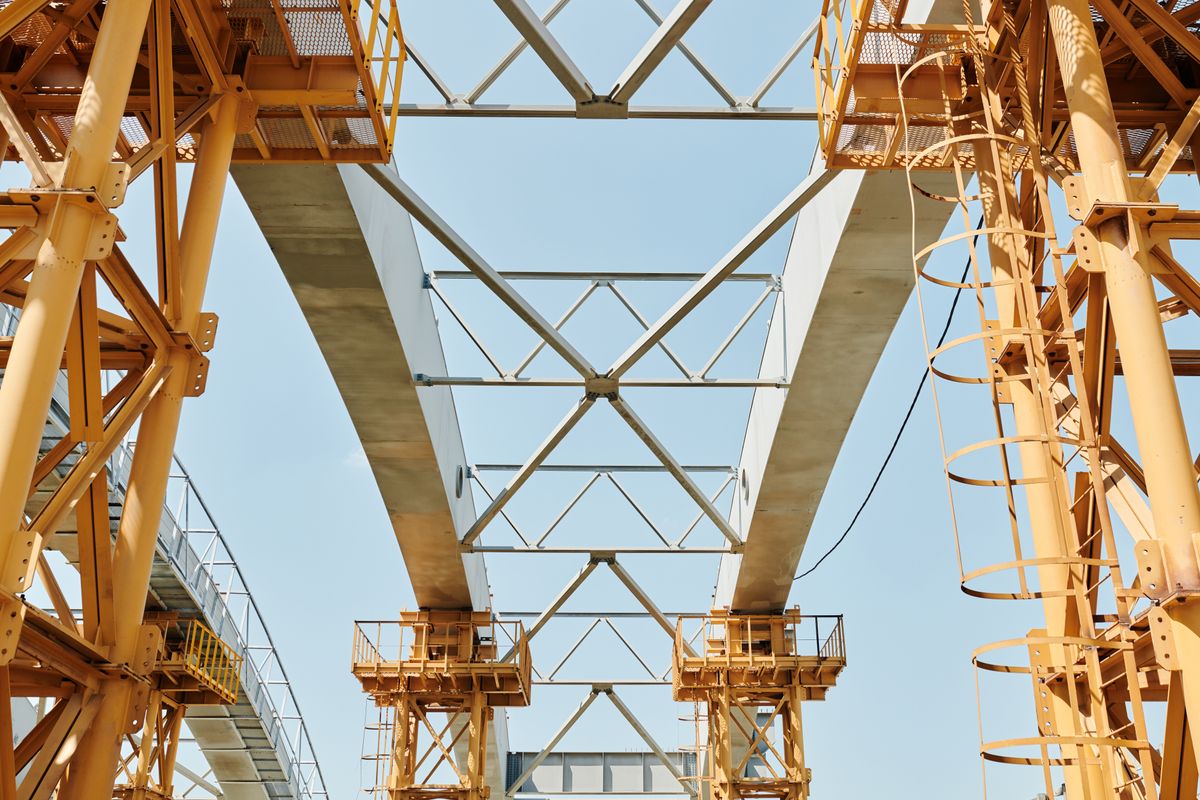
Why Does Bridge Girder Installation Require Specialized Equipment Planning?
Is bridge erection simply a matter of lifting a heavy steel component?
No. Bridge girders may have substantial lengths, particular structural characteristics, designated support locations, and specific requirements for temporary handling and installation.
Which characteristics influence equipment requirements?
- Verified girder weight.
- Overall structural dimensions.
- Approved lifting locations.
- Center of gravity information.
- Structural behavior during handling.
- Installation elevation.
- Approved equipment operating areas.
- Temporary stability requirements.
- Bridge bearing arrangements.
- Transportation and delivery restrictions.
- Existing infrastructure conditions.
- Environmental and operational limitations.
These characteristics must be evaluated together by qualified specialists. Equipment selection based on a single parameter cannot establish suitability for a bridge erection operation.
Which Bridge Projects May Require Heavy Lifting Equipment?
Do all bridge construction projects require the same lifting arrangements?
No. Bridge geometry, structural systems, access conditions, transportation arrangements, and erection methods differ between projects.
Which infrastructure applications can be considered?
| Bridge Project Type | Typical Structural Application | Equipment Planning Priority |
|---|---|---|
| Highway overpass | Bridge structure crossing designated transportation routes | Coordinate structural erection with approved infrastructure access arrangements |
| Road interchange bridge | Elevated connections within transportation networks | Review structural geometry and project construction phases |
| Urban flyover | Elevated roadway within developed areas | Assess restricted space and existing infrastructure conditions |
| Industrial access bridge | Transportation access within industrial developments | Coordinate lifting activities with facility requirements |
| Pedestrian bridge | Designated pedestrian crossing structure | Evaluate prefabricated component dimensions and installation requirements |
| Wadi crossing bridge | Infrastructure crossing a natural drainage area | Review terrain, environmental conditions, and approved operating areas |
| Bridge replacement project | Removal or replacement of existing structural components | Coordinate approved removal and installation methodologies |
| Transportation infrastructure expansion | Additional structures supporting an existing network | Coordinate equipment requirements with phased construction arrangements |
These applications represent general infrastructure project categories and do not imply that MORP has completed any particular bridge project or worked for any specific infrastructure authority.
What Types of Bridge Girders Can Require Lifting Equipment?
Are all bridge girders made from the same structural material?
No. Bridge girders may be fabricated using different materials and structural configurations according to the approved engineering design.
Which girder categories are commonly considered during equipment planning?
| Girder Category | General Structural Characteristics | Handling and Equipment Consideration |
|---|---|---|
| Steel plate girder | Fabricated steel structural component | Review approved handling points, dimensions, and temporary stability requirements |
| Steel box girder | Structural section with a box-shaped configuration | Evaluate actual component geometry, weight distribution, and handling documentation |
| Rolled steel girder | Structural steel section selected according to bridge design | Confirm component identification and verified lifting requirements |
| Prestressed concrete girder | Engineered concrete structural member | Follow approved component handling and support requirements |
| Segmental bridge component | Individual component forming part of an engineered bridge system | Coordinate lifting with the approved assembly methodology |
| Composite bridge component | Structural configuration combining different materials or systems | Confirm the actual erection-stage weight and approved handling arrangement |
The structural design and actual erection configuration determine the handling requirements. No universal equipment arrangement can be recommended solely from the girder category.

How Do I Verify Bridge Girder Weight Before Renting Equipment?
Can girder weight be estimated from its length alone?
No. The weight of a girder depends on its structural material, cross-section, dimensions, fabrication details, attachments, and actual handling configuration.
Which documents should provide the required weight information?
Obtain the approved structural drawings, fabrication documentation, component identification records, and verified weight information from the responsible project engineer or authorized fabricator.
The weight used for equipment assessment must correspond to the actual component being lifted and its approved erection configuration.
Should temporary attachments and lifting accessories be considered?
Yes. Qualified lifting specialists must account for relevant load components and lifting accessories according to the applicable equipment documentation and approved engineering methodology.
Do not select a crane using an estimated structural component weight without completing the required engineering assessment.
Why Are Girder Dimensions Important When Renting Lifting Equipment?
Can two girders with similar weights require different equipment arrangements?
Yes. Differences in length, width, depth, component shape, and weight distribution can influence handling and installation requirements even when total weights are similar.
Which dimensions should contractors provide?
- Overall girder length.
- Maximum structural width.
- Overall structural depth.
- Dimensions of projecting components.
- Transportation configuration dimensions.
- Approved erection configuration dimensions.
- Relevant bearing connection dimensions.
- Dimensions associated with the approved handling methodology.
Use the current approved project documentation rather than dimensions taken from preliminary drawings or similar structural components.
How Does Girder Geometry Affect Bridge Erection Planning?
Why can long structural components present additional handling requirements?
Long girders may exhibit structural behavior during handling that differs from their behavior after installation and completion of the bridge system.
Temporary support conditions, orientation, connections, and loading arrangements can influence component stability.
Who should assess this structural behavior?
The responsible structural engineers, fabricators, and qualified erection specialists should evaluate the proposed handling conditions and determine the approved requirements.
Equipment rental personnel should receive these approved requirements rather than independently assume that the girder can be handled in any convenient configuration.
Why Is Center of Gravity Information Important for Bridge Girders?
Is the center of gravity always located at the geometric center?
No. Fabrication details, structural attachments, variable section dimensions, and other components can influence actual weight distribution.
How should center of gravity information be established?
Obtain verified information from the responsible engineering or fabrication documentation and ensure that it corresponds to the actual handling configuration.
Qualified lifting personnel must incorporate this information into their project-specific assessment.
Visual symmetry alone is not sufficient evidence of balanced weight distribution.
What Are Approved Lifting Points on a Bridge Girder?
Can a girder be lifted from any structurally strong-looking location?
No. Lifting points must be specifically identified and approved according to the structural component's design, fabrication requirements, and proposed erection methodology.
Are transportation securing points automatically suitable for lifting?
No. Transportation securing arrangements, structural connections, temporary support locations, and lifting points may serve different purposes.
Their intended functions and approved limitations must be confirmed from the relevant engineering documentation.
Do not modify lifting points, drill additional openings, or attach unauthorized lifting components to a structural girder.
What Equipment Can Be Considered for Bridge Girder Installation?
Is a mobile crane the correct choice for every bridge project?
No. The appropriate equipment depends on the approved erection methodology, structural component characteristics, equipment operating conditions, and site-specific requirements.
Which equipment categories may be evaluated?
| Equipment Category | Potential Project Application | Essential Selection Consideration |
|---|---|---|
| Mobile cranes | Approved lifting operations involving bridge components | Verified equipment suitability for the actual operating configuration |
| Crawler cranes | Selected heavy lifting applications within suitable construction environments | Operating conditions, assembly requirements, and engineering assessment |
| Specialized bridge erection systems | Infrastructure projects requiring an engineered erection methodology | Independent technical design and project-specific system approval |
| Heavy transportation equipment | Movement of approved girder components between designated locations | Verified load characteristics and authorized transportation arrangements |
| Industrial positioning equipment | Selected structural positioning activities | Engineering compatibility with the approved erection method |
| Approved lifting accessories | Support the specified lifting arrangement | Certification, compatibility, and approved application |
| Personnel access equipment | Authorized inspection and installation access activities | Suitable working conditions and equipment-specific operating requirements |
These equipment categories are presented for general project planning. They are not a confirmed list of MORP's available equipment or a recommendation to use any particular machine for an unassessed lifting operation.
Actual availability, specifications, services, and equipment suitability must be confirmed before entering a rental agreement.
When Can Mobile Cranes Be Considered for Bridge Girder Erection?
Why are mobile cranes evaluated for infrastructure projects?
Mobile cranes may be suitable for certain bridge construction activities where the site permits appropriate equipment access, setup, operation, and removal according to an approved lifting assessment.
Does a crane's advertised lifting capacity confirm its suitability?
No. Actual lifting suitability depends on the equipment's approved operating configuration, load characteristics, operating geometry, environmental conditions, and other manufacturer-defined limitations.
Qualified personnel must evaluate these conditions using the correct equipment documentation.
A crane's nominal capacity should never be treated as confirmation that a proposed bridge girder operation is acceptable.
When Might Crawler Cranes Be Evaluated for Bridge Construction?
Are crawler cranes appropriate for every large infrastructure project?
No. Crawler cranes have particular transportation, assembly, operating area, ground condition, and project coordination requirements.
What should contractors establish before requesting this equipment category?
Provide the approved construction methodology, equipment operating requirements, site engineering information, anticipated duration, and relevant transportation arrangements.
The proposed machine and configuration must receive suitable technical assessment before mobilization.
The availability of crawler cranes or any other specific equipment category should be confirmed directly with the rental provider.
Can Multiple Cranes Be Used to Install a Bridge Girder?
Does using two cranes automatically increase the acceptable lifting capacity?
No. Multi-crane lifting introduces additional engineering and operational considerations that cannot be resolved simply by adding individual crane capacity figures.
What is required before considering a multi-crane operation?
Such operations require a dedicated engineering assessment, manufacturer-compatible equipment configurations, approved lifting methodology, qualified personnel, and appropriately coordinated project controls.
The required arrangements must be established by competent specialists using the verified load and site information.
This article does not provide an executable multi-crane lifting plan or authorize any particular combination of equipment.
When Might Specialized Bridge Erection Systems Be Required?
Can conventional cranes meet every bridge erection requirement?
No. Certain bridge designs or site conditions may require specialized erection systems developed around the structural and construction methodology.
What determines whether specialized equipment is necessary?
The responsible bridge engineering and construction specialists must evaluate the structural design, construction sequence, site constraints, equipment access, and approved erection requirements.
Specialized systems should not be selected through ordinary equipment rental criteria alone.
Their design, supply, installation, operation, and inspection responsibilities must be established separately where applicable.
How Do I Assess Site Access Before Renting Bridge Lifting Equipment?
Why is equipment mobilization an important infrastructure consideration?
Heavy lifting equipment may require suitable access roads, designated delivery areas, authorized construction routes, and appropriate space for approved equipment preparation.
Which access information should be provided?
- The project location.
- Approved construction access arrangements.
- Existing infrastructure restrictions.
- Relevant site dimensions and drawings.
- Authorized equipment delivery areas.
- Approved operating and assembly areas.
- Known underground utilities.
- Relevant overhead restrictions.
- Applicable transportation requirements.
- Project-specific operational limitations.
All proposed arrangements should be reviewed by the responsible engineering, logistics, and site management teams before equipment is transported to the project.
How Do Ground Conditions Influence Bridge Crane Rental?
Is a level construction area automatically suitable for heavy lifting equipment?
No. Surface appearance does not establish the ground's ability to support heavy equipment under the proposed operating conditions.
What should be verified before equipment setup?
The responsible qualified engineers must review relevant ground information, underground conditions, equipment loading requirements, and any approved preparation or support arrangements.
Ground suitability must be established for the specific equipment and intended operating configuration.
Do not assume that compact-looking soil, an existing road surface, or a temporary construction platform provides adequate support without appropriate engineering verification.
How Do I Confirm That Bridge Piers Are Ready for Girder Installation?
Does completion of concrete construction mean the pier is ready to receive a girder?
Not automatically. Structural readiness depends on the approved design, required construction completion, engineering acceptance, bearing arrangements, and other project-specific criteria.
Which information should be available before equipment mobilization?
- Approved pier and abutment drawings.
- Verified structural completion records.
- Approved bearing location information.
- Relevant dimensional inspection records.
- Installation elevation confirmation.
- Temporary works approvals where required.
- Engineering acceptance of the receiving structure.
- Authorization to proceed with the relevant erection stage.
The equipment provider should receive confirmation of project readiness from the authorized structural and construction representatives.

Why Are Bridge Bearings Important During Girder Installation?
What is the role of a bridge bearing?
Bridge bearings are structural components that support the transfer of loads between designated bridge elements while accommodating the movements or rotations specified by the engineering design.
Can bearing positions be changed during installation to simplify lifting?
No unauthorized changes should be made to bearing locations, orientations, supporting arrangements, or related structural components.
Any discrepancy between approved drawings and site conditions must be referred to the responsible structural engineer.
Does the equipment rental company approve bridge bearing installation?
Not necessarily. Bearing design, inspection, installation acceptance, and structural approval are separate specialist responsibilities that should be defined within the project agreements.
How Do I Coordinate Girder Installation With Temporary Structural Stability?
Is a girder automatically stable once it is positioned on its bearings?
Not necessarily. The completed bridge structure may rely on additional structural components, connections, bracing, or other engineered arrangements that are not yet present during intermediate construction stages.
What should be established before lifting begins?
The responsible engineers must approve the erection-stage structural conditions and any temporary stability arrangements required by the particular bridge design.
The equipment rental scope should be coordinated with these approved requirements and the relevant project acceptance procedures.
Equipment release must not occur until the responsible qualified personnel confirm that the approved conditions for that stage have been satisfied.
How Do I Rent Equipment for Highway Bridge Construction?
What makes highway infrastructure projects different from ordinary construction sites?
Highway projects may involve existing transportation networks, adjacent construction activities, controlled access arrangements, public safety requirements, and coordination with infrastructure authorities.
What should contractors prepare before requesting equipment?
Provide the approved bridge construction documentation, project location, girder register, authorized operating areas, structural readiness information, and the relevant approved construction program.
Any arrangements affecting public roads or traffic operations must be coordinated through the appropriate authorized project management and regulatory channels.
How Do I Plan Equipment Rental for Urban Flyover Construction?
Why can urban bridge projects present additional constraints?
Urban infrastructure projects may be surrounded by buildings, utilities, transportation routes, existing structures, and restricted construction areas.
What information should be reviewed?
Review approved site drawings, existing infrastructure information, access restrictions, available operating areas, structural requirements, and the proposed equipment mobilization arrangements.
The responsible project engineers must determine whether the proposed equipment and erection methodology are suitable for the actual environment.
Do not select equipment based on available surface area alone.
How Do I Rent Equipment for Bridges in Remote Saudi Locations?
What additional considerations apply outside major cities?
Remote infrastructure projects may involve longer transportation distances, limited supporting facilities, challenging terrain, and additional equipment logistics requirements.
How should rental planning address these conditions?
Provide accurate project location information, authorized access arrangements, expected operating conditions, required equipment duration, and the approved project program.
Discuss transportation, equipment preparation, support responsibilities, and applicable commercial conditions with the rental company before confirming mobilization.
How Do I Coordinate Bridge Construction Around Existing Traffic?
Can lifting activities proceed over an operating public roadway?
Such activities require appropriate project-specific risk assessment, authorized traffic management arrangements, engineering approval, and compliance with applicable infrastructure and safety requirements.
Who determines the required traffic arrangements?
The responsible infrastructure authority, project management team, traffic management specialists, and other authorized parties determine the appropriate arrangements for the actual project.
Equipment rental does not independently authorize road closures, traffic diversions, or lifting activities affecting public transportation routes.
How Do I Coordinate Bridge Girder Transportation With Equipment Rental?
Why should transportation and lifting schedules be coordinated?
Bridge girders may require specialized transportation arrangements according to their actual dimensions, weight, structural handling requirements, and approved route conditions.
Equipment mobilization should be aligned with the verified delivery program and site readiness.
Which transportation information should contractors provide?
- The girder identification reference.
- Approved transportation dimensions.
- Verified component weight.
- Fabricator handling requirements.
- Approved transportation support arrangements.
- The authorized delivery location.
- Expected delivery dates.
- Relevant transportation restrictions.
- Approved unloading requirements.
- Designated receiving responsibilities.
Specialized transportation arrangements must be developed and approved by the appropriately qualified parties according to the applicable requirements.
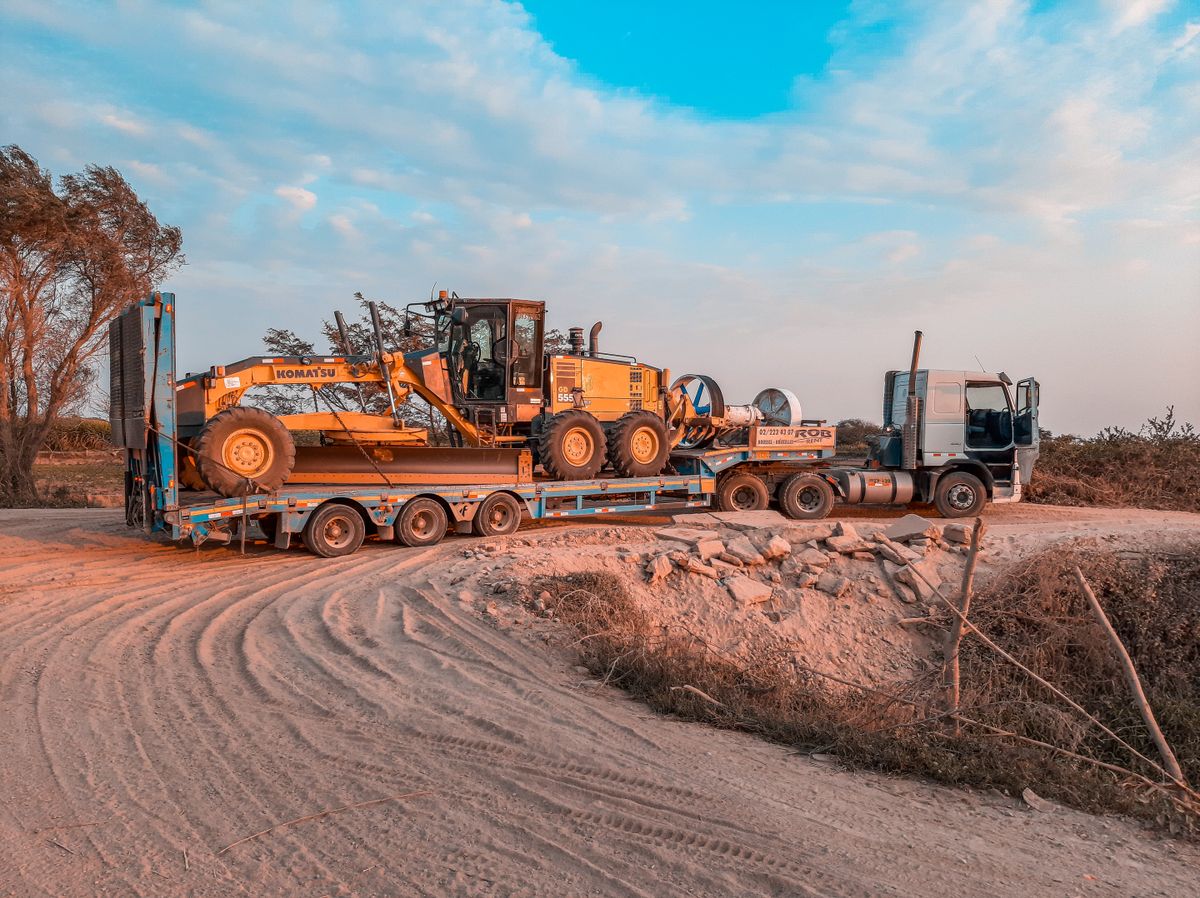
What Is the Difference Between Girder Unloading and Bridge Erection?
Does unloading a girder from transportation equipment complete the erection process?
No. Receiving a structural girder, unloading it, temporarily supporting it, positioning it within the bridge structure, and completing structural connections may represent separate construction stages.
How should equipment requirements be organized across these stages?
| Project Stage | Primary Objective | Required Coordination |
|---|---|---|
| Component receiving | Verify the delivered girder and associated documentation | Fabricator, transportation provider, and authorized receiving personnel |
| Unloading | Transfer the girder according to approved handling requirements | Qualified lifting team and approved receiving arrangements |
| Temporary storage | Maintain the component under approved support and protection conditions | Structural engineer and site management team |
| Equipment preparation | Establish readiness for the approved erection operation | Equipment provider and qualified lifting specialists |
| Girder erection | Position the structural component within its approved installation location | Qualified erection personnel and responsible structural specialists |
| Temporary stability acceptance | Verify the approved structural conditions for the relevant construction stage | Responsible engineers and authorized site representatives |
| Connection and completion | Complete the applicable permanent structural works | Specialized bridge construction contractors and engineering teams |
| Engineering acceptance | Review the completed work according to project requirements | Authorized inspection and approval representatives |
This table describes general project interfaces rather than an executable erection sequence. The actual construction methodology must be established and approved for the specific bridge.
How Do I Organize Temporary Storage for Bridge Girders?
Can bridge girders be stored on any available construction surface?
No. Temporary storage arrangements must comply with the approved structural support requirements, ground conditions, component protection requirements, and project safety arrangements.
What should be considered when preparing a storage area?
The responsible specialists should review the actual girder configuration, approved support locations, environmental exposure, available space, transportation access, and subsequent handling requirements.
Unapproved temporary supports or changes to designated support positions can introduce structural risks.
Storage requirements should be established before girders arrive at the construction site.
How Do I Inspect Bridge Girders After Transportation?
Why should girder condition be reviewed before erection?
Transportation and handling activities may expose structural components to conditions requiring inspection before the next approved construction stage.
Which general inspection records should be reviewed?
- Component identification information.
- Transportation documentation.
- Approved fabrication records.
- Relevant dimensional information.
- Visible component condition.
- Condition of approved connection areas.
- Condition of designated handling points.
- Protective coating condition where relevant.
- Any reported transportation or handling incidents.
- Formal acceptance status.
Suspected structural damage or nonconformity must be referred to the responsible engineers and authorized fabricator before installation proceeds.
The equipment rental provider should not independently approve structural repairs or determine whether damaged girders are acceptable for erection.
How Do I Protect Structural Steel Coatings During Handling?
Why are protective coatings relevant to bridge girder installation?
Steel bridge components may include protective coating systems selected according to the structural design and anticipated environmental conditions.
Inappropriate handling may damage these systems or create areas requiring inspection and approved repair.
What should be established before equipment selection?
Obtain the approved handling and coating protection requirements from the responsible fabricator or project specialist.
Any protective materials or handling arrangements must remain compatible with the approved lifting methodology and equipment requirements.
Coating repairs should be completed only according to the relevant project specifications and authorized procedures.
How Do Environmental Conditions Affect Bridge Equipment Operations?
Which Saudi environmental conditions may influence lifting operations?
Infrastructure projects may encounter high temperatures, wind, dust, changing visibility, uneven terrain, and other environmental conditions affecting construction activities.
Can bridge erection proceed under any environmental conditions?
No. The approved operation must comply with equipment manufacturer requirements, structural engineering limitations, site procedures, and applicable safety arrangements.
Qualified personnel must assess the actual environmental conditions and determine whether the proposed work remains authorized.
Do not apply a single generic environmental operating limit to every crane, girder, or bridge project.
Why Is Wind Assessment Important for Long Bridge Girders?
Does girder weight alone determine how it responds to wind?
No. Wind-related behavior may also depend on component geometry, exposed surfaces, orientation, structural configuration, and the actual environmental conditions.
How should wind-related operating requirements be established?
Qualified lifting and structural engineers must determine the applicable project requirements using the approved equipment documentation, relevant component information, and erection methodology.
The responsible personnel should monitor conditions according to the approved procedures and suspend activities when the applicable requirements are not satisfied.
Generic wind limits obtained from unrelated equipment or projects should not be used as authorization for bridge erection.
How Do I Rent Equipment for Bridge Replacement Projects?
What distinguishes bridge replacement from new construction?
Bridge replacement may involve existing structural components, established transportation routes, restricted construction conditions, and approved removal activities before new components can be installed.
What additional documentation may be required?
Contractors should provide the approved assessment of the existing structure, relevant removal and replacement methodologies, component information, site restrictions, and anticipated equipment requirements.
Structural removal and demolition activities require separate qualified assessment and authorization.
Do not assume that the equipment used to erect a new girder will automatically be suitable for removing an existing structural component.
How Do I Rent Equipment for Steel Pedestrian Bridge Installation?
Are pedestrian bridges always simpler to install than highway bridges?
No. Although their intended use differs, pedestrian bridges may contain large prefabricated structural components, architectural elements, integrated services, and project-specific installation constraints.
What should contractors provide?
Provide the approved component drawings, verified weights and dimensions, handling documentation, receiving structure information, transportation arrangements, and the proposed installation program.
The equipment configuration must be assessed according to the actual pedestrian bridge design and approved erection conditions.
How Do I Organize Equipment Rental for Multiple Bridge Girders?
Can one equipment arrangement be used for every girder in a bridge?
Potentially, but suitability must be verified for every relevant operation.
Different girders within the same structure may have different weights, dimensions, installation locations, structural characteristics, and access conditions.
What information should a girder register contain?
| Girder Register Field | Required Information | Project Planning Benefit |
|---|---|---|
| Girder identification | Unique approved component reference | Connect each component with its engineering documentation |
| Structural type | Approved girder category and configuration | Identify relevant component requirements |
| Verified weight | Actual approved erection-stage weight | Support qualified equipment assessment |
| Overall dimensions | Approved length, width, depth, and relevant projections | Review transportation and handling requirements |
| Handling information | Approved lifting points and component handling documentation | Support preparation of the authorized erection methodology |
| Installation reference | Approved bridge location and structural drawing reference | Maintain correct component placement records |
| Receiving structure status | Approved readiness and engineering acceptance information | Coordinate equipment mobilization with site readiness |
| Delivery status | Verified fabrication and transportation information | Coordinate the anticipated construction program |
| Equipment requirement | Approved equipment category and project-specific configuration reference | Organize rental and mobilization requirements |
| Approval status | Applicable engineering, safety, and construction authorizations | Identify readiness for the relevant project activity |
A coordinated girder register helps project teams maintain consistent component information and reduces the risk of mixing documentation between different bridge elements.
How Do I Coordinate Equipment Rental With Bridge Fabrication Progress?
Should lifting equipment be mobilized before girder fabrication is complete?
Mobilization decisions should reflect the approved project program, verified component readiness, transportation arrangements, equipment availability, and contractual commitments.
Which fabrication updates are relevant?
Review the approved fabrication status, inspection requirements, component release documentation, transportation preparation, and anticipated arrival at the designated project location.
Changes in fabrication progress should be communicated to the responsible project and equipment coordination teams.
Equipment schedules should not rely solely on preliminary manufacturing estimates when confirmed readiness information is required.
How Do I Coordinate Bridge Lifting Equipment With Other Contractors?
Which project teams may influence equipment requirements?
- The main infrastructure contractor.
- The responsible structural engineering team.
- The bridge girder fabricator.
- The specialized erection contractor.
- The transportation provider.
- The temporary works engineering team.
- The geotechnical specialists.
- The equipment rental provider.
- The authorized inspection representatives.
- The traffic management specialists where applicable.
- The project safety management team.
Why is coordination between these parties important?
Each party may control information or approvals required for equipment preparation and bridge construction activities.
Unclear coordination can result in incompatible equipment requests, unavailable structural components, incomplete receiving structures, or differences between proposed and approved erection arrangements.
Who Is Responsible for Preparing the Bridge Girder Lifting Plan?
Does renting a crane automatically include preparation of an approved lifting plan?
Not necessarily. The responsibility for preparing, reviewing, and approving lifting plans must be explicitly established within the project agreements.
Who should develop the technical methodology?
The lifting methodology should be prepared and reviewed by appropriately qualified and authorized specialists using verified component information, equipment documentation, structural requirements, and actual site conditions.
The project must establish clear responsibility for technical approval, equipment selection, execution, supervision, and acceptance.
A rental quotation alone does not constitute an approved lifting methodology.
What Documents Should Be Available Before Equipment Mobilization?
Why is documentation important for infrastructure equipment rental?
Documentation helps confirm that the equipment request corresponds to the actual project requirements and that the relevant engineering and operational responsibilities have been established.
Which documents may be required?
- Approved bridge structural drawings.
- Current girder fabrication drawings.
- Verified component weight records.
- Approved handling documentation.
- Relevant center of gravity information.
- Approved structural receiving arrangements.
- Relevant ground and site engineering information.
- Approved temporary works documentation where applicable.
- Authorized equipment access arrangements.
- Project-specific lifting methodology.
- Equipment suitability assessment records.
- Applicable inspection and certification documentation.
- Relevant transportation authorizations.
- Approved construction program.
- Required work permits and authorizations.
The exact documentation requirements depend on the particular project, approved methodology, equipment categories, and applicable contractual or regulatory arrangements.
Should I Rent Bridge Lifting Equipment With an Operator?
Are operator services always included in equipment rental?
No. Commercial rental arrangements may differ according to the equipment category, project requirements, service provider, and agreed contract scope.
What should be confirmed in the quotation?
Confirm whether the quotation includes equipment operators, transportation, equipment preparation, supporting personnel, lifting accessories, inspections, or other agreed services.
Personnel qualifications, operating responsibilities, and project authorization requirements must also be established.
Do not assume that every equipment rental agreement includes the complete specialist bridge erection team.
How Do I Determine the Appropriate Equipment Rental Duration?
Should rental duration be based only on the anticipated lifting activity?
No. Equipment rental requirements may also be influenced by transportation, preparation, approved inspections, project coordination, equipment release conditions, and contractual arrangements.
Which scheduling information should be reviewed?
- Verified girder delivery dates.
- Structural readiness milestones.
- Approved equipment mobilization requirements.
- Anticipated construction activities.
- Inspection and authorization requirements.
- Potential interfaces with other contractors.
- Equipment release arrangements.
- Agreed rental commencement and completion conditions.
The rental period should be discussed using the approved construction program and realistic project coordination requirements.
When Is Short-Term Crane Rental Suitable for Bridge Projects?
Can a bridge contractor rent equipment for a defined erection activity?
Potentially. Short-term rental may be considered when the equipment requirements are clearly established, the structural components are ready, and the relevant project approvals and site arrangements have been completed.
What should be confirmed before selecting this rental model?
Review equipment availability, transportation arrangements, commercial rental conditions, approved operating requirements, and the anticipated duration of the agreed service.
The suitability of a short-term agreement depends on the actual project rather than a universal preference for a particular rental period.
When Is Extended Equipment Rental Appropriate for Bridge Construction?
Why might infrastructure projects require equipment over several construction phases?
Large or phased bridge projects may involve several structural components, multiple installation areas, changing construction milestones, and equipment requirements distributed across the project program.
How should extended rental be evaluated?
Compare the approved equipment requirements, planned utilization, transportation considerations, support responsibilities, commercial terms, and actual construction schedule.
Equipment suitability should continue to be reviewed when project activities or proposed operating configurations change.
Extended availability does not authorize equipment use for operations outside the approved scope.
How Do I Manage Equipment Rental When Girder Delivery Is Delayed?
What should contractors do when delivery dates change?
Update the verified transportation information and coordinate the revised construction program with the equipment rental provider and responsible project representatives.
What commercial conditions should be reviewed?
Review agreed mobilization arrangements, rental commencement conditions, standby terms, rescheduling provisions, and other contractual obligations.
These conditions should be established in writing before equipment is dispatched to the project.
The objective is to align equipment requirements with confirmed project readiness rather than rely on informal scheduling assumptions.
How Do I Confirm Equipment Readiness Before Bridge Erection?
Does equipment arrival establish readiness for lifting?
No. Equipment must satisfy the applicable project inspection, documentation, configuration, operating condition, and authorization requirements before use.
What should authorized personnel review?
- Correct equipment identification.
- Compatibility with the approved equipment assessment.
- Required inspection documentation.
- Applicable maintenance information.
- Approved operating configuration.
- Relevant lifting accessory documentation.
- Personnel qualifications and authorizations.
- Approved operating area readiness.
- Environmental condition requirements.
- Completion of the required project approvals.
Equipment readiness must be confirmed through the project's approved inspection and authorization procedures.
What Safety Requirements Apply to Bridge Girder Installation?
Can this guide be used as a bridge girder lifting plan?
No. This guide provides general equipment rental and procurement planning information. It does not establish equipment capacities, lifting configurations, rigging arrangements, structural loading limits, or executable erection instructions.
What general safety requirements should contractors consider?
- Project-specific engineering assessment.
- Approved lifting and erection methodology.
- Verified structural component information.
- Appropriate equipment selection and inspection.
- Approved temporary works arrangements.
- Qualified and authorized personnel.
- Controlled construction access.
- Protection of personnel from suspended load hazards.
- Approved environmental operating requirements.
- Coordination with existing infrastructure operations.
- Appropriate emergency response arrangements.
- Required permits and work authorizations.
No person should be permitted beneath suspended loads or within unauthorized lifting areas. All activities must remain subject to the instructions of the responsible qualified personnel and approved project procedures.
How Do I Review Bridge Girder Installation After Positioning?
Does placing the girder in its designated location complete structural acceptance?
No. Additional inspections, temporary stability checks, connection works, alignment verification, and engineering acceptance may be required according to the approved construction methodology.
What information should authorized specialists review?
- The installed component identification.
- The approved installation location.
- Relevant structural alignment information.
- The condition of designated bearing arrangements.
- The condition of the girder and visible connections.
- Approved temporary stability requirements.
- Required permanent connection activities.
- Any outstanding structural nonconformities.
- Applicable engineering acceptance records.
Equipment release and progression to subsequent construction activities must remain subject to the approved project requirements and authorization procedures.
What Is the Difference Between Equipment Service Completion and Bridge Acceptance?
Does completion of crane rental mean the bridge is ready for public use?
No. Equipment service completion relates only to the agreed rental and operational service scope.
What additional requirements may apply before a bridge becomes operational?
The bridge may require completion of structural works, connections, deck construction, associated infrastructure, inspections, testing, and applicable engineering or regulatory approvals.
These requirements are established by the responsible project specialists and authorized infrastructure representatives.
Equipment service completion should never be presented as confirmation that an unfinished bridge is structurally accepted or authorized for public use.

How Much Does Bridge Girder Installation Equipment Rental Cost?
Is there a standard rental price for every bridge construction project?
No. Equipment rental costs depend on the actual approved equipment requirements, project location, rental duration, mobilization arrangements, supporting services, and contractual conditions.
Which information influences the equipment quotation?
| Quotation Component | Information Required | Reason for Assessment |
|---|---|---|
| Equipment category | Approved machinery requirements and technical configuration information | Identify suitable rental equipment options |
| Girder characteristics | Verified weights, dimensions, and handling documentation | Support assessment of the required equipment scope |
| Number of structural components | Approved girder register and anticipated construction activities | Establish the overall project equipment requirements |
| Project location | City, infrastructure site, and approved access arrangements | Determine transportation and mobilization requirements |
| Rental duration | Approved construction program and anticipated service period | Establish the commercial rental period |
| Lifting accessories | Requirements identified by the approved lifting methodology | Determine any separately agreed accessory supply scope |
| Equipment personnel | Required personnel services and defined responsibilities | Clarify the labor and operational services included |
| Equipment preparation | Approved preparation and configuration requirements | Identify relevant mobilization and setup services |
| Supporting equipment | Additional machinery requirements identified by project specialists | Determine supplementary rental requirements |
| Commercial conditions | Agreed standby, rescheduling, mobilization, and completion provisions | Clarify contractual obligations and cost responsibilities |
No fixed prices, estimated commercial rates, or unsupported equipment capacities are assumed in this article.
Contractors should request a customized quotation after the relevant equipment requirements have been established and availability has been confirmed.
Can I Rent Bridge Construction Equipment Outside Riyadh?
Does infrastructure equipment rental extend to other Saudi regions?
MORP provides crane and heavy equipment rental services for construction and infrastructure requirements in Riyadh and across Saudi Arabia.
Contractors working outside Riyadh can discuss project-specific equipment requirements, anticipated rental periods, transportation arrangements, and supporting services with the company.
What information is required for projects outside Riyadh?
- The project city or region.
- The approved infrastructure site location.
- Equipment access and delivery arrangements.
- The anticipated mobilization schedule.
- Verified girder characteristics.
- Approved equipment requirements.
- The expected rental duration.
- Relevant environmental and operational restrictions.
- Requested supporting services.
Specific equipment availability, transportation arrangements, and commercial terms must be confirmed according to the actual project requirements.
What Information Should I Send to a Bridge Equipment Rental Company?
How can I prepare a complete infrastructure equipment rental request?
- The project name and general infrastructure category.
- The project city and approved site location.
- The required equipment service scope.
- Approved bridge structural drawings.
- The complete girder identification register.
- Verified structural component weights.
- Approved girder dimensions.
- Relevant center of gravity information.
- Approved handling and lifting point documentation.
- Approved structural receiving arrangements.
- Relevant installation elevations.
- Approved equipment operating area information.
- Available ground and site engineering documentation.
- Authorized transportation and access arrangements.
- Verified component delivery dates.
- The anticipated erection program.
- Approved equipment requirements.
- Required lifting accessories where applicable.
- Requested operator and supporting personnel services.
- The anticipated rental duration.
- Relevant operational restrictions.
- Applicable approval and inspection requirements.
- Recent authorized photographs of the project site.
- The designated project equipment coordination representative.
Providing accurate and appropriately authorized project information helps the rental provider assess the commercial equipment requirements and coordinate technical suitability reviews with the relevant project specialists.
What Are the Most Common Bridge Girder Equipment Rental Mistakes?
Which equipment selection mistakes should contractors avoid?
- Selecting equipment based only on a girder's estimated weight.
- Assuming a crane's nominal capacity confirms lifting suitability.
- Ignoring the actual girder erection configuration.
- Using preliminary or outdated structural drawings.
- Assuming all girders have identical weight distribution.
- Treating transportation securing points as approved lifting points.
- Assuming ordinary lifting equipment is suitable for every erection methodology.
- Failing to assess actual ground and site conditions.
- Ignoring equipment transportation and mobilization requirements.
- Assuming specific machinery is available without supplier confirmation.
- Combining equipment capacity figures without qualified engineering assessment.
Which project coordination mistakes should be avoided?
- Mobilizing equipment before verifying component delivery readiness.
- Proceeding without structural receiving point acceptance.
- Ignoring approved bearing requirements.
- Failing to coordinate temporary structural stability arrangements.
- Assuming equipment rental includes all bridge erection responsibilities.
- Failing to establish who prepares and approves the lifting methodology.
- Using unapproved structural component support arrangements.
- Ignoring existing transportation infrastructure restrictions.
- Making unauthorized modifications to structural components.
- Proceeding despite unresolved engineering or safety requirements.
- Releasing equipment before the approved structural conditions are satisfied.
- Confusing equipment service completion with final bridge acceptance.
What Is the Bridge Girder Equipment Rental Checklist?
What should be confirmed before requesting a quotation?
- ☐ Identify the bridge project and required equipment scope.
- ☐ Obtain the current approved structural drawings.
- ☐ Prepare the complete girder register.
- ☐ Verify individual component weights.
- ☐ Confirm approved girder dimensions.
- ☐ Review actual transportation and erection configurations.
- ☐ Obtain relevant center of gravity information.
- ☐ Confirm approved handling documentation.
- ☐ Identify approved lifting points.
- ☐ Review structural receiving requirements.
- ☐ Confirm relevant installation elevations.
- ☐ Review proposed equipment operating areas.
- ☐ Obtain relevant ground engineering information.
- ☐ Review authorized transportation arrangements.
- ☐ Confirm girder fabrication and delivery status.
- ☐ Identify required equipment categories through qualified assessment.
- ☐ Establish supporting equipment requirements.
- ☐ Define operator and personnel service requirements.
- ☐ Establish the anticipated rental duration.
- ☐ Confirm equipment availability with the rental provider.
- ☐ Review the proposed quotation and commercial terms.
What should authorized project personnel confirm before erection?
- ☐ Verify that the actual girder matches the approved documentation.
- ☐ Confirm the component's required inspection and acceptance status.
- ☐ Approve the project-specific lifting and erection methodology.
- ☐ Verify equipment suitability for the approved operation.
- ☐ Review applicable equipment inspection documentation.
- ☐ Confirm approved lifting accessories and supporting arrangements.
- ☐ Verify the readiness of designated equipment operating areas.
- ☐ Confirm structural receiving point acceptance.
- ☐ Review approved bearing arrangements.
- ☐ Confirm required temporary structural stability arrangements.
- ☐ Verify applicable environmental operating conditions.
- ☐ Confirm qualified and authorized personnel availability.
- ☐ Establish approved construction access restrictions.
- ☐ Confirm relevant infrastructure and traffic management arrangements.
- ☐ Review emergency response requirements.
- ☐ Complete the applicable work permits and approvals.
- ☐ Confirm structural acceptance responsibilities after positioning.
- ☐ Obtain authorization to proceed from the responsible project representatives.
This checklist is a general procurement and readiness review aid. It does not replace approved technical procedures, engineering calculations, statutory requirements, or project-specific lifting documentation.
What Are the Frequently Asked Questions About Bridge Girder Equipment Rental?
1. What is the best crane for bridge girder installation?
There is no universally suitable crane for every bridge girder. Equipment selection depends on verified girder characteristics, the approved erection methodology, actual operating conditions, site engineering information, and qualified equipment suitability assessment.
2. Can mobile cranes be used for highway bridge construction?
Mobile cranes may be suitable for selected bridge construction activities when the actual equipment configuration and operating conditions comply with the approved project requirements. Suitability and availability must be confirmed before mobilization.
3. How do I determine the correct crane capacity for a bridge girder?
Qualified lifting specialists must determine equipment suitability using verified component information, the approved operating configuration, manufacturer documentation, actual project conditions, and the authorized erection methodology. Girder weight alone is insufficient.
4. Can two cranes be used to install a long bridge girder?
Multi-crane operations may be considered only through a dedicated professional engineering assessment and approved lifting methodology. Individual crane capacity figures cannot simply be added together to establish the suitability of a combined operation.
5. Are girder transportation and lifting included in the same rental agreement?
Not necessarily. Transportation, unloading, erection, equipment operation, lifting accessories, and supporting personnel may represent separate contractual services. The quotation should clearly identify the services included and the responsibilities of each party.
6. Can bridge girders be installed before the receiving structure is formally accepted?
Installation should not proceed until the responsible qualified personnel confirm that the applicable structural readiness and authorization requirements have been satisfied. Completion of visible construction alone does not establish readiness.
7. Can I rent equipment for bridge projects outside Riyadh?
Yes. Contractors can contact MORP to discuss equipment rental requirements for infrastructure projects across Saudi Arabia. Actual equipment availability, transportation arrangements, service scope, and commercial terms must be confirmed for the specific project.
8. Does crane rental include temporary structural bracing and bridge connection works?
Not automatically. Temporary structural stability systems, engineered bracing, permanent connections, and structural acceptance are specialist project responsibilities. Any related equipment or services must be clearly defined within the approved commercial and technical scope.
9. How much does bridge girder lifting equipment rental cost in Saudi Arabia?
The cost depends on the approved equipment requirements, component characteristics, project location, mobilization arrangements, rental duration, requested supporting services, and contractual conditions. A customized quotation is required for accurate pricing.
10. How can I request bridge construction equipment rental from MORP?
Contact MORP on 0553925756 or through WhatsApp. Provide the approved project drawings, girder register, verified component information, site conditions, anticipated construction program, and required equipment scope to discuss suitable rental arrangements.
How Can MORP Support Bridge Construction Equipment Requirements?
Why should equipment rental be coordinated with infrastructure engineering requirements?
Because bridge girder installation involves structural components whose handling, transportation, positioning, and temporary stability requirements must be established through professional engineering assessment.
Equipment availability alone cannot establish suitability for a specialized infrastructure lifting operation.
A coordinated rental process begins with verified project documentation, clearly defined equipment requirements, approved operating conditions, and an accurate construction program.
MORP provides crane and heavy equipment rental services for contractors, construction companies, industrial projects, and infrastructure developments in Riyadh and across Saudi Arabia.
Infrastructure contractors can discuss crane rental requirements, heavy equipment needs, mobilization arrangements, anticipated rental periods, and agreed supporting services with MORP according to their actual project requirements.
Specific equipment models, configurations, availability, lifting accessories, operator services, transportation arrangements, and commercial quotations must be confirmed directly for each project.
Bridge structural design, temporary works engineering, lifting plan approval, erection methodology, traffic management authorization, and final structural acceptance remain the responsibility of the relevant qualified and authorized project specialists unless explicitly established otherwise through appropriate contractual arrangements.
Official MORP website: https://www.morp-sa.com/
How should you begin requesting equipment for your bridge project?
Prepare the approved bridge drawings, verified girder weights and dimensions, structural receiving information, authorized site access arrangements, anticipated construction schedule, and equipment requirements established by the responsible project specialists.
Contact MORP to discuss equipment availability, rental arrangements, transportation requirements, and a customized quotation that reflects the actual infrastructure project scope.
Conclusion: Renting equipment for bridge girder installation requires coordinated planning that extends beyond selecting a crane according to component weight. Contractors must establish verified structural information, approved handling requirements, receiving structure readiness, suitable equipment operating conditions, transportation arrangements, and clearly defined contractual responsibilities. Equipment selection and bridge erection activities must remain subject to project-specific engineering assessment and authorization. By coordinating equipment procurement with approved construction requirements, contractors can establish a more organized rental process and support the successful delivery of bridge infrastructure projects throughout Saudi Arabia.