



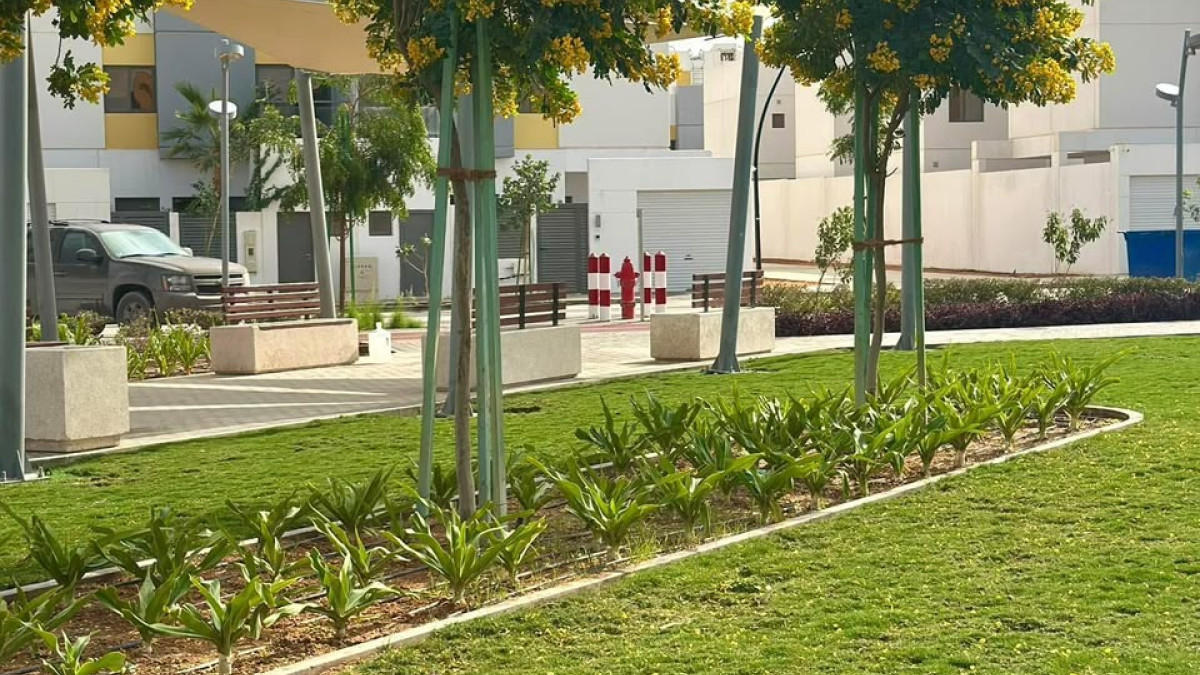
To create a fragrant garden in Riyadh, select aromatic trees, flowering shrubs, climbing plants, and herbs that are suitable for the actual planting environment. Arrange them near approved seating areas, entrances, courtyards, and walking paths according to their fragrance characteristics, seasonal flowering behavior, sunlight requirements, and maintenance needs.
A fragrant garden should provide more than attractive visual landscaping. It should create a pleasant outdoor experience through natural plant aromas that can be enjoyed during different periods of the day and year.
In Riyadh, successful aromatic garden design requires careful consideration of summer temperatures, sunlight exposure, water quality, plant suitability, available space, and the movement of air through the property.
This guide from Rayat Najd Landscaping explains how homeowners, villa owners, commercial property developers, hospitality businesses, and landscape project managers can plan fragrant outdoor spaces in Saudi Arabia.
 Call Now
 WhatsApp
What Is a Fragrant Garden?
How does a fragrant garden differ from an ordinary ornamental garden?
A fragrant garden is a landscaped outdoor space designed to provide enjoyable natural aromas alongside visual beauty. It may contain scented flowers, aromatic foliage, fragrant trees, climbing plants, and selected herbs.
Ordinary ornamental gardens may prioritize color, texture, shape, and architectural appearance. Fragrant gardens introduce an additional sensory dimension by considering how plants release aromas and how those aromas are experienced throughout the outdoor space.
Does every plant in a fragrant garden need to produce a scent?
No. Non-fragrant trees, shrubs, and groundcovers can provide structure, visual balance, shade, and complementary planting features.
A successful fragrant garden combines suitable aromatic plants with other landscape elements rather than requiring every plant to produce a noticeable fragrance.
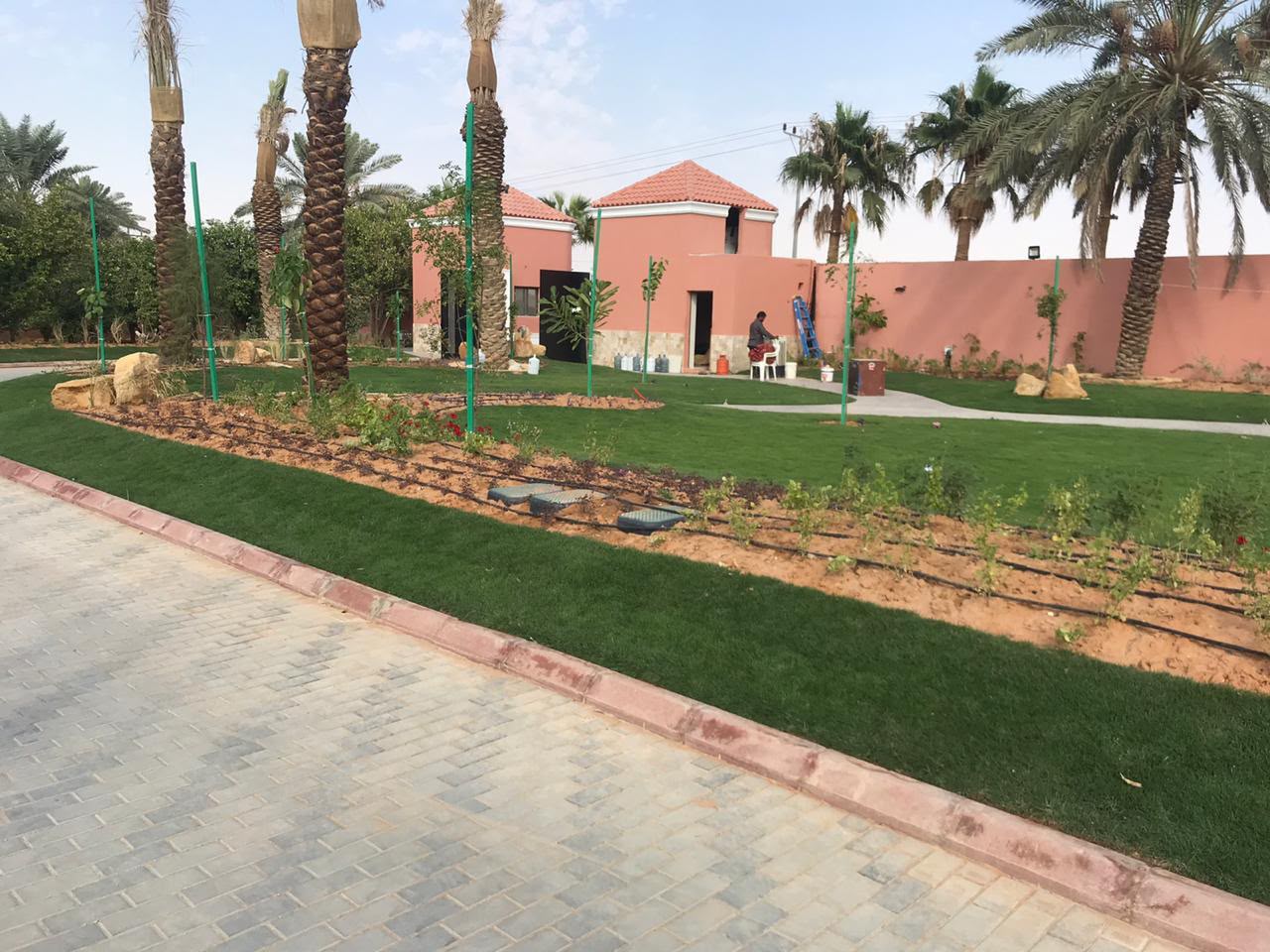
Why Should I Create a Fragrant Garden in Saudi Arabia?
Can plant fragrance improve the outdoor experience?
Natural plant aromas can contribute to an enjoyable and distinctive garden atmosphere. The experience depends on individual preferences, plant characteristics, flowering conditions, and the relationship between planting areas and outdoor activities.
Which properties can benefit from aromatic landscaping?
- Residential villas.
- Private courtyards.
- Family gardens.
- Rest houses.
- Hotels and hospitality properties.
- Outdoor restaurant areas.
- Commercial property entrances.
- Residential development common areas.
- Private recreational properties.
- Approved public garden spaces.
The planting design should reflect the intended users, available space, environmental conditions, and maintenance capabilities of the property.
What Are the Trees?
What role do trees perform in fragrant garden design?
Trees are perennial woody plants that generally develop a supporting trunk and branches. In landscape design, suitable trees can provide structure, height, architectural character, shade, flowering displays, and other environmental or visual functions.
Some tree species produce fragrant flowers or aromatic foliage, while others provide a supportive landscape environment for scented shrubs and herbs.
Do all trees produce a pleasant fragrance?
No. Fragrance characteristics vary considerably between species and cultivars. Some trees produce noticeably scented flowers during particular seasons, while others are selected mainly for their appearance, canopy, or adaptation to the planting environment.
Which Types of Plants Can Create a Fragrant Garden?
Are flowering plants the only source of natural garden fragrance?
No. Some plants release aromas through flowers, while others contain aromatic compounds in their leaves, stems, or other plant tissues.
How do aromatic plant categories compare?
| Plant Category | Primary Fragrance Source | Potential Landscape Application |
|---|---|---|
| Fragrant flowering trees | Seasonal flowers | Selected garden focal points and spacious planting areas |
| Flowering shrubs | Flowers produced during suitable growing periods | Courtyards, borders, and seating area surroundings |
| Climbing flowering plants | Flowers distributed across supported growth | Approved trellises and garden structures |
| Aromatic herbs | Leaves and other aromatic plant tissues | Herb gardens and accessible planting beds |
| Aromatic foliage shrubs | Leaves and stems | Garden borders and selected pathways |
| Scented container plants | Flowers or foliage depending on the species | Patios, courtyards, and suitable paved spaces |
Plant suitability must be assessed individually. Membership in one of these categories does not establish suitability for every outdoor environment in Riyadh.
Which Fragrant Plants Can Be Considered for Riyadh Gardens?
Can plants from Mediterranean or tropical environments grow in Riyadh?
Some species may perform satisfactorily under suitable local conditions, while others require protected planting locations, particular soil characteristics, or more intensive maintenance.
Riyadh's summer heat, strong sunlight, dry conditions, and occasional winter temperature changes can significantly influence plant performance.
Which aromatic plants are worth evaluating?
| Plant | Fragrance Characteristic | Important Planting Consideration |
|---|---|---|
| Arabian jasmine (Jasminum sambac) | Distinctively fragrant white flowers | Suitable light, protection from extreme exposure, and managed watering |
| Common jasmine (Jasminum officinale) | Fragrant flowers | Appropriate support, temperature suitability, and cultivar selection |
| Rosemary (Salvia rosmarinus) | Aromatic evergreen foliage | Good drainage and suitable sunlight exposure |
| Lavender (Lavandula species) | Fragrant flowers and foliage | Careful species selection, heat tolerance, and excellent drainage |
| Sweet basil (Ocimum basilicum) | Aromatic foliage | Seasonal growing conditions and appropriate moisture management |
| Mint (Mentha species) | Distinctive aromatic leaves | Managed moisture and containment of spreading growth |
| Selected citrus trees | Fragrant blossoms during flowering | Water quality, growing conditions, and seasonal protection where required |
| Selected fragrant rose cultivars | Variable floral fragrance | Cultivar suitability and management of extreme summer conditions |
| Frangipani (Plumeria species) | Fragrant flowers in many cultivars | Suitable microclimate and protection from damaging cold conditions |
These plants are potential candidates for evaluation, not a guarantee that every listed species will thrive in every Saudi garden. Local nursery advice, cultivar characteristics, and site assessment should guide final selection.
Is Arabian Jasmine Suitable for Fragrant Gardens in Riyadh?
Why is Arabian jasmine popular in aromatic landscaping?
Arabian jasmine is valued for its fragrant white flowers and attractive ornamental growth. It can be considered for selected courtyard gardens, container arrangements, sheltered planting locations, and supported landscape designs.
Does Arabian jasmine tolerate unrestricted desert exposure?
Its performance depends on the cultivar, establishment conditions, temperature exposure, available moisture, and planting location.
In particularly exposed gardens, protection from extreme conditions may be necessary. The planting arrangement should be developed according to the site's actual environment.
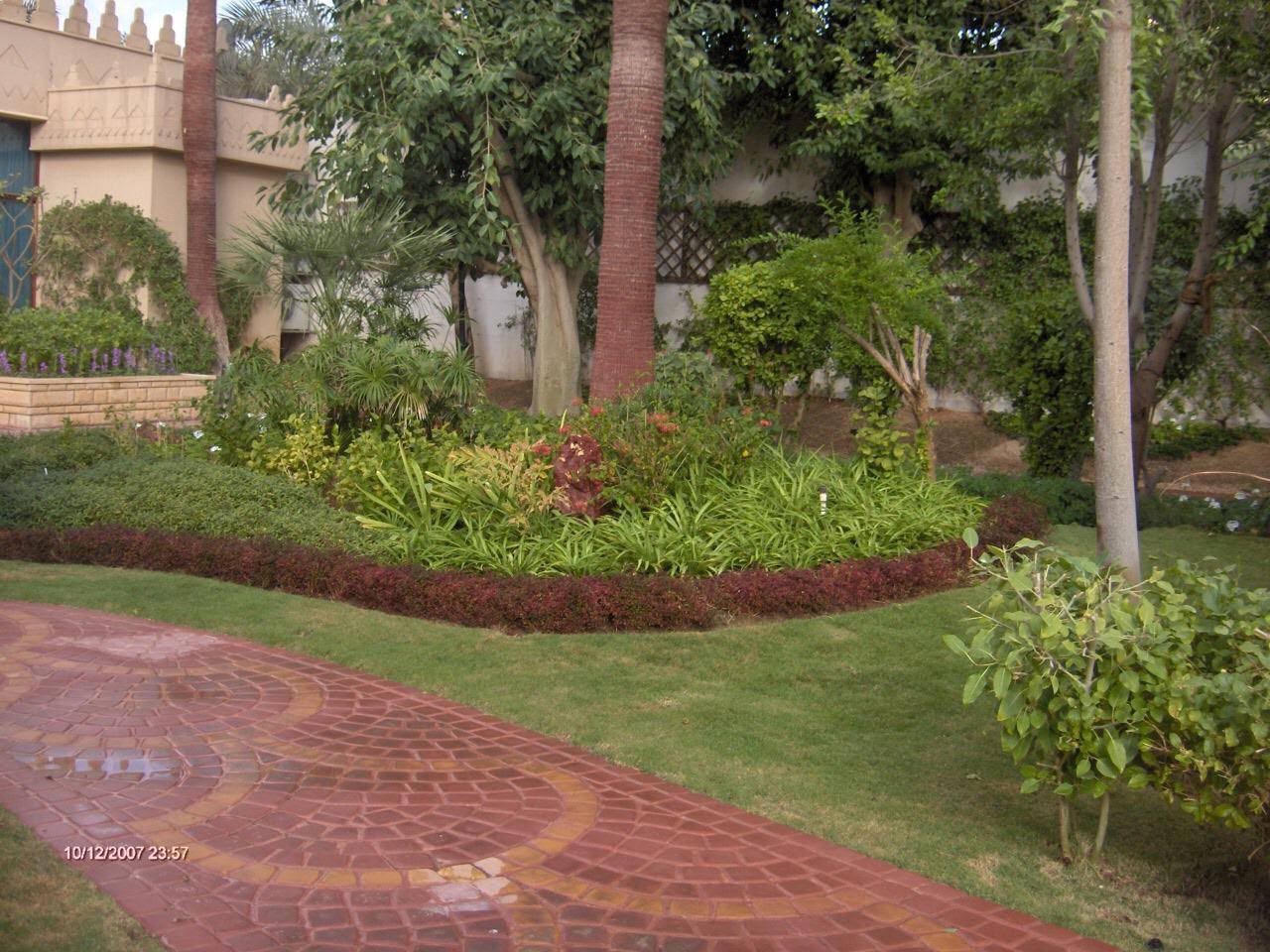
Can Rosemary Be Used as a Permanent Aromatic Landscape Plant?
What makes rosemary useful in garden design?
Rosemary produces aromatic foliage and can provide an attractive planting structure throughout much of the year under suitable conditions.
Different cultivars may develop upright, spreading, or trailing growth patterns, creating several potential landscape applications.
Where can rosemary be planted?
Suitable applications may include garden borders, selected pathways, aromatic herb beds, container gardens, and other well-drained planting locations.
Rosemary should not be placed in persistently saturated soil or managed with the same watering requirements as moisture-demanding herbs without appropriate assessment.
Can Lavender Grow Successfully in Riyadh?
Are all lavender varieties equally suitable for hot climates?
No. Lavender species and cultivars differ in temperature tolerance, flowering behavior, growing requirements, and sensitivity to excessive moisture.
What should homeowners consider before planting lavender?
Evaluate the specific plant variety, summer exposure, soil drainage, irrigation arrangement, and available maintenance support.
Lavender should not be purchased solely because its appearance and fragrance are attractive. Its suitability for the intended Riyadh planting location must also be considered.
Can Fragrant Roses Be Used in Saudi Gardens?
Do all ornamental roses produce a strong fragrance?
No. Rose cultivars differ considerably in fragrance intensity. Some have been selected primarily for flower appearance, durability, or other ornamental characteristics rather than scent.
How should fragrant rose varieties be selected?
Review cultivar fragrance characteristics, local growing performance, flowering behavior, maintenance requirements, disease susceptibility, and suitability for the intended garden environment.
Where possible, evaluate flowering nursery specimens before selecting varieties for a fragrance-focused landscape.
Are Citrus Trees Useful in Fragrant Garden Design?
When do citrus trees produce natural fragrance?
Many citrus trees produce fragrant flowers during their flowering periods. The timing and intensity of fragrance depend on the species, cultivar, climate, and plant condition.
Should citrus trees be selected only for their fragrance?
No. Citrus trees also require consideration of mature dimensions, water quality, growing conditions, fruit management, maintenance needs, and the suitability of the intended planting location.
They may be appropriate where homeowners want to combine ornamental planting with selected fruit-producing landscape elements.
What Are the Benefits of Palm Trees?
Do palm trees contribute to fragrant garden landscaping?
Palm trees can contribute architectural height, distinctive silhouettes, visual continuity, and a recognizable regional landscape character.
Some palms may produce scented flowers, but fragrance characteristics differ by species and flowering conditions. Palms should generally be selected according to their overall landscape function rather than assumed to provide continuous strong fragrance.
How can palms complement aromatic plants?
Suitable palms can serve as structural planting elements while fragrant shrubs, herbs, and flowering plants provide scent at lower levels within the garden.
The combination should account for mature palm dimensions, canopy characteristics, root space, irrigation requirements, and maintenance access.
What Are the Benefits of Washingtonia Trees?
Why are Washingtonia palms used in Saudi landscaping?
Washingtonia palms are often considered for landscapes requiring vertical architectural character and distinctive palm silhouettes.
Depending on the species, site, and maintenance conditions, they can complement residential entrances, spacious gardens, commercial landscapes, and other appropriate planting environments.
Are Washingtonia palms primarily selected for fragrance?
No. Their principal contribution to fragrant garden design is generally structural and visual rather than providing a reliable source of floral fragrance.
Their mature height, maintenance requirements, planting location, and compatibility with surrounding structures must be reviewed before selection.
Where Are Trees Planted?
Where should trees be positioned within a fragrant garden?
Tree locations should reflect mature canopy dimensions, root development, building clearances, available soil volume, underground infrastructure, garden circulation, and the overall planting concept.
Should fragrant trees be planted directly beside outdoor seating?
Not automatically. Some trees may produce fallen flowers, fruit, pollen, or other materials that affect seating areas and maintenance requirements.
The appropriate planting position should balance the desired sensory experience with the tree's biological characteristics and the practical use of the property.
How Are They Planted?
What is the general process for planting aromatic trees and shrubs?
Planting begins with selecting healthy nursery stock and assessing the planting environment. The responsible landscaping team then prepares suitable planting areas, installs plants at appropriate planting levels, establishes the required watering arrangements, and provides initial establishment care.
Can all aromatic plants be planted using identical methods?
No. Trees, shrubs, herbs, climbing plants, and container specimens may require different planting arrangements according to their root systems, growing requirements, mature dimensions, and species characteristics.
Professional planting methods should reflect the requirements of the specific plant rather than a universal planting formula.
How Do I Arrange Aromatic Plants Along Garden Pathways?
Why are pathways useful locations for fragrant plants?
Pathways allow garden users to experience different planting areas while moving through the landscape. Suitable aromatic foliage and flowering plants can contribute a distinctive sensory experience along these routes.
What should be considered when planting beside a pathway?
Review the plant's mature width, growth characteristics, potential thorns, maintenance requirements, and whether leaves or flowers may obstruct walking surfaces.
Plants should not create unnecessary contact with pedestrians, interfere with accessibility, or introduce avoidable slip and trip hazards.
How Do I Organize Different Fragrance Zones in My Garden?
Should all scented plants be concentrated in one area?
Not necessarily. Creating distinct fragrance zones can help prevent several strong aromas from competing within a small space and provide different sensory experiences across the garden.
Which fragrance zones can be considered?
| Garden Zone | Suggested Fragrance Approach | Design Consideration |
|---|---|---|
| Main entrance | Selected flowering plants with a welcoming aroma | Maintain clear access and architectural visibility |
| Outdoor seating area | Moderately fragrant plants suited to prolonged occupancy | Consider individual sensitivity and flowering debris |
| Walking pathway | Selected aromatic foliage and flowering borders | Preserve comfortable pedestrian clearance |
| Private courtyard | Carefully balanced floral fragrance | Account for restricted airflow and concentrated scent |
| Herb planting area | Distinctive culinary or ornamental herb aromas | Separate plants with incompatible watering requirements |
| Garden focal point | Seasonally fragrant tree or shrub where suitable | Provide sufficient mature growing space |
| Container garden | Selected aromatic plants suitable for containers | Review root space, drainage, and temperature exposure |
Actual plant combinations should be selected after assessing the garden's available space and intended use.
How Does Air Movement Affect Garden Fragrance?
Why is the scent of a plant sometimes stronger in one location?
Fragrance perception can be influenced by air movement, temperature, humidity, flower production, distance from the plant, and surrounding landscape structures.
How can garden designers account for these factors?
Observe the garden's general airflow patterns and consider the relationship between aromatic planting areas and locations where people spend time.
In enclosed courtyards, strong fragrance may become concentrated. In exposed outdoor spaces, aromas may disperse quickly. A suitable planting arrangement should reflect these differences.
How Do I Create a Fragrant Outdoor Seating Area?
Should strongly scented plants surround every seating position?
No. Fragrance preferences vary between individuals, and excessively concentrated aromas may be uncomfortable for some garden users.
What is a balanced planting approach?
Combine suitable flowering shrubs, aromatic foliage, and complementary non-fragrant plants. Position fragrant specimens so that garden users can enjoy their scent without being surrounded by excessive fragrance or restricted by overgrown plants.
Consider flower debris, insects, maintenance access, available sunlight, and the comfort of people using the seating area.
How Do I Create a Fragrant Garden That Can Be Enjoyed in the Evening?
Do some plants release stronger fragrance during particular periods?
Yes. Fragrance emission and perception can vary according to plant species, flower development, environmental conditions, and the time of day.
Which plants should be considered for evening garden use?
Evaluate suitable jasmine varieties and other plants known for fragrant flowers under the intended growing conditions.
Selection should consider both fragrance timing and the plant's ability to remain healthy within the local garden environment.
Aromatic foliage plants can also complement evening gardens because their sensory characteristics are not exclusively dependent on flowering.
Can I Maintain Natural Garden Fragrance Throughout the Year?
Will one flowering plant provide fragrance during every season?
Most flowering plants have particular flowering patterns influenced by their species, cultivar, maturity, climate, and growing conditions.
Continuous flowering should not be assumed when selecting plants for Riyadh gardens.
How can I develop a more balanced seasonal fragrance plan?
Combine plants with different flowering periods and suitable aromatic foliage species. Establish the expected seasonal contribution of each plant while allowing for natural variation.
| Season | Fragrance Planning Approach | Important Consideration |
|---|---|---|
| Spring | Evaluate suitable flowering shrubs, citrus blossoms, and selected roses | Flowering depends on species and actual seasonal conditions |
| Summer | Prioritize suitable heat-tolerant aromatic foliage and locally adapted flowering plants | Extreme temperatures may reduce flowering or plant performance |
| Autumn | Evaluate plants that resume active growth or flowering under moderated temperatures | Seasonal behavior differs between cultivars |
| Winter | Maintain suitable evergreen aromatic structure and seasonally appropriate plants | Protect cold-sensitive species when required |
| Year-round structure | Combine aromatic foliage with suitable non-fragrant structural planting | Healthy growth remains dependent on appropriate care |
This table describes a planning approach, not a guaranteed flowering calendar for individual species in every Riyadh garden.
How Do I Design a Fragrant Garden Without Overcrowding Plants?
Does planting more aromatic specimens always produce a better garden?
No. Excessive planting density may create maintenance difficulties, competition for growing space, restricted airflow, and an unbalanced sensory experience.
How should plant quantities be determined?
Consider mature plant dimensions, expected growth patterns, fragrance characteristics, available planting space, and the relationship between plants and surrounding landscape features.
Young plants should not be arranged solely according to their current nursery size.
Can Fragrant Climbing Plants Be Used on Garden Structures?
Which garden structures may support aromatic climbing plants?
Suitable climbing plants can be considered for approved trellises, selected pergolas, freestanding garden supports, and other structures designed to accommodate their growth.
Can climbing plants be attached directly to any building surface?
No. Climbing characteristics vary between species, and some arrangements may interfere with building finishes, drainage systems, maintenance access, or structural elements.
The support system and planting position should be selected according to the plant's growth characteristics and the suitability of the supporting structure.
How Do I Create a Fragrant Garden in a Small Courtyard?
Does a fragrant garden require a large property?
No. A small courtyard may provide sufficient space for selected aromatic plants when their mature sizes and growing requirements are appropriately managed.
What planting approach is suitable for smaller gardens?
Consider compact flowering shrubs, appropriately sized containers, suitable climbing plants, and a limited selection of aromatic herbs.
In restricted courtyards, avoid introducing too many strongly scented species or plants that will outgrow the available space.
Can Aromatic Plants Be Grown in Containers?
Why are containers useful in fragrant landscaping?
Containers allow selected plants to be placed in patios, paved courtyards, and other locations where suitable permanent planting beds may be limited.
What are the main container planting considerations?
Review container dimensions, drainage, root space, material temperature behavior, growing medium, irrigation access, and mature plant requirements.
Container-grown plants may experience different moisture and root temperature conditions compared with plants installed directly in the ground.
How Do I Create an Aromatic Herb Garden?
Which herbs can be considered for fragrant outdoor planting?
Rosemary, mint, basil, and other suitable aromatic herbs can be evaluated according to local climate conditions, seasonal growing patterns, and intended garden use.
Should all aromatic herbs share the same planting bed?
Not automatically. Herbs can have significantly different water, sunlight, drainage, and growth requirements.
For example, a planting arrangement suitable for rosemary may not be appropriate for moisture-demanding mint varieties.
Grouping plants according to compatible growing requirements helps maintain a healthier aromatic planting area.
Can Ornamental Aromatic Plants Be Used for Cooking?
Are all fragrant plants edible?
No. A pleasant fragrance does not establish whether a plant is suitable or safe for consumption.
Some ornamental plants contain substances that may be harmful if ingested, while others may have been treated with products that are inappropriate for edible crops.
How should edible aromatic herbs be managed?
Identify plants accurately, obtain suitable edible planting material, and maintain the growing area using practices appropriate for food production.
Do not use unidentified ornamental plants in food, drinks, or homemade preparations.
How Do I Choose Fragrant Plants for Families With Children and Pets?
Are naturally fragrant plants automatically safe?
No. Plant safety characteristics vary between species, and some plants may cause irritation or other harmful effects when touched or ingested.
What should families verify before planting?
Review the exact botanical identity of each plant, potential toxicity, thorns, irritating sap, fallen fruit, and other characteristics relevant to children and household animals.
Where uncertainty exists, obtain suitable advice from qualified horticultural professionals and relevant medical or veterinary specialists.
Plant selection should prioritize household safety alongside appearance and fragrance.
Can Fragrant Plants Attract Bees and Other Pollinators?
Why do flowering plants attract insects?
Some flowering plants provide nectar, pollen, visual signals, or scent characteristics that attract pollinating insects.
Should pollinator-attracting plants be placed immediately beside every seating area?
Not necessarily. Consider the intended use of the garden, individual allergy concerns, flowering intensity, expected insect activity, and the location of entrances and occupied outdoor spaces.
A balanced landscape can support suitable flowering plants while allowing appropriate separation from locations where insect activity may create concerns.
How Do I Manage Fragrant Plants Around Building Entrances?
Can aromatic entrance planting create a distinctive property identity?
Yes. Carefully selected fragrant plants can complement the visual appearance of a residential or commercial entrance and contribute to the overall arrival experience.
What practical requirements should be considered?
Maintain clear access routes, preserve door operation and visibility, and avoid planting arrangements that obstruct pedestrian movement or create excessive maintenance near entrances.
Plant dimensions and potential shedding of leaves, flowers, or fruit should be evaluated before installation.
How Do I Select Aromatic Plants for Commercial Properties?
Can fragrant landscaping be used around hotels and offices?
Yes. Suitable aromatic planting may contribute to the character of hospitality properties, commercial courtyards, office entrances, and approved outdoor recreational spaces.
How does commercial planting differ from a private garden?
Commercial properties may serve a wider range of users with different fragrance preferences and sensitivities. They may also require more structured maintenance, accessibility arrangements, and consistent landscape presentation.
Fragrance should be incorporated thoughtfully rather than used at an intensity that could inconvenience property users.
How Do I Evaluate Fragrance Before Purchasing Plants?
Can fragrance strength be determined from a plant photograph?
No. A photograph may show flower appearance, foliage, and general plant structure, but it cannot accurately communicate fragrance intensity or character.
What should customers review at a nursery?
- The plant's botanical identity.
- The specific species or cultivar.
- Available fragrance characteristics.
- Whether the plant is currently flowering.
- Expected flowering behavior under local conditions.
- General plant health.
- Suitability for the intended planting environment.
- Mature growth characteristics.
- Expected maintenance requirements.
Where flowering specimens are available, direct observation can help customers compare their preferences before finalizing the planting selection.
How Do I Maintain Fragrance Quality in a Garden?
Does a plant produce stronger fragrance simply because more fertilizer is applied?
No. Excessive fertilizer does not guarantee improved fragrance or flowering. Plant health, genetics, growing conditions, flower development, and environmental factors influence the result.
What maintenance practices support healthy aromatic planting?
Follow species-appropriate watering, nutrition, plant health monitoring, seasonal maintenance, and other horticultural practices suited to the particular garden.
Maintain suitable growing conditions rather than attempting to force continuous flowering through unnecessary treatment.
Can Artificial Fragrances Replace Aromatic Landscape Plants?
What is the difference between natural plant fragrance and artificial outdoor fragrance?
Natural plant fragrance originates from living plants and varies according to biological and environmental conditions.
Artificial fragrance systems may provide a different, more controlled sensory effect, but they do not provide the living landscape characteristics of aromatic plants.
Which approach is more appropriate for a natural garden?
For a garden intended to provide a natural sensory experience, suitable aromatic planting should remain the central design element.
Any additional fragrance systems should be evaluated independently according to their intended use, safety characteristics, and suitability for the property.
What Are the Types of Trees, How, When and Why?
How should trees be classified within fragrant garden design?
Trees can be considered according to their biological characteristics, ornamental functions, mature dimensions, flowering behavior, and suitability for the local environment.
When and why should different tree categories be selected?
| Tree Category | How It Contributes | When and Why to Consider It |
|---|---|---|
| Fragrant flowering trees | Provide seasonal floral fragrance and ornamental structure | When suitable species and sufficient growing space are available |
| Evergreen ornamental trees | Maintain foliage structure across suitable growing conditions | When year-round landscape structure is important |
| Deciduous flowering trees | Provide seasonal changes and flowering displays | When seasonal appearance is part of the approved design |
| Suitable fruit trees | May combine flowering fragrance with fruit production | When the owner can manage fruit and species-specific maintenance |
| Palm trees | Provide architectural height and regional landscape character | When compatible mature dimensions and visual requirements are established |
| Washingtonia palms | Provide distinctive vertical silhouettes | When sufficient space and long-term maintenance arrangements are available |
The appropriate planting period should be determined according to the selected species, nursery stock condition, local weather, site readiness, and establishment requirements.
What Is the Lifespan of Trees in Years?
Do fragrant trees have a shorter lifespan than non-fragrant trees?
Not necessarily. Fragrance production alone does not determine tree lifespan. Longevity depends on species characteristics, genetics, growing conditions, disease exposure, structural health, environmental stress, and maintenance.
Can a garden tree live for several decades?
Many tree species can live for several decades under suitable conditions. Some species may live considerably longer, while others have shorter expected lifespans or perform poorly outside suitable environments.
A precise lifespan estimate requires identification of the actual species and an assessment of the planting conditions. No universal number of years should be guaranteed for all trees in Saudi gardens.
How Much Does Planting Cost?
What determines the cost of creating a fragrant garden in Riyadh?
Planting costs depend on the garden area, selected plant species, nursery stock sizes, quantities, planting arrangements, preparation requirements, transportation, establishment care, and agreed landscaping services.
What should a fragrant garden quotation include?
| Cost Component | Information Required | Quotation Purpose |
|---|---|---|
| Plant selection | Approved aromatic and complementary plant species | Determine suitable material requirements |
| Plant quantities | Approved planting layout and required specimen counts | Establish nursery supply requirements |
| Plant sizes | Available nursery stock and desired landscape appearance | Identify purchasing and handling requirements |
| Planting preparation | Existing ground and planting conditions | Define required preparatory activities |
| Garden structures | Approved containers or climbing plant supports where required | Clarify additional landscape components |
| Watering arrangements | Existing system and plant-specific requirements | Determine necessary supporting works |
| Transportation and planting | Project location and agreed execution requirements | Establish delivery and installation scope |
| Establishment and maintenance | Agreed follow-up services and responsibilities | Clarify ongoing landscape care requirements |
Actual planting costs should be obtained through a customized quotation. No fixed price can accurately represent every fragrant garden project.
How Do I Prepare a Fragrant Garden Design Request?
What information should I provide to a landscaping contractor?
- Property location and garden dimensions.
- Recent photographs of the outdoor space.
- Preferred fragrance characteristics.
- Existing trees and other landscape plants.
- Outdoor seating and gathering locations.
- Building entrances and pedestrian pathways.
- Available sunlight and sheltered planting areas.
- Existing watering arrangements.
- Preferred aromatic herbs or flowering species.
- Relevant household safety considerations.
- Desired landscape appearance.
- Expected project scope and maintenance preferences.
Should the final plant selection be made before visiting the property?
Preliminary preferences can be established before a site visit, but the final plant selection should reflect the actual environmental and physical characteristics of the garden.
How Do I Review a Completed Fragrant Garden?
Should all plants produce fragrance immediately after installation?
No. Newly installed plants may not be flowering, and their immediate fragrance may differ from what can be experienced after establishment or during suitable seasonal conditions.
What should the homeowner review at project completion?
Confirm that the installed plants match the approved selection, planting locations are correct, plant condition is acceptable, watering arrangements meet the agreed requirements, and maintenance instructions have been provided.
The sensory performance of flowering plants should be assessed during appropriate flowering conditions rather than exclusively on the installation date.
What Are the Most Common Fragrant Garden Design Mistakes?
Which plant selection mistakes should homeowners avoid?
- Selecting aromatic plants without considering Riyadh's climate.
- Assuming every rose or jasmine cultivar produces identical fragrance.
- Choosing plants exclusively from attractive photographs.
- Ignoring the mature dimensions of aromatic trees and shrubs.
- Assuming all fragrant ornamental plants are edible.
- Failing to review plant safety around children and pets.
- Expecting every flowering plant to bloom throughout the year.
- Purchasing unidentified nursery plants.
Which landscaping and maintenance mistakes should be avoided?
- Concentrating excessive fragrance around enclosed seating areas.
- Combining plants with incompatible growing requirements.
- Overcrowding planting beds with immature specimens.
- Ignoring the effect of air movement on fragrance perception.
- Placing spreading herbs where their growth cannot be managed.
- Installing climbing plants on unsuitable structures.
- Expecting excessive fertilizer to increase fragrance automatically.
- Ignoring maintenance requirements after installation.
- Evaluating seasonal flowering plants outside their appropriate flowering periods.
What Is the Fragrant Garden Landscaping Checklist?
What should I confirm before selecting plants?
- ☐ Identify the intended garden atmosphere.
- ☐ Determine preferred fragrance characteristics.
- ☐ Identify suitable aromatic plant species.
- ☐ Review local climate compatibility.
- ☐ Confirm the botanical identity of selected plants.
- ☐ Evaluate nursery stock condition.
- ☐ Review expected seasonal flowering behavior.
- ☐ Determine mature plant dimensions.
- ☐ Evaluate plant safety around children and pets.
- ☐ Identify possible fragrance sensitivity concerns.
- ☐ Review potential pollinator activity.
- ☐ Separate edible herbs from unsuitable ornamental species.
What should I confirm before landscaping installation?
- ☐ Approve the final planting layout.
- ☐ Establish separate fragrance zones where appropriate.
- ☐ Review sunlight and environmental exposure.
- ☐ Confirm appropriate planting locations.
- ☐ Maintain clear access around pathways and entrances.
- ☐ Review the suitability of climbing plant supports.
- ☐ Select appropriate containers where required.
- ☐ Coordinate plant-specific watering requirements.
- ☐ Confirm nursery plant quantities and sizes.
- ☐ Review the project quotation and agreed service scope.
- ☐ Establish initial plant care responsibilities.
- ☐ Agree on appropriate maintenance arrangements.
What Are the Frequently Asked Questions About Fragrant Gardens in Riyadh?
1. What are the best fragrant plants for gardens in Riyadh?
Potential options include suitable Arabian jasmine, rosemary, selected lavender species, fragrant rose cultivars, aromatic herbs, and certain citrus trees. Final selection should depend on the actual site conditions and the characteristics of each plant.
2. Can Arabian jasmine grow outdoors in Saudi Arabia?
Arabian jasmine may perform well in suitable Saudi garden environments when appropriate light, moisture, temperature exposure, and establishment requirements are provided. Particularly exposed locations may require additional consideration.
3. Can I create a fragrant garden in a small villa courtyard?
Yes. Compact aromatic shrubs, suitable container plants, selected herbs, and supported climbing plants can create a fragrant courtyard without requiring a large garden area.
4. Which aromatic plants provide fragrance without flowers?
Rosemary, mint, basil, and other aromatic foliage plants can provide distinctive aromas through their leaves and other plant tissues. Their suitability depends on the specific species and growing conditions.
5. Can fragrant plants provide natural aromas throughout the year?
A combination of suitable evergreen aromatic foliage and plants with different flowering periods can help extend the fragrance experience. Continuous floral fragrance cannot be guaranteed because flowering depends on species and environmental conditions.
6. Are fragrant plants suitable for gardens with children and pets?
Some may be suitable, but each species must be reviewed individually for potential toxicity, irritating sap, thorns, and other relevant safety characteristics before installation.
7. Can rosemary and mint be planted together?
They can form part of the same garden, but they may require different moisture and growing conditions. Separate planting arrangements may be more appropriate than placing them in an identical watering zone.
8. Do palm trees contribute to aromatic garden design?
Palms can contribute architectural structure, height, and regional landscape character. Their primary role is generally structural, while selected flowering shrubs and herbs provide the main aromatic experience.
9. How much does it cost to create a fragrant garden in Riyadh?
Costs depend on the garden dimensions, selected species, plant quantities and sizes, preparation requirements, transportation, installation, and maintenance services. A customized quotation is required for accurate pricing.
10. How can I request fragrant garden landscaping from Rayat Najd?
Contact Rayat Najd Landscaping on 0557555716 or through WhatsApp. Provide your garden location, dimensions, photographs, preferred aromatic plants, outdoor seating arrangements, and desired landscape appearance to discuss the project.
How Can Rayat Najd Landscaping Help Create Your Fragrant Garden?
Why should fragrance be included in the landscape planning process?
Because the outdoor experience depends on more than the visual appearance of trees, shrubs, flowers, and garden structures. Natural fragrance can introduce a distinctive sensory quality when plants are selected and arranged appropriately.
A well-planned fragrant garden considers local climate compatibility, mature plant characteristics, flowering behavior, fragrance distribution, household preferences, and long-term maintenance requirements.
Rayat Najd Landscaping provides landscaping, tree planting, and garden development services in Saudi Arabia. Customers can discuss aromatic garden planting requirements, suitable tree and shrub selection, landscape organization, and supporting planting arrangements directly with the company.
Specific plant varieties, nursery stock sizes, availability, project costs, and maintenance services should be confirmed according to the agreed project requirements.
How should you begin planning your fragrant garden?
Prepare photographs of your outdoor space, identify the areas where you want to experience natural fragrance, and establish your preferred planting style. Contact Rayat Najd Landscaping to discuss suitable aromatic plants and an appropriate landscaping proposal for your property.
Conclusion: Creating a fragrant garden in Riyadh requires careful plant selection, balanced fragrance distribution, suitable growing conditions, and a landscape arrangement that reflects the intended use of the property. Arabian jasmine, rosemary, selected fragrant roses, suitable aromatic herbs, and other compatible plants can contribute to an enjoyable sensory landscape when their individual requirements are understood. Combine aromatic planting with complementary trees and shrubs, avoid excessive fragrance concentration, consider seasonal variation, and establish appropriate maintenance practices. The objective is to create a healthy, visually attractive, and naturally fragrant garden that can be enjoyed over the long term.