



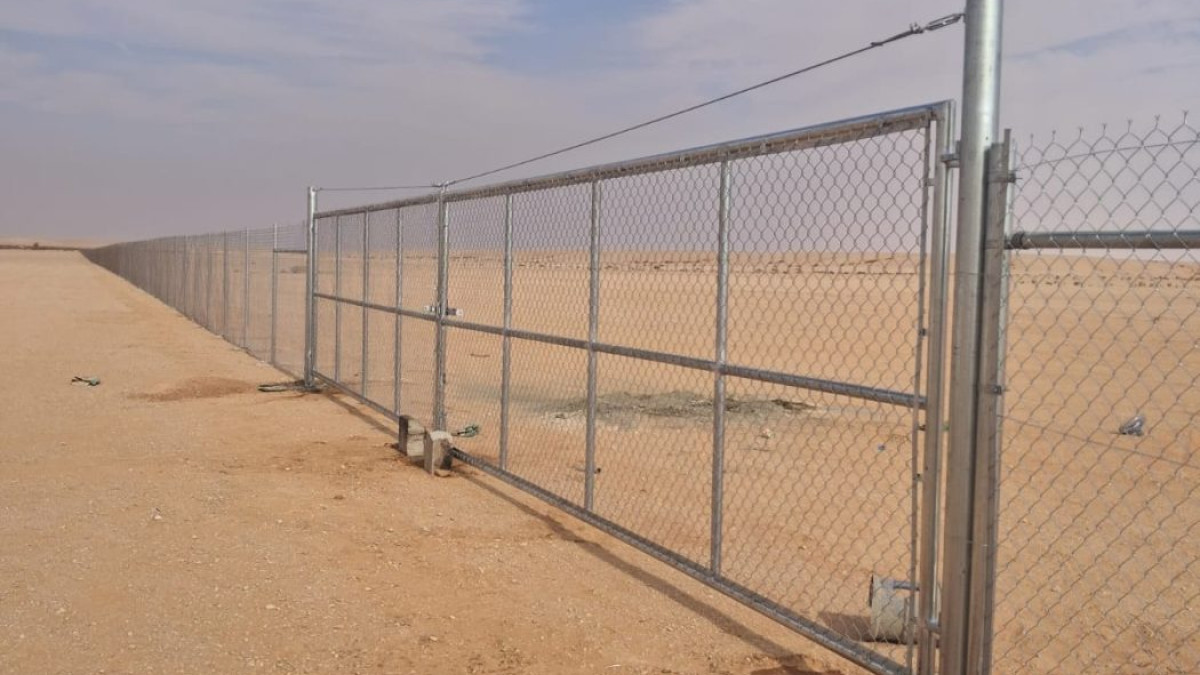
To fence a commercial plant nursery effectively, divide the property into functional production, propagation, inventory, preparation, and loading zones. Select appropriate metal mesh fencing and access gates according to the movement of nursery equipment, plant handling requirements, operational boundaries, and approved site layout.
Commercial plant nurseries operate differently from ordinary agricultural properties. Their inventory consists of living plants that may move repeatedly between propagation areas, growing sections, preparation zones, sales areas, and transportation facilities.
Internal mesh fencing can help nursery operators establish clearer operational boundaries, protect designated plant inventory, and organize access between production and commercial activities without unnecessarily restricting visibility or nursery operations.
For commercial nurseries, wholesale plant suppliers, agricultural businesses, landscaping companies, and garden centers in Riyadh and across Saudi Arabia, a carefully planned internal fencing system can support a more organized working environment.
This guide from Shbok Rayat Najd explains how to design and install mesh fencing around functional growing zones and plant inventory areas within commercial nurseries.
 Call Now
 WhatsApp
What Is Commercial Plant Nursery Zoning?
Why are commercial nurseries divided into functional areas?
Commercial plant nursery zoning involves dividing a nursery into designated areas according to the activities performed within each section.
These areas may include plant propagation, young plant establishment, tree growing, ornamental plant production, finished inventory, order preparation, customer access, and transportation activities.
What role does mesh fencing play in nursery zoning?
Mesh fencing can establish physical boundaries between selected areas, helping nursery operators manage access and organize the movement of plants, materials, and equipment.
Unlike a complete enclosure system designed for environmental control, ordinary mesh fencing primarily provides physical separation and access organization.
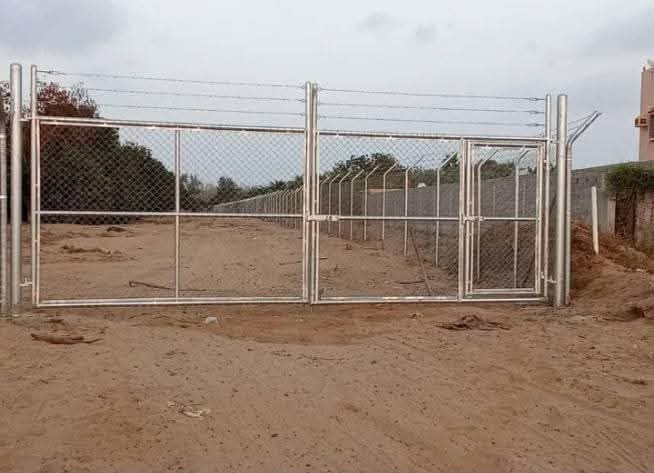
How Does Internal Nursery Fencing Differ From Perimeter Fencing?
What is the purpose of nursery perimeter fencing?
Perimeter fencing generally defines the external property boundary and supports the site's overall access management and protection requirements.
What is the purpose of internal nursery fencing?
Internal fencing organizes selected activities within the property. It may separate growing plants from finished inventory, restrict unauthorized access to propagation areas, or distinguish customer-accessible sections from operational areas.
Internal fencing should be designed around the nursery's working processes rather than simply repeating the external boundary configuration.
Which Commercial Nursery Areas Should Be Separated?
Does every nursery require the same internal fencing layout?
No. The appropriate layout depends on the nursery's size, production model, plant categories, equipment requirements, customer access arrangements, and operational procedures.
Which functional areas can be evaluated?
| Nursery Zone | Primary Activity | Potential Fencing Function |
|---|---|---|
| Propagation area | Establishing new plants through approved propagation methods | Organize authorized access to sensitive growing areas |
| Young plant establishment zone | Supporting early plant development | Separate immature inventory from general movement |
| Tree growing area | Developing container-grown or designated field-grown trees | Define production blocks and authorized access routes |
| Ornamental plant production zone | Growing shrubs and other ornamental plants | Organize production according to nursery requirements |
| Finished plant inventory | Holding plants ready for sale or dispatch | Support inventory identification and controlled access |
| Order preparation area | Collecting and organizing plants for customer orders | Separate prepared orders from general inventory |
| Loading and dispatch zone | Preparing plants for transportation | Define boundaries around authorized logistics activities |
| Customer-accessible area | Product viewing and approved purchasing activities | Separate visitor circulation from production operations |
Each proposed fencing section should have a clear operational purpose before installation begins.
Why Should Propagation Areas Have Controlled Access?
What makes plant propagation areas different from ordinary inventory zones?
Propagation areas may contain young plants, seedlings, cuttings, and other plant material requiring particular care according to the nursery's production procedures.
Can internal mesh fencing help organize access?
Yes. A suitable physical boundary can help identify restricted production areas and support authorized movement between propagation facilities and other nursery sections.
However, ordinary mesh fencing does not establish a complete biological protection system or prevent the movement of all pests, airborne materials, or plant diseases.
How Do I Fence Young Plant Establishment Areas?
Why should young plants be separated from high-traffic operations?
Young plants may be vulnerable to accidental contact, unsuitable handling, displaced containers, or interference from nearby transportation and material movement.
What should the fencing layout consider?
Review growing bed locations, container arrangements, approved service paths, watering systems, and the access requirements of the nursery personnel responsible for plant care.
The fencing layout should support these activities without unnecessarily reducing productive growing space.
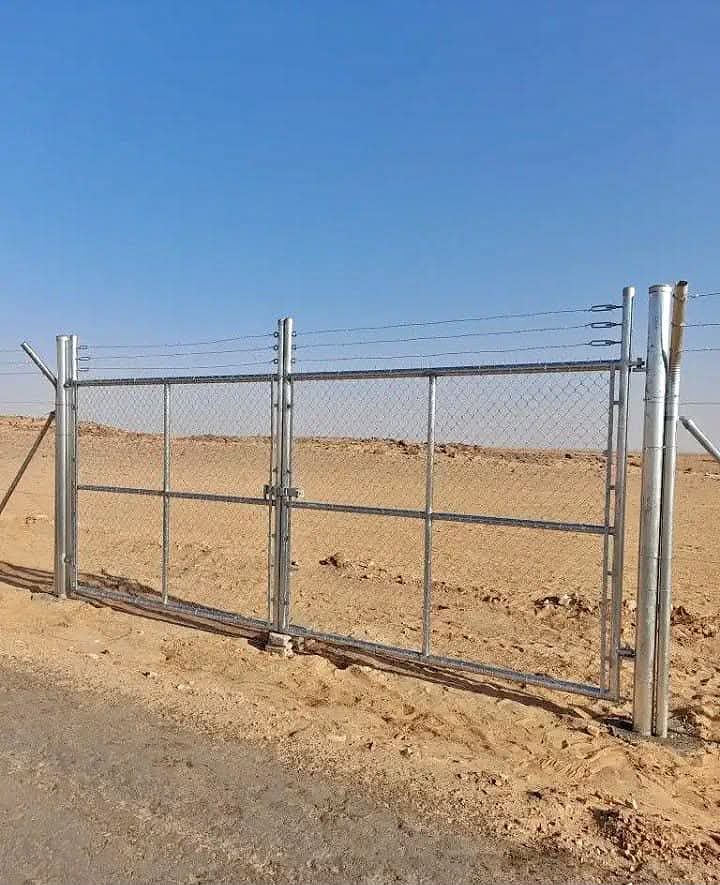
How Do I Divide a Commercial Tree Nursery Into Growing Blocks?
Why are tree growing blocks useful?
Commercial tree nurseries may contain trees of different species, ages, container sizes, production stages, and intended applications.
Organized growing blocks can help nursery operators maintain clearer production boundaries and identify the inventory assigned to different activities.
Should every row of trees have its own fence?
Not necessarily. Excessive fencing may restrict movement, reduce usable space, and introduce unnecessary installation and maintenance costs.
Determine which groups genuinely require physical separation, then establish boundaries that support the approved nursery management plan.
How Do I Separate Plants According to Their Production Stage?
Can plants at different growing stages share the same area?
They may share an area when their growing requirements, handling procedures, and nursery management arrangements are compatible.
When can physical separation be useful?
Separate zones may be appropriate when plants require different levels of access control, different handling arrangements, or distinct inventory management procedures.
The fencing contractor should receive the approved operational zoning plan from the nursery management team before establishing the internal boundaries.
How Do I Fence Finished Plant Inventory?
What is finished plant inventory?
Finished plant inventory refers to plants that have completed the relevant nursery production stages and have been accepted for sale, dispatch, or another designated commercial purpose.
Why might finished plants require a separate fenced area?
Physical separation can help nursery operators distinguish sale-ready plants from growing inventory, manage access to allocated stock, and reduce unnecessary handling of plants prepared for customer orders.
The fencing system should complement the nursery's inventory records rather than replace them.
How Do I Protect Plants Allocated to Customer Orders?
Why should reserved plants be distinguished from general stock?
Commercial nurseries may allocate particular plants to landscaping contractors, developers, retail customers, or other approved orders.
Mixing allocated plants with general inventory may contribute to incorrect selection, duplicate allocation, or delays during order preparation.
Can internal fencing solve every inventory management problem?
No. Fencing provides physical organization, while accurate inventory records, plant identification, order references, and appropriate administrative procedures remain necessary.
A dedicated preparation area can support these procedures when it is integrated into the nursery's operational layout.
What Types of Mesh Fencing Are Suitable for Internal Nursery Zones?
Should every nursery section use the same fencing material?
Not automatically. Different zones may require different levels of physical separation, visibility, access control, structural strength, and environmental suitability.
Which fencing systems can be evaluated?
| Fencing System | Potential Nursery Application | Important Selection Consideration |
|---|---|---|
| Galvanized chain-link mesh | General growing blocks and internal boundaries | Required height, mesh characteristics, support arrangement, and access needs |
| Welded wire mesh panels | Selected inventory and operational separation areas | Panel rigidity, attachment design, and site compatibility |
| Coated metal mesh | Customer-facing zones or selected operational areas | Coating durability and environmental compatibility |
| Modular mesh partitions | Areas where approved nursery layouts may change | Suitable support arrangements and authorized relocation requirements |
| Dedicated access gate systems | Connections between production and inventory zones | Opening dimensions, operating requirements, and movement patterns |
| Specialized protective barriers | Applications requiring protection beyond ordinary mesh separation | Independent engineering assessment and verified intended function |
These categories represent potential design options. Actual fencing specifications and material availability should be confirmed for the specific project.
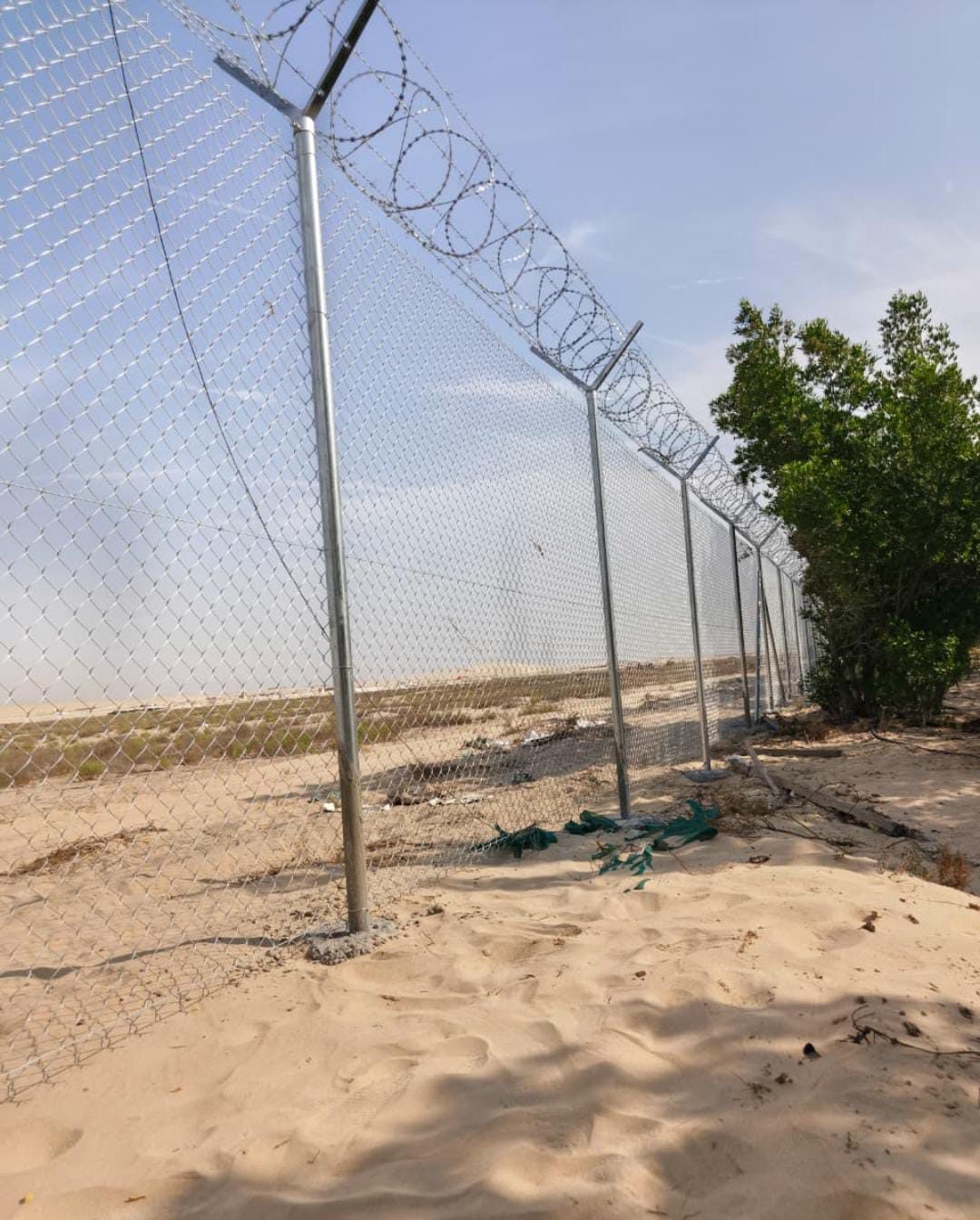
How Do I Determine the Appropriate Height of Internal Nursery Fencing?
Does every internal boundary require a high fence?
No. The appropriate height depends on the intended function of the boundary, authorized access requirements, surrounding activities, expected loads, and approved design.
What should nursery operators consider?
Identify whether the fence is intended to organize movement, restrict access to selected inventory, separate operational activities, or support another approved protection objective.
Do not select an arbitrary height without evaluating the actual requirements and structural conditions of the nursery.
How Do I Select Suitable Mesh Openings for Nursery Fencing?
Are smaller mesh openings always better?
No. Mesh opening dimensions affect visibility, material characteristics, airflow, and certain physical separation functions.
Can ordinary metal mesh exclude all nursery pests?
No. Conventional metal mesh is not designed to exclude every insect, microorganism, or small pest that may affect plants.
Specialized insect screens, greenhouse protection systems, and plant health management arrangements should be assessed independently by qualified agricultural professionals.
Can Internal Mesh Fencing Affect Plant Growth?
Does an open mesh fence have no environmental influence?
Open mesh fencing generally allows more airflow and light transmission than many solid barriers, but its influence depends on height, construction, position, surrounding vegetation, and environmental conditions.
What should be reviewed before installation?
Evaluate the relationship between the fencing layout and the nursery's approved growing requirements, sunlight exposure, ventilation, irrigation systems, and plant spacing.
Where environmental conditions are important to production, the relevant nursery or horticultural specialists should approve the proposed arrangement.
How Do I Fence Areas Containing Large Container-Grown Trees?
Why do large nursery trees require additional planning?
Large container-grown trees may require suitable handling equipment, greater movement clearances, and appropriately organized preparation areas.
How should fencing accommodate these requirements?
Review the actual dimensions of the trees and containers, authorized handling methods, equipment movement requirements, and the approved nursery layout.
Gate positions and internal boundaries should allow the required movement without creating unnecessary contact with branches, containers, or equipment.
How Do I Organize Fencing Around Nursery Loading Areas?
What happens within a commercial nursery loading zone?
A loading zone may support the transfer of prepared plant orders to authorized transportation vehicles using suitable handling arrangements.
Can conventional mesh fencing stop moving vehicles or heavy machinery?
No. Ordinary mesh fencing should not be treated as a vehicle impact protection system unless specifically designed, tested, and approved for that application.
Where impact protection or pedestrian safety barriers are required, these systems must receive separate professional assessment.
How Do I Separate Customer Areas From Nursery Production Zones?
Why do commercial garden centers require clear operational boundaries?
Some commercial nurseries combine plant production, wholesale operations, retail sales, and customer viewing areas within the same property.
Customers should be able to identify the sections they are permitted to access without unintentionally entering restricted production or logistics zones.
How can fencing support customer circulation?
Use an approved layout that distinguishes public-facing areas from operational sections, provides appropriate entrances, and maintains suitable access routes according to the property's actual requirements.
The design should be coordinated with applicable accessibility, safety, and facility management requirements.
How Do I Plan Movement Between Nursery Growing Zones?
Why should nursery circulation be reviewed before installing fencing?
Plants, containers, growing materials, maintenance equipment, and authorized personnel may move between different sections throughout the nursery's operating cycle.
What should be included in the circulation plan?
| Movement Category | Typical Operational Purpose | Fencing Design Consideration |
|---|---|---|
| Personnel movement | Plant care, inspections, and authorized nursery activities | Appropriate gates and service routes |
| Young plant movement | Transfer between approved growing stages | Suitable access for authorized handling methods |
| Container-grown tree movement | Transfer to growing, preparation, or dispatch areas | Clearances based on verified load and equipment dimensions |
| Maintenance equipment movement | Servicing growing areas and nursery infrastructure | Access compatible with the actual maintenance requirements |
| Customer movement | Access to designated retail or viewing areas | Clear separation from restricted operations |
| Transportation activities | Receipt and dispatch of nursery products | Approved vehicle routes and independently assessed safety requirements |
Do not finalize internal boundaries until the nursery's main operational movement requirements have been reviewed.
How Do I Choose Gates Between Nursery Production Areas?
Should all internal gates have identical dimensions?
No. Different gates may serve personnel, plant handling equipment, maintenance activities, or other authorized operational functions.
Which gate options should be considered?
| Gate Category | Potential Application | Required Design Review |
|---|---|---|
| Personnel access gate | Authorized entry to selected production zones | Access requirements and approved pedestrian circulation |
| Plant handling gate | Movement of plants between growing areas | Dimensions of the largest approved plant handling configuration |
| Maintenance access gate | Access for designated nursery maintenance activities | Equipment dimensions and servicing requirements |
| Inventory preparation gate | Transfer of plants into designated order preparation areas | Access organization and inventory movement procedures |
| Customer circulation gate | Approved access between customer-facing sections | Accessibility and facility management requirements |
| Dispatch area gate | Authorized logistics and plant transportation activities | Operational clearances and approved traffic arrangements |
Gate designs, opening dimensions, support arrangements, and operating methods should be selected according to the actual requirements of the nursery.
How Do I Coordinate Nursery Fencing With Irrigation Infrastructure?
Why should irrigation layouts be reviewed before fence installation?
Commercial nurseries may contain extensive irrigation pipes, valves, distribution lines, control systems, and other infrastructure within their growing areas.
What problems can arise from uncoordinated fencing work?
Unapproved excavation or foundation placement may interfere with existing underground systems, while unsuitable fencing positions may restrict access to irrigation control equipment.
Review existing infrastructure information and approved excavation arrangements before installing posts or foundations.
The fencing layout should preserve appropriate access to systems requiring inspection, maintenance, or replacement.
How Do I Install Internal Fencing Around Existing Growing Beds?
Should the fence be installed immediately beside plant containers?
Not automatically. The appropriate position depends on mature plant dimensions, container movement requirements, maintenance access, irrigation arrangements, and the fence design.
How can nursery operators avoid reducing usable production space?
Identify the actual growing bed boundaries and anticipated plant development, then review the clearances required for routine production and maintenance activities.
Internal fencing should support the nursery's operation rather than create narrow or unusable spaces between growing sections.
Can Nursery Fencing Support Climbing or Trailing Plants?
Is ordinary mesh fencing automatically suitable as a plant support structure?
No. A fence designed for physical separation may not have been assessed for additional vegetation loads, wind effects, or long-term exposure associated with climbing plants.
What should be reviewed before allowing plants to grow on the fence?
Review the fence's structural design, the intended plant characteristics, expected growth, maintenance requirements, and any effect on access or visibility.
Where climbing plants require dedicated support, an appropriate support system should be evaluated rather than assuming that every nursery fence is suitable.
How Do I Fence Plant Observation and Inspection Areas?
Why might a nursery require a designated observation area?
Nursery management may establish separate areas for reviewing plant condition, assessing incoming stock, investigating quality concerns, or managing plants that require additional attention.
Can metal mesh fencing act as a plant quarantine system?
No. A conventional mesh boundary may help organize physical access, but it cannot independently provide effective quarantine, pest exclusion, or disease containment.
Any formal plant quarantine or phytosanitary isolation requirement must be addressed through appropriate agricultural procedures, approved facilities, and the relevant competent authorities.
Fencing should only be treated as one component of an independently established management arrangement.
How Do I Plan Fencing for Nurseries That Expand Over Time?
Why is future expansion important in nursery design?
Commercial nurseries may introduce new plant categories, increase growing capacity, establish additional preparation areas, or change their internal logistics arrangements.
How can fencing accommodate future changes?
Consider the approved expansion plan when determining internal fence routes, access locations, and connections between existing and future production areas.
Where appropriate, modular or adaptable arrangements may be evaluated for selected areas, subject to structural suitability and approved installation requirements.
Can Existing Nursery Fencing Be Relocated?
Is every mesh fence suitable for relocation?
No. Some fencing systems are installed using permanent foundations and support arrangements that may not be suitable for repeated relocation.
What should be assessed before moving an internal fence?
Review the condition of the mesh, posts, attachment components, foundations, proposed new location, and applicable design requirements.
Reusable materials should only be incorporated when their condition and suitability have been confirmed.
How Do I Protect Internal Nursery Fences From Irrigation Exposure?
Can repeated irrigation affect metal fencing?
Repeated exposure to moisture, dissolved minerals, fertilizers, and other environmental conditions may influence the long-term condition of metallic materials and protective coatings.
How should fencing materials be selected?
Evaluate the expected exposure conditions, irrigation methods, local environment, material specifications, and maintenance requirements.
Where particular water or chemical exposure is expected, obtain appropriate material recommendations rather than relying on a general assumption that all coated or galvanized products perform identically.
How Do I Prevent Plant Containers From Damaging Nursery Fencing?
Should plant containers be placed against the fence?
Ordinary fencing should not be treated as a structural support for stored containers, growing materials, pallets, or other loads unless designed and approved for that purpose.
What is a better operational arrangement?
Maintain designated growing and storage areas according to the approved site layout and ensure that routine handling activities do not impose unintended loads on fencing components.
Where additional structural protection is required, evaluate suitable independent systems.
How Do I Organize Several Nursery Branches Using Consistent Fencing?
Can one specification be used across all commercial nursery locations?
A business may establish consistent material and appearance requirements across multiple branches, but site-specific conditions may require different foundation arrangements, dimensions, gate locations, or structural details.
What information should be documented for each nursery?
| Nursery Project Record | Information Required | Planning Benefit |
|---|---|---|
| Nursery location | City, property details, and approved site access | Coordinate project logistics |
| Production zone | Approved activity and operational requirements | Identify the purpose of each fencing section |
| Boundary measurements | Verified fence lengths and layout references | Determine material requirements |
| Mesh specification | Approved material, dimensions, finish, and construction | Maintain consistent procurement information |
| Gate requirements | Number, location, dimensions, and intended functions | Coordinate operational access |
| Infrastructure information | Known irrigation systems, utilities, and site restrictions | Reduce conflicts during installation |
| Operating status | New nursery, existing nursery, or phased expansion | Plan installation around ongoing operations |
| Acceptance requirements | Approved inspection and completion documentation | Establish consistent project review procedures |
A structured project record can help nursery operators maintain consistent planning while recognizing the specific requirements of each site.
Can Internal Fencing Be Installed While a Nursery Remains Operational?
What challenges arise when installing fencing inside an active nursery?
Installation work may need to be coordinated with plant care schedules, irrigation activities, customer access, equipment movement, and order preparation.
How can operational disruption be managed?
Establish approved installation zones, working periods, temporary access arrangements, and responsibilities before construction begins.
The installation team should receive current site information and comply with the nursery's approved operating restrictions.
Where particular activities require temporary suspension or relocation, nursery management should establish those arrangements in advance.
How Do I Inspect Internal Nursery Fencing After Installation?
Is a visually straight fence sufficient for project acceptance?
No. The completed system should be evaluated according to the approved drawings, material specifications, structural arrangements, access requirements, and agreed installation scope.
Which elements should be inspected?
- Fence alignment against the approved zoning layout.
- Mesh type and specified material characteristics.
- Post locations and support arrangements.
- Condition of mesh connections and attachments.
- Gate locations and opening dimensions.
- Gate operation according to the approved design.
- Clearance from nursery equipment and plant inventory.
- Access to irrigation and maintenance infrastructure.
- Completion of agreed foundation and installation works.
- Removal of installation materials from growing areas.
Formal acceptance should be completed by the authorized project representatives according to the agreed contractual requirements.
How Do I Maintain Internal Mesh Fencing in a Commercial Nursery?
Why does internal fencing require periodic inspection?
Routine nursery activities may expose fencing systems to accidental contact, moisture, vegetation growth, environmental conditions, and repeated gate operation.
Which maintenance issues should nursery operators monitor?
- Damaged mesh sections.
- Loose or defective attachments.
- Visible coating damage.
- Corrosion or material deterioration.
- Changes in post alignment.
- Gate operating difficulties.
- Obstructed service routes.
- Unapproved material storage against the fence.
- Excessive vegetation growth around fencing components.
- Changes in ground conditions near fence supports.
Inspection frequency and repair requirements should reflect the actual fence design, operating conditions, and nursery maintenance procedures.
How Much Does Internal Commercial Nursery Fencing Cost?
Can fencing costs be estimated from the nursery's total area alone?
No. Two nurseries with similar overall land areas may require substantially different internal fencing lengths, gate arrangements, materials, and installation requirements.
What factors determine the project quotation?
| Quotation Component | Information Required | Reason for Assessment |
|---|---|---|
| Total internal fence length | Verified measurements of approved internal boundaries | Determine required material quantities |
| Mesh system | Approved mesh construction, dimensions, and finish | Establish material specifications |
| Posts and supports | Approved structural and installation requirements | Determine support component needs |
| Foundations | Site conditions and approved foundation arrangements | Define installation requirements |
| Access gates | Number, dimensions, operating methods, and locations | Determine access system requirements |
| Existing infrastructure | Irrigation systems, utilities, and operational restrictions | Identify installation coordination requirements |
| Project location | City and approved site access arrangements | Determine transportation and logistics requirements |
| Installation schedule | Required construction phases and operating restrictions | Establish the agreed execution scope |
| Additional services | Separately specified project requirements | Clarify the commercial agreement |
Commercial nursery fencing prices should be confirmed through a customized quotation. No unsupported prices or fixed installation costs are assumed in this article.
What Information Should I Send to a Nursery Fencing Contractor?
How can I prepare a complete commercial fencing inquiry?
- The nursery location and property details.
- The approved internal site layout.
- The designated production and inventory zones.
- The intended function of each fencing boundary.
- The measured fencing lengths.
- The required mesh specifications.
- The approved fencing heights.
- The expected gate locations.
- The required gate opening dimensions.
- The plant handling equipment information.
- The existing irrigation infrastructure layout.
- The location of underground services.
- The current nursery operating conditions.
- The approved customer and personnel access routes.
- Any future nursery expansion requirements.
- Recent photographs of the installation areas.
- The anticipated project schedule.
- The required installation and acceptance scope.
Providing accurate information helps the fencing contractor assess material requirements and prepare a quotation appropriate to the actual nursery operations.
What Are the Most Common Commercial Nursery Fencing Mistakes?
Which planning mistakes should nursery operators avoid?
- Installing internal fencing without defining its operational purpose.
- Using identical specifications for every nursery zone without assessment.
- Creating excessive partitions that reduce productive growing space.
- Ignoring the movement of large container-grown trees.
- Failing to separate allocated plant orders from general inventory.
- Overlooking future nursery expansion requirements.
- Placing gates without reviewing actual equipment dimensions.
- Failing to distinguish customer areas from restricted production activities.
- Assuming ordinary mesh fencing provides complete biological isolation.
- Treating conventional fencing as a vehicle impact protection system.
Which installation and maintenance mistakes should be avoided?
- Installing foundations without reviewing underground infrastructure.
- Obstructing access to irrigation valves and maintenance equipment.
- Placing plant containers directly against unsupported mesh sections.
- Allowing uncontrolled vegetation growth to impose additional loads on fencing.
- Using unsuitable materials for the actual exposure conditions.
- Installing gates that restrict authorized plant movement.
- Changing established nursery boundaries without management approval.
- Failing to inspect fences exposed to repeated operational contact.
- Making unauthorized modifications to structural components.
- Accepting completed fencing without reviewing the approved operational layout.
What Is the Commercial Plant Nursery Fencing Checklist?
What should be confirmed before installation begins?
- ☐ Identify the nursery's functional production zones.
- ☐ Define the purpose of each internal fence.
- ☐ Approve the nursery zoning layout.
- ☐ Identify propagation and young plant areas.
- ☐ Identify finished plant inventory areas.
- ☐ Establish designated order preparation zones.
- ☐ Review plant loading and dispatch requirements.
- ☐ Establish approved customer circulation boundaries.
- ☐ Review authorized equipment movement routes.
- ☐ Confirm relevant plant and container dimensions.
- ☐ Determine the required gate locations.
- ☐ Approve gate opening dimensions.
- ☐ Confirm the mesh fencing specifications.
- ☐ Review the required fence heights.
- ☐ Review irrigation infrastructure and underground services.
- ☐ Review structural and foundation requirements.
- ☐ Consider the nursery's future expansion plans.
- ☐ Establish installation arrangements around ongoing operations.
- ☐ Approve the project quotation and installation scope.
What should be confirmed after installation?
- ☐ Verify fence alignment against the approved layout.
- ☐ Confirm material specification compliance.
- ☐ Inspect mesh and support connections.
- ☐ Review completed foundation arrangements.
- ☐ Verify gate locations and opening dimensions.
- ☐ Test authorized gate operating functions.
- ☐ Confirm adequate access to growing areas.
- ☐ Confirm appropriate access to nursery infrastructure.
- ☐ Review plant handling and transportation clearances.
- ☐ Check separation between production and customer areas.
- ☐ Confirm order preparation and inventory boundaries.
- ☐ Remove installation-related debris and materials.
- ☐ Establish periodic fencing inspection responsibilities.
- ☐ Document the completed fencing arrangement.
- ☐ Obtain acceptance from the authorized nursery representatives.
What Are the Frequently Asked Questions About Commercial Nursery Fencing?
1. Why do commercial plant nurseries need internal mesh fencing?
Internal mesh fencing can help organize growing zones, control authorized access, separate finished inventory from production areas, and establish clearer boundaries around order preparation and customer-accessible sections.
2. What type of mesh is suitable for commercial nursery growing zones?
Galvanized chain-link mesh, welded wire mesh panels, and other suitable metal fencing systems can be evaluated. The final selection depends on the operational requirements, environmental conditions, structural design, and approved specifications.
3. Should propagation areas be separated from finished plant inventory?
Physical separation may be useful when these areas require different access arrangements, plant handling procedures, or operational controls. The appropriate zoning should be established by the nursery management team.
4. Can ordinary mesh fencing prevent plant diseases from spreading?
No. Conventional mesh fencing is not a complete plant disease containment or quarantine system. Specialized plant health protection requirements must be addressed through appropriate agricultural procedures and approved facilities.
5. How wide should internal nursery gates be?
Gate opening dimensions should be determined according to the verified size of authorized plant loads, handling equipment, maintenance requirements, and operational movement arrangements. There is no universal gate width suitable for every nursery.
6. Can internal fences be installed around an existing nursery?
Yes, subject to an appropriate installation plan. Existing nursery operations, plant inventory, irrigation infrastructure, equipment movement, and customer access must be coordinated before work begins.
7. Can galvanized mesh withstand repeated irrigation exposure?
Galvanized mesh provides corrosion protection through its zinc coating, but actual durability depends on coating characteristics, water quality, environmental exposure, material condition, and maintenance. Select specifications suitable for the expected nursery environment.
8. Can internal nursery fencing be expanded or relocated later?
Potentially, depending on the original fencing design, support arrangement, material condition, and proposed new location. Future expansion should be considered during initial planning where practical.
9. How much does commercial plant nursery fencing cost in Saudi Arabia?
Costs depend on measured fencing lengths, mesh specifications, posts, foundations, gates, project location, infrastructure conditions, and installation requirements. A customized quotation is necessary for accurate pricing.
10. How can I request nursery fencing from Shbok Rayat Najd?
Contact Shbok Rayat Najd on 0555987614 or through WhatsApp. Provide the nursery layout, internal boundary measurements, intended production zones, mesh specifications, and gate requirements to discuss the project and request a quotation.
How Can Shbok Rayat Najd Help With Commercial Nursery Fencing?
Why should internal fencing be planned around nursery operations?
Because a commercial plant nursery is a working production and inventory environment. Its fencing should support the movement, care, preparation, and management of living plant products rather than simply divide the available land into separate sections.
A suitable internal fencing design requires coordination between nursery management, approved site layouts, plant handling requirements, irrigation infrastructure, and the intended functions of each operational zone.
Shbok Rayat Najd provides metal mesh fencing and gate installation solutions for agricultural, commercial, industrial, and other property applications in Saudi Arabia.
Commercial nursery operators, wholesale plant suppliers, garden centers, and agricultural businesses can discuss internal mesh fencing requirements, growing zone boundaries, plant inventory separation, and suitable access gates with the company.
Specific materials, fencing dimensions, structural arrangements, installation schedules, and commercial quotations should be confirmed according to the approved requirements of each project.
Specialized agricultural management, plant quarantine, environmental control, and vehicle impact protection requirements remain subject to independent assessment by the appropriate qualified specialists.
Official Shbok Rayat Najd website: https://shboknajd.com
How should you begin planning your nursery fencing project?
Prepare the approved nursery layout, identify the production and inventory areas that require physical separation, establish the necessary access routes, and obtain accurate boundary measurements.
Contact Shbok Rayat Najd to discuss suitable mesh fencing systems, gate requirements, installation arrangements, and a customized project quotation.
Conclusion: Commercial plant nursery fencing should support production organization, inventory management, authorized access, and efficient plant movement. Begin by establishing functional growing zones, identifying the purpose of each internal boundary, and selecting mesh fencing and gates according to actual operational requirements. Coordinate installation with irrigation infrastructure, plant handling equipment, customer circulation, and future expansion plans. Ordinary mesh fencing should not be treated as a substitute for specialized biological isolation, environmental control, or engineered vehicle protection. The objective is to create an organized and practical commercial nursery environment that supports plant production and inventory management while maintaining appropriate access and operational flexibility.