



To rent equipment for industrial tank installation, identify the tank's verified installation weight, dimensions, installation orientation, approved lifting points, center of gravity, foundation arrangement, and available operating space. Qualified lifting and engineering specialists should then determine suitable machinery and handling arrangements according to the manufacturer's instructions and approved project requirements.
Industrial tank and process vessel installation differs from ordinary construction lifting because the equipment being installed may contain sensitive connection points, specialized coatings, internal components, structural supports, insulation systems, and precisely engineered foundation interfaces.
For manufacturing companies, industrial contractors, factory developers, and mechanical installation specialists in Saudi Arabia, equipment rental must be coordinated with tank delivery, foundation readiness, mechanical installation, and project acceptance requirements.
This guide from MORP explains how contractors can prepare equipment rental requests for installing industrial tanks and process vessels in Riyadh and across Saudi Arabia.
 Call Now
 WhatsApp
What Is Industrial Tank Installation?
What does an industrial tank installation project involve?
Industrial tank installation involves receiving, handling, positioning, supporting, and securing tanks or vessels according to approved engineering documentation and manufacturer requirements.
The complete project may also include mechanical connections, structural verification, inspections, testing, insulation, and other activities performed by authorized specialist contractors.
Does equipment rental cover the entire installation process?
Not necessarily. Equipment rental may cover machinery and specifically agreed supporting services, while foundation construction, mechanical assembly, welding, testing, and final commissioning may belong to separate contractual scopes.
Why Do Industrial Tanks Require Specialized Handling?
Is an industrial tank simply a large steel load?
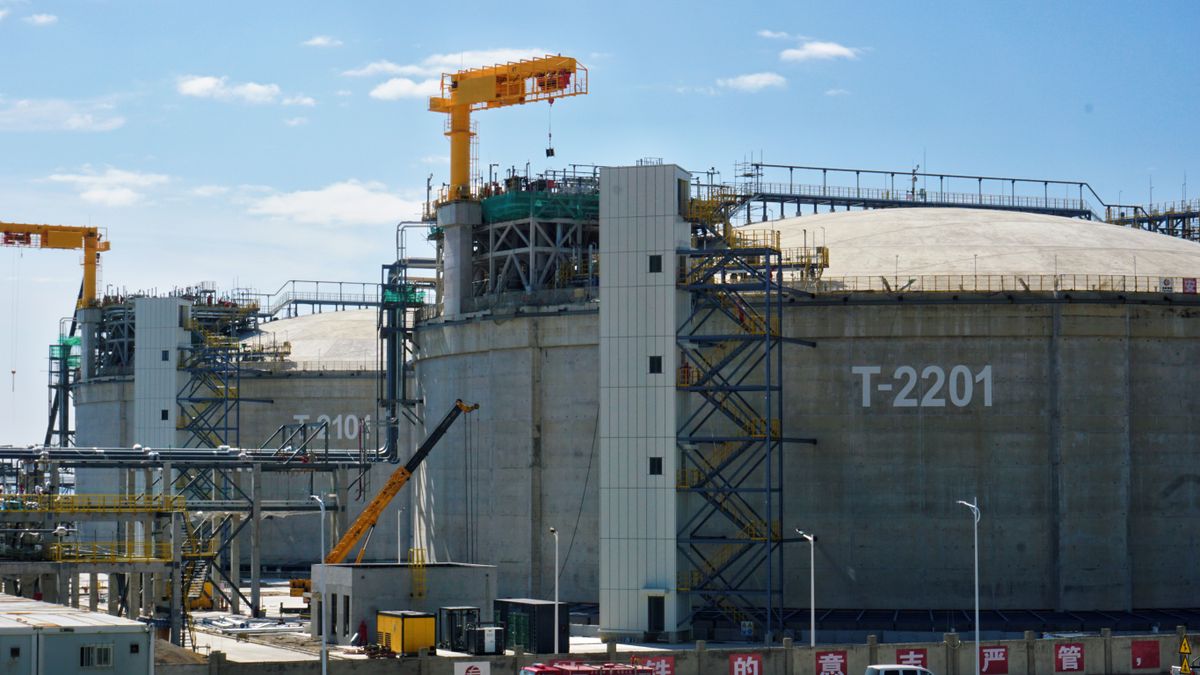
No. Although an industrial tank may appear structurally straightforward, its handling requirements depend on its shell construction, support arrangement, internal components, connection points, material characteristics, and manufacturer-approved lifting instructions.
Which tank components may be sensitive during installation?
- Tank shells and external surfaces.
- Manufacturer-designated lifting points.
- Inlet and outlet nozzles.
- Instrumentation connections.
- Internal process components.
- Insulation systems.
- Protective coatings and linings.
- Support legs, skirts, and saddles.
- Foundation connection interfaces.
Handling methods must preserve these components according to the approved technical requirements.
Which Industrial Tanks May Require Equipment Rental?
Do all industrial tanks have identical installation requirements?
No. Industrial vessels differ according to their function, manufacturing materials, design, installation orientation, and mechanical connection requirements.
Which tank categories commonly require lifting and handling assessment?
| Industrial Equipment Category | Typical Application | Installation Consideration |
|---|---|---|
| Industrial process tank | Manufacturing and processing operations | Verified installation weight and approved handling arrangements |
| Stainless steel processing vessel | Selected food, beverage, and industrial applications | Surface protection and manufacturer handling requirements |
| Vertical industrial tank | Storage or processing within approved industrial systems | Installation orientation, support arrangement, and stability |
| Horizontal industrial vessel | Selected processing and industrial storage applications | Saddle support alignment and approved lifting methods |
| Industrial mixing vessel | Approved material mixing and processing operations | Internal components, drive assemblies, and verified center of gravity |
| Prefabricated industrial tank | Factory-manufactured equipment delivered for installation | Transportation condition and approved installation configuration |
| Specialized process vessel | Application-specific industrial processes | Project-specific engineering and manufacturer requirements |
Specialized vessels may require additional engineering, inspection, and regulatory approvals. The equipment categories discussed in this article do not represent a confirmed MORP inventory or service availability list.
What Is the Difference Between a Storage Tank and a Process Vessel?
What is an industrial storage tank?
An industrial storage tank generally provides containment for materials according to its approved design and intended operating conditions.
What is an industrial process vessel?
A process vessel performs a defined function within an industrial process, which may involve mixing, separation, heating, cooling, or other approved processing activities.
Some process vessels contain specialized internal or external components that influence their installation weight, center of gravity, handling limitations, and required installation accuracy.
Why does this distinction matter when renting equipment?
The intended function of the equipment can affect its physical construction and installation requirements. Contractors should provide the actual manufacturer's documentation rather than describing every vessel as a conventional storage tank.
How Do I Determine the Actual Installation Weight of an Industrial Tank?
Is the empty tank weight always the same as its installation weight?
No. The installation configuration may include insulation, internal equipment, platforms, ladders, mechanical assemblies, permanent accessories, or other components that affect the complete weight.
Which weight information should be obtained?
Obtain the verified weight associated with the actual configuration being handled from the manufacturer or authorized technical representative.
The qualified lifting specialist must also evaluate the relevant lifting attachments and other load components according to the equipment documentation and approved lifting arrangements.
Can tank weight be estimated accurately from a photograph?
No. Photographs cannot establish the verified weight, internal construction, material thickness, or installed component configuration of an industrial vessel.
Use approved technical records and manufacturer information when preparing equipment rental requests.
Why Is the Tank's Center of Gravity Important?
What does center of gravity mean?
The center of gravity is the effective location through which the weight of an object acts under the relevant gravitational conditions.
Is the center of gravity always located at the geometric center of a tank?
No. Internal equipment, mechanical assemblies, uneven structural construction, installed accessories, and other factors may influence its location.
How does this affect equipment rental planning?
Qualified lifting personnel need reliable information about the tank's weight distribution to assess the proposed handling arrangements and equipment suitability.
Do not assume that a symmetrical external shape establishes a symmetrical weight distribution.
How Do Vertical and Horizontal Tank Installations Differ?
Why does installation orientation affect machinery requirements?
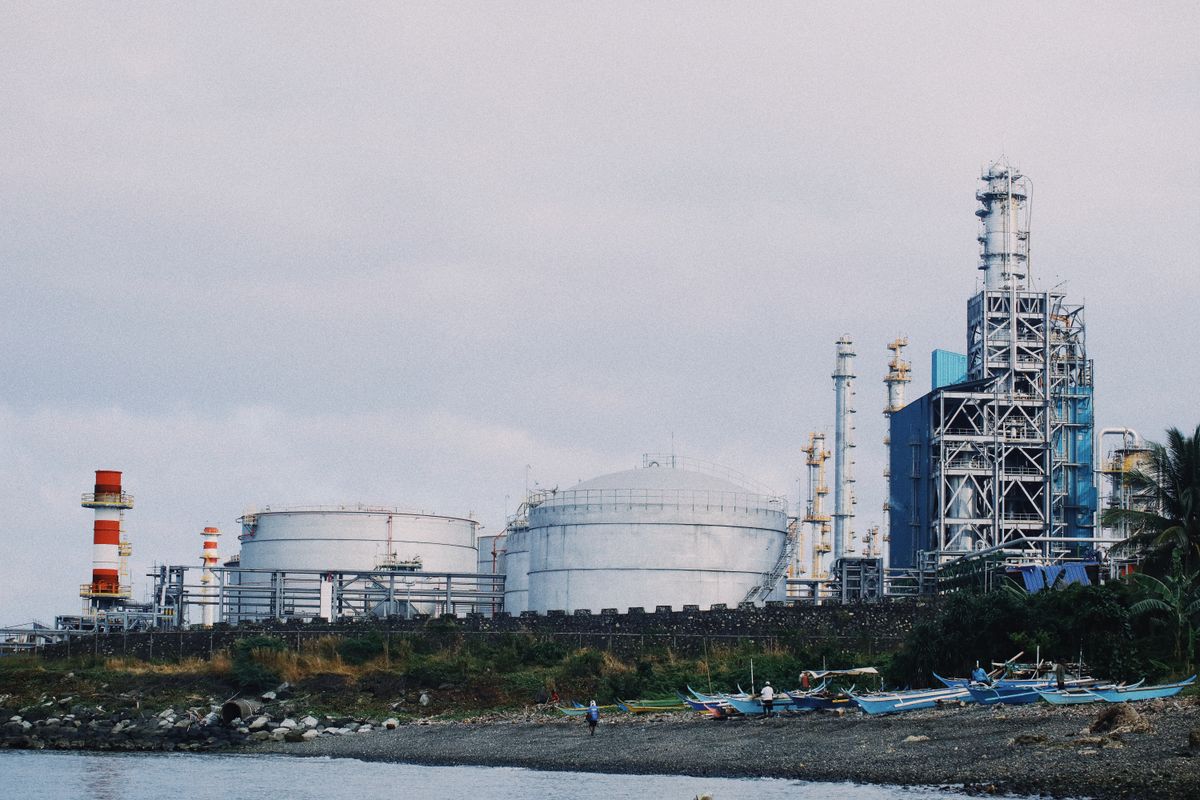
Industrial tanks may be designed to operate vertically or horizontally. Their transportation and installation orientations may also differ, depending on the manufacturer and approved project methodology.
What are the main differences between these installation categories?
| Installation Category | Typical Support Arrangement | Equipment Planning Requirement |
|---|---|---|
| Vertical tank | Approved base, skirt, legs, or structural support | Review installation elevation, stability, and approved positioning arrangements |
| Horizontal tank | Approved saddles or structural supports | Review vessel dimensions, support spacing, and alignment requirements |
| Elevated process vessel | Engineered supporting structure | Review structural readiness and approved installation access |
| Factory-assembled tank module | Manufacturer-designed mounting arrangement | Confirm complete module weight and connection interfaces |
| Field-assembled industrial tank | Project-specific foundation and structural arrangement | Coordinate equipment requirements with approved assembly stages |
| Replacement process vessel | Existing or modified approved support system | Review removal constraints and compatibility with the replacement equipment |
Each installation arrangement must be independently assessed according to the actual tank and site conditions.
What Equipment Can Be Used for Industrial Tank Installation?
Does every tank installation require a mobile crane?
Not necessarily. Equipment selection depends on the approved installation method, vessel dimensions, verified weight, operating space, installation elevation, and other project-specific requirements.
Which equipment categories can contractors evaluate?
| Equipment Category | Potential Project Application | Primary Selection Consideration |
|---|---|---|
| Mobile crane | Approved lifting and positioning of industrial tanks | Actual lifting requirements and operating configuration |
| Crawler crane | Selected industrial installation projects | Site compatibility and approved lifting arrangements |
| Specialized lifting beams | Approved load distribution arrangements | Compatibility with the vessel and engineered lifting method |
| Industrial transport equipment | Authorized movement of vessels within approved project routes | Verified load characteristics and route suitability |
| Specialized positioning systems | Selected equipment placement and alignment applications | Independent engineering assessment and equipment compatibility |
| Personnel access platforms | Authorized elevated inspection or mechanical connection activities | Approved working height, reach, and personnel access requirements |
| Approved lifting attachments | Manufacturer-compatible vessel handling | Verified suitability for the actual lifting configuration |
These are general equipment categories for project planning. Their availability, specifications, and suitability must be confirmed directly before rental arrangements are finalized.
When Is Mobile Crane Rental Suitable for Industrial Tank Installation?
Why might a contractor select a mobile crane?
A mobile crane may be considered when an industrial tank needs to be transferred from an approved delivery or preparation position to its designated foundation or supporting structure.
What information is required before approving the equipment?
The responsible lifting specialists need verified vessel information, manufacturer-approved lifting arrangements, installation elevation, proposed equipment position, operating geometry, site conditions, and relevant technical documentation.
Final equipment suitability must be established through professional assessment. Nominal crane specifications alone do not authorize the proposed lifting operation.
How Do I Rent Equipment for Tanks Delivered Horizontally but Installed Vertically?
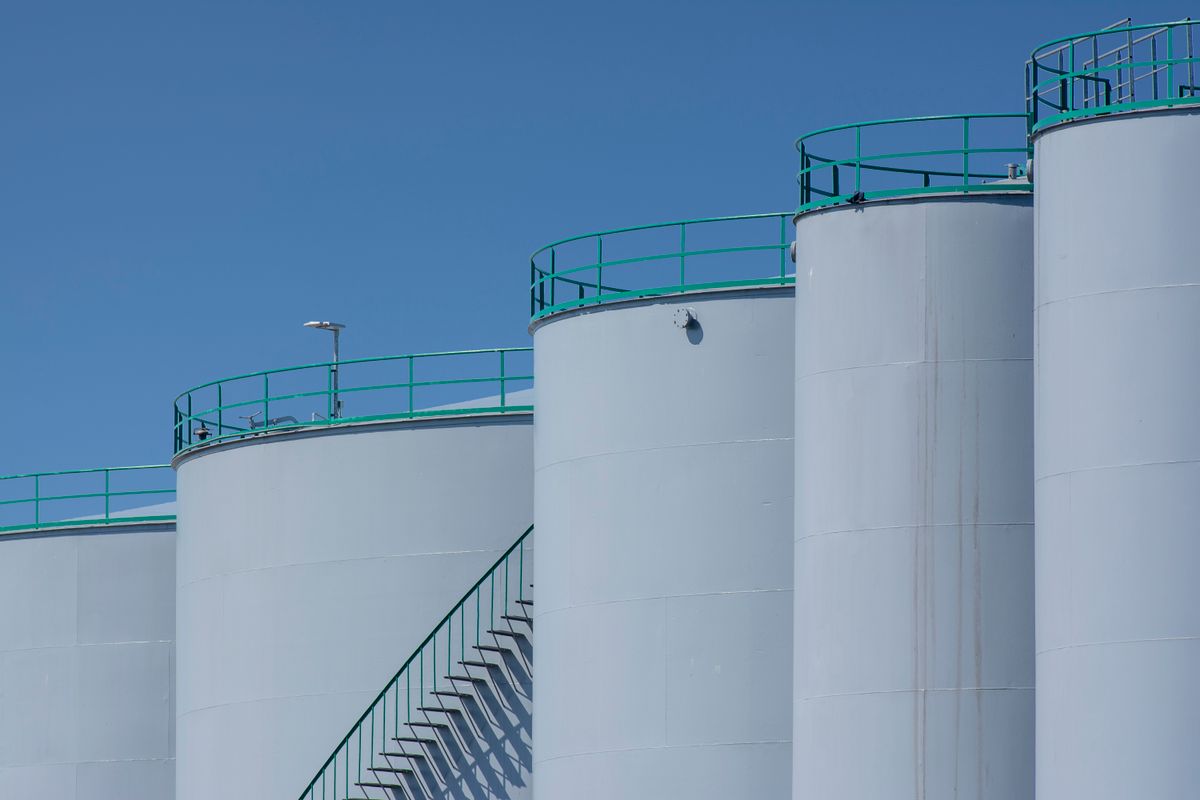
Why are some vertical tanks transported in a horizontal orientation?
Transportation arrangements may be influenced by vessel dimensions, transport restrictions, manufacturer packaging, route requirements, and approved logistics considerations.
Can the orientation be changed using an ordinary lifting arrangement?
Changing the orientation of a large industrial vessel is a specialized lifting activity that may introduce changing load distribution, attachment forces, equipment interaction, and stability considerations.
The operation requires an independently assessed and approved engineering methodology prepared by competent specialists.
What should the contractor provide when requesting equipment?
Provide the transportation orientation, final installation orientation, verified vessel weight, center of gravity information, approved lifting points, manufacturer instructions, and relevant engineering drawings.
The rental provider and qualified lifting personnel can then evaluate the required equipment categories and confirm whether specialized services are necessary.
What Are Manufacturer-Approved Tank Lifting Points?
What is a lifting lug?
A lifting lug is a designated attachment feature that may be incorporated into equipment to support specific approved lifting arrangements.
Its suitability depends on its design, intended function, condition, installation configuration, and associated manufacturer documentation.
Can every visible lifting lug be used for any lifting operation?
No. Different lifting points may have specific purposes and limitations. Some may be intended for manufacturing, transportation, assembly, or particular installation conditions.
Can industrial tank nozzles or connecting pipes be used as lifting points?
They should not be used unless explicitly designed and approved for the proposed lifting application.
Ordinary process connections, brackets, ladders, and other visible components must not be assumed to provide authorized lifting points.
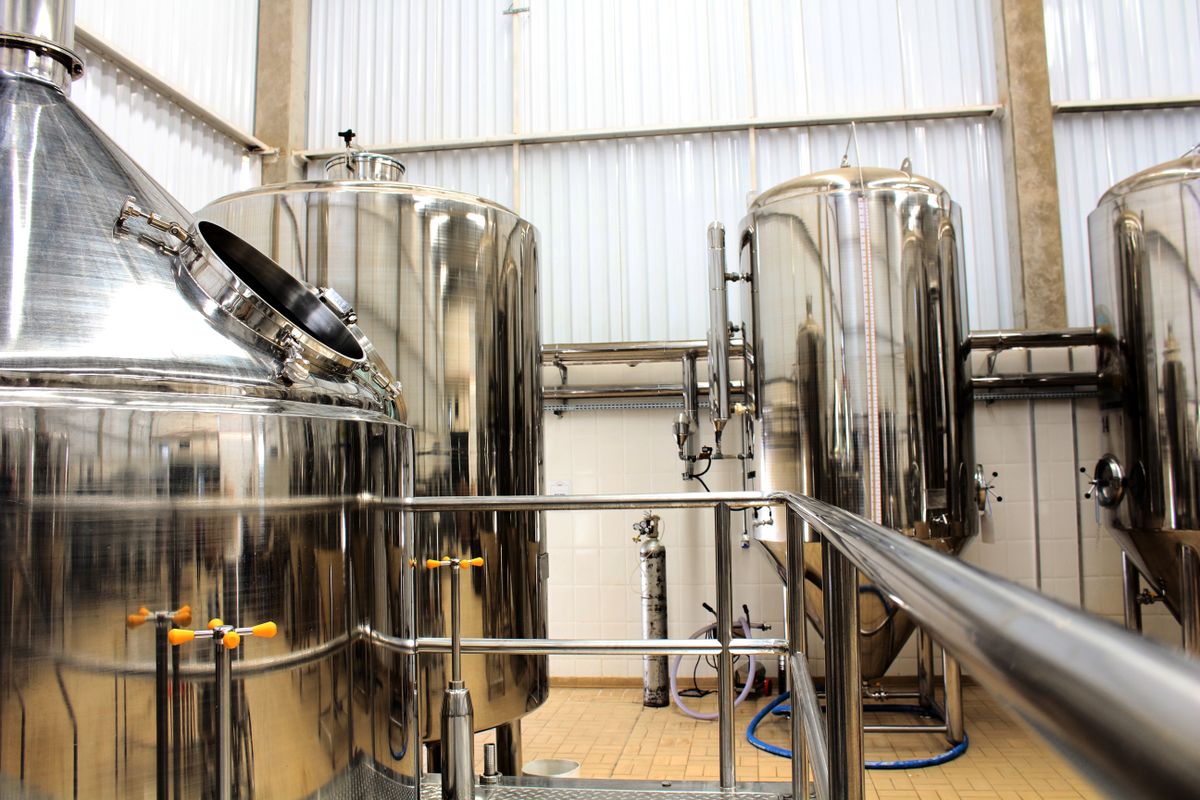
How Do I Protect Industrial Tank Surfaces During Handling?
Why are tank surfaces important?
Industrial tanks may incorporate external protective coatings, polished stainless steel finishes, specialized insulation, internal linings, and other materials required by their intended applications.
Can surface damage create problems after installation?
Yes. Damage may require inspection, repair, cleaning, or additional technical acceptance before the equipment can enter its intended service.
How should surface protection requirements be communicated?
Include manufacturer handling instructions, material specifications, coating limitations, prohibited contact areas, and relevant protection requirements in the equipment rental and installation documentation.
The approved handling arrangement must account for these requirements before work begins.
How Do I Handle Stainless Steel Process Tanks?
Why do some stainless steel vessels require particular handling precautions?
Stainless steel equipment may be used in applications where surface condition, cleanliness, material compatibility, and preservation of the manufacturer's finish are important.
Depending on the vessel's intended use, contamination or damage to its surfaces may create additional cleaning or acceptance requirements.
What information should be reviewed before handling stainless steel tanks?
Review the applicable material specifications, manufacturer handling instructions, surface protection requirements, approved contact materials, cleanliness conditions, and inspection procedures.
Specialized hygienic or process requirements should be established by the responsible technical representatives rather than inferred from the stainless steel appearance alone.
How Do I Protect Insulated Industrial Tanks?
Does external insulation change tank handling requirements?
It may. Insulation systems can affect the vessel's external dimensions, weight, surface characteristics, and accessibility to manufacturer-approved attachment points.
Should lifting attachments contact insulation directly?
Contact arrangements must comply with the vessel manufacturer's approved handling instructions. Insulation and protective cladding should not be treated as structural lifting surfaces unless specifically designed and authorized for that purpose.
Any required removal or modification of insulation must be coordinated with the responsible equipment specialists.
How Do I Protect Tank Nozzles and Instrument Connections?
Why are industrial vessel connections sensitive during installation?
Inlet and outlet nozzles, instrumentation connections, access openings, and other mechanical interfaces may require precise positioning and protection from unintended external loads.
What should be confirmed before moving the vessel?
Identify exposed connection points, manufacturer protection requirements, approved handling surfaces, and any temporary transportation components that must remain in place until the appropriate installation stage.
Connection damage should be assessed and resolved through the approved inspection process before mechanical installation continues.
How Do I Confirm Industrial Tank Foundation Readiness?
Why should the foundation be accepted before equipment arrives?
Industrial vessels may require accurately positioned foundations, anchor bolts, support structures, grout arrangements, or other engineered interfaces.
If the supporting structure is not ready, the tank may need additional handling or temporary placement, increasing project complexity and equipment utilization time.
Which foundation elements should be reviewed?
- Approved foundation drawings.
- Designated equipment installation coordinates.
- Foundation elevation requirements.
- Anchor bolt arrangement.
- Support and bearing requirements.
- Structural acceptance documentation.
- Approved access and positioning arrangements.
- Interfaces with surrounding mechanical systems.
Foundation acceptance must be established by the responsible engineering specialists before the equipment installation proceeds.
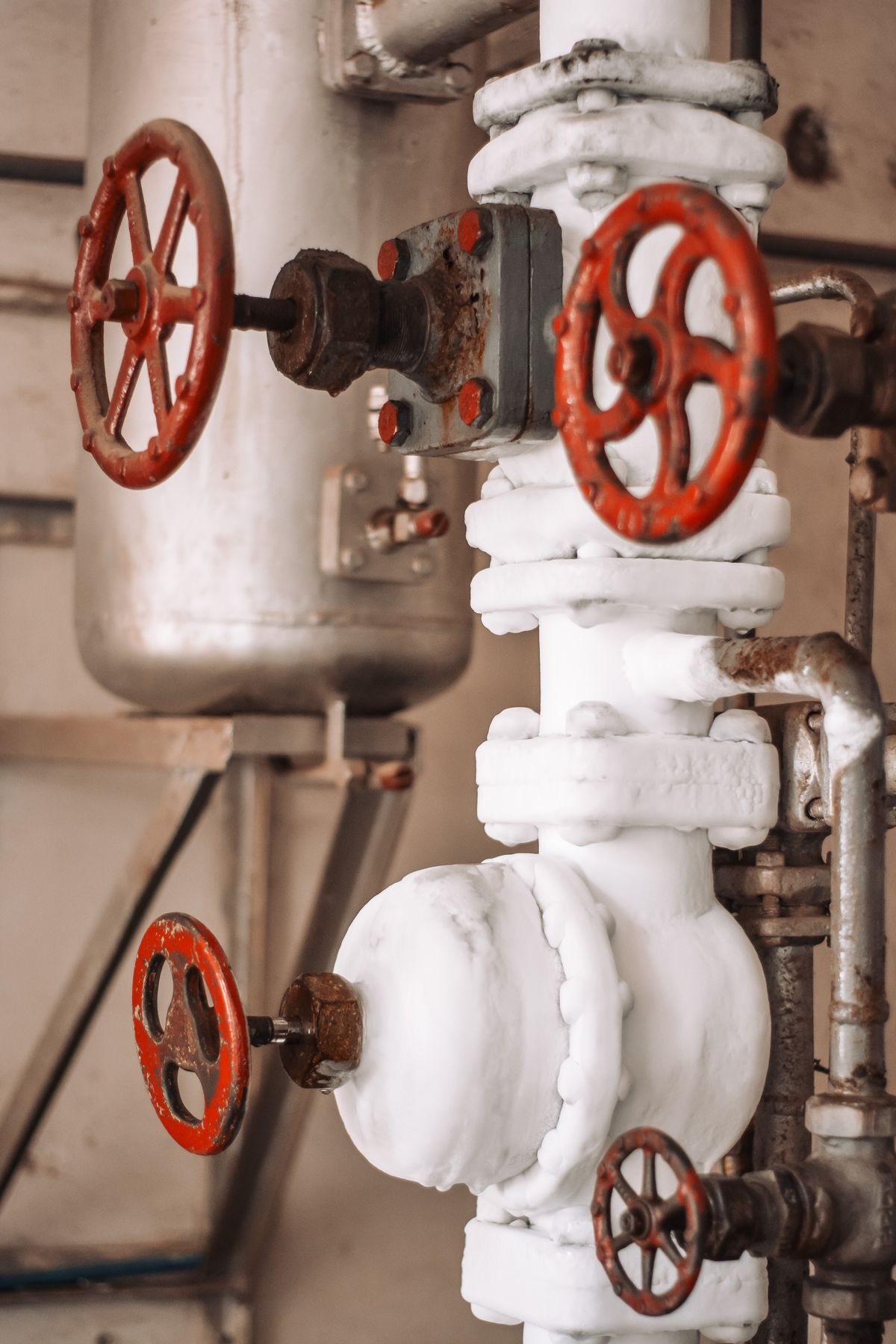
Why Is Anchor Bolt Alignment Important During Tank Installation?
Can incorrect anchor positions delay equipment placement?
Yes. Differences between foundation anchor arrangements and equipment mounting interfaces may prevent the vessel from being installed according to the approved design.
Can anchor bolts or support interfaces be modified during placement?
Any modification requires appropriate engineering assessment and authorization. Installation teams should not make unapproved structural changes merely to accommodate a lifting schedule.
Foundation and equipment interface compatibility should be verified before the final installation activity is scheduled.
How Do I Coordinate Tank Orientation With Process Connections?
Why does the rotational position of a tank matter?
Industrial vessels may contain nozzles, maintenance openings, instrumentation connections, platforms, and other features designed to align with surrounding mechanical systems.
What happens if the tank is installed in the wrong orientation?
Incorrect orientation may interfere with approved piping connections, maintenance access, equipment operation, or surrounding infrastructure.
Who should verify the correct installation orientation?
The authorized mechanical and engineering representatives should verify the vessel orientation using approved drawings and equipment identification information.
The lifting operation should support the approved placement requirements rather than independently determine the final mechanical arrangement.
How Do I Coordinate Tank Delivery With Equipment Rental?
Should lifting equipment be delivered before the industrial vessel?
The appropriate delivery sequence depends on the approved logistics plan, transportation schedule, equipment availability, foundation readiness, temporary storage arrangements, and installation methodology.
What information should be coordinated with the transportation contractor?
Confirm the vessel delivery configuration, approved unloading arrangements, transportation support requirements, arrival schedule, access restrictions, and responsibilities for transferring the vessel to the installation team.
Do not assume that the transport contractor's responsibilities automatically include all unloading or final positioning activities.
What Is the Difference Between Tank Unloading and Final Tank Installation?
Are these activities always completed in one operation?
No. Some vessels may be transferred directly from transportation equipment to their approved installation position, while others require a separately approved preparation or temporary placement stage.
Why should the rental scope distinguish between these activities?
The equipment requirements, personnel responsibilities, operational conditions, and approved handling arrangements may differ between unloading, temporary positioning, and final installation.
Clearly defining each activity helps contractors request equipment and supporting services according to the actual project requirements.
How Do I Plan Temporary Industrial Tank Placement?
When might temporary placement be necessary?
Temporary placement may be considered when the approved installation sequence requires inspections, preparation, foundation completion, assembly of permitted components, or coordination with other mechanical activities.
Can a tank be placed on any available surface?
No. Temporary support arrangements must comply with manufacturer requirements and receive appropriate technical approval.
Industrial vessels may require specific support locations, structural protection, or preservation measures while awaiting installation.
How Do I Rent Equipment for Several Industrial Tanks in One Project?
Can the same machinery be used for every vessel?
Potentially, but only when the equipment and approved operating arrangements are suitable for each individual installation.
Different vessels may have different dimensions, weights, support systems, installation orientations, and handling requirements.
How should contractors organize multiple vessel installations?
Develop a vessel installation register containing the relevant technical information and approved installation requirements for every unit.
| Installation Register Field | Information Required | Project Planning Purpose |
|---|---|---|
| Equipment identification | Approved tank or vessel identification number | Connect the equipment to its technical documentation |
| Vessel type | Storage, processing, mixing, or another approved category | Identify application-specific requirements |
| Installation weight | Verified weight for the actual handling configuration | Support equipment suitability assessment |
| Vessel dimensions | Approved overall dimensions and relevant projections | Review installation and access requirements |
| Installation orientation | Approved final position and rotational arrangement | Coordinate mechanical placement |
| Foundation identification | Approved support or foundation reference | Confirm installation location and readiness |
| Handling requirements | Manufacturer instructions and approved lifting information | Identify specialized equipment or attachments |
| Installation schedule | Approved delivery and installation dates | Coordinate equipment rental periods |
| Acceptance status | Relevant engineering and inspection approvals | Determine readiness for the next project stage |
This register can help contractors organize multiple industrial tank installations without assuming that all vessels have identical requirements.
How Do I Coordinate Tank Installation With Other Industrial Contractors?
Why are several specialist teams often involved?
Industrial vessel installation may require coordination between civil contractors, mechanical installation teams, equipment suppliers, lifting specialists, structural engineers, quality representatives, and facility management.
What activities should be coordinated?
Foundation acceptance, vessel delivery, lifting equipment mobilization, mechanical placement, support installation, connection alignment, inspections, and subsequent testing activities should follow the approved project schedule.
Each organization should understand its responsibilities and the conditions that must be satisfied before the next activity begins.
How Do I Coordinate Personnel Access Equipment With Tank Installation?
Why might personnel access equipment be required?
Industrial vessels may require authorized inspections, mechanical connection activities, or other approved tasks at elevated locations.
Can an ordinary personnel access platform also be used to lift the tank?
No. Personnel access platforms and industrial material lifting equipment have different intended functions.
Any proposed material handling application must be specifically authorized by the relevant equipment manufacturer and included in the approved working arrangements.
What should be included in an access equipment request?
Provide the actual work elevations, required reach, relevant access restrictions, approved personnel tasks, and site conditions. Equipment suitability must then be confirmed for the intended access application.
How Do I Rent Equipment for Industrial Mixing Vessel Installation?
Why might mixing vessels have different handling characteristics?
Industrial mixing vessels may include drive assemblies, internal mixing components, external support structures, and other accessories that influence the complete installation configuration.
Should the vessel and mixing equipment always be lifted together?
Not necessarily. The appropriate assembly and handling sequence must follow the manufacturer-approved methodology and engineering documentation.
Contractors should communicate whether the equipment is delivered as a complete assembly or as separate approved components.
How Do I Plan Equipment Rental for Food Processing Tank Installation?
Are food processing vessels different from ordinary industrial equipment?
Food and beverage processing vessels may have particular material, surface finish, cleanliness, mechanical connection, and hygienic installation requirements.
What should the equipment rental provider know?
Provide the manufacturer's handling requirements, approved installation configuration, access limitations, cleanliness expectations, and any restrictions concerning contact with sensitive surfaces.
Hygienic acceptance and food processing compliance must be evaluated separately by the responsible specialist representatives.
How Do I Rent Equipment for Industrial Tank Replacement?
Is replacing an existing tank the same as installing a new vessel?
No. Replacement projects may involve existing connections, surrounding equipment, occupied industrial areas, structural modifications, and approved procedures for removing equipment from service.
What additional information is required?
Provide the existing vessel documentation, approved removal requirements, replacement equipment specifications, foundation compatibility information, access limitations, and relevant facility operating restrictions.
Equipment removal must not begin until the responsible industrial specialists confirm that all required isolation, preparation, and authorization procedures have been completed.
Can Equipment Rental Be Arranged for Tanks Inside Existing Industrial Facilities?
Why can existing factory conditions affect tank installation?
Existing buildings may contain structural columns, fixed machinery, overhead services, production equipment, mechanical connections, and other infrastructure that restrict available access and positioning arrangements.
What should be assessed before selecting machinery?
Review the approved equipment movement routes, physical access dimensions, structural limitations, operating restrictions, and proposed installation methodology.
Specialized handling or positioning systems may require separate engineering assessment and availability confirmation.
Do not select equipment solely according to the tank's dimensions without considering the complete approved installation environment.
How Do I Coordinate Tank Installation With Factory Operations?
Can existing industrial operations continue during tank installation?
This depends on the facility's approved operating procedures, risk assessment, installation methodology, and authorization requirements.
Some industrial installation activities may require restrictions or temporary suspension of nearby operations.
Who should determine the appropriate arrangements?
The responsible facility management, engineering, operations, and safety representatives should evaluate the proposed work and establish the necessary conditions.
Equipment rental schedules should reflect these approved arrangements rather than assuming unrestricted access to an operating factory.
How Do I Coordinate Tank Installation With Mechanical Piping?
Should connecting pipes determine the tank's final position?
The tank's approved foundation location and mechanical orientation should be established through coordinated engineering documentation.
Existing or newly installed connecting pipes should be reviewed for compatibility with the approved vessel position.
Can mechanical connections be used to force a vessel into alignment?
No unapproved loads should be applied to process connections or equipment interfaces. Any alignment discrepancy requires appropriate mechanical and engineering assessment.
The final placement should be accepted according to the approved installation requirements before subsequent mechanical connections are completed.
How Do I Verify the Final Position of an Industrial Tank?
Does successful lifting mean that installation is complete?
No. Placing the vessel on its designated support is only one part of the complete installation process.
What checks may be required after positioning?
Depending on the approved equipment documentation, further checks may include installation coordinates, elevation, orientation, support alignment, structural connections, surface condition, and mechanical interface compatibility.
The authorized project representatives must determine whether the vessel satisfies the relevant acceptance requirements.
How Do I Coordinate Equipment Rental With Industrial Tank Testing?
Should tanks be tested while supported by lifting equipment?
Testing arrangements must follow the approved engineering procedures and applicable equipment documentation. Lifting machinery should not be assumed to provide an authorized support arrangement for testing activities.
Why should installation and testing be treated separately?
Testing may introduce operating conditions, additional loads, or specialized safety requirements that differ from those associated with transporting and installing the equipment.
Qualified testing and engineering specialists should establish the applicable requirements before any testing activity begins.
How Do I Organize the Industrial Tank Installation Schedule?
Which activities should be completed before the final lifting operation?
Project readiness depends on the vessel, foundation, transportation arrangement, approved installation documentation, equipment availability, and responsible personnel.
How can equipment rental be coordinated with these stages?
| Project Stage | Equipment Rental Consideration | Required Readiness Confirmation |
|---|---|---|
| Engineering review | Identify potential machinery and attachment requirements | Approved vessel documentation and installation methodology |
| Foundation preparation | Coordinate anticipated equipment mobilization | Structural readiness and approved mounting interfaces |
| Vessel transportation | Confirm authorized delivery and handling arrangements | Delivery schedule and manufacturer transportation requirements |
| Vessel receipt | Confirm equipment needed for approved unloading activities | Material identification and acceptance status |
| Installation preparation | Confirm machinery configuration and specialist requirements | Approved handling arrangements and site readiness |
| Final vessel placement | Use equipment authorized for the approved installation activity | Technical authorization from responsible specialists |
| Mechanical acceptance | Determine whether further access or positioning equipment is required | Approved inspection and alignment requirements |
| Testing and commissioning | Confirm separately agreed supporting equipment where necessary | Authorized testing procedures and specialist approvals |
The actual project sequence must follow the vessel manufacturer's requirements and approved engineering documentation.
How Do I Identify Responsibilities Between MORP and the Installation Contractor?
Why should rental responsibilities be documented?
Industrial vessel installation may involve separate equipment supply, lifting engineering, transportation, mechanical installation, structural works, and inspection contracts.
Without clear responsibilities, contractors may assume that services or specialist activities are included when they have not been agreed.
Which responsibilities should be clarified?
- Who provides the verified tank specifications?
- Who prepares and approves the lifting methodology?
- Who confirms the equipment configuration?
- Who provides the required lifting attachments?
- Who arranges authorized transportation?
- Who confirms foundation readiness?
- Who provides qualified operating personnel?
- Who verifies the final vessel orientation?
- Who performs mechanical installation and connections?
- Who conducts inspections and acceptance procedures?
- Who manages the facility's safety authorization process?
The answers must be documented according to the agreed contractual arrangements rather than inferred from the equipment rental request.
Can Industrial Tank Installation Equipment Be Rented Across Saudi Arabia?
Does the project location affect equipment planning?
Yes. Different industrial locations may have different transportation distances, access restrictions, environmental exposure, infrastructure conditions, and project schedules.
What should contractors provide for projects outside Riyadh?
Provide the project city, industrial facility location, approved access information, installation schedule, expected rental duration, vessel documentation, and any requirements related to equipment transportation.
MORP provides crane and heavy equipment rental services for projects in Riyadh and across Saudi Arabia. Specific machinery, specialized attachments, delivery arrangements, and availability should be confirmed directly for each project.
How Much Does Industrial Tank Installation Equipment Rental Cost?
Is there a standard rental price for installing industrial tanks?
No. The cost depends on the machinery selected, approved installation requirements, rental duration, project location, handling attachments, transportation arrangements, and agreed supporting services.
Which items should be included in a project-specific quotation?
| Quotation Component | Information Required | Commercial Purpose |
|---|---|---|
| Industrial lifting equipment | Verified vessel characteristics and approved installation requirements | Determine the appropriate machinery rental scope |
| Specialized lifting attachments | Manufacturer-approved handling requirements | Identify necessary accessories and availability |
| Equipment transportation | Project location and agreed mobilization arrangements | Define delivery and collection requirements |
| Rental duration | Approved installation schedule and expected equipment utilization | Establish the rental period |
| Personnel access equipment | Approved elevated inspection or installation tasks | Identify supporting access requirements |
| Operator services | Agreed operating responsibilities and qualifications | Clarify the included personnel scope |
| Specialized technical services | Separately agreed engineering or handling support | Clarify responsibilities beyond basic machinery rental |
| Additional commercial conditions | Approved scheduling, waiting, and service arrangements | Establish contractual obligations |
No fixed rental rates are assumed in this article. Customers should obtain a quotation based on verified project information and confirmed equipment availability.
What Information Should I Send When Requesting Tank Installation Equipment?
How can contractors prepare a complete equipment rental inquiry?
- Project location and industrial facility details.
- Required installation dates.
- Number of industrial tanks or vessels.
- Approved equipment identification references.
- Verified vessel installation weights.
- Overall vessel dimensions.
- Transportation orientation.
- Final installation orientation.
- Manufacturer-approved lifting points.
- Center of gravity information.
- Relevant lifting and handling documentation.
- Foundation and structural support drawings.
- Approved installation elevations.
- Site photographs and access information.
- Known restrictions affecting equipment movement.
- Required specialized lifting attachments.
- Expected equipment rental duration.
- Required transportation or operator services.
Can a quotation be prepared using only the tank diameter?
Diameter alone is insufficient to establish equipment suitability or prepare an accurate rental proposal.
Provide the relevant verified technical information so the machinery requirements can be assessed according to the actual project.
What Safety Requirements Apply to Industrial Tank Installation?
Can this guide replace an approved industrial lifting plan?
No. This article provides general information for contractors preparing equipment rental requests. It does not establish lifting configurations, operating limits, equipment capacities, structural acceptance, or authorization to perform lifting activities.
What general requirements should the project management team review?
- Verified equipment and vessel documentation.
- Manufacturer-approved lifting and handling information.
- Approved lifting engineering and operational arrangements.
- Equipment and attachment suitability.
- Foundation and structural support readiness.
- Qualified operating and installation personnel.
- Authorized work areas and access restrictions.
- Relevant industrial facility permissions.
- Applicable environmental and operating limits.
- Emergency response arrangements.
- Mechanical installation and acceptance procedures.
Personnel must not enter areas beneath suspended loads or other restricted locations contrary to the approved safety arrangements.
Specialized industrial hazards, including pressure, chemical exposure, electrical systems, and existing process equipment, require independent assessment by competent specialists.
What Should Be Reviewed After the Industrial Tank Is Installed?
What is the difference between equipment placement and commissioning?
Equipment placement establishes the vessel in its approved installation position. Commissioning involves further authorized activities required to prepare the equipment for its intended operation.
These stages may involve different organizations, technical requirements, and acceptance procedures.
What should the responsible project representatives verify?
Review the installed vessel identification, foundation and support interfaces, approved orientation, mechanical connection readiness, relevant inspection results, and any outstanding technical observations.
Completion of the machinery rental activity does not establish that the industrial vessel is ready for operational service.
What Are the Most Common Industrial Tank Equipment Rental Mistakes?
Which technical planning mistakes should contractors avoid?
- Using estimated tank weight instead of verified manufacturer information.
- Ignoring installed internal or external equipment components.
- Assuming the center of gravity is at the geometric center.
- Using unapproved attachment points.
- Ignoring the vessel's transportation and installation orientations.
- Failing to review sensitive coatings, insulation, and connections.
- Assuming all industrial vessels have identical handling requirements.
- Requesting machinery based solely on tank diameter.
- Assuming specialized equipment is available without confirmation.
Which project coordination mistakes should be avoided?
- Scheduling installation before foundation acceptance.
- Failing to verify anchor bolt and support compatibility.
- Ignoring the final orientation of process connections.
- Confusing unloading with complete mechanical installation.
- Arranging temporary vessel placement without approved support conditions.
- Failing to coordinate transportation and lifting responsibilities.
- Ignoring existing factory operating restrictions.
- Assuming ordinary equipment rental includes engineering approval.
- Making unauthorized changes to vessel mounting interfaces.
- Treating completed lifting as final commissioning approval.
What Is the Industrial Tank Installation Equipment Rental Checklist?
What should be confirmed before requesting equipment?
- ☐ Identify every tank or process vessel requiring installation.
- ☐ Obtain approved manufacturer technical documentation.
- ☐ Confirm verified installation weights.
- ☐ Confirm the complete vessel dimensions.
- ☐ Review center of gravity information.
- ☐ Identify approved lifting points.
- ☐ Review manufacturer handling restrictions.
- ☐ Identify sensitive surfaces and connections.
- ☐ Confirm transportation and installation orientations.
- ☐ Obtain foundation and supporting structure drawings.
- ☐ Review mechanical connection interfaces.
- ☐ Identify approved equipment access arrangements.
- ☐ Determine specialized attachment requirements.
- ☐ Establish the expected rental schedule.
- ☐ Clarify transportation and operator responsibilities.
- ☐ Confirm machinery and attachment availability.
- ☐ Request a detailed project-specific quotation.
What should be confirmed before final vessel placement?
- ☐ Vessel identification matches the approved installation documents.
- ☐ The actual handling configuration has been verified.
- ☐ Required technical and lifting approvals are available.
- ☐ Equipment and attachments have received appropriate verification.
- ☐ Foundation readiness has been accepted.
- ☐ Anchor bolt and support arrangements are approved.
- ☐ The final vessel orientation has been confirmed.
- ☐ Qualified personnel are available.
- ☐ Authorized work areas are established.
- ☐ Industrial facility permissions have been obtained.
- ☐ Applicable operating and environmental conditions are acceptable.
- ☐ Emergency arrangements have been reviewed.
- ☐ Mechanical acceptance responsibilities are established.
- ☐ The responsible project representatives have authorized the activity.
What Are the Frequently Asked Questions About Industrial Tank Installation Equipment?
1. What equipment is required to install an industrial tank?
Potential equipment includes mobile cranes, approved lifting attachments, specialized industrial positioning systems, suitable transportation equipment, and personnel access platforms. The exact requirements depend on verified vessel specifications and professionally approved installation arrangements.
2. Can the same crane install vertical and horizontal industrial tanks?
Potentially, provided the machinery and operating arrangements are independently assessed and approved for each installation. Different vessel orientations and support requirements may create different lifting conditions.
3. How do I determine the actual weight of an industrial process vessel?
Obtain verified manufacturer or approved engineering information for the actual installation configuration, including relevant installed components. Qualified lifting personnel must evaluate the complete load according to applicable equipment documentation.
4. Can industrial tanks be lifted using their inlet or outlet nozzles?
Nozzles and ordinary process connections should not be used as lifting points unless explicitly designed and approved for the intended operation. Use only technically verified and manufacturer-authorized lifting arrangements.
5. What equipment is suitable for installing stainless steel process tanks?
Suitable equipment depends on the verified vessel weight, dimensions, approved handling instructions, surface protection requirements, and installation conditions. Specialized attachments or protection arrangements may require separate assessment.
6. Can equipment be rented for industrial tank replacement projects?
Yes, subject to suitable equipment availability and approved project arrangements. Replacement activities require additional assessment of existing connections, operating conditions, removal requirements, and foundation compatibility.
7. Should the industrial tank foundation be ready before the crane arrives?
Foundation acceptance should be coordinated with the approved installation schedule. Confirming structural readiness, mounting interfaces, and installation requirements before final placement can reduce unnecessary handling and project delays.
8. Does MORP provide every type of specialized industrial tank lifting attachment?
Specific lifting attachments, specialized handling systems, machinery models, and supporting services must be confirmed directly with MORP. Availability should not be assumed without a project-specific response.
9. How much does industrial tank installation equipment rental cost in Saudi Arabia?
Rental costs depend on the selected machinery, approved installation requirements, project location, rental duration, specialized attachments, transportation, and agreed services. A customized quotation is necessary for accurate pricing.
10. How can I rent industrial tank installation equipment from MORP?
Contact MORP on 0553925756 or through WhatsApp. Provide the verified tank specifications, installation drawings, approved handling requirements, foundation information, project location, and expected installation schedule to discuss suitable equipment rental options.
How Can MORP Help With Industrial Tank Installation Projects?
Why should contractors discuss equipment requirements before industrial vessels arrive?
Industrial tank installation requires coordination between equipment manufacturing, transportation, foundation construction, lifting activities, mechanical installation, and project acceptance.
Discussing these requirements early can help identify the appropriate machinery categories, required specialist attachments, equipment rental periods, and potential project-specific restrictions.
MORP provides crane and heavy equipment rental services for construction, contracting, and industrial projects in Riyadh and across Saudi Arabia.
Industrial contractors can contact the company to discuss tank and process vessel lifting requirements, machinery availability, transportation arrangements, rental periods, and other agreed supporting services.
Specific equipment models, machinery capacities, specialized attachments, operator services, and installation support remain subject to verified technical suitability, actual availability, and contractual confirmation.
All industrial lifting, structural, mechanical, and commissioning activities require the appropriate independent engineering assessments and project approvals.
How should you begin your industrial tank equipment rental request?
Prepare the manufacturer's technical documentation, verified installation weight, vessel dimensions, approved lifting information, foundation drawings, installation orientation, project photographs, and expected schedule. Contact MORP to discuss the equipment requirements and request a customized rental quotation.
Conclusion: Renting equipment for industrial tank and process vessel installation requires detailed knowledge of the equipment being installed, its approved handling requirements, installation orientation, foundation interfaces, and mechanical connection arrangements. The objective is not simply to lift a heavy vessel, but to support its accurate and authorized placement without compromising its structural condition, sensitive surfaces, or intended industrial function. Begin with verified manufacturer documentation, coordinate foundation and delivery readiness, obtain appropriate professional approval, and confirm machinery availability before finalizing the rental agreement. Equipment placement must remain separate from mechanical acceptance, testing, and final commissioning responsibilities.